
Quick Answer: The best places to scuba dive in 2026 include Raja Ampat (Indonesia), the Red Sea (Egypt), Palau, Cozumel (Mexico), and the Great Barrier Reef (Australia). Each offers a completely different underwater world, from WWII wrecks to manta ray highways, and suits different skill levels and budgets. The “best” spot depends on what you want to see, when you can travel, and how experienced you are.
Key Takeaways
- 🐠 Raja Ampat is the top pick for biodiversity, with manta ray cleaning stations and walking sharks only accessible October through April.
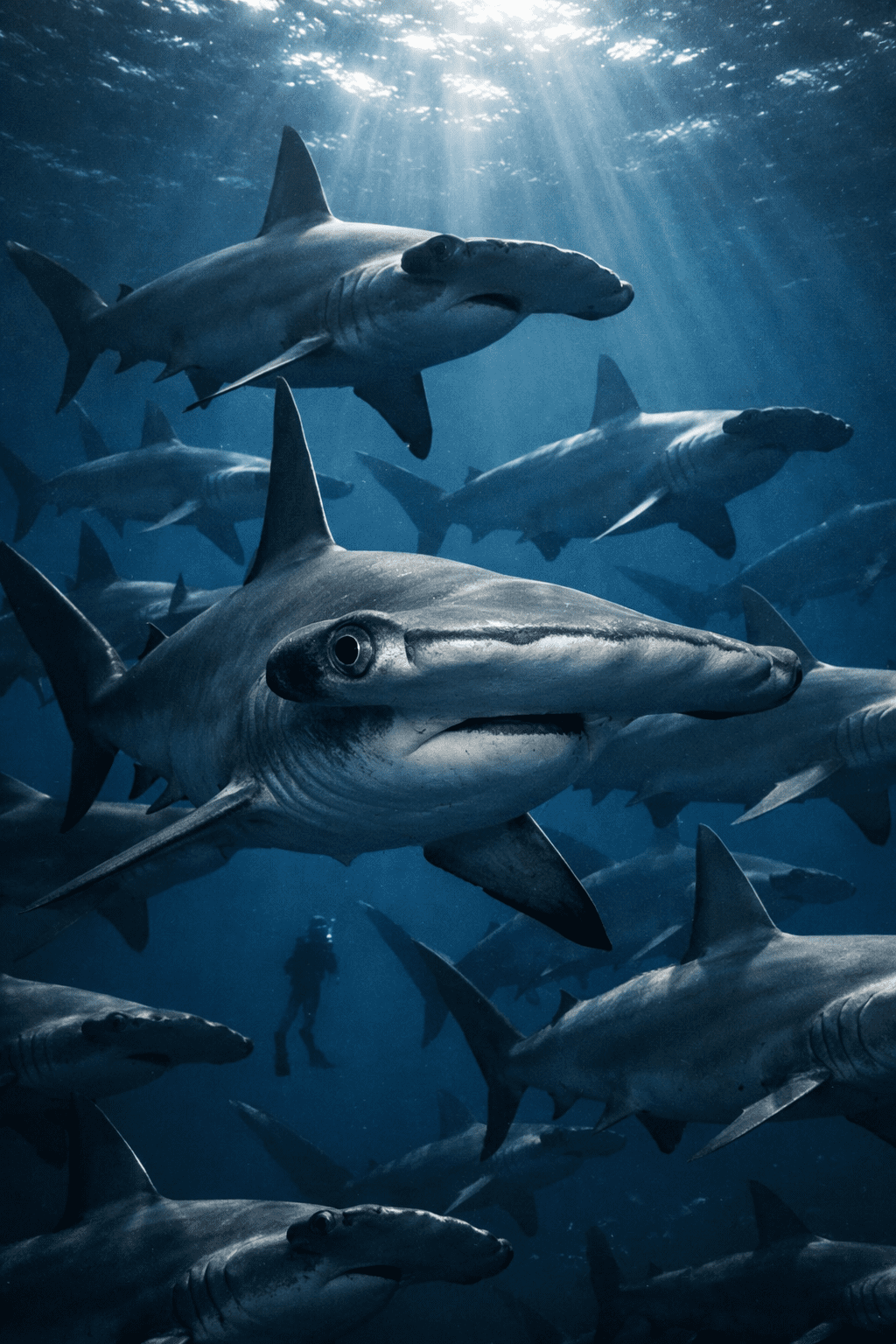
- 🦈 Cocos Island (Costa Rica) is the world’s best destination for schooling hammerhead sharks — advanced divers only.
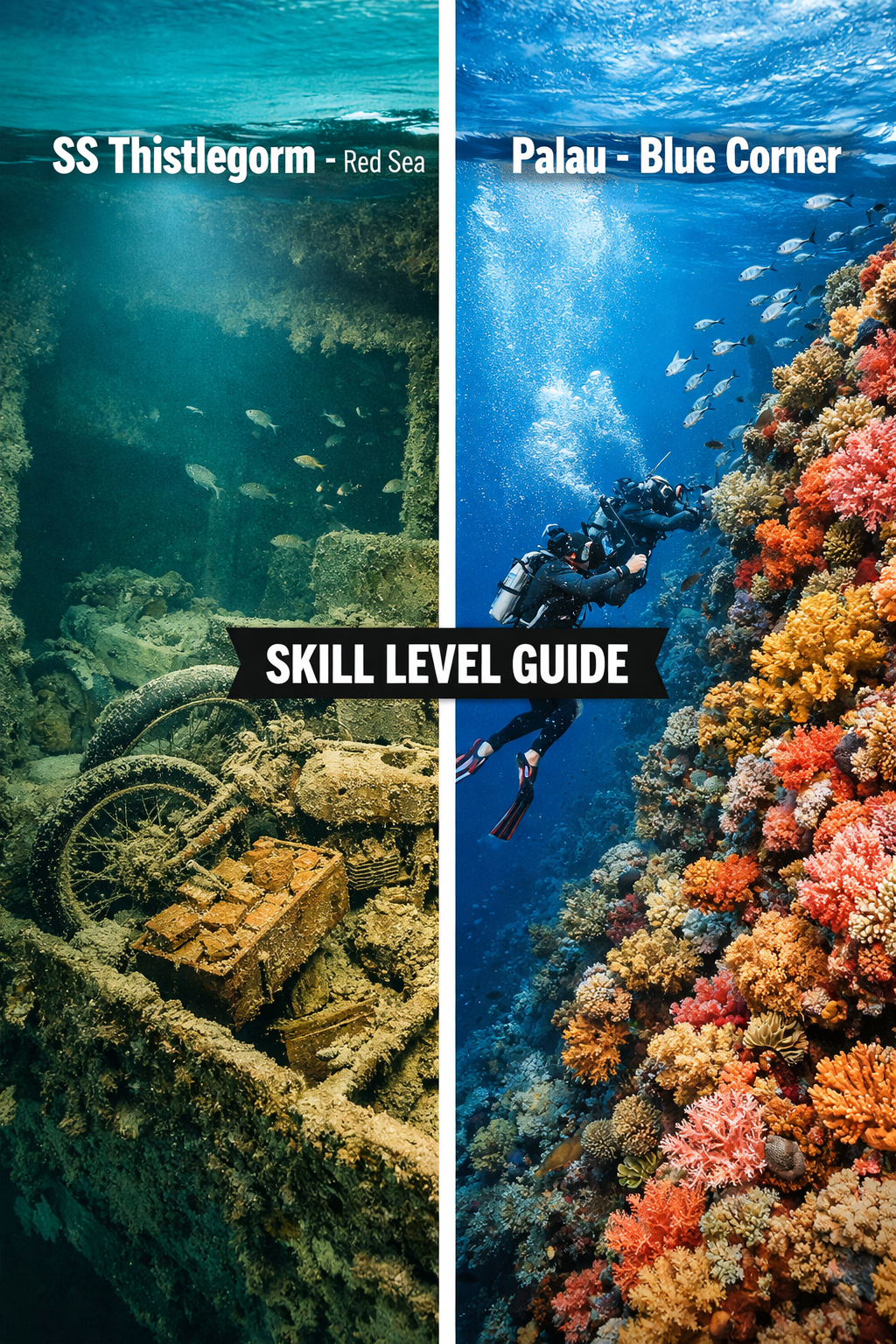
- 🚢 The Red Sea’s SS Thistlegorm is widely considered the most famous wreck dive on Earth, with motorcycles and locomotives still inside.
- 🐢 Cozumel (Mexico) is the most beginner-friendly on this list, with wall diving, sea turtles, and affordable prices.
- 📅 Timing matters more than location: January favors the Maldives, February is peak Raja Ampat, March is Galápagos season, April is Palau’s prime window, and May is best for Fiji [4].
- 💰 Budget divers get the most value in Thailand’s Andaman Sea and Cozumel; liveaboard-only spots like Socorro and Cocos Island cost significantly more.
- 🌊 Several destinations (Socorro, Cocos Island, Tubbataha) require liveaboard trips — book 6-12 months ahead.
- 🌿 Conservation matters: Palau, Thailand’s national parks, and Ras Mohammed (Egypt) all have active reef protection programs.
What Makes a Destination the Best Place to Scuba Dive?
The best place to scuba dive for you depends on four things: marine life, visibility, skill level required, and when you can go. A spot with hammerhead sharks every dive is useless if it’s only accessible to advanced divers and you just got certified.
Here’s how to think about it:
| Factor | What to Look For |
|---|---|
| Marine life | Sharks, mantas, turtles, coral diversity |
| Visibility | 20m+ is excellent; 10-15m is average |
| Skill level | Beginner, intermediate, or advanced required |
| Season | Narrow windows vs. year-round access |
| Logistics | Day boat, liveaboard, or resort-based |
| Budget | Budget-friendly to premium liveaboard |
Choose a liveaboard destination if you want remote, pristine sites with minimal crowds. Choose a resort-based destination if you want flexibility, comfort, and easy day trips.
The 15 Best Scuba Diving Destinations in 2026
Here are 15 spots that genuinely feel like another planet underwater. I’ve organized them roughly from most accessible to most exclusive.
1. 🇲🇽 Cozumel, Mexico — Best for Beginners
Cozumel is a satellite island off Cancun and one of the most beginner-friendly dive destinations on Earth. Multi-level wall diving, sea turtles, eagle rays, and moray eels are standard sightings, and the pricing is among the most reasonable of any top-tier destination [6].
Best for: First-time divers and anyone on a budget.
Don’t miss: Palancar Reef and Santa Rosa Wall.
2. 🇪🇬 Red Sea, Egypt — Best Wreck Diving
The Red Sea is the most accessible option across all skill levels, and it hosts the SS Thistlegorm — a WWII British cargo ship with motorcycles, trucks, and locomotives still inside, sitting at around 30 meters depth [1]. It’s widely regarded as the world’s most famous wreck dive.
Best time to visit: March to May, or September to November [1].
Also check out: Ras Mohammed National Park, which expanded its conservation programs in 2026.
If you’re planning a trip to Egypt, pair your dive trip with the country’s incredible above-water experiences — our guide to the best things to do in Egypt covers both.
3. 🇮🇩 Raja Ampat, Indonesia — Best Overall Biodiversity
Raja Ampat leads Southeast Asian diving with the highest marine biodiversity on the planet. Manta ray cleaning stations at Manta Sandy and walking sharks in Dampier Strait are the headline acts. New infrastructure improvements in 2026 have made access easier, though intermediate to advanced skills are still recommended for many sites [1].
Best time to visit: October through April (dry season) [1].
Don’t miss: Manta Sandy, Cape Kri, and Dampier Strait.
4. 🇵🇼 Palau — Best Reef Health + Conservation
Palau combines legendary reef systems with a genuine conservation commitment. Blue Corner and German Channel offer some of the healthiest coral walls you’ll find anywhere, with strong currents that bring in pelagic fish in huge numbers [2]. April is the prime window [4].
Best for: Intermediate to advanced divers who want pristine reefs and shark encounters.
Common mistake: Underestimating the current at Blue Corner — hook up before descending.
5. 🇹🇭 Thailand’s Andaman Sea — Best Value in Asia
Thailand’s west coast hosts the world’s highest concentration of scuba certifications for a reason: it’s affordable, warm year-round, and the marine life is spectacular. Thai National Parks implement annual closures to allow reef regeneration, which keeps the ecosystems healthier than many comparable destinations [3].
Best time to visit: November through February for calmest seas and greatest visibility [3].
Top sites: Richelieu Rock, Koh Bon, and the Similan Islands.
6. 🇦🇺 Great Barrier Reef, Australia — Best Bucket-List Classic
The Great Barrier Reef needs no introduction, but it’s worth saying clearly: it remains essential for any serious diver’s list. Cairns is the gateway, with both day-boat and overnight liveaboard options available [3]. North American winter aligns perfectly with Australian summer, making it a smart winter escape.
Best for: All skill levels; day boats are ideal for beginners.
Edge case: Inner reef sites are calmer and better for beginners; outer reef sites offer better visibility and bigger animals.
7. 🇲🇻 Maldives — Best for Pelagic Animals + Luxury
The Maldives delivers hammerhead sharks, whale sharks, and manta rays in a setting that genuinely looks like a screensaver. January is the optimal month [4]. Liveaboard trips cover the atolls most efficiently, though resort-based diving is available at most islands.
Best for: Divers who want big animals and don’t mind paying for it.
Budget note: This is one of the pricier destinations on this list — budget at least $300-500/day for liveaboard options.
For a full planning guide, see our Bora Bora travel guide for a similar luxury tropical experience above water.
8. 🇵🇭 Tubbataha Reefs, Philippines — Best All-Around Liveaboard
Tubbataha delivers all-around diving versatility in a single UNESCO World Heritage location. It accommodates diverse skill levels and offers comprehensive reef experiences — sharks, rays, turtles, and pristine coral — all accessible only by liveaboard [5].
Best time: March through June (liveaboard season only).
Book ahead: Permits are limited; spaces fill up fast.
9. 🇲🇽 Socorro Island, Mexico — Best for Open-Ocean Encounters
Socorro is a liveaboard-only destination departing from Cabo San Lucas, running November through May. Manta rays here are famously curious and will approach divers closely. Liveaboards fill months in advance because diver numbers are strictly limited to protect the environment [1].
Best for: Advanced divers seeking remote, big-animal encounters.
Logistics: Expect a 36-hour crossing from Cabo San Lucas each way.
10. 🇨🇷 Cocos Island, Costa Rica — Best for Hammerhead Sharks
Cocos Island is the premier destination for big-animal diving, specifically for schooling hammerhead sharks [8]. It’s remote, expensive, and requires advanced skills for open-water conditions — but divers who make it here consistently call it the most impressive dive of their lives.
Best for: Advanced divers with a specific goal of seeing hammerheads in large numbers.
Cost: Liveaboard trips typically run $5,000-$8,000+ for 10-12 days.
11. 🇪🇨 Galápagos Islands, Ecuador — Best for Marine Iguanas + Penguins
The Galápagos offers something no other dive destination can: marine iguanas swimming alongside you, Galápagos penguins darting past at depth, and whale sharks cruising the surface. March is the peak diving window [4]. This is genuinely alien territory underwater.
Best for: Experienced divers who want unique, endemic species.
Skill level: Intermediate to advanced; currents can be strong.
12. 🇫🇯 Fiji — Best Soft Coral Scenery
Fiji’s nickname is “the soft coral capital of the world,” and it earns it. The Great White Wall and Rainbow Reef are covered in purple, pink, and orange soft corals that look like an underwater garden from another dimension. May is the optimal month [4].
Best for: Underwater photographers and divers who prioritize visual beauty over big animals.
13. 🇵🇹 The Azores, Portugal — Best Atlantic Pelagic Diving
The Azores deliver premium Atlantic pelagic diving with exclusive seasonal windows. This is for divers who want authentic, unpredictable ocean experiences — blue sharks, mobula rays, and sperm whales in the same trip [2]. It’s genuinely different from any tropical destination.
Best for: Open-water enthusiasts who want big, unexpected encounters.
Best time: June through October for blue sharks and mobula rays.
14. 🇲🇽 Baja California Sur, Mexico — Best for Accessible Big Animals
Baja California Sur is marketed as “the aquarium of the world” for good reason [2]. Sea lions, whale sharks, hammerheads, and giant manta rays are all accessible within a relatively short trip from the US West Coast. It’s expedition-style diving without the extreme logistics of Cocos or Socorro.
Best for: US-based divers who want big animals without a long-haul flight.
15. 🇭🇳 Bay Islands, Honduras — Best Hidden Value
The Bay Islands (especially Roatan and Utila) are consistently underrated. Utila is one of the cheapest places on Earth to get certified, and the whale shark season (March-April and August-September) draws divers from around the world. Prices here are a fraction of comparable Caribbean destinations.
Best for: Budget divers and those seeking certification.
How to Choose the Best Place to Scuba Dive for Your Skill Level
Your certification level and experience genuinely determine which destinations are safe and enjoyable for you. Here’s a clear breakdown:
Beginner (Open Water certified, fewer than 20 dives):
- ✅ Cozumel, Mexico
- ✅ Great Barrier Reef (inner reef, day boats)
- ✅ Bay Islands, Honduras
- ✅ Red Sea, Egypt (many sites)
- ✅ Thailand’s Andaman Sea (many sites)
Intermediate (50+ dives, Advanced OW certified):
- ✅ Palau
- ✅ Maldives
- ✅ Fiji
- ✅ Galápagos Islands
- ✅ Tubbataha Reefs
Advanced (100+ dives, Rescue Diver or Divemaster):
- ✅ Raja Ampat (specific sites)
- ✅ Socorro Island
- ✅ Cocos Island
- ✅ The Azores
- ✅ Baja California Sur (expedition sites)
Common mistake: Booking a liveaboard to Cocos Island or Socorro as your first “big” dive trip. The currents and open-ocean conditions are genuinely demanding. Build up to it.
Best Time of Year to Visit the Top Dive Destinations
Timing is often more important than destination choice. A world-class spot in the wrong season means poor visibility, rough seas, or absent marine life.
| Month | Best Destination |
|---|---|
| January | Maldives |
| February | Raja Ampat |
| March | Galápagos Islands |
| April | Palau |
| May | Fiji |
| June–October | The Azores |
| November–May | Socorro Island |
| March–May, Sept–Nov | Red Sea, Egypt |
| November–February | Thailand’s Andaman Sea |
Source: [4][5]
Pro tip: Many top liveaboard destinations have strict seasonal windows. If you miss the booking window, you often wait a full year. Socorro and Tubbataha liveaboards fill 6-12 months in advance.
What Does a Liveaboard Dive Trip Actually Cost?
Liveaboard trips are the only way to access several of the best dive spots on this list. Here’s a realistic cost breakdown:
- Budget liveaboards (Thailand, Philippines day boats): $100–$200/day
- Mid-range liveaboards (Maldives, Palau, Fiji): $250–$450/day
- Premium liveaboards (Galápagos, Raja Ampat): $400–$700/day
- Exclusive liveaboards (Cocos Island, Socorro): $500–$800+/day
These prices typically include accommodation, meals, tanks, weights, and guide services. Flights, travel insurance, and equipment rental are usually extra.
Choose a liveaboard if you want to cover multiple remote sites in one trip with minimal travel time between dives. Stick to resort diving if you prefer comfort, flexibility, and the option to skip a dive day without losing money.
Frequently Asked Questions
What is the single best place to scuba dive in the world?
Raja Ampat, Indonesia is widely considered the top destination for overall marine biodiversity, reef health, and unique species like walking sharks and manta rays. However, Cocos Island wins for big-animal encounters, and the Red Sea wins for accessible wreck diving.
Which dive destination is best for beginners?
Cozumel, Mexico is the most beginner-friendly top-tier destination. It has calm, clear water, abundant marine life, and affordable prices. The Bay Islands of Honduras are also excellent and even cheaper.
Do I need to be certified to dive at these spots?
Yes. All 15 destinations require at least an Open Water certification. Several (Cocos Island, Socorro, Azores) effectively require Advanced Open Water plus significant logged dives.
What’s the cheapest top dive destination?
Thailand’s Andaman Sea and the Bay Islands of Honduras offer the best value. You can get certified in Utila, Honduras for under $300, which is among the lowest prices globally.
Is the Great Barrier Reef still worth visiting given coral bleaching concerns?
Yes. While bleaching has affected parts of the reef, large sections remain healthy and spectacular, particularly in the northern areas accessible from Cairns. It’s still a bucket-list experience.
How far in advance should I book a liveaboard?
For popular liveaboard destinations like Socorro, Cocos Island, and Tubbataha, book 6-12 months ahead. For Maldives and Palau liveaboards during peak season, 3-6 months is typical.
Can solo travelers do these dive trips safely?
Absolutely. Most dive operators pair solo divers with a buddy. Many solo female travelers specifically enjoy dive destinations because the community is welcoming and safety-focused. Our guide to the best places for solo female travel includes several dive-friendly destinations.
What’s the best destination for underwater photography?
Fiji (soft coral scenery), Raja Ampat (biodiversity), and the Maldives (pelagic animals + clear water) are the top three for photographers. Visibility of 30m+ in the Maldives makes it especially photogenic.
Is travel insurance necessary for dive trips?
Yes, always. Make sure your policy covers hyperbaric (decompression chamber) treatment, which can cost tens of thousands of dollars without coverage. DAN (Divers Alert Network) insurance is widely recommended.
Which destinations are best for combining with a regular vacation?
Cozumel pairs naturally with a Cancun trip. The Red Sea pairs with an Egypt cultural tour (see our Egypt bucket list guide). Thailand’s Andaman Sea pairs with Bangkok or Chiang Mai. Hawaii is another strong combo — check out our Kona Hawaii travel guide for dive options on the Big Island.
What’s the best Caribbean dive destination?
Cozumel is the top pick for value and marine life. Bonaire is a close second for shore diving. St. Lucia also has excellent diving — see our St. Lucia first-timer’s guide for more.
Are any of these destinations good for non-divers traveling with divers?
Yes. Cozumel, the Maldives, Fiji, and Thailand all have excellent above-water activities for non-divers. Snorkeling, island tours, and beach time mean everyone stays happy.
Conclusion: Your Next Step Toward the Best Dive of Your Life
The best place to scuba dive isn’t a single answer — it’s the one that matches your skill level, your travel window, and what you actually want to see underwater. If you’re just getting started, book Cozumel or Thailand and get your dive count up. If you’re ready for something that will genuinely change how you see the ocean, start planning a liveaboard to Raja Ampat, Palau, or the Maldives.
Here’s your action plan:
- Confirm your certification level and check which destinations match it.
- Pick your travel window and cross-reference the seasonal timing table above.
- Decide: liveaboard or resort? Liveaboards offer more sites; resorts offer more flexibility.
- Book early — especially for Socorro, Cocos Island, and Tubbataha, where spots fill 6-12 months out.
- Get dive travel insurance before you book anything else.
Whether you’re planning your first open-water adventure or your fiftieth dive trip, these 15 destinations will show you an underwater world that genuinely feels like another planet. The ocean is waiting.
Looking for more travel inspiration? Check out our top 10 places to travel that ruin other vacations — fair warning, once you’ve dived these spots, everywhere else might feel a little ordinary.
References
[1] Best Dive Destinations 2026 Travel Guide – https://www.divevolkdiving.com/blogs/diving-knowledge/best-dive-destinations-2026-travel-guide
[2] The Best Destinations For Diving In 2026 – https://temoanaexpeditions.com/en/the-best-destinations-for-diving-in-2026/
[3] Top Winter Scuba Diving Destinations For 2026 – https://www.proshotcase.com/post/top-winter-scuba-diving-destinations-for-2026
[4] Best Places To Dive 2026 – https://www.scuba.com/blog/best-places-to-dive-2026/
[5] When And Where To Scuba Dive In 2026 A Month By Month Guide – https://www.zubludiving.com/articles/zublu-insights/when-and-where-to-scuba-dive-in-2026-a-month-by-month-guide
[6] Readers Pick 3 Top Dive Destinations 2026 – https://www.scubadiving.com/readers-pick-3-top-dive-destinations-2026
[8] Top 10 – https://www.bluewaterdivetravel.com/top-10