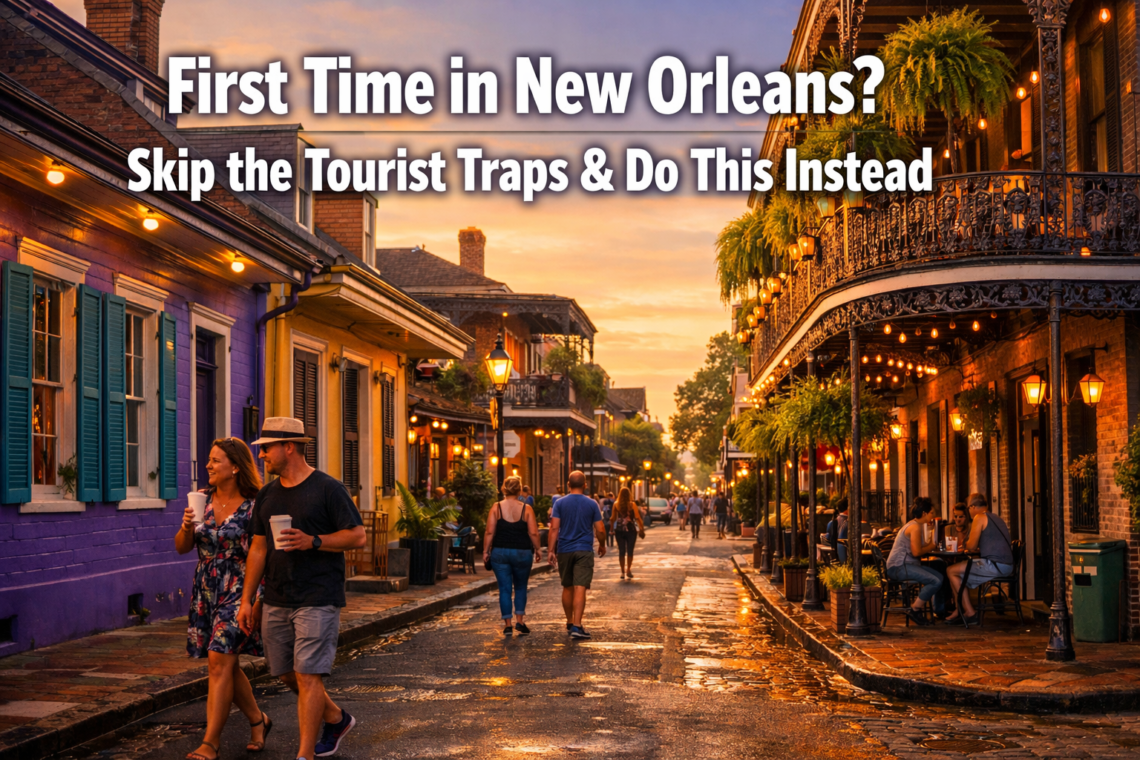
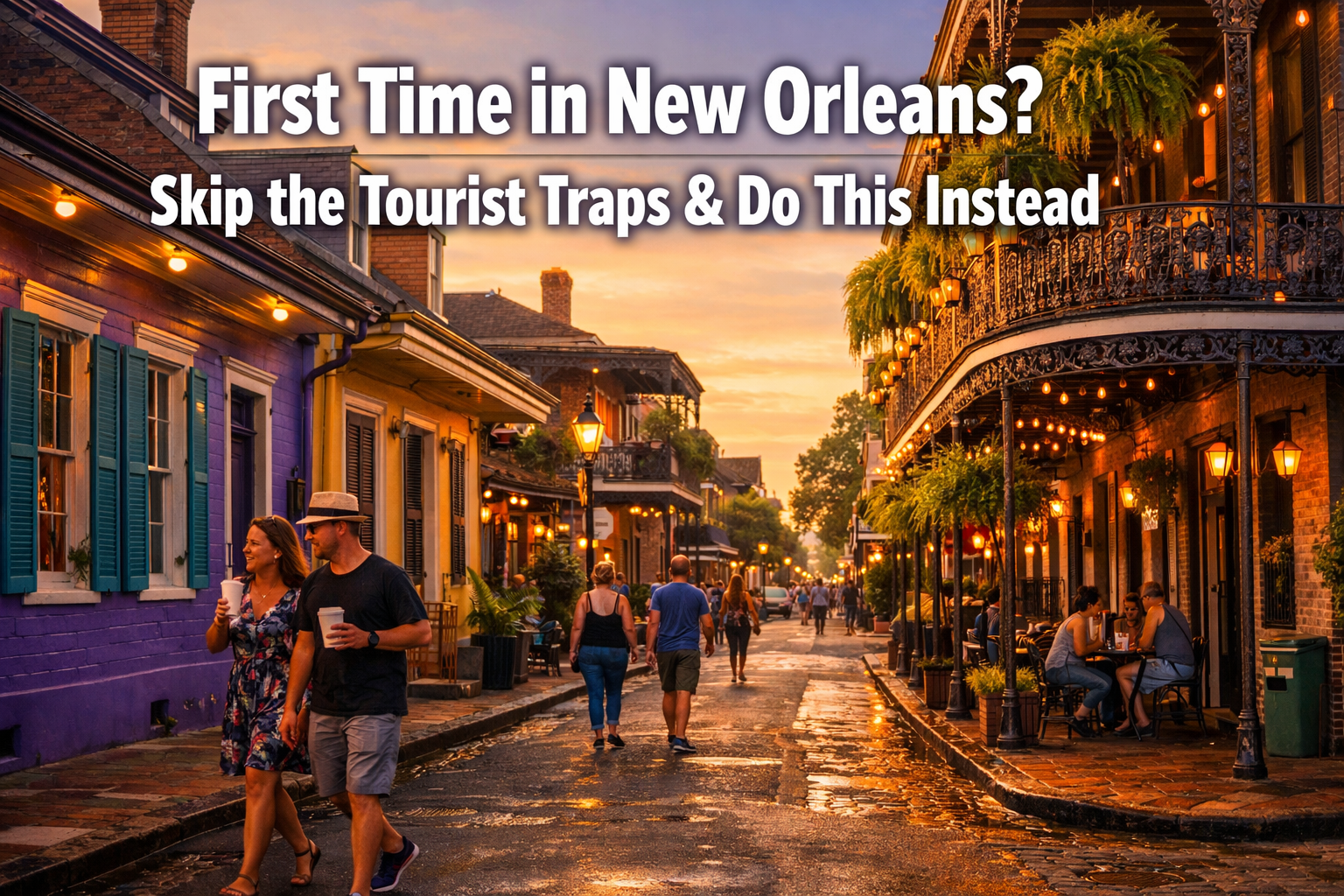
I still remember my first trip to New Orleans—I spent three days fighting crowds on Bourbon Street, eating overpriced frozen daiquiris, and wondering why everyone raved about this city. Then a local bartender pulled me aside and said, “You’re doing it all wrong.” That conversation changed everything. If you’re visiting New Orleans for the first time, the most popular spots aren’t always the most authentic. The real magic happens in neighborhood jazz clubs, family-run restaurants, and historic streets where locals actually live.
Key Takeaways
- Skip Bourbon Street’s chaos and explore authentic neighborhoods like Marigny, Bywater, and the Lower Garden District where locals spend their time
- Choose boutique hotels over chains to experience New Orleans’ unique culture—independent properties dominate the city’s hospitality scene in 2026
- Eat where locals eat at neighborhood restaurants serving traditional Creole and soul food rather than tourist-focused establishments in the French Quarter
- Time your visit strategically around major 2026 events like Sail250 (May 28-June 1) or visit during shoulder seasons for better rates and fewer crowds
- Experience live music authentically at intimate venues in Frenchmen Street and neighborhood clubs instead of staged performances
Quick Answer
Your first time in New Orleans should focus on authentic cultural experiences rather than overcrowded tourist attractions. Skip the Bourbon Street bar crawl and instead explore neighborhoods like Marigny and Bywater, where you’ll find genuine jazz clubs, family-owned restaurants, and the real spirit of the city. Stay in a boutique hotel that connects you to local culture, eat at neighborhood spots serving traditional Creole cuisine, and plan your visit around authentic experiences like second-line parades, bayou kayaking, and live music at intimate venues where locals actually go.
What Should First-Time Visitors Know About New Orleans in 2026?
New Orleans has fully recovered from the pandemic and reached record visitor numbers—matching its 2019 peak of 19 million visitors in 2024.[1] This means the city is vibrant and fully operational, but it also means popular tourist areas get extremely crowded.
The hospitality landscape has shifted dramatically toward boutique experiences over corporate chains. Travelers are increasingly “willing to pay a premium for an experience” that is “curated and tied to the community in a way that is authentic and real.”[1] This trend works in your favor as a first-timer because it means more unique accommodation options that actually reflect New Orleans culture.
Major 2026 events to know about:
- Sail250 tall ships flotilla (May 28-June 1) at the Port of New Orleans[2][3]
- Rockin’1000 first U.S. stateside event[2]
- LIV Golf Louisiana tournament[2]
- Fifth Annual New Orleans Book Festival[2]
- Pastry World Cup and Bocuse d’Or return[2]
The city’s year-round appeal comes from “universities, medical, sports, entertainment, jazz, all the annual events” plus periodic mega-events.[1] This means you don’t need to visit during Mardi Gras or Jazz Fest to experience the city’s energy—shoulder seasons offer better value and more authentic interactions with locals.
Common mistake: Assuming you need to stay in the French Quarter to experience New Orleans. The reality is that staying in neighborhoods like the Garden District, Marigny, or Bywater gives you better access to authentic experiences while keeping you away from the tourist crowds.
Where Should You Stay for Your First Time in New Orleans?
Stay in a boutique hotel in the Garden District, Marigny, or Warehouse District rather than a chain hotel in the French Quarter. New Orleans’ independent hotels dominate the market because they offer culturally embedded experiences that corporate properties can’t replicate.[1]
Best neighborhood choices for first-timers:
- Lower Garden District: Historic mansions converted to boutique hotels, walkable to Magazine Street shopping and restaurants, residential feel with easy streetcar access to French Quarter
- Marigny/Bywater: Close to Frenchmen Street’s authentic music scene, colorful Creole cottages, local cafes and bars, genuinely bohemian atmosphere
- Warehouse District: Art galleries, museums, excellent restaurants, quieter than French Quarter but still central, near Convention Center
The luxury market saw significant expansion in early 2026, with Nobu opening at Harrah’s New Orleans and Omni Hotels receiving approval for a $500 million convention headquarters hotel.[1] However, these large properties cater primarily to convention attendees and don’t offer the cultural immersion most first-timers seek.
Choose a boutique property if: You want to experience New Orleans culture through your accommodation, prefer personalized service, and value unique design over standardized amenities.
Choose a larger hotel if: You’re attending a convention, need specific chain loyalty points, or prefer predictable standardized service.
Pro tip: During major events like the 2026 Super Bowl, hotel rates can double—RevPAR grew 216% during that event.[1] Book well in advance for major events or visit during shoulder seasons (September-October, January-February excluding Mardi Gras) for better rates.
Similar to planning your ultimate Lisbon Portugal travel guide, choosing the right neighborhood matters more than choosing the fanciest hotel.
What Are the Best Authentic Dining Experiences for First Time in New Orleans?
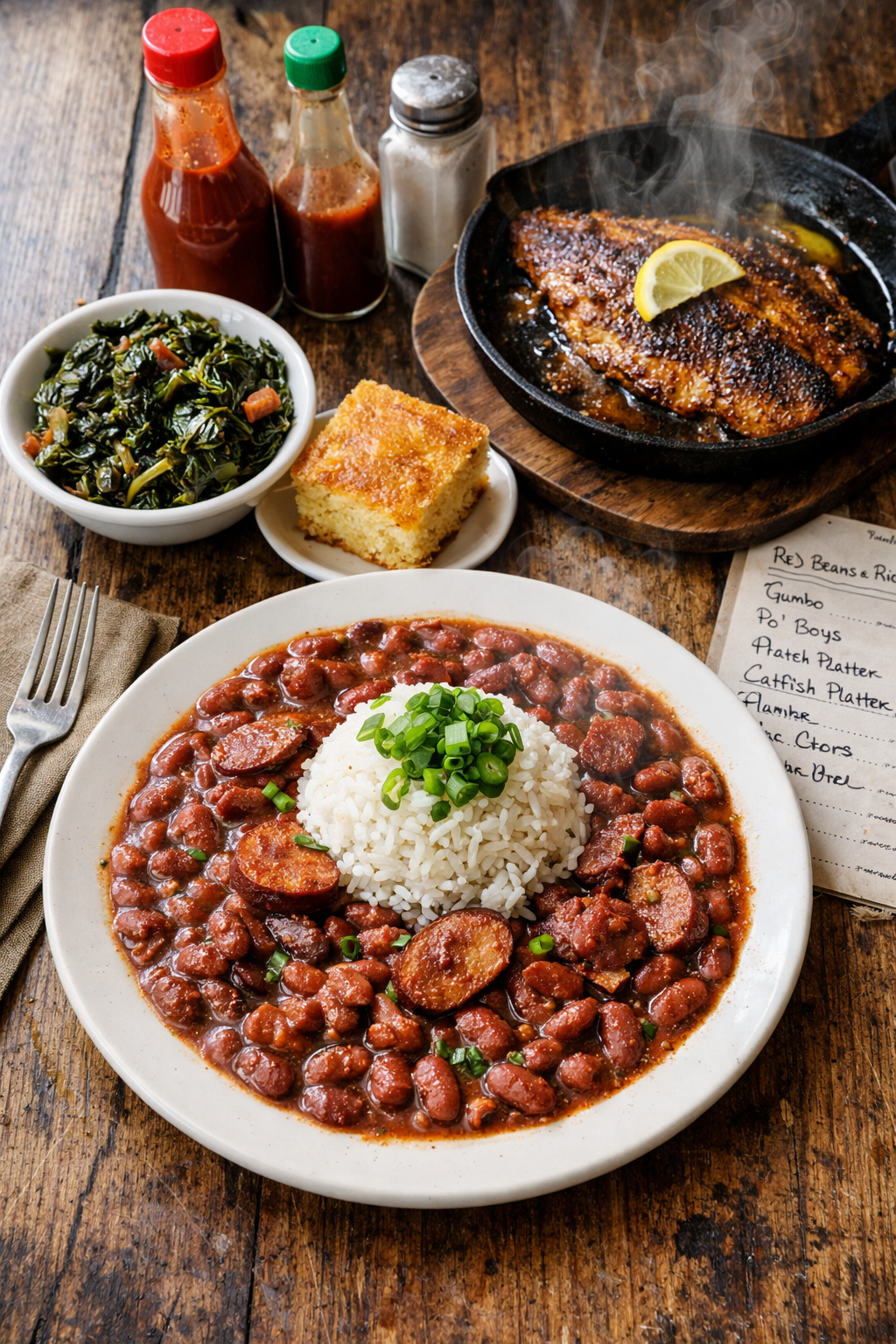
Eat at neighborhood restaurants in Mid-City, Tremé, and the Seventh Ward where locals go for traditional Creole and soul food. Skip the expensive tourist restaurants on Decatur Street and Royal Street in the French Quarter.
Authentic dining categories to prioritize:
Soul Food and Creole Classics:
- Look for family-run restaurants serving red beans and rice on Mondays (traditional wash day meal)
- Find places with handwritten menus and locals waiting in line
- Order dishes like gumbo, jambalaya, étouffée, and grillades and grits
- Avoid anywhere with photos of dishes on the menu or aggressive street hawkers
Po-Boy Shops:
- Traditional sandwiches on French bread should be “dressed” (lettuce, tomato, pickles, mayo)
- Best fillings: fried shrimp, roast beef with gravy, fried oysters
- Authentic shops have been operating for decades and serve locals at lunch
Neighborhood Breakfast Spots:
- Locals eat breakfast out regularly—follow the crowds
- Look for places serving grits, biscuits, Creole cream cheese, and pain perdu (French toast)
- Coffee should be strong and often mixed with chicory
Vietnamese Cuisine:
- New Orleans has an excellent Vietnamese community, especially in the East
- Pho, banh mi, and Vietnamese-Creole fusion reflect authentic local culture
- These restaurants are where locals actually eat regularly
What to avoid: Any restaurant with someone standing outside trying to pull you in, menus featuring “world-famous” anything, or establishments that look like they haven’t changed since the 1980s specifically to maintain a tourist-friendly “authentic” appearance.
Common mistake: Eating every meal in the French Quarter. The best food is in neighborhoods where rent is lower and restaurants survive on local repeat business rather than one-time tourist visits.
How Can You Experience Live Music Authentically on Your First Time in New Orleans?
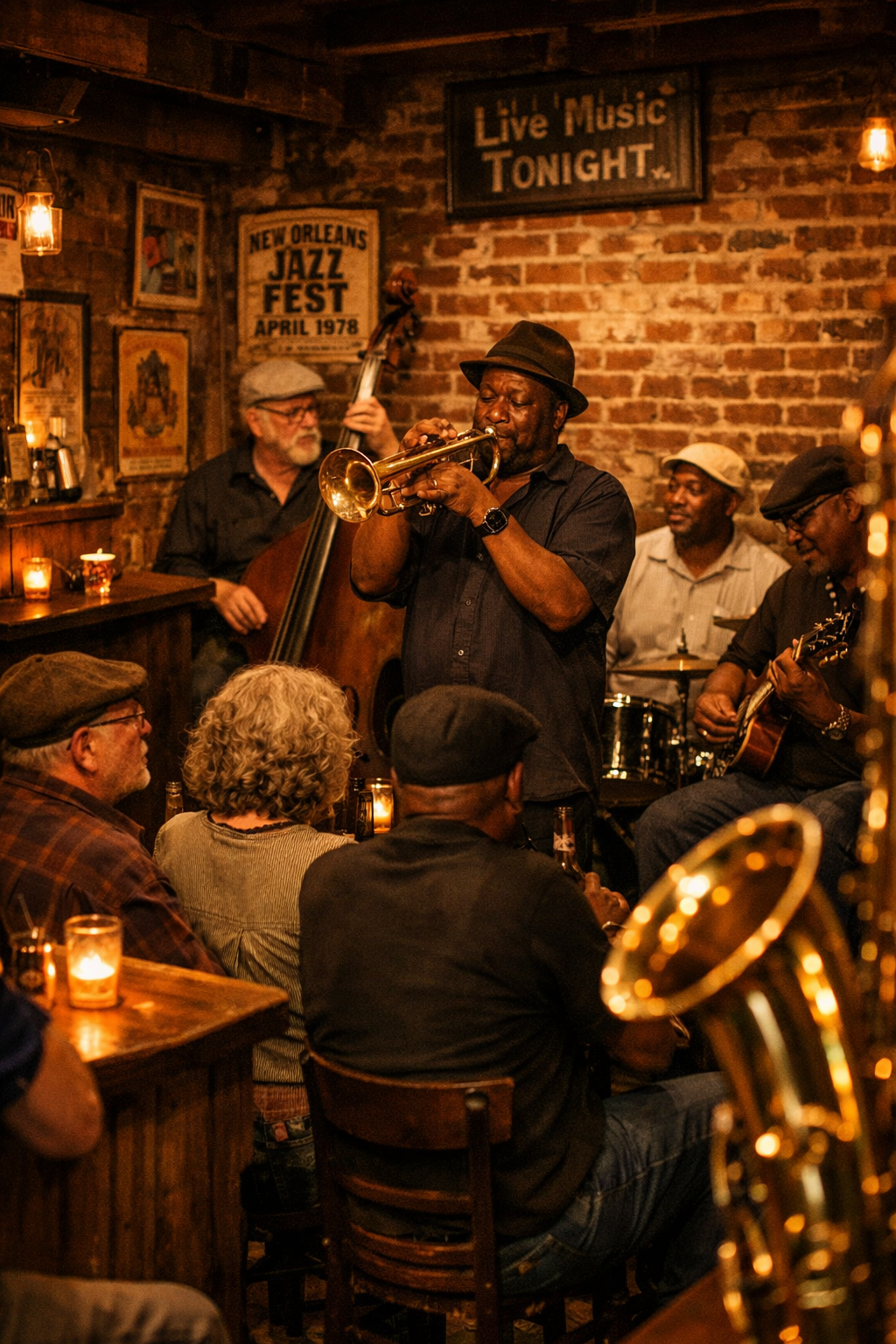
Go to Frenchmen Street and neighborhood music clubs where local musicians play for local audiences, not Bourbon Street’s staged tourist performances. Real New Orleans music happens in intimate venues where musicians play multiple sets per night and audiences actually listen.
Best authentic music experiences:
Frenchmen Street (Marigny):
- Multiple small clubs within two blocks
- No cover or minimal cover charges
- Musicians rotate between venues throughout the night
- Mix of jazz, brass bands, funk, and blues
- Locals dance and actually engage with the music
Neighborhood Clubs:
- Mid-City venues hosting brass bands and funk
- Tremé clubs with deep jazz history
- Bywater spots featuring local singer-songwriters
- Shows typically start late (10 PM or later)
Second-Line Parades:
- Free community parades with brass bands every Sunday (except summer)
- Follow the parade through neighborhoods
- Bring cash for beer from corner stores
- Participate by dancing in the “second line” behind the band
Street Musicians:
- Talented musicians busking in non-touristy areas are often professionals
- Royal Street (French Quarter) has quality street performers during the day
- Tip generously—many are full-time musicians
Music venues that function as cultural immersion centers reflect the top hospitality trend for 2025 where travelers seek “places where people can really connect and share, and be immersed in the culture.”[1]
Choose Frenchmen Street if: You want variety, ability to club-hop, and a scene that’s lively but not chaotic like Bourbon Street.
Choose neighborhood clubs if: You want deeper immersion in specific genres, don’t mind traveling outside the main tourist areas, and prefer intimate settings.
What to skip: Preservation Hall is historic but expensive and touristy. The shows are good but brief (45 minutes) and you’ll stand in a crowded room. If you go, book the earliest show when it’s less packed.
What Neighborhoods Should You Explore Beyond the French Quarter?
Spend most of your time in Marigny, Bywater, Garden District, and Mid-City where you’ll see how New Orleans actually functions as a living city rather than a tourist attraction. These neighborhoods offer architecture, food, shopping, and culture without the French Quarter’s crowds and inflated prices.
Neighborhood-by-neighborhood guide:
| Neighborhood | What You’ll Find | Best For | How to Get There |
|---|---|---|---|
| Marigny | Colorful Creole cottages, Frenchmen Street music, local bars and cafes | Live music, authentic nightlife, walkable architecture | Walk from French Quarter or short streetcar ride |
| Bywater | Art galleries, funky shops, neighborhood restaurants, riverside parks | Bohemian vibe, local culture, Instagram-worthy streets | Bike or streetcar from Marigny |
| Garden District | Antebellum mansions, oak-lined streets, Magazine Street shopping | Architecture tours, boutique shopping, upscale dining | St. Charles streetcar |
| Mid-City | City Park, museums, diverse restaurants, residential streets | Green space, Creole cuisine, local life | Canal Street streetcar or bike |
| Tremé | Historic African American neighborhood, jazz history, Congo Square | Cultural history, soul food, authentic music venues | Walk from French Quarter |
How to explore like a local:
- Rent a bike and use the flat terrain to cover more ground than walking
- Take the streetcar on St. Charles Avenue through the Garden District (historic cars, beautiful route)
- Walk slowly and look at architectural details—shotgun houses, Creole cottages, and cast-iron galleries
- Stop at corner stores for cold drinks and chat with locals
- Visit neighborhood parks where residents gather rather than tourist squares
Common mistake: Trying to see everything in one trip. New Orleans rewards slow exploration and repeat visits. Pick two or three neighborhoods and really experience them rather than rushing through a checklist.
Just like exploring hidden gems in Italy, the best New Orleans experiences happen off the main tourist trail.
What Outdoor Activities Work Best for First Time in New Orleans?
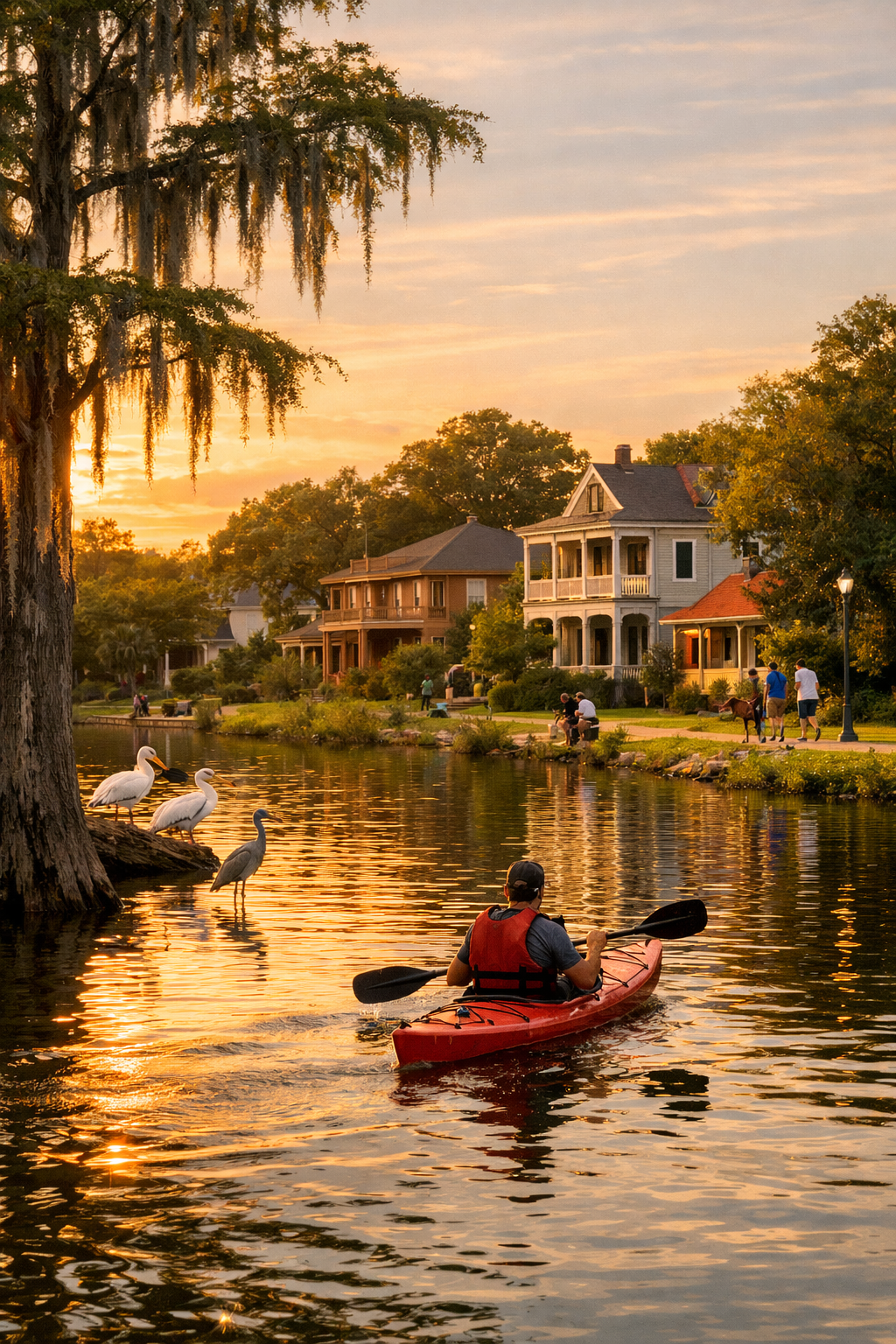
Kayak the bayous, bike through City Park, and take the ferry to Algiers Point for outdoor experiences that show New Orleans’ natural setting and neighborhood character. The city isn’t just bars and restaurants—it’s built on a unique landscape where water shapes everything.
Best outdoor experiences:
Bayou Paddling:
- Kayak or canoe Bayou St. John (within city limits, calm water, beautiful scenery)
- Paddle through City Park’s lagoons under moss-draped cypress trees
- See wildlife including herons, egrets, turtles, and occasional alligators in safe environments
- Rental shops provide all equipment and basic instruction
City Park Activities:
- 1,300 acres of green space with ancient live oak trees
- Sculpture gardens, botanical gardens, and walking paths
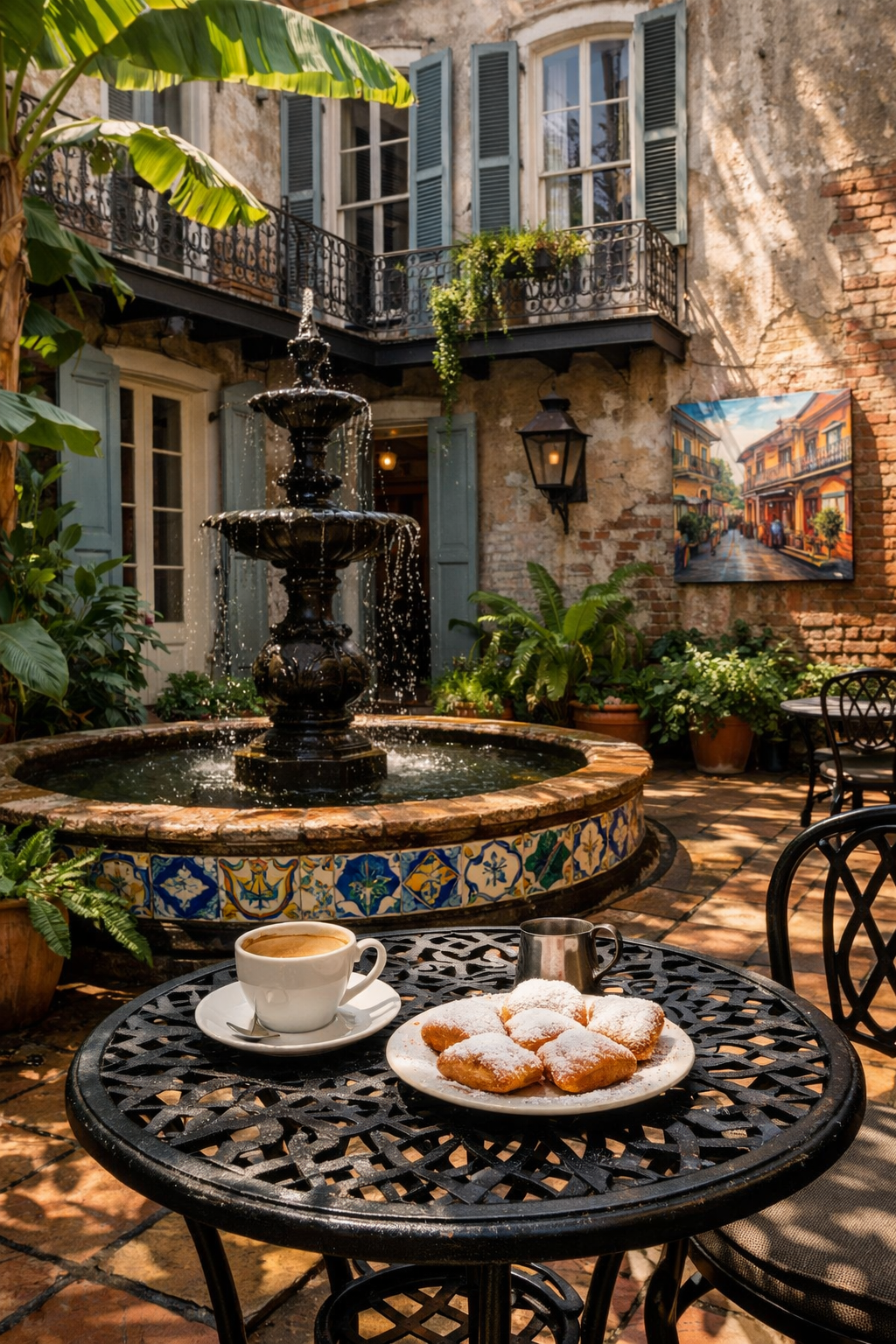
- Morning Calls café for beignets (less touristy than Café Du Monde)
- Bike rentals available for exploring the entire park
Algiers Point:
- Free ferry ride across the Mississippi River
- Historic neighborhood with Victorian architecture
- Spectacular views of New Orleans skyline
- Quiet streets perfect for walking and photography
Levee Walks:
- Walk or bike the Mississippi River levee
- Watch massive ships navigate the river
- Sunset views over the water
- Connect to Audubon Park and Zoo
Choose outdoor activities if: You want to understand New Orleans’ unique geography, need a break from the food and drink scene, or visit during pleasant weather months (October-May).
What to avoid: Swamp tours that bus you an hour outside the city to see alligators. If you want to see Louisiana wetlands, choose kayak tours in closer bayous or visit Jean Lafitte National Historical Park just 30 minutes from downtown.
When Is the Best Time to Visit New Orleans for First-Timers?
Visit in October-November or February-April (avoiding Mardi Gras week) when weather is pleasant, hotel rates are reasonable, and you’ll experience authentic events alongside manageable crowds. New Orleans has year-round appeal from “universities, medical, sports, entertainment, jazz, all the annual events,”[1] so you don’t need to visit during peak season.
Month-by-month breakdown:
Best months (October-November, March-April):
- Comfortable temperatures (60s-70s°F)
- Festival season but not overcrowded
- Reasonable hotel rates
- Locals are out enjoying the weather
Good months (December-January, May):
- Cooler weather, occasional cold snaps
- Holiday season has unique charm
- Lower hotel rates except around New Year’s
- May gets hot but has good music festivals
Challenging months (June-September):
- Extremely hot and humid (90s°F with high humidity)
- Hurricane season (June-November, peak August-September)
- Lowest hotel rates but locals flee the heat
- Afternoon thunderstorms common
Event-specific considerations for 2026:
- Sail250 (May 28-June 1): Book early, expect premium pricing, unique once-in-a-lifetime event[2][3]
- Mardi Gras (February): Extremely crowded, hotel rates triple, book 6+ months ahead
- Jazz Fest (late April-early May): Second-biggest event, amazing music, high prices
- French Quarter Fest (April): Free music festival, less crowded than Jazz Fest, excellent for first-timers
RevPAR (revenue per available room) grows dramatically during major events—226% increase during Taylor Swift’s 2025 tour stop with room rates doubling.[1] This means booking early or avoiding mega-events saves significant money.
Choose shoulder season if: You want the best balance of weather, value, and authentic experiences without overwhelming crowds.
Choose major events if: You’re specifically interested in that event and willing to pay premium prices and deal with crowds for a unique experience.
Similar to planning a 7-day South of France itinerary, timing your visit makes a huge difference in both experience quality and cost.
What Are the Biggest Mistakes First-Time Visitors Make in New Orleans?
Staying exclusively in the French Quarter, eating only tourist-focused restaurants, and limiting yourself to Bourbon Street are the three biggest mistakes that prevent first-timers from experiencing authentic New Orleans. These errors create an expensive, crowded, and ultimately disappointing trip.
Top mistakes and how to avoid them:
Mistake 1: Never Leaving the French Quarter
- Why it’s wrong: The French Quarter represents less than 5% of New Orleans’ culture and character
- Fix: Stay in or near the Quarter for convenience, but spend most daytime hours in other neighborhoods
- Better approach: Use the French Quarter for architecture and history walks, then explore Marigny, Bywater, and Garden District for everything else
Mistake 2: Eating at Restaurants with Street Hawkers
- Why it’s wrong: Restaurants that need to pull people in off the street survive on one-time tourist visits, not quality
- Fix: If someone is aggressively trying to get you to enter, keep walking
- Better approach: Look for restaurants with locals waiting for tables or ask hotel staff where they eat
Mistake 3: Drinking Hand Grenades and Hurricanes on Bourbon Street
- Why it’s wrong: Overpriced sugary drinks in plastic cups aren’t how locals experience New Orleans
- Fix: Visit neighborhood bars with craft cocktails or local beer
- Better approach: Learn about New Orleans’ cocktail history (invented the Sazerac, Ramos Gin Fizz, and Vieux Carré) and drink at bars that take mixology seriously
Mistake 4: Only Experiencing Staged Tourist Entertainment
- Why it’s wrong: Preservation Hall and dinner cruises show you a performance, not authentic culture
- Fix: Go where locals go for music—small clubs, second-line parades, neighborhood venues
- Better approach: Ask musicians where they play on their nights off
Mistake 5: Visiting Only During Mardi Gras
- Why it’s wrong: Mardi Gras is amazing but expensive, crowded, and doesn’t represent typical New Orleans
- Fix: Visit during shoulder season to see how the city actually functions
- Better approach: Experience smaller festivals and parades that locals attend
Mistake 6: Skipping the Architecture and History
- Why it’s wrong: New Orleans’ unique architecture and complex history explain why the culture is so distinctive
- Fix: Take at least one walking tour focused on architecture or history
- Better approach: Walk slowly through residential neighborhoods and read historical markers
Mistake 7: Not Understanding the Geography
- Why it’s wrong: New Orleans is below sea level, built on a curve in the river, with neighborhoods separated by water—this shapes everything
- Fix: Take the ferry, walk the levee, or kayak the bayou to understand the landscape
- Better approach: Visit the Cabildo museum for context on how the city developed
Common thread: All these mistakes involve choosing convenient tourist options over authentic local experiences. New Orleans rewards visitors who venture beyond the obvious and engage with the city as it actually exists.
How Can You Experience New Orleans Culture Authentically?
Attend second-line parades, eat at neighborhood restaurants with handwritten menus, and strike up conversations with locals at bars and music venues. Authentic culture isn’t something you observe from a distance—it’s something you participate in.
Practical steps for cultural immersion:
1. Learn Basic Cultural Context
- Understand that New Orleans is a Creole city with French, Spanish, African, Caribbean, and American influences
- Recognize that neighborhoods have distinct identities and histories
- Know that locals are proud of their city but realistic about its challenges
- Respect that this is people’s home, not just a tourist destination
2. Participate in Community Events
- Second-line parades happen most Sundays (check schedules online)
- Neighborhood festivals occur year-round in parks and streets
- Free concerts in parks and public spaces
- Art markets and craft fairs in Bywater and Marigny
3. Support Local Businesses
- Shop at independent bookstores, record shops, and boutiques
- Buy art directly from artists in studios and galleries
- Eat at restaurants that source from local farms and fisheries
- Drink at bars owned by locals, not corporate chains
4. Engage Respectfully
- Ask questions but don’t treat locals as tour guides
- Tip generously—service industry workers are the backbone of the city
- Don’t take photos of people without permission
- Clean up after yourself, especially during outdoor events
5. Understand the Context
- New Orleans has recovered dramatically from Hurricane Katrina (3.7 million visitors in 2006 to 19 million in 2024)[1]
- The city faces ongoing challenges with infrastructure, flooding, and economic inequality
- Tourism is essential to the economy but locals want respectful visitors
- The culture you’re experiencing is living and evolving, not a museum exhibit
Choose cultural immersion if: You want to understand why New Orleans is unique rather than just checking off tourist attractions.
What to avoid: Treating the city like a theme park, getting blackout drunk in public, or assuming that “anything goes” because you’re on vacation. Locals can spot disrespectful tourists immediately and will treat you accordingly.
Frequently Asked Questions
How many days do you need for your first time in New Orleans?
Four to five days gives you enough time to explore beyond the French Quarter, experience authentic neighborhoods, attend live music events, and eat at diverse restaurants without rushing. Three days is the minimum to get beyond surface-level tourist experiences.
Is New Orleans safe for first-time visitors in 2026?
New Orleans is generally safe in tourist areas and established neighborhoods, but like any major city, you should stay aware of your surroundings. Stick to well-lit, populated areas at night, don’t flash expensive items, and use rideshare services rather than walking alone late at night in unfamiliar areas.
What’s the best way to get around New Orleans as a first-timer?
Walk in compact neighborhoods like the French Quarter and Marigny, take the historic streetcar for longer distances (St. Charles and Canal lines), and use rideshare or bikes for reaching areas not served by public transit. You don’t need a rental car unless you’re planning day trips outside the city.
Should I stay in the French Quarter for my first visit?
Not necessarily. Staying in adjacent neighborhoods like Marigny, Garden District, or Warehouse District gives you easier access to authentic experiences while keeping you close enough to visit the French Quarter for specific attractions. You’ll pay less and experience more genuine New Orleans culture.
What should I eat on my first trip to New Orleans?
Prioritize traditional Creole and soul food dishes: gumbo, red beans and rice, jambalaya, étouffée, po-boys, beignets, and grillades and grits. Eat at neighborhood restaurants where locals go rather than tourist-focused establishments with photos on the menu.
Is Bourbon Street worth visiting for first-timers?
Walk through Bourbon Street once during the day to see the architecture and historic buildings, but don’t spend significant time or money there. The street is primarily designed for binge drinking and doesn’t represent authentic New Orleans culture or nightlife.
What’s the difference between Creole and Cajun food?
Creole cuisine developed in New Orleans with French, Spanish, African, and Caribbean influences, typically more refined with tomatoes and complex sauces. Cajun food comes from rural Acadiana with French-Canadian roots, typically spicier and more rustic. In New Orleans, you’ll primarily encounter Creole cuisine.
Do I need to visit during Mardi Gras to experience New Orleans?
No. While Mardi Gras is spectacular, New Orleans has festivals, parades, and cultural events year-round. First-timers often have better experiences visiting during shoulder seasons when they can explore neighborhoods comfortably without overwhelming crowds and premium pricing.
What should I wear in New Orleans?
Dress casually and comfortably. New Orleans is hot and humid most of the year, so lightweight, breathable clothing works best. Comfortable walking shoes are essential. A few upscale restaurants require business casual, but most places are relaxed. Bring layers for air-conditioned spaces.
How much should I budget for a first trip to New Orleans?
Budget $150-250 per person per day for mid-range experiences including boutique hotel, three meals at local restaurants, drinks, music venue covers, and transportation. You can do it cheaper by staying in hostels and eating po-boys, or spend significantly more at upscale restaurants and during major events.
What’s the best neighborhood for live music?
Frenchmen Street in Marigny offers the best concentration of authentic music venues within walking distance. Multiple clubs, minimal cover charges, local musicians, and an atmosphere where people actually listen to the music rather than just getting drunk.
Should I take a swamp tour on my first visit?
Only if you’re genuinely interested in Louisiana wetlands ecology. Most swamp tours bus you an hour outside the city to see alligators. If you want outdoor experiences, kayaking Bayou St. John or City Park lagoons keeps you in the city and offers similar scenery with better time efficiency.
Key Takeaways
- Prioritize authentic neighborhoods like Marigny, Bywater, Garden District, and Mid-City over spending all your time in the French Quarter’s tourist corridor
- Stay in boutique hotels that reflect New Orleans’ unique culture rather than corporate chains—independent properties dominate the market because travelers seek experiences “curated and tied to the community”[1]
- Eat where locals eat at neighborhood restaurants with handwritten menus, locals waiting for tables, and traditional Creole and soul food rather than tourist traps with street hawkers
- Experience live music authentically on Frenchmen Street and at neighborhood clubs where local musicians play for engaged audiences, not staged tourist performances
- Time your visit strategically during shoulder seasons (October-November, March-April) for the best balance of weather, value, and authentic experiences, or book far in advance for major 2026 events like Sail250[2][3]
- Explore outdoor spaces including bayou kayaking, City Park, the Mississippi River ferry, and levee walks to understand New Orleans’ unique geography and natural setting
- Participate in cultural events like second-line parades, neighborhood festivals, and community gatherings rather than just observing from a tourist perspective
- Avoid common mistakes including never leaving the French Quarter, eating only at restaurants with aggressive street hawkers, and limiting yourself to Bourbon Street’s manufactured party atmosphere
- Engage respectfully with locals, support independent businesses, tip generously, and remember you’re visiting people’s home, not a theme park
- Plan for four to five days minimum to experience authentic New Orleans beyond surface-level tourist attractions and explore multiple neighborhoods properly
Conclusion
Your first time in New Orleans should be about discovering the real city, not just checking off tourist attractions. The most memorable experiences happen in neighborhood restaurants where families have cooked the same recipes for generations, at intimate music venues where local musicians play for engaged audiences, and on quiet residential streets lined with colorful Creole cottages and centuries-old live oaks.
New Orleans reached 19 million visitors in 2024, matching its pre-pandemic peak,[1] which means the city is vibrant and fully operational. But those numbers also mean the obvious tourist spots are more crowded than ever. The good news? The shift toward boutique hotels and culturally embedded experiences means it’s easier than ever to find authentic New Orleans if you know where to look.
Your next steps:
- Choose your neighborhood based on what interests you most—music (Marigny), architecture (Garden District), or local culture (Bywater/Mid-City)
- Book a boutique hotel in your chosen neighborhood rather than a chain in the French Quarter
- Research 2026 events like Sail250 (May 28-June 1) if you want a unique experience, or plan for shoulder season if you prioritize value and fewer crowds[2][3]
- Make a short list of neighborhood restaurants, music venues, and outdoor activities rather than trying to see everything
- Build in flexibility to follow local recommendations and spontaneous discoveries
New Orleans rewards visitors who slow down, engage authentically, and venture beyond the obvious. Skip the tourist traps, explore the neighborhoods where locals actually live, and you’ll understand why this city has captivated travelers for centuries.

References
[1] Hospitality Market Spotlight: New Orleans – https://www.hoteldive.com/news/hospitality-market-spotlight-new-orleans/761218/
[2] Plan Now For Your 2026 Trip To New Orleans – https://www.globaltravelerusa.com/plan-now-for-your-2026-trip-to-new-orleans/
[3] Top Reasons To Explore New Orleans In 2026 – https://www.travelpulse.com/news/destinations/top-reasons-to-explore-new-orleans-in-2026