
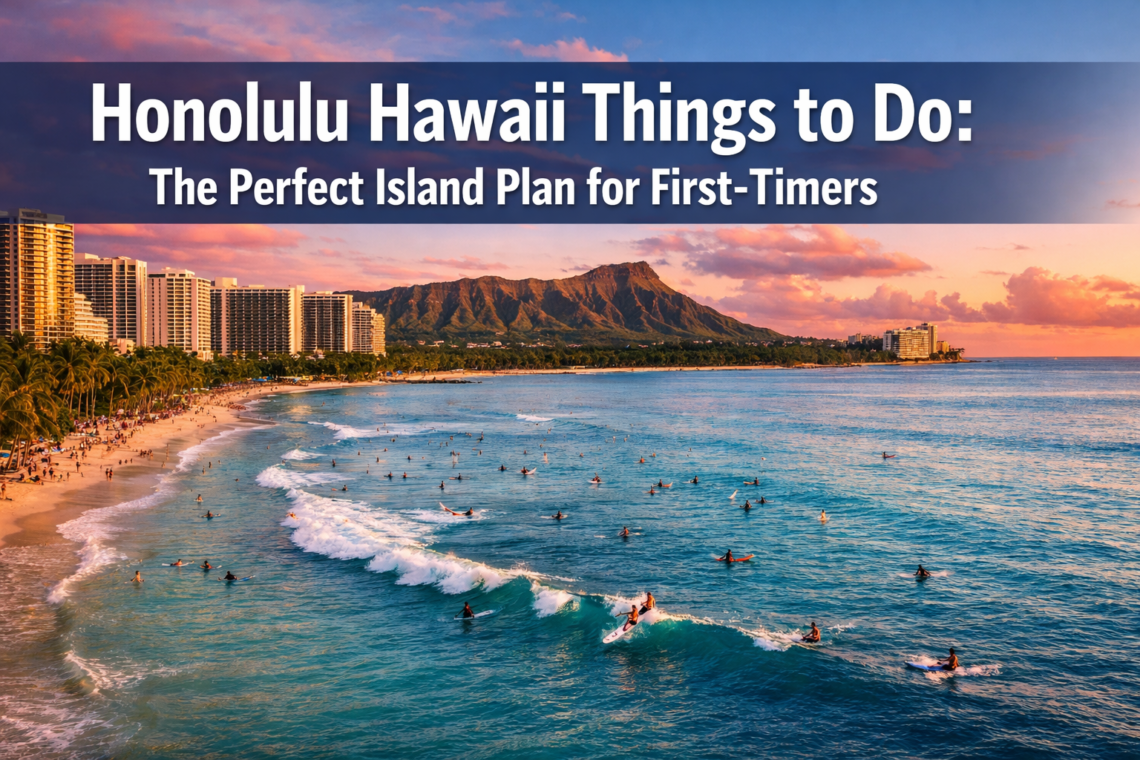
Stepping off the plane in Honolulu, I felt the warm tropical air and immediately understood why first-time visitors often feel overwhelmed by choices. With world-class beaches, historic landmarks, volcanic hikes, and vibrant cultural sites all competing for your attention, knowing where to start makes the difference between a good trip and an unforgettable one. The best Honolulu Hawaii things to do combine natural beauty with cultural depth, and this guide shows you exactly how to experience both without wasting precious vacation time.
Key Takeaways
- Plan at least five days in Honolulu to experience beaches, cultural sites, and outdoor adventures without rushing
- Stay in Waikiki for walkability and convenience, or choose Ala Moana for a quieter family-friendly base with beach access
- Visit Pearl Harbor early in your trip (book tickets weeks in advance) as it’s consistently the most meaningful experience for first-timers
- Hike Diamond Head at sunrise to avoid crowds and heat while getting the best photos of Honolulu’s coastline
- Book surf lessons at Waikiki Beach where gentle waves and experienced instructors make learning accessible for beginners
- Visit during shoulder seasons (mid-April to early June or September to mid-December) for better weather and fewer tourists
- Use public transit or rent a car for day trips to less crowded beaches like Kailua Beach Park on the windward side
Quick Answer
First-time visitors to Honolulu should prioritize Pearl Harbor for its historical significance, hike Diamond Head for panoramic island views, take a surf lesson at Waikiki Beach, and explore Hawaiian culture at Iolani Palace. Plan at least five days to balance beach time, cultural attractions, and outdoor adventures. Stay in Waikiki for convenient access to most activities, and visit during shoulder seasons for the best combination of weather and manageable crowds.
How Many Days Should You Spend in Honolulu for Your First Visit?
At least five days gives you enough time to experience Honolulu’s essential attractions without feeling rushed. This timeframe allows for beach days, cultural exploration, outdoor adventures, and at least one day trip to less-touristy areas of Oahu[2].
Here’s how to allocate your time effectively:
- Days 1-2: Cover major historical sites (Pearl Harbor, Iolani Palace) and get oriented in Waikiki
- Days 3-4: Focus on outdoor activities (Diamond Head hike, snorkeling, surf lessons) and beach relaxation
- Day 5: Take a day trip to Kailua Beach or the North Shore for a different perspective
Choose a longer stay if you want to explore multiple beaches, take cooking classes, go on sunset cruises, or simply relax without a packed schedule. Choose a shorter three-day trip only if you’re combining Honolulu with other Hawaiian islands.
The shoulder seasons from mid-April to early June and September to mid-December offer the best balance of pleasant weather and fewer crowds[1]. You’ll avoid both the peak summer rush and the winter holiday surge while still enjoying excellent beach conditions.
Where Should First-Timers Stay in Honolulu?
Waikiki is the best base for first-time visitors because most attractions, restaurants, and shops are within walking distance, and public transit connections make exploring easy[2]. This two-mile stretch of beach offers everything from budget hotels to luxury resorts.
Waikiki advantages:
- Walking distance to beaches, dining, and nightlife
- Easy access to surf lessons and water sports rentals
- Regular bus service to Diamond Head, Pearl Harbor, and downtown
- Widest range of accommodation options for all budgets
Consider Ala Moana instead if you’re traveling with family and want a quieter atmosphere. This neighborhood features Magic Island beach park (calmer waters, better for young children) and sits next to Ala Moana Center, Hawaii’s largest shopping complex[2]. You’ll still have easy public transit access to major attractions but with less tourist congestion.
Avoid staying too far from these central areas on your first visit. Neighborhoods like Hawaii Kai or the North Shore require a car and add significant travel time to reach Honolulu’s main attractions.
What Are the Must-Do Honolulu Hawaii Things to Do for History Buffs?
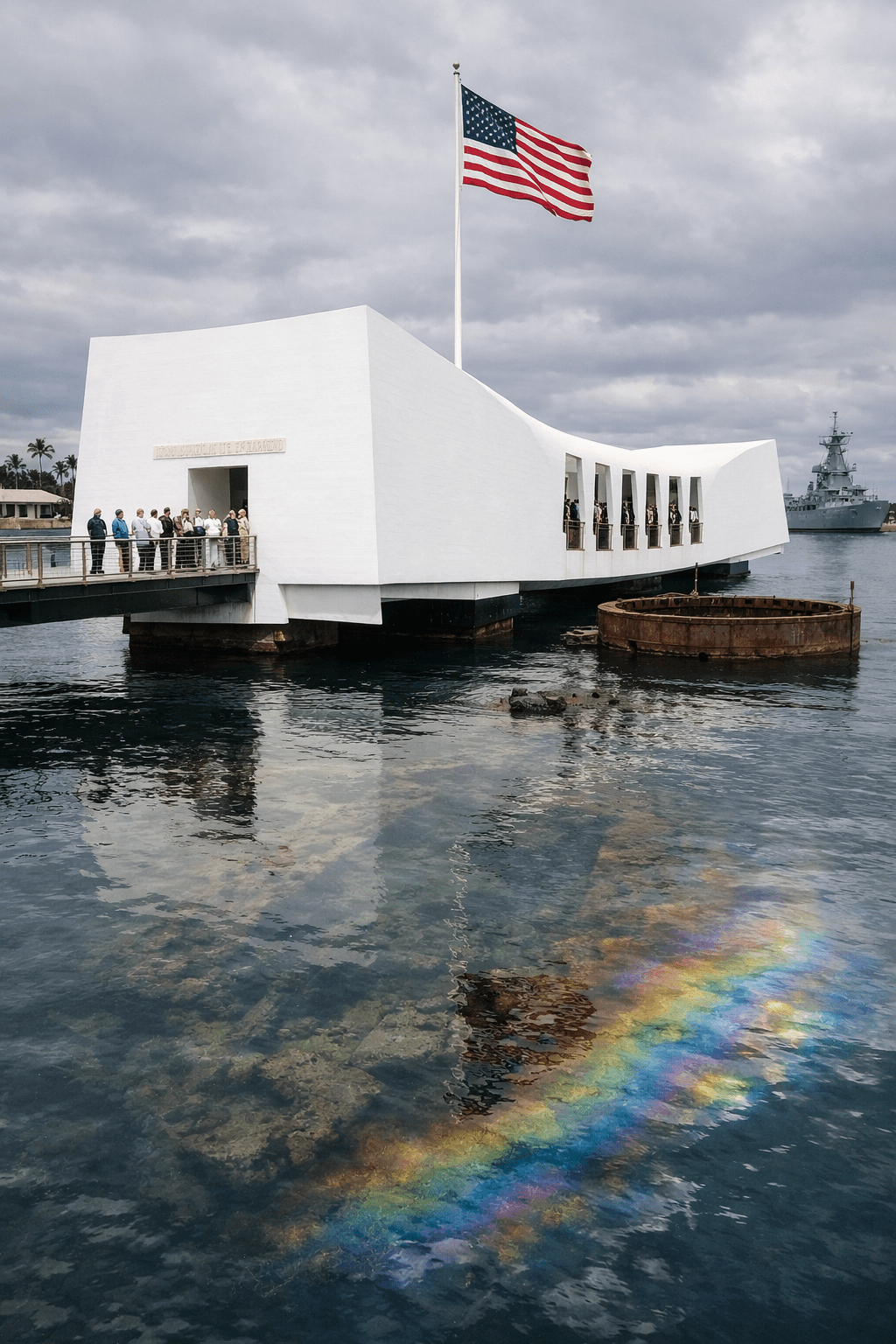
Pearl Harbor and the USS Arizona Memorial rank as the most significant historical experience in Honolulu, with over 27,000 reviews giving it a 4.7/5 rating[1]. This World War II site provides profound insight into the attack that brought America into the war.
How to visit Pearl Harbor effectively:
- Book tickets 2-3 weeks in advance through the official National Park Service website (they’re free but limited)
- Arrive by 7:00 AM to beat crowds and secure same-day standby tickets if you didn’t pre-book
- Plan 3-4 hours minimum to tour the visitor center, watch the documentary, and take the boat to the memorial
- Bring valid photo ID (required for all visitors over 18)
- Leave bags in your car or hotel as storage facilities charge fees and create delays
The memorial sits directly above the sunken USS Arizona, where you can still see oil slowly rising from the wreck. It’s a sobering, respectful experience that consistently ranks as the most meaningful activity for first-time visitors.
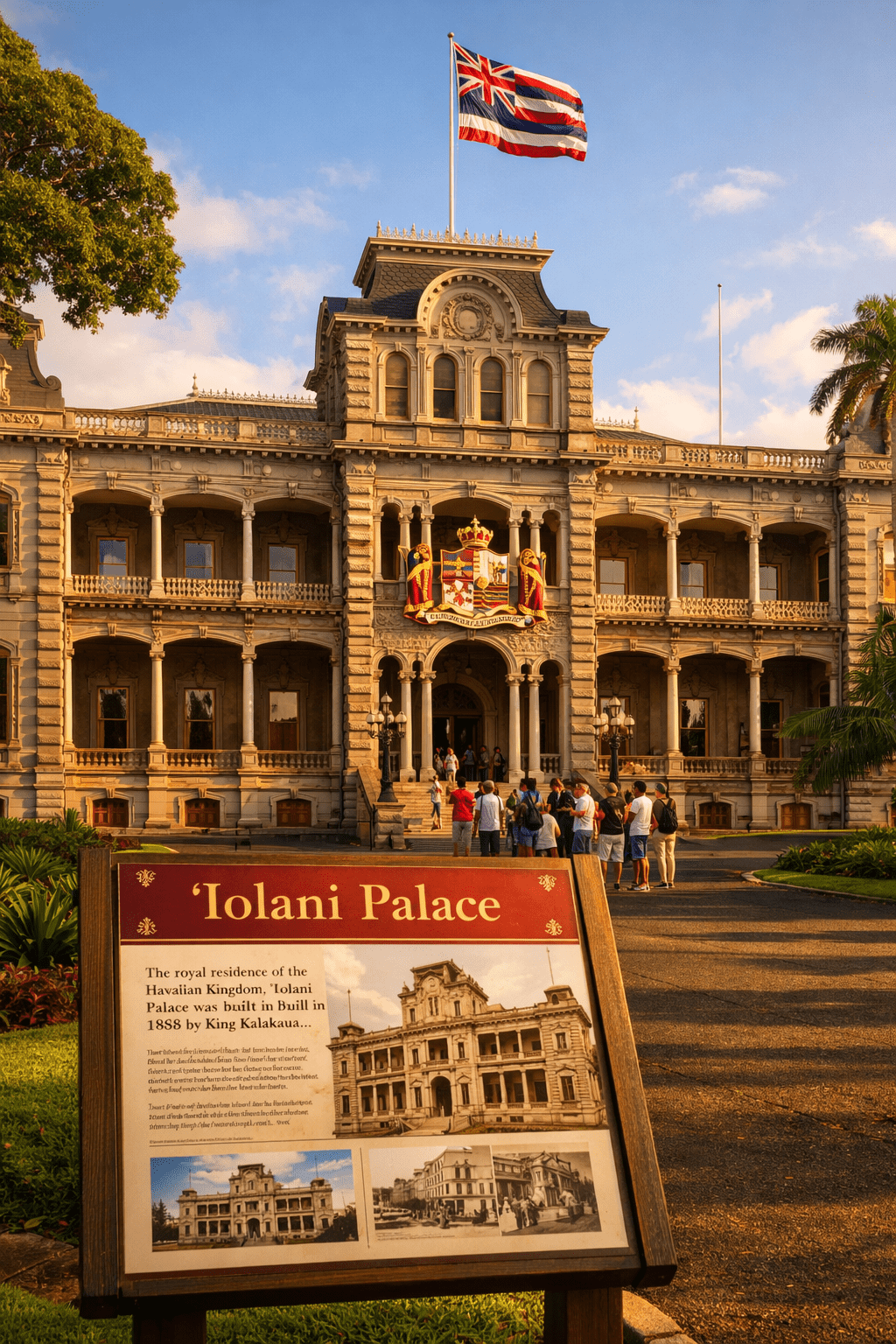
Iolani Palace offers a completely different historical perspective as the only royal palace on American soil. This beautifully restored building tells the story of Hawaii’s monarchy, which ended with Queen Liliuokalani’s overthrow in 1893. Guided tours (book ahead) provide context about Hawaiian sovereignty that most visitors never learn. The palace earned a 4.6/5 rating from thousands of reviewers[1].
Common mistake: Rushing through Pearl Harbor to fit in other activities the same morning. Give this site the time and attention it deserves.
Which Honolulu Hawaii Things to Do Offer the Best Outdoor Adventures?
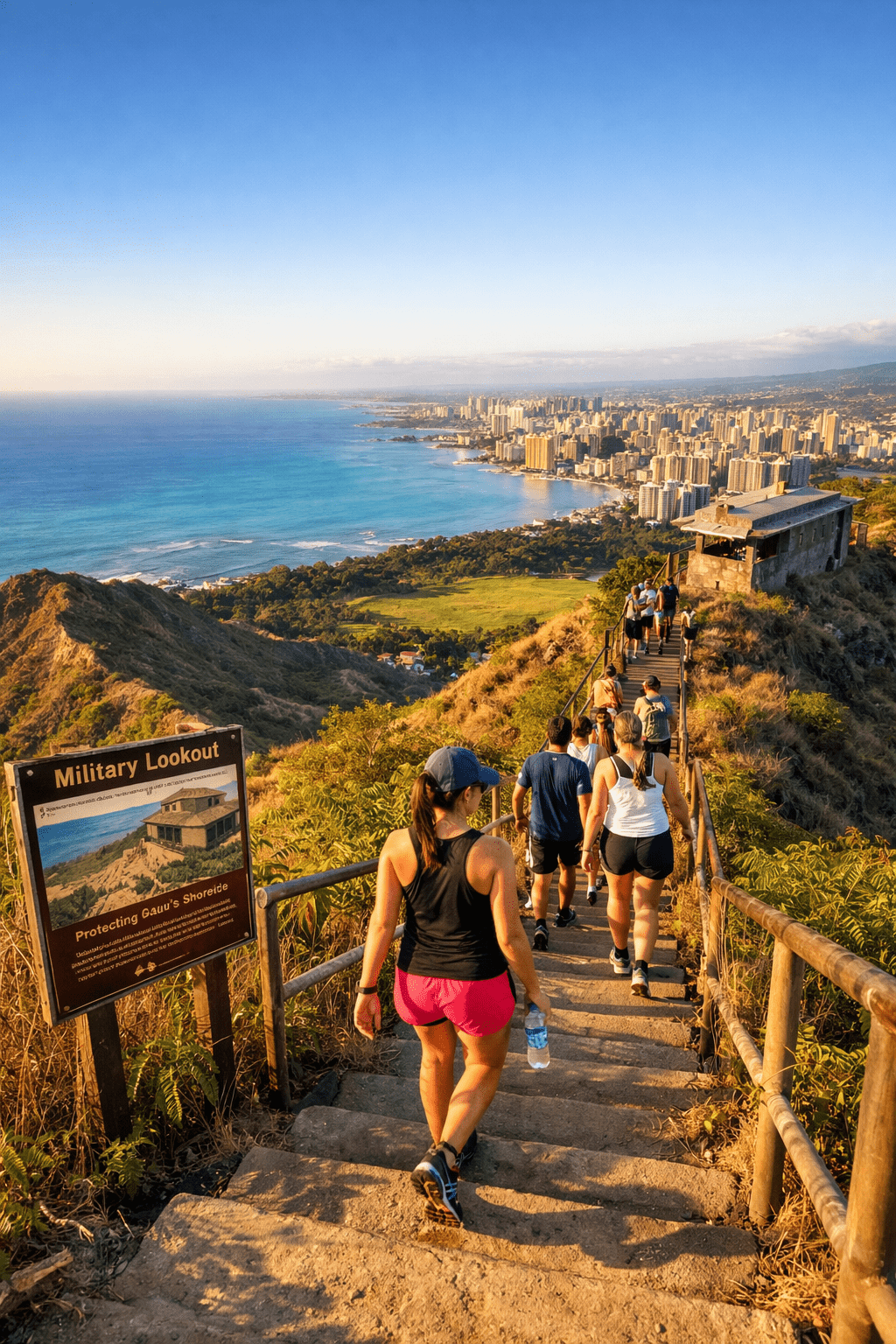
Diamond Head State Monument delivers the most rewarding hike for first-timers, combining moderate difficulty with spectacular panoramic views of Honolulu’s coastline. The 1.6-mile round-trip trail takes 1.5-2 hours and features concrete stairs, tunnels, and bunkers from the crater’s military past[1][2].
Diamond Head hiking tips:
- Start at sunrise (6:00-7:00 AM) to avoid heat, crowds, and harsh midday light for photos
- Bring plenty of water (at least one liter per person) as there’s no shade and Hawaii’s sun is intense
- Wear proper footwear with good traction for steep, uneven stairs
- Reserve parking online ($10 per vehicle) or take the bus from Waikiki (Route 23)
- Allow 2-3 hours total including drive time and photo stops at the summit
The 360-degree views from the top showcase Waikiki Beach, the Pacific Ocean, and Honolulu’s urban landscape. On clear days, you can see neighboring islands. With 24,520 reviews averaging 4.6/5 stars, this hike consistently exceeds expectations[1].
For a completely different outdoor experience, head to Hanauma Bay for world-class snorkeling in a protected marine sanctuary. You’ll swim alongside hundreds of tropical fish species and often spot green sea turtles. The bay limits daily visitors to protect the ecosystem, so arrive early or book reservations in advance.
Choose Kailua Beach Park for your day trip if you want pristine white sand and turquoise water without Waikiki’s crowds[3]. This windward coast beach offers excellent conditions for kayaking, paddleboarding, and simply relaxing. It’s a 30-minute drive from Waikiki but feels like a different world.
What Beach Activities Should First-Timers Try in Waikiki?
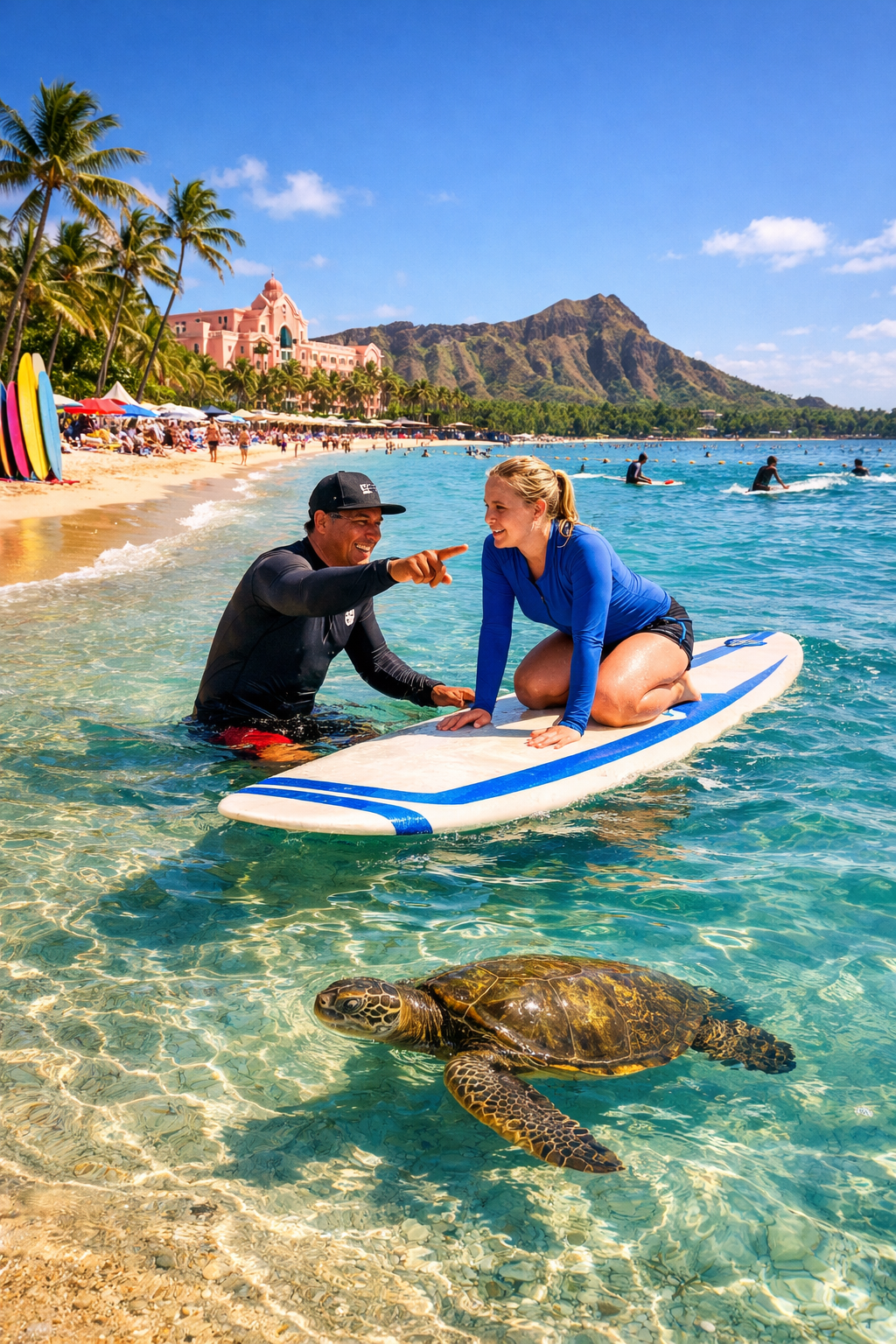
Waikiki Beach is the perfect place to take your first surf lesson because the waves are gentle, consistent, and forgiving for beginners[1]. Numerous surf schools operate directly on the beach with experienced instructors who specialize in first-timers.
What to expect from a Waikiki surf lesson:
- Duration: Most beginner lessons run 1.5-2 hours
- Group vs. private: Group lessons ($50-75) offer good value; private instruction ($150-200) provides faster learning
- Success rate: Most first-timers stand up on their board within the first hour
- Equipment included: Surfboard, rash guard, and basic instruction on ocean safety
- Best time: Early morning (7:00-9:00 AM) before wind picks up and crowds arrive
I recommend booking with established schools that have liability insurance and certified instructors. The gentle waves at Waikiki make this one of the world’s best beginner surf spots.
Beyond surfing, Waikiki offers excellent snorkeling where you can spot sea turtles, tropical fish, and occasionally dolphins. Rent gear from beach vendors ($15-20 per day) and swim out beyond the surf break to the calmer, deeper water where marine life congregates.
Stand-up paddleboarding (SUP) provides a peaceful way to explore the coastline while getting a full-body workout. Rentals run $25-35 per hour, and the calm morning waters make learning straightforward even for complete beginners.
If you’re looking for other island destinations with great beach activities, check out these cheap islands to visit for budget dream vacations.
How Can You Experience Authentic Hawaiian Culture in Honolulu?
Bishop Museum offers the most comprehensive introduction to Hawaiian and Polynesian culture, with exhibits covering natural history, traditional navigation, ancient artifacts, and contemporary Hawaiian life[1]. This isn’t a tourist trap but a legitimate research institution with world-class collections.
What makes Bishop Museum worth visiting:
- Hawaiian Hall: Three-story Victorian gallery showcasing royal artifacts, traditional clothing, and cultural practices
- Planetarium shows: Polynesian navigation techniques using stars (fascinating connection between astronomy and seafaring)
- Science Adventure Center: Interactive exhibits on Hawaii’s unique ecosystems and volcanic geology
- Cultural demonstrations: Hula performances, lei-making, and traditional craft workshops (schedule varies)
Plan 2-3 hours minimum to appreciate the museum’s depth. It’s located outside Waikiki (take bus Route 2), but the cultural insight makes the trip worthwhile.
Iolani Palace (mentioned earlier) provides crucial context about Hawaiian sovereignty and the complex relationship between native Hawaiians and American annexation. The guided tours led by knowledgeable docents go far beyond basic historical facts.
Attend a traditional luau if you want to experience Hawaiian music, hula, and cuisine in one evening. Choose carefully, as quality varies dramatically. Look for luaus that emphasize cultural education alongside entertainment, feature Hawaiian performers and musicians, and serve traditional foods like kalua pork, poi, and lomi salmon.
Common mistake: Treating Hawaiian culture as entertainment rather than learning about the history of colonization, language suppression, and ongoing sovereignty movements. Approach cultural sites with respect and genuine curiosity.
For visitors who appreciate cultural immersion in their travels, our guide to what to see in Rome Italy for first-timers offers similar depth for another historically rich destination.
What Honolulu Hawaii Things to Do Work Best for Families?
Waikiki Beach itself is the top family activity because the protected waters stay shallow for 50+ yards from shore, making it safe for children to swim and play[1]. Lifeguards patrol the beach year-round, and the gentle waves provide excitement without danger.
Family-friendly Honolulu activities by age group:
Young children (ages 3-7):
- Waikiki Aquarium (small but high-quality, focuses on Pacific marine life)
- Magic Island at Ala Moana Beach Park (calm lagoon, playground, grassy areas for picnics)[2]
- Honolulu Zoo (compact size prevents exhaustion, features tropical animals)
Older children (ages 8-14):
- Diamond Head hike (achievable for fit kids, rewarding views)
- Snorkeling at Hanauma Bay (supervised environment, abundant sea life)
- Surf lessons at Waikiki (confidence-building, memorable experience)
- Pearl Harbor (educational for history-interested kids ages 10+)
Teenagers:
- Parasailing or jet ski rentals at Waikiki
- Kailua Beach kayaking to offshore islands
- Stand-up paddleboarding
- Sunset catamaran cruises
Choose Ala Moana over Waikiki for your base if you have children under 8. The calmer beach conditions, nearby park facilities, and less congested atmosphere make family logistics easier[2]. You’re still only a 10-minute bus ride from Waikiki’s activities.
Pro tip: Many Honolulu attractions offer significant discounts for Hawaii residents and military families. Some museums have free admission days monthly. Check official websites before purchasing tickets.
Similar to planning family activities in Honolulu, our guide on fun things to do in Orlando for adults beyond Disney helps you discover age-appropriate activities in another popular destination.
How Should You Plan Day Trips from Honolulu?
Kailua Beach Park on Oahu’s windward side offers the best day trip for first-timers who want to escape Waikiki’s crowds without extensive driving[3]. This pristine beach features powdery white sand, brilliant turquoise water, and a more local atmosphere just 30 minutes from Honolulu.
Kailua Beach day trip plan:
- Leave Honolulu by 8:00 AM to secure parking (limited spaces fill quickly on weekends)
- Stop at Lanikai Pillbox hike for 20-minute sunrise views before heading to the beach
- Rent kayaks ($50-70 for double kayak) to paddle to the Mokulua Islands offshore
- Bring your own food and drinks as beach facilities are basic (public restrooms and outdoor showers only)
- Return by mid-afternoon to avoid traffic back to Honolulu
North Shore alternative (60-75 minutes from Honolulu): Visit historic Haleiwa town, watch professional surfers at Pipeline or Sunset Beach (winter months), and eat garlic shrimp from roadside trucks. This full-day trip works best if you rent a car and leave early to maximize time.
Choose a North Shore tour if you don’t want to drive yourself. Organized tours ($100-150 per person) handle transportation and typically include stops at Dole Plantation, Haleiwa, famous surf breaks, and scenic lookouts.
Common mistake: Trying to circle the entire island in one day. Oahu’s highway traffic can be brutal, and rushing past beautiful spots defeats the purpose. Focus on one region per day trip.
For more first-timer travel planning strategies, see our guide on avoiding common mistakes in New York City for first-timers.
What Food Experiences Should You Not Miss in Honolulu?
Poke (pronounced POH-kay) is Hawaii’s signature dish and tastes completely different when fresh from local fish markets compared to mainland versions. This raw fish salad typically features ahi tuna marinated in soy sauce, sesame oil, and various seasonings.
Where to find the best poke:
- Ono Seafood: Tiny takeout spot near Ala Moana with incredibly fresh fish
- Foodland supermarkets: Surprisingly excellent poke counters with dozens of varieties
- Local fish markets: Ask for daily specials and trust the fishmonger’s recommendations
Other essential Honolulu food experiences:
Plate lunch (Hawaii’s working-class meal): Two scoops rice, one scoop macaroni salad, and your choice of protein (kalua pork, teriyaki chicken, loco moco). Rainbow Drive-In near Waikiki serves authentic versions locals actually eat.
Malasadas (Portuguese donuts): Leonard’s Bakery makes these sugar-coated fried dough balls fresh throughout the day. Get them warm for the best experience.
Shave ice (not “shaved”): Matsumoto’s on the North Shore gets all the attention, but Waiola Shave Ice near Waikiki offers equally good versions with ice cream and azuki beans at the bottom.
Farmers markets: KCC Farmers Market (Saturday mornings) features local produce, prepared foods, and a chance to talk with growers about tropical fruits you’ve never seen.
Choose food trucks and local spots over resort restaurants for authentic flavors at reasonable prices. The best Hawaiian food rarely comes from places with ocean views and white tablecloths.
Dietary restrictions: Honolulu accommodates vegetarian, vegan, and gluten-free diets better than most island destinations. Many restaurants mark allergen information clearly, and Asian-influenced cuisine offers naturally plant-based options.
FAQ
How much should I budget per day in Honolulu as a first-timer?
Budget $200-300 per person daily for mid-range travel, including accommodation ($150-200), meals ($40-60), activities ($30-50), and transportation ($10-20). Budget travelers can manage on $100-150 by staying in hostels, eating plate lunches, and using public transit. Luxury travelers should plan $400+ daily.
Do I need to rent a car in Honolulu?
Not necessary if you’re staying in Waikiki and focusing on central Honolulu attractions. Public buses reach most major sites including Diamond Head and Pearl Harbor. Rent a car only for day trips to Kailua, North Shore, or if you want maximum flexibility. Parking in Waikiki costs $30-50 daily at hotels.
Is Honolulu safe for first-time visitors?
Honolulu is generally safe for tourists, with lower violent crime rates than most major U.S. cities. Use common sense: don’t leave valuables in rental cars, avoid poorly lit areas at night, and watch belongings at crowded beaches. Ocean safety is the bigger concern—always swim at lifeguarded beaches and heed warning flags.
What should I pack for Honolulu that most first-timers forget?
Reef-safe sunscreen (chemical sunscreens are banned in Hawaii to protect coral), water shoes for rocky beach entries, a lightweight rain jacket for sudden showers, and a reusable water bottle to refill instead of buying plastic. Also bring a dry bag for beach days to protect phones and cameras.
Can you swim year-round in Honolulu?
Yes, ocean temperatures range from 75-80°F year-round, comfortable for swimming in all seasons. Winter months (November-March) bring larger waves and occasional rain, while summer (May-September) offers calmer, clearer water conditions. Water is warmest August through October.
How far in advance should I book Honolulu activities?
Book Pearl Harbor tickets 2-3 weeks ahead (they’re free but limited). Reserve surf lessons, luaus, and popular snorkel tours 1-2 weeks in advance during peak seasons. Diamond Head parking can be reserved a few days ahead. Most other activities allow same-day or next-day booking.
What’s the best way to get from Honolulu airport to Waikiki?
Shared airport shuttles cost $16-20 per person and drop you at your hotel. Uber/Lyft runs $35-50 for the 25-minute trip. Public bus (Route 20) costs only $3 but takes 60-90 minutes with stops and doesn’t allow large luggage. Taxis cost similar to rideshares but less convenient.
Are there any free things to do in Honolulu?
Yes, many excellent free activities: all beaches are public, hiking Diamond Head costs only $5 parking, walking around Waikiki and watching surfers, visiting Iolani Palace grounds (exterior only), attending free hula shows at Waikiki shopping centers, and exploring Chinatown’s markets and street art.
Should first-timers visit other Hawaiian islands or just stay in Honolulu?
Stay on Oahu for your entire first trip if you have 5-7 days. Inter-island flights, additional car rentals, and packing/unpacking waste valuable vacation time. Oahu offers enough variety (beaches, culture, hiking, history) to fill a week. Save island-hopping for your second Hawaii trip when you know your preferences.
What’s the tipping culture in Honolulu restaurants and for activities?
Tip 18-20% at restaurants, $2-3 per drink at bars, $5-10 per day for hotel housekeeping, and 15-20% for tour guides and surf instructors. Some restaurants add automatic gratuity for groups of six or more. Tipping culture matches mainland U.S. standards.
How should I handle sun protection in Honolulu?
Hawaii’s sun is significantly stronger than mainland U.S. Apply reef-safe SPF 50+ sunscreen every two hours, wear a wide-brimmed hat and UV-protective sunglasses, and seek shade during peak hours (10 AM-2 PM). Even cloudy days cause sunburn. Start with shorter sun exposure and build tolerance gradually.
What’s the local etiquette first-timers should know?
Remove shoes before entering homes, say “mahalo” (thank you) and “aloha” appropriately, don’t touch or climb on cultural sites, ask permission before photographing locals, respect beach access paths through private property, and learn to pronounce Hawaiian place names correctly (every vowel is pronounced). Show genuine respect for Hawaiian culture beyond tourist stereotypes.
Conclusion
The best Honolulu Hawaii things to do for first-time visitors balance iconic experiences with authentic cultural immersion. Start with Pearl Harbor to understand Hawaii’s pivotal role in American history, hike Diamond Head for those postcard-perfect views, and take a surf lesson at Waikiki Beach where the sport was born. Dedicate time to learning about Hawaiian culture at Bishop Museum and Iolani Palace rather than just collecting beach photos.
Plan at least five days to experience Honolulu without rushing, and stay in Waikiki for maximum convenience on your first visit. Book Pearl Harbor tickets and popular activities weeks in advance, but leave room for spontaneous beach days and local food discoveries. Visit during shoulder seasons for better weather and fewer crowds.
Most importantly, approach Honolulu with curiosity about Hawaiian culture, respect for the land and ocean, and openness to experiences beyond typical tourist activities. The islands reward visitors who take time to understand their complex history and engage with local communities authentically.
Your next steps: Book your accommodation in Waikiki, reserve Pearl Harbor tickets for early in your trip, and create a flexible daily plan that balances structured activities with relaxation time. Honolulu offers something for every type of traveler, and this foundation ensures your first visit exceeds expectations.
For more first-timer travel guides that help you avoid common mistakes and discover authentic experiences, explore our complete collection of destination guides.
References
[1] Tourism G60982 Honolulu Oahu Hawaii Vacations – https://www.tripadvisor.com/Tourism-g60982-Honolulu_Oahu_Hawaii-Vacations.html
[2] Honolulu – https://www.expedia.com/Honolulu.dx1488
[3] Oahu Travel Guide – https://www.extraholidays.com/stories/oahu-travel-guide