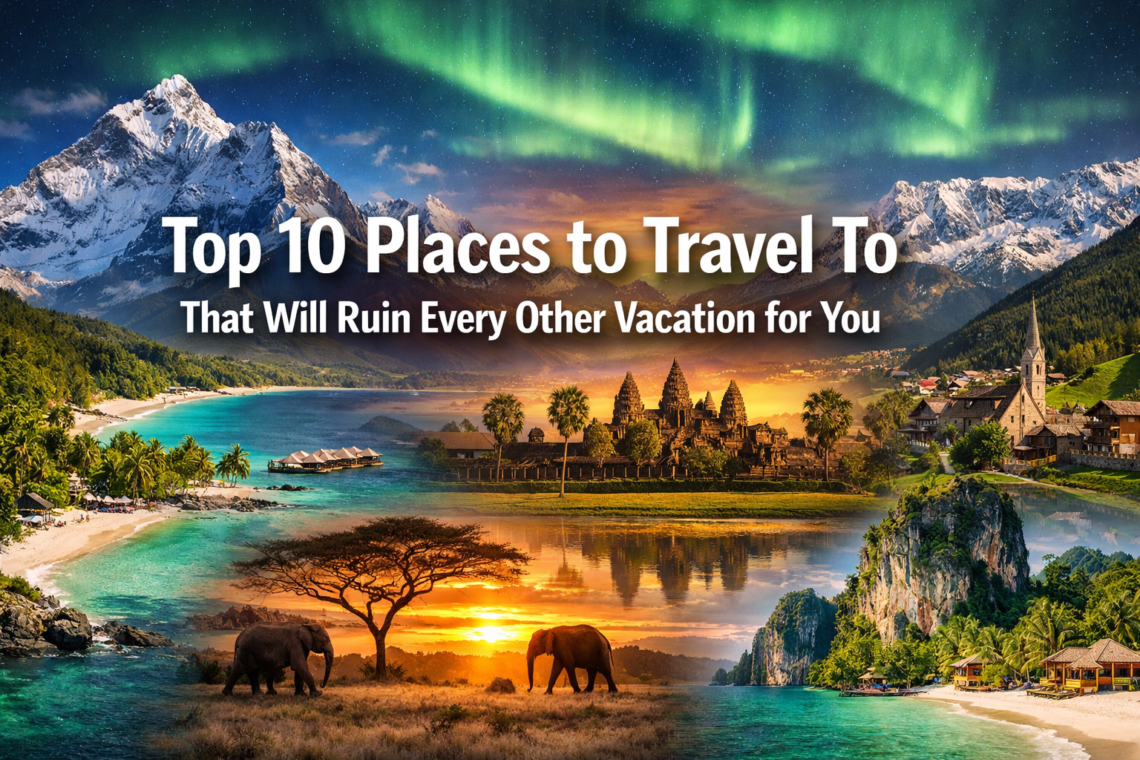
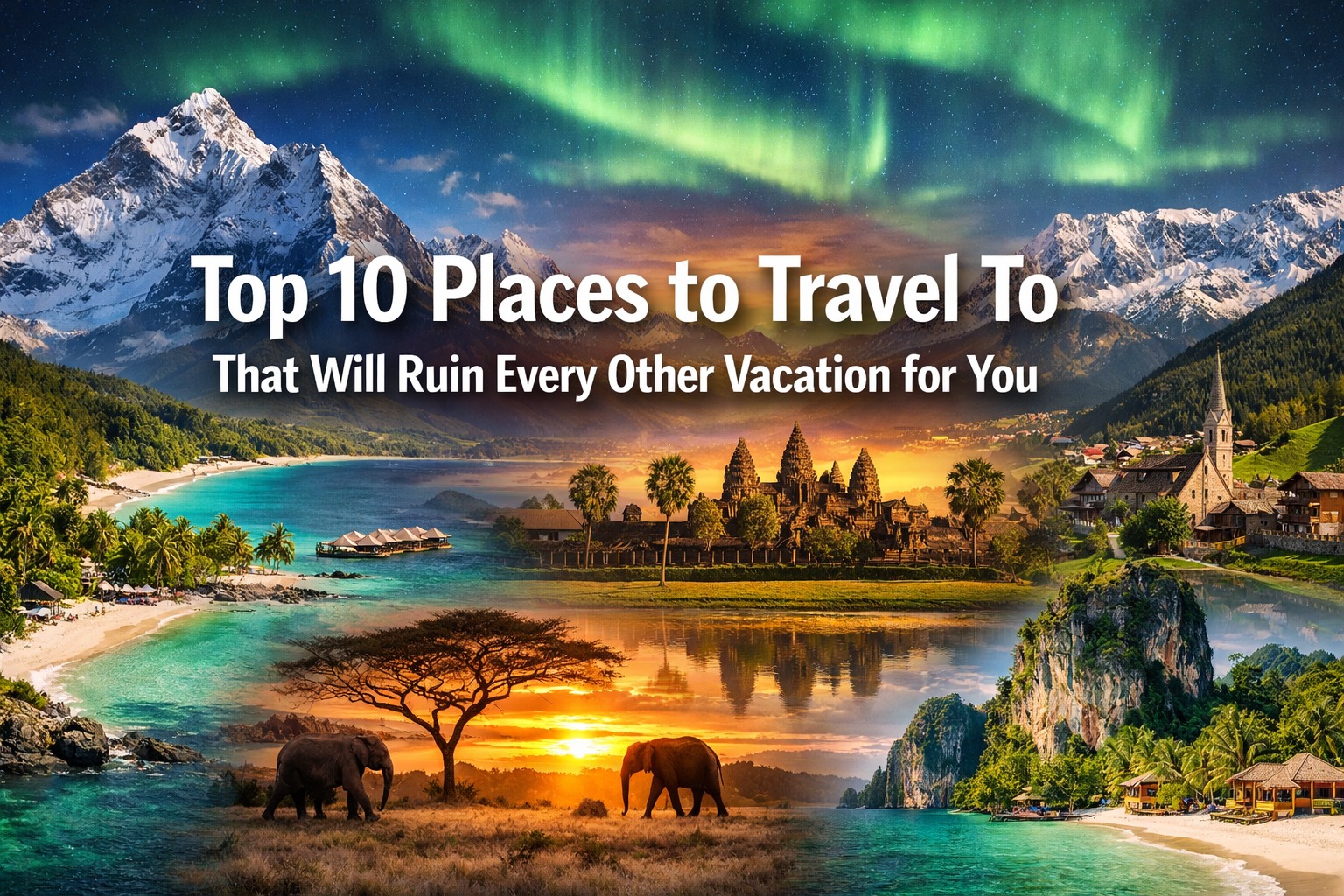
I’ll be honest with you: some destinations don’t just give you a great vacation. They completely reset your expectations for what travel should feel like. These are the places that make you come home, scroll through photos of previous trips, and think, “Well, that was nice, but it wasn’t that.”
The top 10 places to travel to on this list aren’t just beautiful or interesting. They’re the destinations that spoil you forever, the ones that make standard beach resorts feel bland and city breaks feel forgettable. I’m talking about places that combine jaw-dropping scenery, authentic cultural experiences, and those pinch-me moments that stay with you for years.
Key Takeaways
- Transformative destinations offer more than pretty views—they combine dramatic landscapes, authentic culture, and experiences that fundamentally change how you think about travel
- Safari experiences in Botswana and Himalayan treks in Nepal consistently rank as life-altering adventures that make standard vacations feel ordinary
- Emerging destinations like Okinawa, Japan and Big Sky, Montana are gaining recognition for delivering world-class experiences without overwhelming crowds
- The best destinations balance accessibility with authenticity, offering both comfort and genuine cultural immersion
- Timing matters—visiting places like British Columbia in 2026 (FIFA World Cup host) or exploring less-crowded alternatives can enhance your experience significantly
Quick Answer
The top 10 places to travel to that will ruin every other vacation include Botswana (for safaris that redefine wildlife experiences), Nepal (for Himalayan treks that transform your concept of adventure), Okinawa, Japan (for pristine beaches meeting deep culture), Big Sky, Montana (for untouched American wilderness), and British Columbia, Canada (for diverse outdoor adventures). These destinations combine dramatic natural beauty, authentic cultural experiences, and transformative moments that make standard vacations feel disappointing by comparison.
What Makes These Top 10 Places to Travel To So Different?
These destinations share specific qualities that separate them from typical vacation spots. They offer experiences you can’t replicate elsewhere, landscapes that photographs barely capture, and cultural authenticity that goes beyond tourist performances.
The common threads include:
- Earned experiences that require effort but deliver profound rewards (trekking to mountain viewpoints, multi-day safaris, cultural immersion that takes time)
- Dramatic natural settings that exist on a scale most people haven’t witnessed—think endless savannas, Himalayan peaks, or pristine wilderness
- Cultural depth that goes beyond surface-level tourism, offering genuine connections with local traditions, food, and ways of life
- Limited crowds in many cases, allowing you to experience places before mass tourism changes them
- Multiple sensory experiences that engage you completely—not just sights, but sounds, tastes, and moments of profound quiet or excitement
Choose destinations from this list if you’re ready to invest more than just money. These places often require longer travel times, more planning, and sometimes physical effort. But that investment is exactly what makes them unforgettable.
The common mistake? Expecting these destinations to be relaxing beach vacations. They’re not. They’re transformative experiences that might include beaches, but the real value comes from pushing beyond your comfort zone.
Why Does Botswana Top Every Safari Destination List?
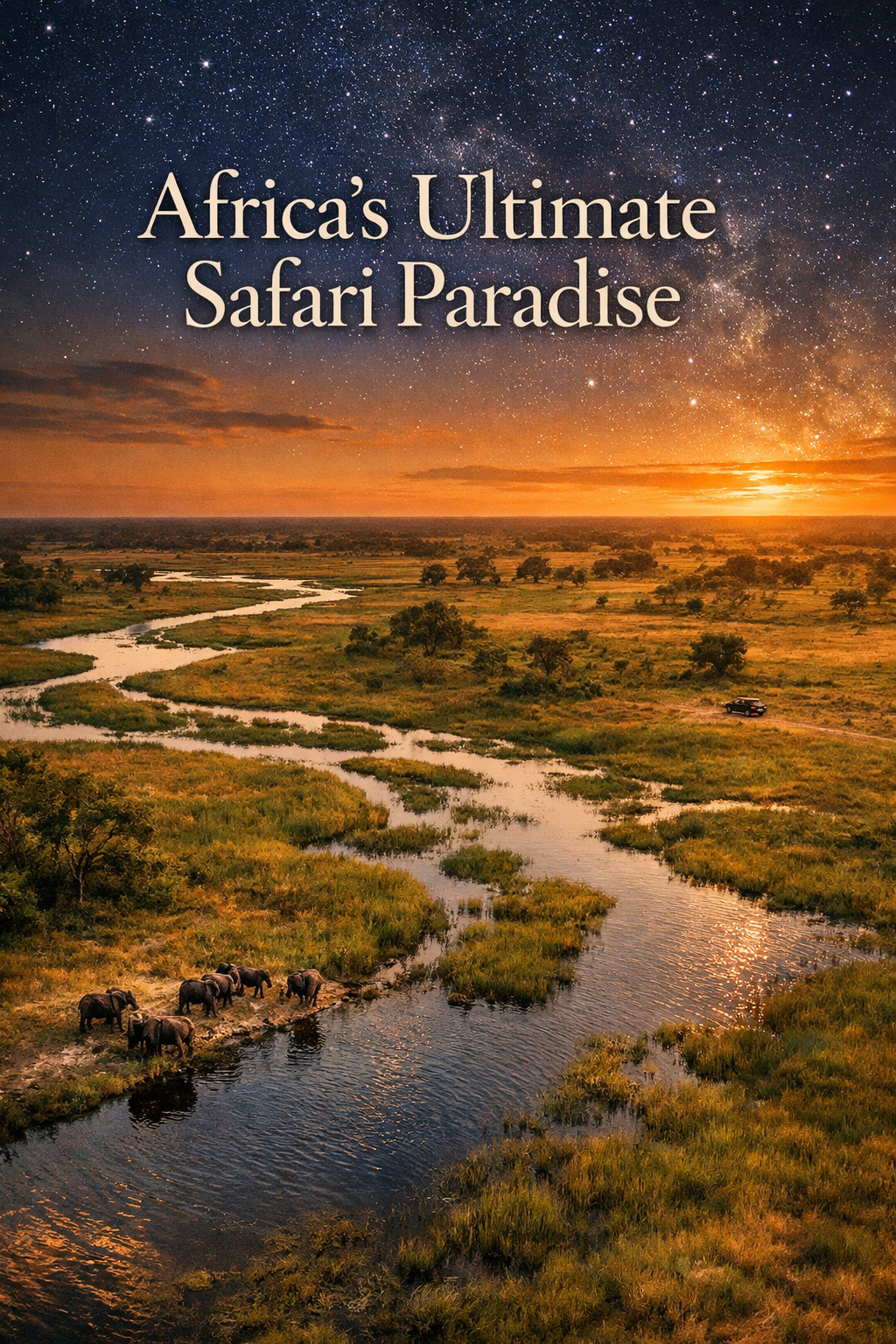
Botswana delivers safari experiences that make other wildlife destinations feel like zoo visits. The country combines the Okavango Delta’s waterways with the Kalahari Desert’s stark beauty, creating landscapes that span from lush wetlands to endless horizons.[2][3]
What sets Botswana apart:
- Low-volume, high-value tourism model that limits visitor numbers, ensuring you’re not sharing sightings with dozens of other vehicles
- Exceptional wildlife density with all Big Five animals plus wild dogs, cheetahs, and massive elephant populations
- Stargazing opportunities with minimal light pollution, offering night skies that urban dwellers have never experienced[3]
- Water-based safaris in the Okavango Delta that provide unique perspectives on wildlife through mokoro (traditional canoe) excursions
- Professional guiding standards that emphasize education and conservation, not just photo opportunities
The delta floods seasonally, creating a massive inland oasis that attracts wildlife from across southern Africa. You’ll watch elephants swimming between islands, lions hunting in chest-deep water, and hippos emerging at sunset—scenes that feel prehistoric and utterly removed from modern life.
Choose Botswana if you want the safari experience that ruins all others, you can invest in a higher-budget trip (Botswana deliberately prices to limit numbers), and you’re ready for rustic luxury in remote camps. Skip it if you need extensive infrastructure, want budget safaris with guaranteed sightings, or prefer destinations with multiple non-wildlife activities.
For context on planning transformative trips, check out our guide on finding cheap flights to maximize your budget for on-ground experiences.
How Do Himalayan Treks in Nepal Transform Your Concept of Adventure?
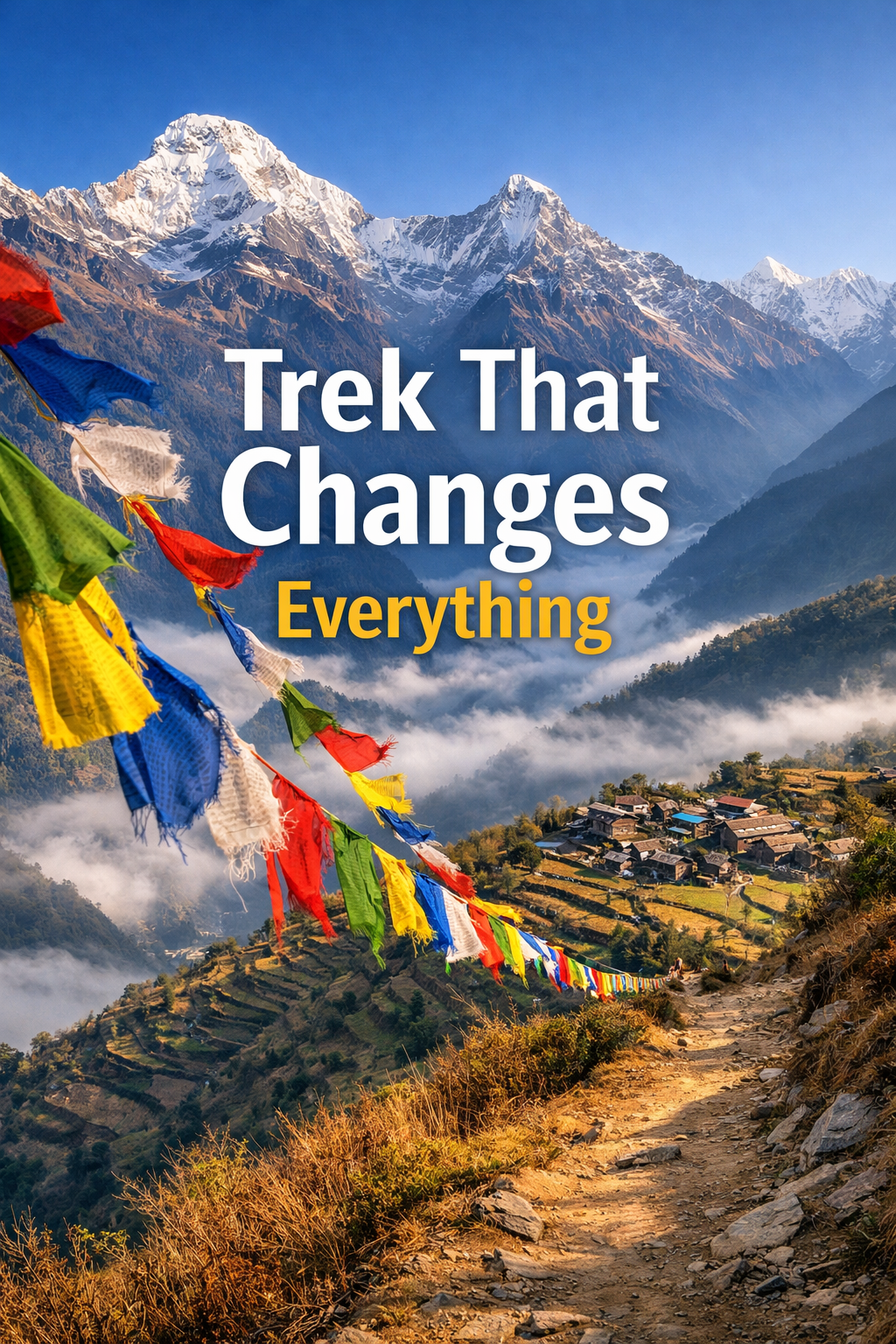
Nepal offers trekking experiences that “completely reframe what adventure means,” according to travel experts who consistently rank it among life-changing destinations.[3] The Himalayas provide a scale of natural beauty that most travelers have never encountered.
Why Nepal treks are transformative:
- Earned views that require days of hiking, making each sunrise over 8,000-meter peaks feel personally achieved
- Cultural immersion through teahouse stays in remote villages where Sherpa and Gurung communities maintain traditional lifestyles
- Physical challenge that pushes most people beyond their perceived limits, creating genuine personal growth
- Spiritual atmosphere in Buddhist monasteries and prayer flag-lined trails that encourage reflection
- Accessibility across skill levels—from Everest Base Camp treks to gentler Annapurna foothills routes
The Annapurna Circuit and Everest Base Camp treks remain the most popular, but lesser-known routes like Manaslu or Upper Mustang offer similar beauty with fewer trekkers. You’ll walk for 6-8 hours daily, sleep in basic lodges, and gradually watch the landscape transform from terraced farms to alpine meadows to barren high-altitude terrain.
Common mistake: Underestimating altitude. Acute mountain sickness affects many trekkers who ascend too quickly. Proper acclimatization schedules are non-negotiable.
Choose Nepal if you’re reasonably fit, comfortable with basic accommodations, and seeking an experience that combines physical achievement with cultural depth. Skip it if you need luxury amenities, can’t commit 10-14 days minimum, or have serious altitude concerns.
What Makes Okinawa, Japan a Hidden Paradise That Outshines Traditional Japanese Destinations?
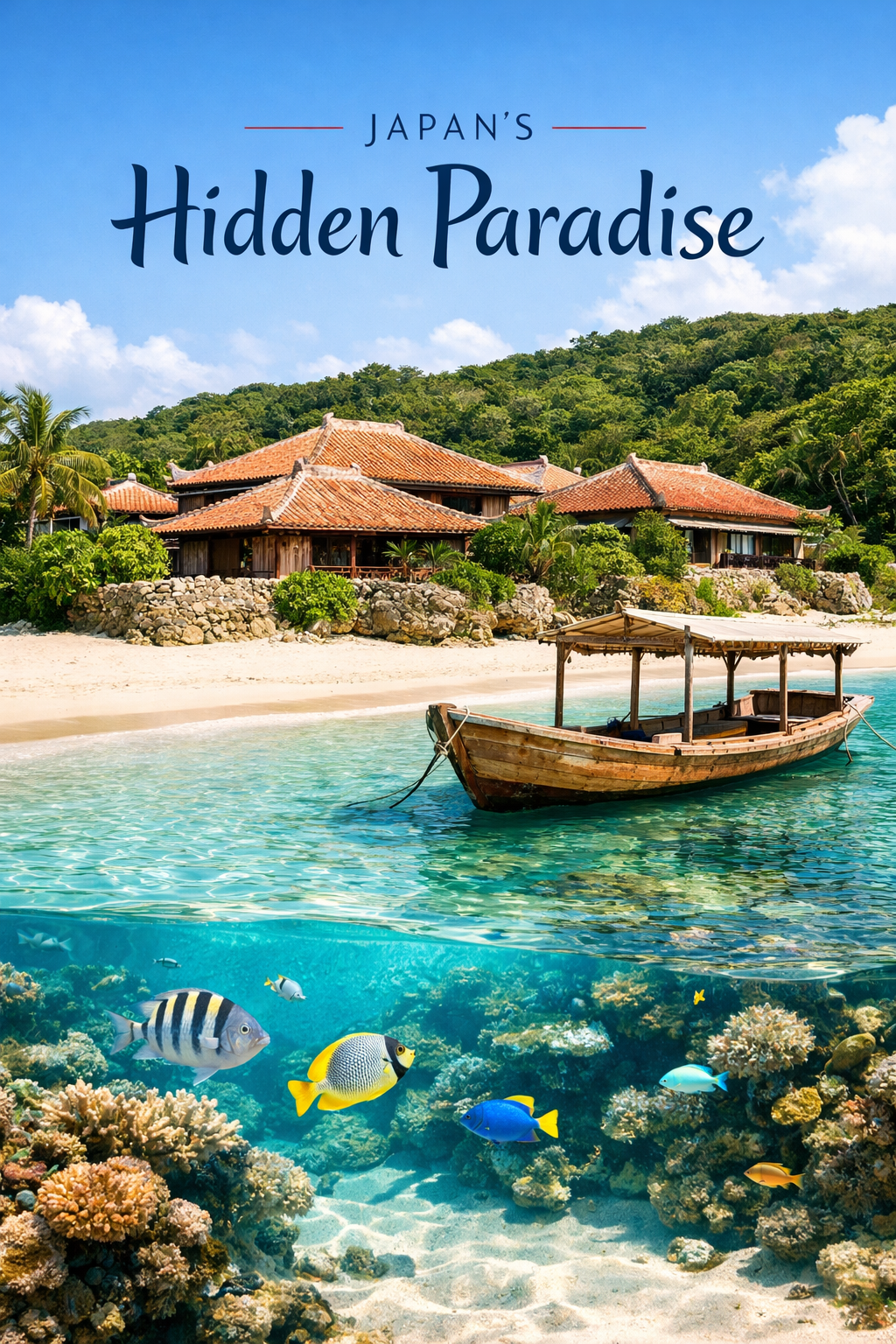
Okinawa earns recognition across multiple authoritative travel sources, with a 71% recommendation score from travelers and consistent mentions as a trending 2026 destination.[1][4] This subtropical island chain offers a completely different Japan than Tokyo or Kyoto.
Okinawa’s unique appeal includes:
- Pristine beaches with turquoise waters and coral reefs that rival Southeast Asian islands
- Distinct Ryukyu culture separate from mainland Japan, with unique cuisine, language, and traditions
- Longevity culture in the “Blue Zone” where residents live exceptionally long, healthy lives—offering insights into diet and lifestyle
- World War II history at sites like the Peace Memorial Park that provide sobering historical context
- Relaxed pace that contrasts sharply with Japan’s fast-paced cities
The islands combine Japanese organization and safety with tropical island vibes. You’ll snorkel pristine reefs in the morning, visit 500-year-old castles in the afternoon, and eat the world’s healthiest cuisine (Okinawan diet) in the evening. The local specialty, goya champuru (bitter melon stir-fry), tastes nothing like typical Japanese food.
Choose Okinawa if you want Japan’s culture and safety with beach paradise scenery, you’re interested in health and longevity practices, or you’ve already seen mainland Japan and want something different. Skip it if you’re seeking big-city energy, traditional temples and geishas, or don’t have time for island-hopping.
Similar to how Santorini offers a unique Greek experience, Okinawa provides a Japan that surprises visitors expecting the standard experience.
Why Is Big Sky, Montana Ranked as America’s Top Transformative Destination?
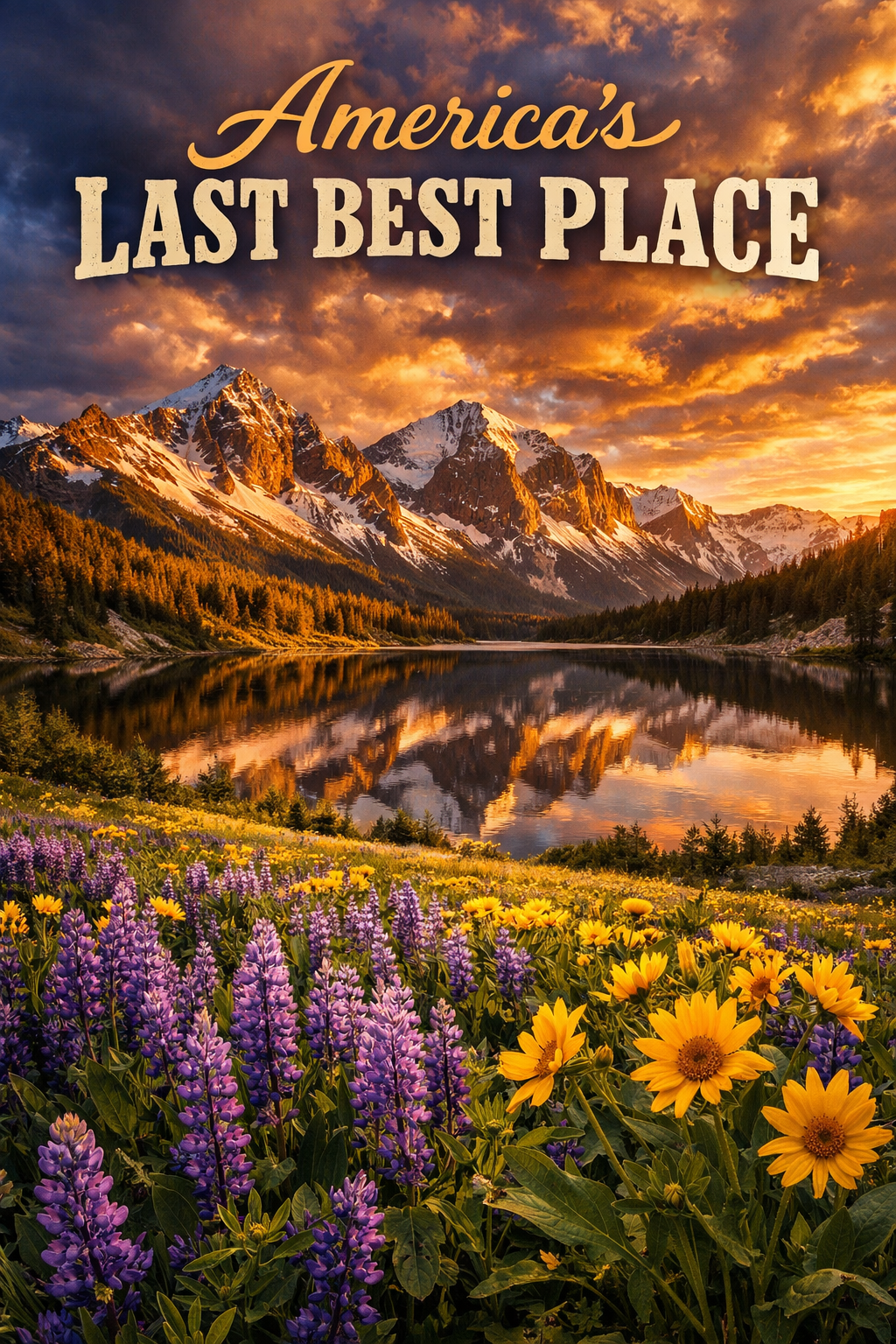
Big Sky, Montana leads U.S. rankings with a 92% recommendation score, positioning it as the top North American destination for 2026.[1] This isn’t just another ski town—it’s a gateway to wilderness that most Americans don’t know still exists.
What makes Big Sky exceptional:
- Uncrowded skiing at North America’s largest ski resort (5,850 acres) with minimal lift lines even during peak season
- Yellowstone proximity offering easy access to geysers, wildlife, and geological wonders
- Summer transformation into a hiking, fly-fishing, and mountain biking paradise
- Dark sky viewing with exceptional stargazing due to minimal light pollution
- Authentic Western culture without the manufactured tourist-town feel
The landscape combines alpine peaks, vast meadows, rushing rivers, and endless sky. You’ll see more elk than people on many trails, fish in rivers where grizzlies hunt, and experience the American West as it existed before development.
Edge case: Winter visits offer world-class skiing but require comfort with cold (temperatures can drop below -20°F). Summer visits (June-September) provide milder weather but shorter seasons due to snow.
Choose Big Sky if you want American wilderness without crowds, you enjoy outdoor activities across seasons, or you’re seeking a base for Yellowstone exploration. Skip it if you need nightlife and dining variety, prefer beach destinations, or aren’t comfortable in remote settings.
How Does British Columbia Combine Multiple Bucket-List Experiences?
British Columbia offers seven national parks, North America’s largest ski resort (Whistler), and will host the 2026 FIFA World Cup in Vancouver—creating exceptional timing for visits.[2][3] The province packs incredible diversity into one destination.
British Columbia’s range includes:
- Coastal rainforests in the Great Bear Rainforest with rare white spirit bears
- World-class skiing at Whistler-Blackcomb (8,171 acres of terrain)
- Urban sophistication in Vancouver, consistently ranked among the world’s most livable cities
- Indigenous cultural experiences with First Nations communities sharing traditions and art
- Marine wildlife including orcas, humpback whales, and sea lions on boat tours
You can ski in the morning, kayak with orcas in the afternoon, and eat world-class sushi in Vancouver by evening. The Sea-to-Sky Highway connecting Vancouver to Whistler ranks among the world’s most scenic drives, with ocean views transitioning to mountain peaks.
Choose British Columbia if you want multiple experiences in one trip, you’re visiting during the 2026 World Cup, or you need a destination that satisfies diverse travel companions. Skip it if you’re on a tight budget (it’s expensive), prefer warm weather year-round, or want a single-focus destination.
For more Canadian inspiration, our romantic cabin getaway ideas include several BC options.
What Southeast Asian Destinations Deliver Authentic Cultural Immersion?
Southeast Asia experiences renewed momentum with Vietnam, Cambodia (Siem Reap), and Thailand (Phuket) consistently featured across 2026 travel guides for their combination of authentic culture, dramatic landscapes, and exceptional food.[2][3]
Why these destinations keep winning:
Vietnam:
- Ha Long Bay’s karst formations creating otherworldly seascapes
- Hanoi’s old quarter preserving authentic street food culture
- Mekong Delta’s floating markets showing traditional commerce
- Budget-friendly travel with luxury experiences at fraction of Western costs
Cambodia:
- Angkor Wat temple complex offering sunrise experiences over 12th-century ruins
- Tonle Sap floating villages demonstrating unique water-based lifestyles
- Emerging food scene in Siem Reap and Phnom Penh
- Warm hospitality despite difficult recent history
Thailand (beyond Bangkok):
- Phuket’s beaches ranging from party scenes to quiet coves
- Island-hopping opportunities to Phi Phi, Krabi, and lesser-known islands
- Thai massage and wellness at authentic, affordable prices
- Street food culture that’s both delicious and safe
Common mistake: Rushing through these countries. Each deserves 10-14 days minimum to experience properly. Choose one country and go deep rather than surface-level multi-country tours.
Choose Southeast Asia if you want cultural immersion with comfort, you’re interested in food as a travel focus, or you need budget-friendly destinations that still deliver wow moments. Skip if you can’t handle heat and humidity, need Western comfort standards everywhere, or prefer less-crowded destinations.
Similar to Lisbon’s authentic charm, these Southeast Asian cities offer genuine cultural experiences without feeling overly touristy.
Why Are Emerging Destinations Like Georgia and Kyrgyzstan Gaining Attention?
Travel experts increasingly highlight Georgia, Kyrgyzstan, Guatemala, and Oman as destinations offering authentic, less-crowded experiences with dramatic landscapes and cultural depth.[3] These places deliver what popular destinations offered 20 years ago—before mass tourism.
What makes emerging destinations special:
Georgia (the country):
- Ancient wine culture with 8,000-year history and unique qvevri fermentation method
- Caucasus Mountains offering trekking comparable to Alps without crowds
- Tbilisi’s architecture blending Persian, Byzantine, and Soviet influences
- Legendary hospitality with supra (feast) traditions welcoming strangers
Kyrgyzstan:
- Central Asian nomadic culture with yurt stays and horseback treks
- Issyk-Kul Lake surrounded by snow-capped peaks
- Silk Road history at ancient caravanserais
- Extremely budget-friendly travel costs
Oman:
- Middle East before mass tourism with warm hospitality and safety[3]
- Dramatic landscapes from mountain villages to endless sand dunes
- Authentic souqs selling frankincense and traditional crafts
- Wadis (desert oases) offering swimming holes in canyon settings
Choose emerging destinations if you want to explore before crowds arrive, you’re comfortable with less tourism infrastructure, and you value authentic experiences over luxury amenities. Skip if you need extensive English spoken everywhere, want guaranteed smooth logistics, or prefer destinations with established travel communities.
Which Mediterranean and European Destinations Still Surprise Seasoned Travelers?
European coastal and alpine destinations see strong interest, including Sardinia, Italy (63% recommendation score), Finland, France’s Savoie region, and Ireland’s coastal areas.[1][2][3]
Why these European options stand out:
Sardinia, Italy:
- Caribbean-quality beaches without leaving Europe
- Nuragic archaeological sites predating Roman civilization
- Distinct culture separate from mainland Italy
- Excellent hiking in Gennargentu mountains
Finland:
- Forest and lake landscapes covering 70% of the country
- Helsinki’s design scene showcasing Nordic aesthetics
- Northern Lights viewing in Lapland
- Sauna culture as authentic social experience
Ireland (Killarney region):
- Lake and mountain scenery in Killarney National Park
- Welcoming locals making solo travelers feel comfortable
- Relative ease of travel for first-time international visitors[3]
- Coastal cliffs along the Ring of Kerry
These destinations work well if you want transformative experiences with shorter flights from North America or within Europe, you prefer cooler climates, or you’re building multi-country European itineraries.
For Mediterranean travel inspiration, see our South of France itinerary and Mykonos guide.
How Do Middle Eastern Destinations Balance Luxury and Adventure?
The UAE and Oman offer contrasting Middle Eastern experiences—the UAE with futuristic cities blended with desert experiences, and Oman positioned as “the Middle East before mass tourism.”[3][4]
UAE (Dubai/Abu Dhabi):
- Architectural marvels like Burj Khalifa and Sheikh Zayed Mosque
- Desert experiences including dune bashing and Bedouin-style camps
- Safety and infrastructure making it accessible for first-time Middle East visitors
- Luxury shopping and dining at world-class levels
- Cultural fusion blending Emirati traditions with international influences
Oman:
- Mountain villages like Misfat Al Abriyeen clinging to cliffsides
- Wahiba Sands desert offering authentic Bedouin experiences
- Muscat’s souqs selling frankincense, silver, and traditional goods
- Warm hospitality with genuine cultural exchanges
- Dramatic wadis providing swimming and hiking in desert canyons
Choose the UAE if you want luxury with adventure, you’re traveling with family needing extensive amenities, or you want Middle Eastern culture with Western comfort levels. Choose Oman if you want authentic experiences, you’re comfortable with less infrastructure, and you prefer natural beauty over urban spectacle.
What Caribbean and Pacific Alternatives Offer Unique Experiences?
Kauai, Hawaii combines dramatic cliffs, jungle hikes, and small-town accessibility, while emerging interest grows in French Polynesia, Belize, and Panama destinations.[4][6]
Kauai, Hawaii:
- Na Pali Coast cliffs accessible by boat, helicopter, or challenging hike
- Waimea Canyon (“Grand Canyon of the Pacific”)
- Relaxed vibe compared to Oahu or Maui
- Excellent hiking from easy beach walks to strenuous ridge trails
Belize:
- Great Blue Hole for world-class diving
- Mayan ruins at Caracol and Xunantunich
- Barrier reef snorkeling second only to Australia
- Jungle lodges offering wildlife and adventure
Our Belize vacation itinerary shows how to balance beach time with jungle adventures.
French Polynesia:
- Overwater bungalows in their original setting
- Turquoise lagoons with visibility exceeding 100 feet
- Polynesian culture with traditional dance and navigation practices
- Island variety from Tahiti’s mountains to Bora Bora’s luxury
Choose these destinations if you want tropical beauty with unique characteristics beyond standard Caribbean resorts, you can handle higher costs (especially French Polynesia), or you’re seeking specific activities like diving or hiking in tropical settings.
Frequently Asked Questions
What makes a destination transformative rather than just enjoyable?
Transformative destinations combine dramatic natural settings, authentic cultural experiences, and moments that push you beyond your comfort zone. They require effort—whether physical (trekking), mental (navigating different cultures), or temporal (investing enough time to go deep). Standard enjoyable vacations relax you; transformative ones change how you see the world.
How much should I budget for these top-tier destinations?
Budget varies dramatically. Southeast Asian destinations like Vietnam or Cambodia run $50-100 daily for mid-range travel. Botswana safaris start around $500-800 per person daily for quality camps. Nepal treks cost $30-50 daily for teahouse routes. European destinations like Sardinia or Finland run $150-250 daily. French Polynesia and luxury African safaris can exceed $1,000 daily. Plan for longer stays in budget destinations, shorter trips to expensive ones.
When is the best time to visit these destinations?
Timing matters significantly. Botswana’s dry season (May-October) offers best wildlife viewing. Nepal’s pre-monsoon (March-May) and post-monsoon (September-November) provide clear mountain views. Okinawa peaks April-October for beaches. Big Sky shines December-March for skiing, June-September for hiking. British Columbia works year-round but peaks in summer and ski season. Research shoulder seasons for better prices and fewer crowds.
Can I visit these destinations with children?
Some work well for families, others don’t. Big Sky, British Columbia, Okinawa, and the UAE accommodate families easily. Nepal treks, Botswana safaris, and emerging destinations like Kyrgyzstan require older children (12+) comfortable with basic conditions and physical activity. Consider children’s ages, stamina, and adaptability before booking.
How far in advance should I plan these trips?
Botswana safaris and Galapagos trips need 6-12 months advance booking for best camps and permits. Nepal treks require 2-3 months for permits and lodge reservations during peak seasons. Most other destinations work with 2-4 months advance planning, though booking flights early saves money. Emerging destinations often allow more spontaneity.
Do I need special physical fitness for these destinations?
Nepal treks demand good cardiovascular fitness and ability to walk 5-8 hours daily at altitude. Botswana safaris require minimal fitness—you’re mostly sitting in vehicles. Big Sky and British Columbia need moderate fitness for hiking and skiing. Most other destinations accommodate various fitness levels with activity choices. Be honest about your capabilities and choose accordingly.
Are these destinations safe for solo travelers?
Safety varies but most rank well. Japan (including Okinawa), Ireland, Finland, and the UAE offer exceptional solo travel safety. Nepal’s trekking routes are well-traveled and safe with standard precautions. Botswana safari camps provide secure environments. Southeast Asian destinations are generally safe with normal awareness. Research specific regions and current conditions before booking.
How do I choose between multiple amazing destinations?
Match destinations to your priorities. Want wildlife? Choose Botswana. Seeking physical challenge and mountain beauty? Pick Nepal. Need beaches with culture? Try Okinawa or Belize. Prefer European accessibility? Consider Sardinia or Ireland. Want emerging destinations before crowds? Explore Georgia or Kyrgyzstan. List your top three travel priorities and match them to destination strengths.
Can I combine multiple destinations in one trip?
Some combinations work well: Nepal and Thailand, UAE and Oman, multiple Southeast Asian countries, or European destinations. Avoid over-packing your itinerary—these transformative destinations need time. Better to spend 10 days fully experiencing one place than rushing through three. If combining, limit to two destinations maximum and allow at least 7-10 days per location.
What’s the biggest mistake people make visiting these destinations?
Treating them like standard vacations. These places reward preparation, flexibility, and willingness to embrace discomfort. Common mistakes include insufficient time (rushing), wrong season visits, inadequate physical preparation for active destinations, and expecting Western amenities everywhere. Research thoroughly, pack appropriately, and arrive with open expectations.
How do I find authentic experiences versus tourist traps?
Book local guides rather than large tour operators, stay in locally-owned accommodations, eat where locals eat, learn basic local language phrases, and spend time in one place rather than rushing. Ask accommodation hosts for recommendations. Avoid areas where every sign is in English and every restaurant has picture menus. Authentic experiences require effort to find but deliver far more value.
Will these destinations actually ruin other vacations for me?
Probably, yes—but in a good way. They raise your standards for what travel can deliver. You’ll still enjoy relaxing beach resorts or city breaks, but you’ll recognize them as different categories of travel. These transformative destinations show you what’s possible when you invest more effort, time, and openness. That awareness doesn’t ruin future trips; it helps you choose them more intentionally.
Key Takeaways
- Botswana delivers safari experiences that combine the Okavango Delta’s waterways with exceptional wildlife density and minimal crowds, setting a standard other African destinations struggle to match
- Nepal’s Himalayan treks offer earned achievements through multi-day hikes that combine physical challenge, cultural immersion in mountain villages, and landscapes on a scale most travelers have never witnessed
- Okinawa provides a completely different Japan with pristine subtropical beaches, distinct Ryukyu culture, and longevity practices in a Blue Zone setting that contrasts sharply with mainland expectations
- Big Sky, Montana leads U.S. rankings with a 92% recommendation score, offering uncrowded skiing, Yellowstone access, and authentic Western wilderness experiences
- British Columbia combines multiple bucket-list items including seven national parks, Whistler skiing, Vancouver’s urban sophistication, and 2026 FIFA World Cup timing
- Southeast Asian destinations like Vietnam, Cambodia, and Thailand continue delivering authentic cultural immersion, dramatic landscapes, and exceptional food at budget-friendly prices
- Emerging destinations including Georgia, Kyrgyzstan, and Oman offer experiences similar to popular destinations 20 years ago—before mass tourism changed them
- European alternatives like Sardinia, Finland, and Ireland provide transformative experiences with shorter travel times from North America and established infrastructure
- Timing and preparation matter significantly—these destinations reward research, appropriate fitness levels, sufficient time investment, and willingness to embrace discomfort
- The common thread across all these places is that they demand more than typical vacations (more time, more effort, more openness) but deliver experiences that fundamentally change how you think about travel
Conclusion
The top 10 places to travel to on this list share one critical quality: they don’t just give you a vacation. They change your baseline for what travel should feel like.
I’ve watched these destinations transform how people approach future trips. After trekking in Nepal, standard hikes feel easy. After Botswana safaris, zoo visits feel sad. After experiencing Okinawa’s culture-beach combination, typical resorts feel one-dimensional.
Here’s what to do next:
- Pick one destination that matches your top priority (wildlife, mountains, beaches, culture, adventure)
- Research the best season and book 3-6 months ahead for most destinations, 6-12 months for Botswana
- Allocate enough time—minimum 10 days for most of these places, 14+ days ideal
- Prepare physically if choosing active destinations like Nepal or Big Sky
- Set aside budget for quality experiences over quantity—better to fully experience one amazing place than rush through several
- Book local guides and accommodations that support communities rather than international chains
- Pack appropriately for activities and climates specific to your destination
- Go with open expectations and willingness to embrace differences
The biggest mistake? Waiting for the “perfect time.” These destinations will be more crowded and expensive in five years. The perfect time is now, while emerging places remain undiscovered and established ones still maintain their character.
Start planning today. Your future self—spoiled forever by transformative travel—will thank you.
References
[1] Destinations Of The Year – https://www.expedia.com/unpack26/destinations-of-the-year
[2] Best In Travel – https://www.lonelyplanet.com/best-in-travel
[3] Watch – https://www.youtube.com/watch?v=ATlt-sx4S-w
[4] Trending Destinations – https://www.americanexpress.com/en-us/travel/discover/get-inspired/trending-destinations