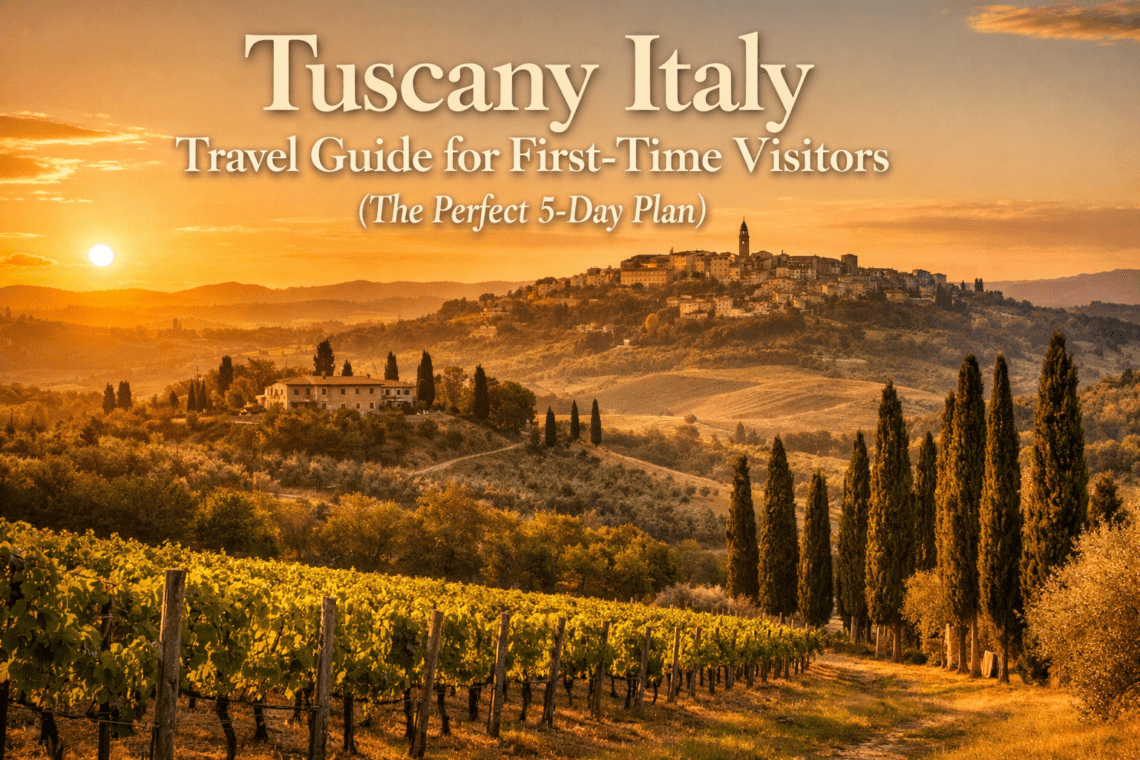
Picture yourself wandering through Renaissance art galleries in Florence, sipping Chianti wine among endless vineyard rows, and watching the sunset paint medieval towers gold. I’ll be honest: when I first planned my Tuscany trip, I was overwhelmed by the options. Should I stay in one city or move around? Which hill towns actually deserve the hype? After experiencing this magical region myself, I’ve created this Tuscany Italy Travel Guide to help you make the most of your first visit without the stress.
Key Takeaways
- Florence serves as the ideal base for first-time visitors, offering easy access to major attractions and day trip destinations
- Five days provides a solid introduction to Tuscany’s highlights, though one week allows for a more relaxed pace
- April through October offers the best weather, while November brings fewer crowds and truffle season
- Renting a car opens up countryside exploration, but organized tours work well for non-drivers
- Book Uffizi Gallery tickets in advance to avoid hours-long queues in Florence
- Medieval hill towns like Siena and San Gimignano require at least half a day each to properly explore
- Chianti wine region makes an easy day trip from Florence or Siena for wine enthusiasts
- Tuscany features seven UNESCO World Heritage Sites, including historic centers and cultural landscapes
Quick Answer
This Tuscany Italy Travel Guide provides a realistic 5-day itinerary for first-time visitors starting and ending in Florence. You’ll spend two days exploring Florence’s Renaissance treasures, then venture into the countryside to experience medieval Siena, the iconic towers of San Gimignano, charming Lucca, and the renowned Chianti wine region. While experts recommend at least one week to fully appreciate Tuscany, this focused plan covers the essential highlights and gives you a genuine taste of both urban culture and rural beauty.
Why Florence Makes the Perfect Starting Point for Your Tuscany Italy Travel Guide
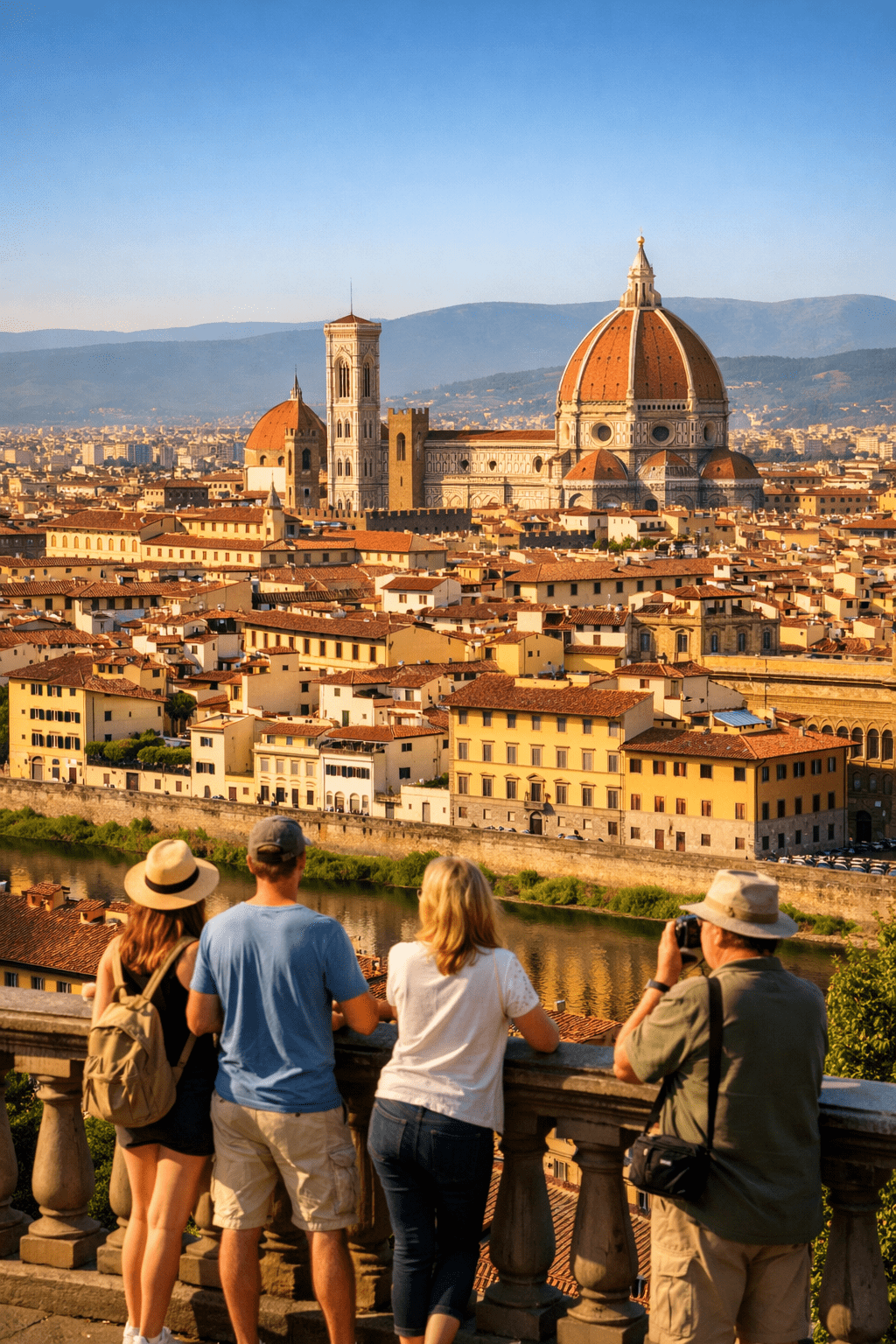
Florence is the natural starting point for any Tuscany itinerary because it’s home to the region’s main international airport, offers excellent train and bus connections to smaller towns, and contains enough attractions to fill several days on its own.
As the cradle of the Renaissance, Florence packs an incredible concentration of world-class art and architecture into a walkable historic center. The city gives you immediate access to masterpieces by Michelangelo, Botticelli, and Leonardo da Vinci, while its central location makes it the perfect hub for exploring the wider region.
Major Florence attractions include:
- Uffizi Gallery – one of the world’s finest art museums (book tickets weeks in advance)
- Cathedral of Santa Maria del Fiore (Duomo) – iconic terracotta dome dominating the skyline
- Ponte Vecchio – medieval bridge lined with jewelry shops
- Galleria dell’Accademia – home to Michelangelo’s David sculpture
- Piazzale Michelangelo – panoramic viewpoint offering the best city views
Common mistake: Trying to see everything in Florence in one day. The main highlights alone require at least one full day, and you’ll want a second day to explore neighborhoods like Oltrarno, visit additional museums, or simply enjoy the café culture without rushing.
For more inspiration on exploring Italy’s incredible destinations, check out our guide to hidden gems in Italy.
How Many Days Do You Really Need in Tuscany?
Five days gives you enough time to see Tuscany’s major highlights and experience both city culture and countryside charm, though travel experts generally recommend at least one week for a more complete experience.
According to experienced travelers, while you can cover the main cities in 3-4 days, a full week allows you to truly appreciate the beautiful Tuscan countryside without constantly rushing between destinations.[1] The 5-day plan I’m sharing strikes a balance between seeing the essential sights and maintaining a reasonable pace for first-time visitors.
Choose 5 days if: You’re combining Tuscany with other Italian regions, have limited vacation time, or want to focus exclusively on the most famous attractions.
Choose 7+ days if: You want to explore at a leisurely pace, include wine estate visits, add destinations like Pisa or the Dolomites, or prefer staying in one agriturismo and taking day trips. For those with extra time, consider extending your Italian adventure with our Dolomites Italy itinerary.
What’s the Best Time to Visit Tuscany in 2026?
The best time to visit Tuscany runs from April through October, when you’ll enjoy warm weather, long daylight hours, and fully operational tourist services across the region.
Spring (April-May): Ideal weather with blooming wildflowers, fewer crowds than summer, and moderate temperatures perfect for walking tours. This is my personal favorite season.
Summer (June-August): Peak season brings hot temperatures (often exceeding 90°F/32°C), maximum crowds, and highest prices. Book accommodations months in advance if visiting during this period.
Fall (September-October): Excellent choice with harvest season in full swing, wine festivals, comfortable temperatures, and beautiful golden light. November offers moderate weather and significantly fewer visitors, plus it’s truffle season for food enthusiasts.[3]
Winter (November-March): Many countryside attractions have reduced hours or close entirely. Cities like Florence remain accessible, but you’ll miss the quintessential Tuscan countryside experience.
The Perfect 5-Day Tuscany Itinerary for First-Timers
This itinerary starts and ends in Florence, balancing urban exploration with countryside adventures while keeping travel times manageable for first-time visitors.[1]
Day 1: Florence Renaissance Immersion
Spend your first full day exploring Florence’s historic center on foot. Start early at the Uffizi Gallery (pre-booked tickets essential), then visit the Duomo complex including the cathedral, baptistery, and if you’re up for it, climb either the dome or bell tower for spectacular views.
After lunch in a traditional trattoria, cross the Ponte Vecchio to explore the Oltrarno neighborhood, home to artisan workshops and the Pitti Palace. End your day at Piazzale Michelangelo for sunset views over the entire city.
Day 2: More Florence Plus Fiesole
Reserve your morning for the Galleria dell’Accademia to see Michelangelo’s David, then explore the San Lorenzo Market area. In the afternoon, take a short bus ride to Fiesole, a hilltop town just outside Florence offering Roman ruins, peaceful gardens, and panoramic views without the city crowds.
This gives you a taste of Tuscany’s hill towns while still staying close to your Florence base.
Day 3: Siena and San Gimignano
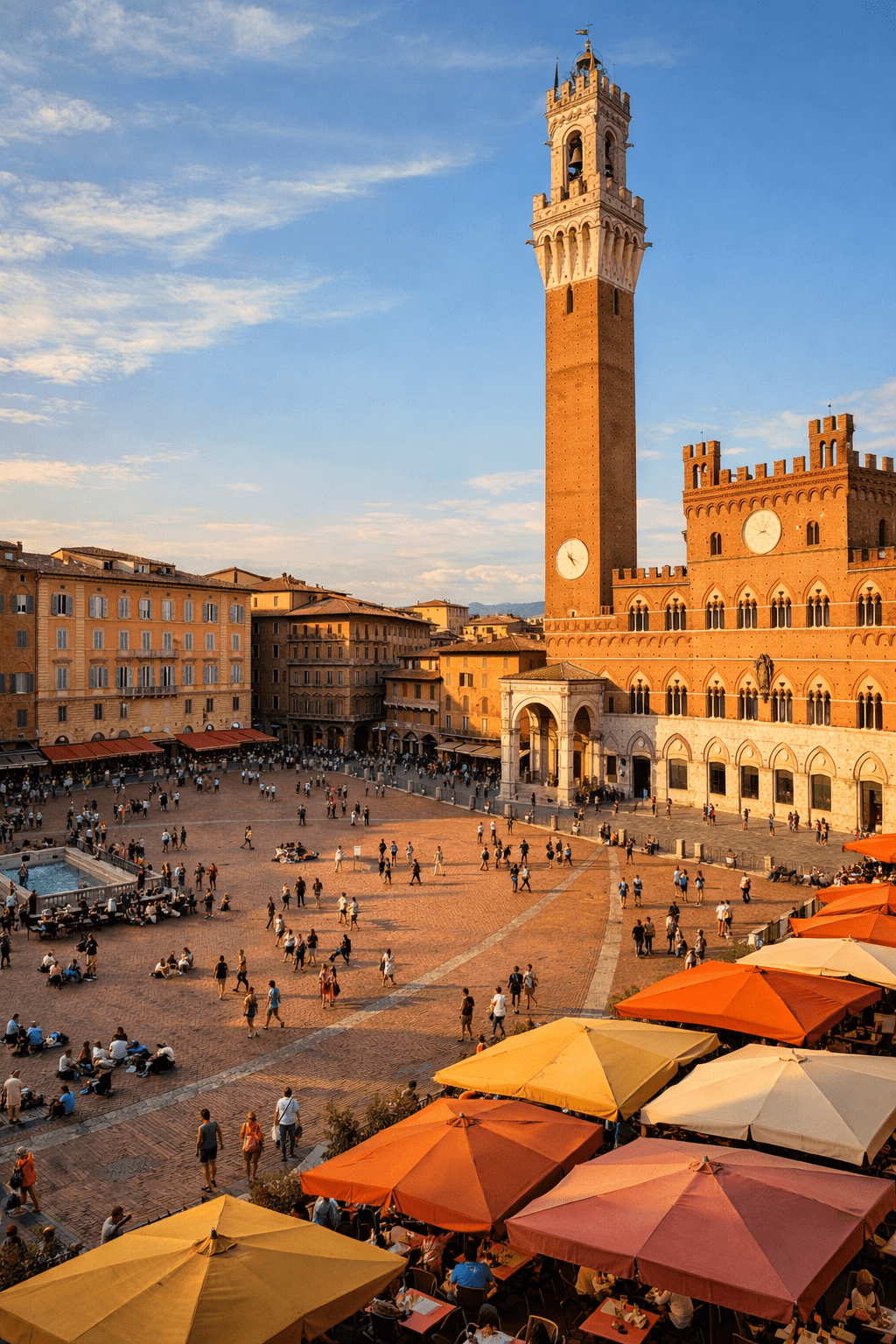
Rent a car or join an organized tour to visit Siena, one of Tuscany’s most beautiful medieval cities. Siena is known for its medieval pageantry, the famous Palio horse race (held twice yearly), and the stunning traffic-free Piazza del Campo.[2]
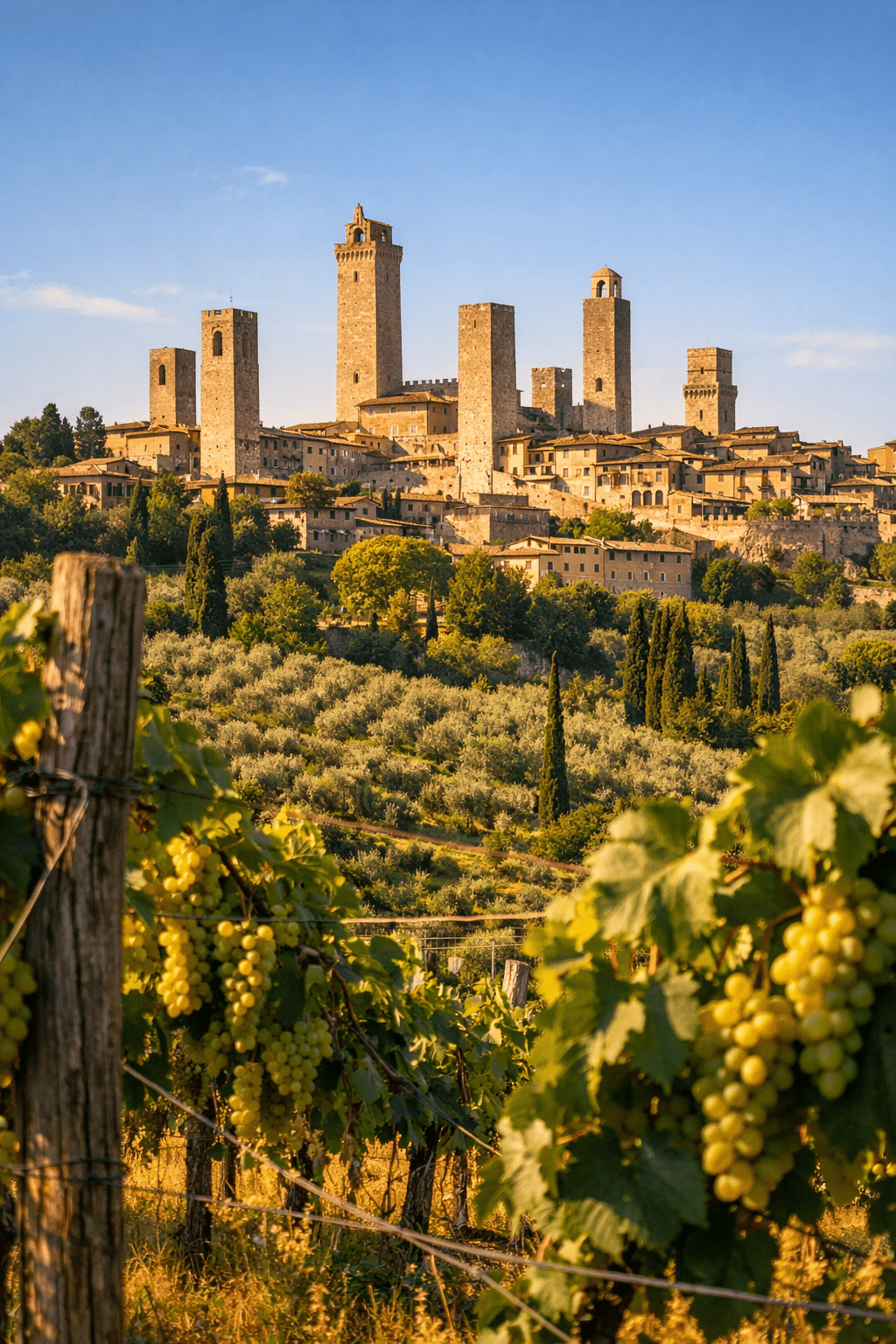
Spend your morning exploring Siena’s historic center, including the cathedral with its intricate marble floors and the shell-shaped main square. After lunch, drive to San Gimignano, the epitome of a Tuscan hill town with its 14 remaining medieval towers (originally there were 72).[2]
San Gimignano offers superb views across the countryside and becomes especially magical in the evening light. If you’re not driving, organized tours from Siena include both destinations and often add a Chianti winery stop.[1]
Day 4: Lucca and Countryside
Head to Lucca, consistently ranked among travelers’ favorite Tuscan towns. What makes Lucca special is its remarkably intact Renaissance-era city walls, which have been converted into a tree-lined promenade perfect for walking or biking.[1]
Rent a bike and cycle the 4-kilometer loop atop the walls for unique views over both the city and surrounding countryside. Inside the walls, explore the charming streets, visit the Cathedral of San Martino, and climb the Guinigi Tower with its rooftop garden of oak trees.
If you have time, stop at Montecatini Terme on your return to Florence. This spa town offers healing thermal waters and provides a relaxing contrast to the day’s sightseeing.[3]
Day 5: Chianti Wine Region
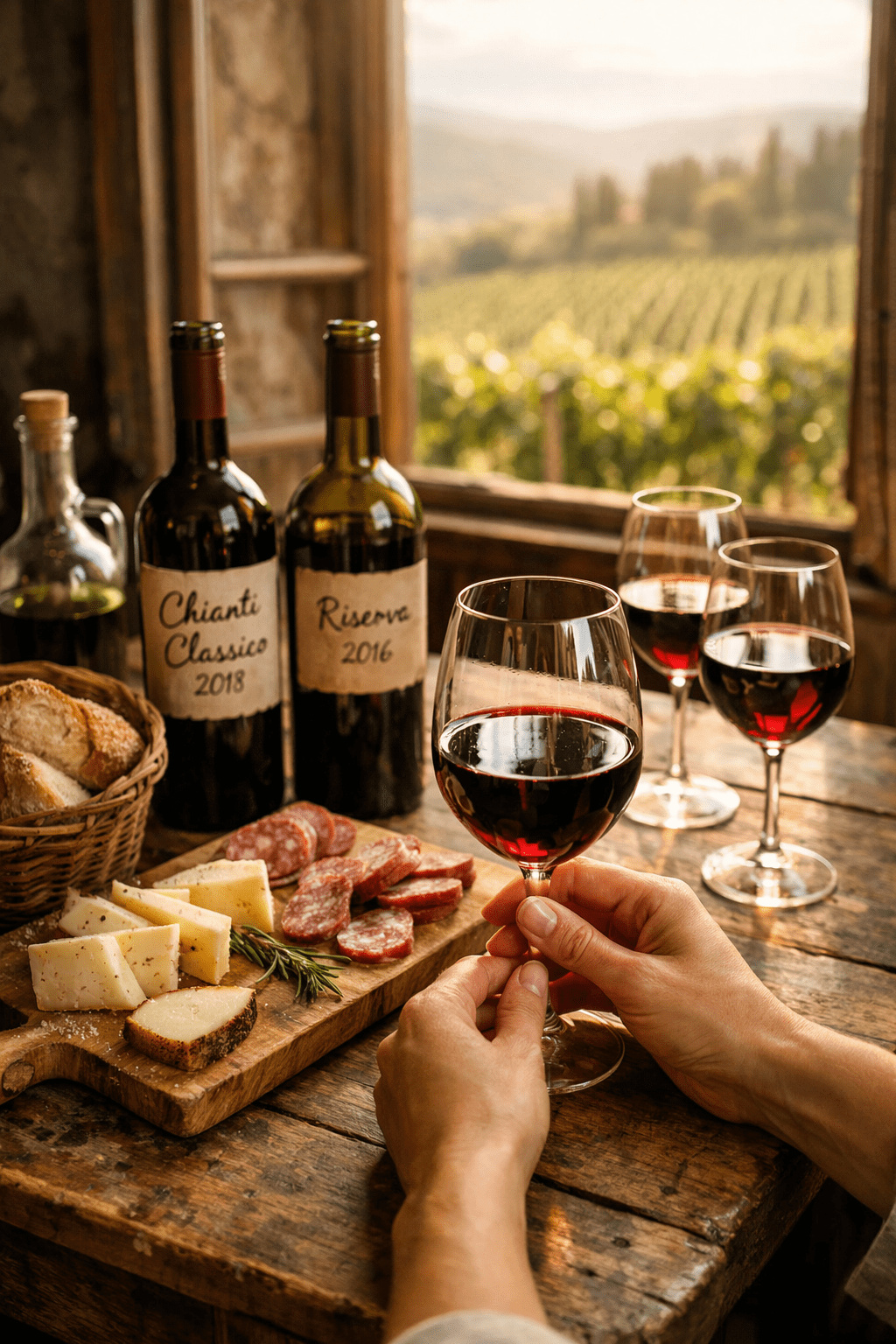
Dedicate your final day to exploring the Chianti region between Florence and Siena, famous worldwide for its very high-quality wines.[3] The rolling hills covered in vineyards and dotted with cypress trees represent the quintessential Tuscan landscape you’ve seen in countless photographs.
Visit 2-3 wineries for tastings (book ahead), stop in small villages like Greve in Chianti or Radda, and enjoy a long lunch at a countryside restaurant. Many wineries offer tours explaining the winemaking process, and some include olive oil tastings as well.
Alternative for non-wine drinkers: Replace this day with a trip to Pisa to see the famous Leaning Tower (a UNESCO World Heritage Site), or visit the thermal baths at Saturnia for a unique natural spa experience.
Getting Around Tuscany: Car vs. Public Transport vs. Tours
Renting a car provides maximum flexibility for exploring Tuscany’s countryside, small villages, and wineries that aren’t accessible by public transport. This is the best option if you’re comfortable driving manual transmission (automatics cost more), navigating narrow medieval streets, and parking in limited spaces.
Public transportation works well for major cities. Trains connect Florence, Siena, Pisa, and Lucca efficiently and affordably. However, reaching smaller hill towns and the Chianti region becomes challenging without a car, often requiring multiple bus connections with limited schedules.
Organized tours offer a middle ground for non-drivers. Many companies run day trips from Florence or Siena covering popular combinations like Siena-San Gimignano-Chianti, or Pisa-Lucca. These eliminate driving stress and often include wine tastings where you don’t need to worry about being the designated driver.[1]
Choose a car if: You want complete schedule flexibility, plan to visit multiple small towns, or are traveling with 3+ people (cost-effective when split).
Choose tours if: You don’t drive, want to enjoy wine tastings worry-free, or prefer having a guide provide historical context.
Choose public transport if: You’re sticking mainly to major cities, traveling solo on a tight budget, or uncomfortable driving in Italy.
Where to Stay in Tuscany for First-Time Visitors
Florence makes the most practical base for a 5-day first visit, offering the widest range of accommodations, restaurants, and easy access to day trip destinations without constantly changing hotels.
Staying in Florence’s historic center (within walking distance of the Duomo) puts you close to major attractions but costs more. The Oltrarno neighborhood offers better value with an authentic local feel while remaining walkable to main sights.
Alternative approach: Split your stay between Florence (3 nights) and a countryside agriturismo or small town like Siena (2 nights). This gives you the city experience plus the peaceful rural atmosphere, though it requires packing and unpacking mid-trip.
Agriturismo stays (working farms offering accommodations) provide an authentic Tuscan countryside experience with home-cooked meals, wine tastings, and beautiful settings. However, they typically require a car and work better for 7+ day trips when you have time to settle in. Some packages, like those offered in Montecatini Terme, include 7-night stays with cooking classes and farm visits.[4]
For more travel planning tips, explore our travel planning and tips section.
Essential Tuscany Travel Tips for First-Time Visitors
Book major attractions in advance. The Uffizi Gallery and Accademia in Florence sell out weeks ahead during peak season. Reserve timed-entry tickets online to avoid 2-3 hour queues.
Wear comfortable walking shoes. Tuscany’s medieval towns feature cobblestone streets, hills, and uneven surfaces. Leave the heels at home and bring well-broken-in walking shoes.
Learn basic Italian phrases. While tourist areas have English speakers, knowing simple greetings and “grazie” (thank you) goes a long way in smaller towns and restaurants.
Eat on local schedules. Restaurants typically serve lunch from 12:30-2:30 PM and dinner starting at 7:30 PM or later. Many close between services, so plan accordingly.
Pack layers. Even in summer, evenings can be cool, especially in hill towns. Spring and fall require jackets for morning and evening.
Carry cash. While cities accept cards widely, small towns, markets, and some family restaurants remain cash-only.
Respect the siesta. Many shops close from 1-4 PM, especially outside Florence. Use this time for lunch and rest before afternoon exploration.
How Much Does a 5-Day Tuscany Trip Cost?
Budget expectations for a 5-day Tuscany trip vary significantly based on travel style, season, and accommodation choices.
Budget travelers (hostels, public transport, simple meals): $500-800 total per person
Mid-range travelers (3-star hotels, mix of transport, restaurant meals): $1,200-2,000 total per person
Luxury travelers (4-5 star hotels, private tours, fine dining): $3,000+ total per person
Major cost factors:
- Accommodation: €50-150+ per night depending on location and season
- Meals: €10-15 for casual lunch, €25-50+ for dinner with wine
- Car rental: €40-80 per day including insurance and fuel
- Museum tickets: €15-25 for major attractions like the Uffizi
- Wine tours: €50-150 per person for organized Chianti tours
Money-saving tips: Visit in shoulder season (April-May or September-October), book accommodations with breakfast included, have lunch as your main meal when restaurants offer better-value fixed menus, and share a car rental if traveling with others.
If you’re looking for more budget-friendly European destinations, check out our South of France itinerary for comparison.
Common Mistakes First-Time Tuscany Visitors Make
Trying to see too much too quickly. Tuscany rewards slow travel. It’s better to fully experience 4-5 destinations than rush through 10 while spending half your time in transit.
Skipping reservations for popular restaurants. Well-regarded trattorias in Florence and Siena fill up, especially for dinner. Make reservations for any restaurant you specifically want to try.
Underestimating driving challenges. Narrow medieval streets, aggressive drivers, confusing ZTL (limited traffic zones) with hefty fines, and difficult parking make driving more stressful than many visitors expect. If you’re not confident, stick to tours or trains.
Visiting only the famous spots. While Florence, Siena, and San Gimignano deserve their reputations, some of my favorite Tuscany moments happened in lesser-known towns like Volterra, Montepulciano, or Cortona.
Not budgeting enough time for meals. Italian dining is a leisurely social experience, not a quick refueling stop. A proper dinner easily takes 2-3 hours. Embrace the pace rather than fighting it.
Forgetting about August closures. Many family-run businesses close for 2-3 weeks in August when Italians take their own vacations. This particularly affects countryside restaurants and shops.
FAQ
Is 5 days enough for Tuscany?
Five days provides enough time to see Tuscany’s major highlights including Florence, Siena, San Gimignano, and the Chianti region, though travel experts recommend at least one week for a more complete experience that includes the countryside at a relaxed pace.[1]
Do I need a car in Tuscany?
You don’t need a car if you’re staying primarily in major cities like Florence, Siena, and Lucca, which are well-connected by trains. However, a car significantly enhances your experience for visiting small hill towns, wineries, and the countryside that aren’t accessible by public transport.
What’s the best base for exploring Tuscany?
Florence makes the best base for first-time visitors because it offers the region’s main airport, excellent train and bus connections, the widest range of accommodations and restaurants, and enough attractions to fill multiple days while serving as a hub for day trips.
When should I avoid visiting Tuscany?
Avoid August if you want to escape peak crowds and heat, as this is when both international tourists and Italians vacation, leading to maximum prices and many family-run businesses closing. January and February see many countryside attractions closed with limited services.
How far in advance should I book Tuscany accommodations?
Book Florence accommodations 2-3 months ahead for shoulder season and 4-6 months ahead for peak summer season. Countryside agriturismos and popular Siena hotels also fill up quickly, especially for September-October harvest season.
Can I visit Tuscany without speaking Italian?
Yes, you can visit Tuscany without speaking Italian, especially in major tourist areas like Florence where English is widely spoken. However, learning basic phrases enhances your experience and is appreciated in smaller towns and family-run establishments.
What should I pack for Tuscany?
Pack comfortable walking shoes for cobblestone streets, layers for variable temperatures, modest clothing for churches (covered shoulders and knees), a light jacket even in summer for evenings, sunscreen, and a reusable water bottle for public fountains.
Are Tuscany’s hill towns wheelchair accessible?
Most Tuscan hill towns have limited wheelchair accessibility due to medieval cobblestone streets, steep inclines, and historic buildings without elevators. Florence offers better accessibility in main tourist areas, though challenges remain. Research specific accommodations and attractions ahead of time.
How much should I budget for wine tasting in Chianti?
Budget €20-40 per person for basic wine tastings at Chianti wineries, or €50-150 for organized tours that include transportation, multiple wineries, and sometimes lunch. Many wineries waive tasting fees if you purchase bottles.
Is Tuscany safe for solo travelers?
Tuscany is very safe for solo travelers, with low violent crime rates. Standard precautions apply: watch for pickpockets in crowded tourist areas, avoid walking alone late at night in isolated areas, and keep valuables secure. The region is popular with solo travelers of all ages.
What’s the difference between Chianti and Chianti Classico wine?
Chianti Classico comes from the historic heartland region between Florence and Siena, meeting stricter production standards and typically offering higher quality. Regular Chianti comes from a larger geographic area with more relaxed regulations. Look for the black rooster symbol on Chianti Classico bottles.
Should I visit Pisa or spend more time in other Tuscany towns?
Pisa’s Leaning Tower is worth seeing if you have extra time, but the city itself offers less than Siena, Lucca, or San Gimignano. You can see Pisa’s main sights in 2-3 hours, making it suitable for a morning stop if you’re driving between destinations or as a half-day trip from Florence.
Conclusion
Tuscany delivers everything you’ve imagined: Renaissance masterpieces in world-class museums, medieval towers rising above rolling vineyards, exceptional wine paired with simple but perfect cuisine, and that golden light that makes every view look like a painting. This Tuscany Italy Travel Guide gives you a realistic framework for experiencing the region’s highlights in five days while avoiding the common pitfall of trying to see too much too quickly.
Start in Florence to immerse yourself in Renaissance art and architecture, then venture into the countryside to discover the medieval charm of Siena and San Gimignano, the unique walled city of Lucca, and the world-renowned wines of Chianti. While a full week would allow for a more relaxed pace, this 5-day plan covers the essential experiences that make Tuscany one of Italy’s most beloved regions.
Your next steps:
- Book your Florence accommodation 2-3 months ahead (4-6 months for summer travel)
- Reserve Uffizi Gallery and Accademia tickets as soon as your dates are confirmed
- Decide on transportation – rent a car for flexibility or book organized tours if you prefer not to drive
- Research restaurants in Florence and Siena, making reservations for any you specifically want to try
- Consider travel insurance that covers trip cancellation and medical emergencies
Remember, Tuscany isn’t about checking boxes on a sightseeing list. It’s about savoring long lunches with local wine, getting lost on cobblestone streets, and discovering that the journey between destinations can be just as memorable as the destinations themselves. Take time to simply sit in a piazza with a gelato and watch Italian life unfold around you.
For more European travel inspiration, explore our guides to must-see places in Spain and what to see in Rome.
References
[1] Tuscany Trip Itinerary – https://fullsuitcase.com/tuscany-trip-itinerary/
[2] Tuscany – https://www.ricksteves.com/europe/italy/tuscany
[3] Travel Guide To Tuscany What To See And Do In Tuscany Italy – https://www.greca.co/en/blog/2022/1/3/travel-guide-to-tuscany-what-to-see-and-do-in-tuscany-italy
[4] Discover Tuscany – https://www.gocollette.com/en/tours/europe/italy/discover-tuscany