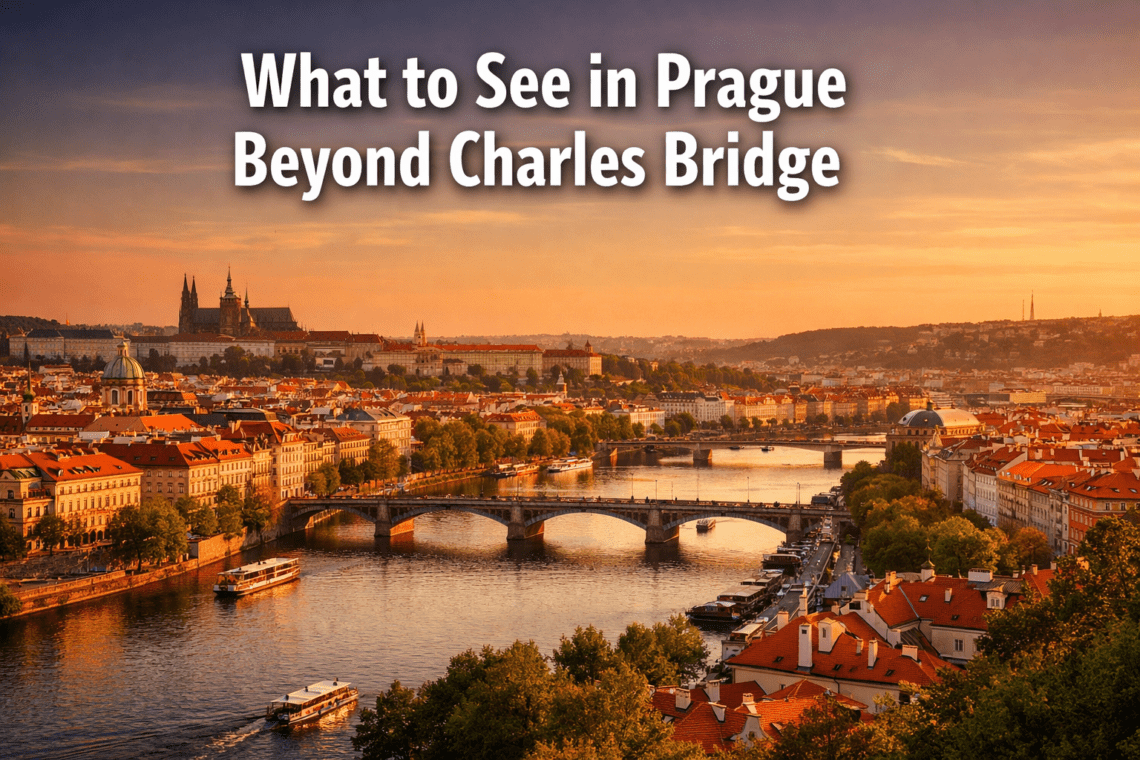
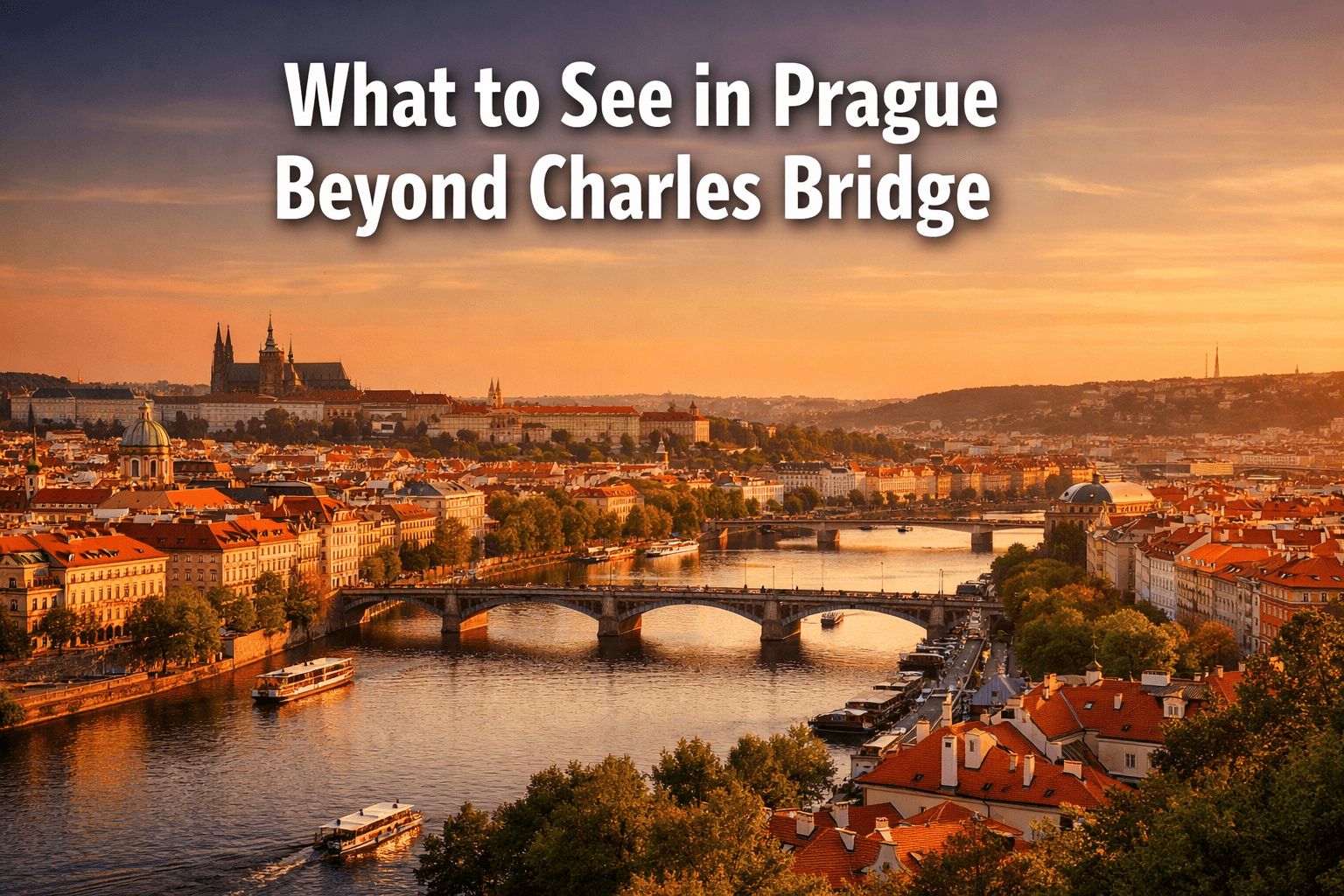
Quick Answer: Prague is far more than Charles Bridge and the Old Town Square. The city’s best experiences are tucked into hilltop fortresses, Baroque gardens, creative neighborhoods, and centuries-old beer halls that most tourists never find. If you want to know what to see in Prague like a local, start with Vyšehrad, Letná Park, Holešovice, and the Waldstein Garden — and work outward from there.
Key Takeaways
- Vyšehrad fortress offers free admission, sweeping city views, and a national cemetery — all without the crowds of Prague Castle
- Letná Park is where locals actually spend their weekends, with a beer garden, river panoramas, and a giant metronome
- Waldstein Garden is a free Baroque garden in Malá Strana that most visitors walk right past
- Holešovice is Prague’s creative district — think street art, independent cafés, and the DOX Centre for Contemporary Art
- Golden Lane inside Prague Castle is worth the entry fee for its Kafka connection and colorful 16th-century houses
- Kasárna Karlín is a converted barracks turned community courtyard that locals love and guidebooks ignore
- Farmer’s markets at Jiřího z Poděbrad and Náplavka are great for local food, cheese, and people-watching
- Divoká Šárka nature reserve on the city’s edge offers hiking, a natural swimming pool, and a beer garden
- For accommodation, staying in Vinohrady or Žižkov puts you close to local life without tourist-trap pricing
- Prague pairs beautifully with a side trip to Vienna — both cities reward slow, curious travelers
What to See in Prague That Most Tourists Miss
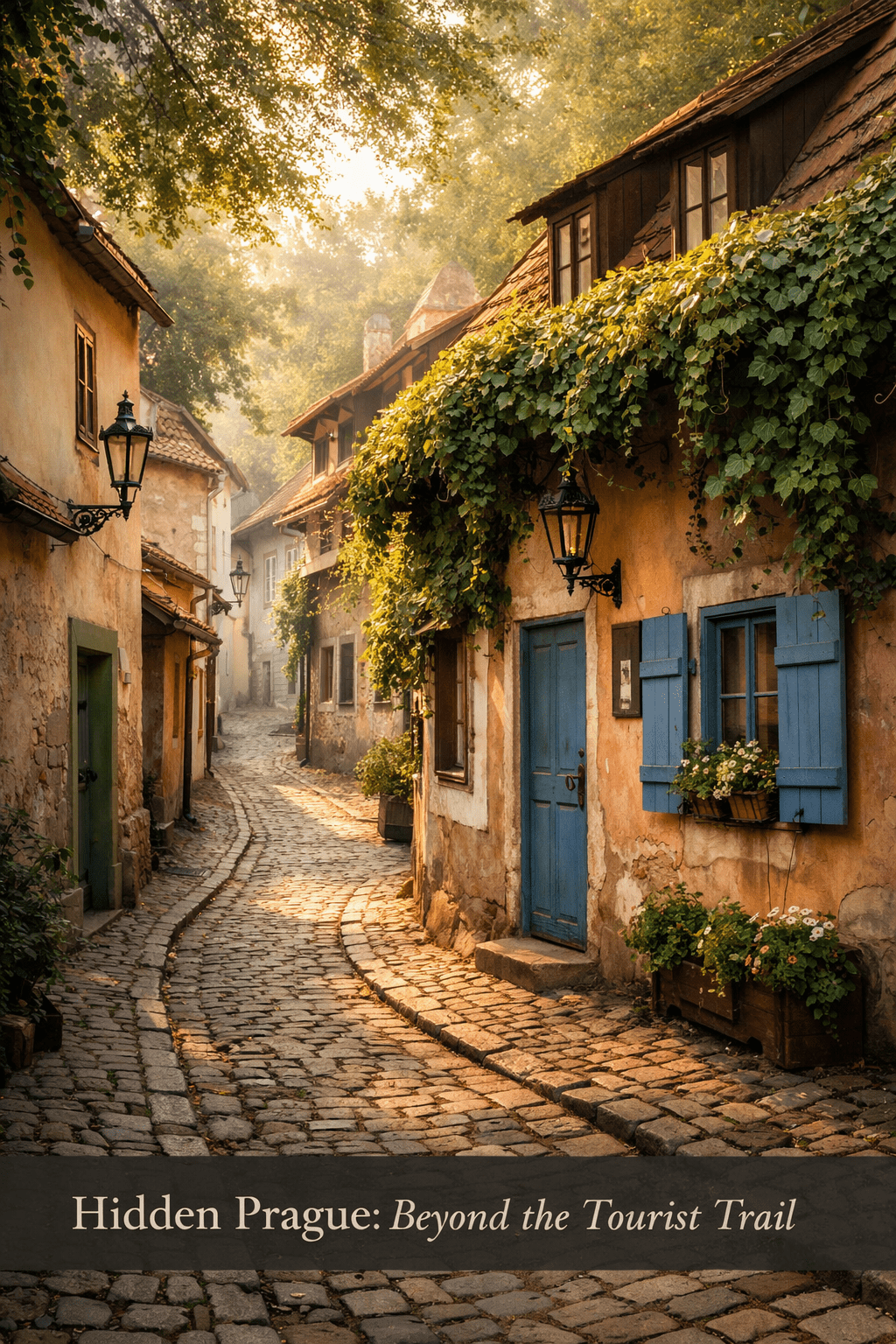
Most first-time visitors to Prague spend their days on Charles Bridge, in the Old Town Square, and at Prague Castle — and those places are genuinely beautiful. But the city has layers, and the most memorable experiences are usually one neighborhood away from the main drag.
Here’s the honest picture: Prague is compact enough that you can walk from the tourist center to a quiet local gem in under 20 minutes. The problem isn’t distance — it’s knowing where to look.
The neighborhoods worth your time:
- Vinohrady — tree-lined streets, Art Nouveau apartment buildings, local wine bars
- Žižkov — bohemian, gritty, and home to the bizarre TV Tower with baby sculptures climbing it
- Holešovice — industrial-turned-creative, with galleries, markets, and the best street art in the city [3]
- Karlín — up-and-coming, with great coffee shops and the beloved Kasárna Karlín courtyard [5]
- Malá Strana — quieter than Old Town, with hidden gardens and the Waldstein Garden tucked behind palace walls [1]
“The best version of Prague is the one most people don’t see — and it’s only a 15-minute walk from Charles Bridge.”
Hidden Gardens and Green Spaces Worth Exploring
Prague’s green spaces are genuinely underrated, and two in particular stand out for travelers who want beauty without the crowds.
Waldstein Garden (Wallenstein Garden) sits in Malá Strana, just a short walk from Charles Bridge. It’s a free Baroque garden that was once a private retreat for nobility, and it still feels that way. The centerpiece is the Sala Terrena — a 30-metre-high loggia decorated with fresco paintings. There’s also an owl cave and bronze statues by Dutch sculptor Adrian de Vries (the originals; the ones on Charles Bridge are replicas). Entry is free, and it’s rarely crowded [1][2].
Vojanovy Sady is even more hidden — a small walled garden also in Malá Strana, perfect for a quiet picnic. Locals bring lunch here. You might spot swans. It has none of the tourist foot traffic of the nearby riverside [1].
Letná Park is where Prague residents actually spend their Sunday mornings. The park sits on a bluff above the Vltava River and offers some of the best views of the Old Town you’ll find anywhere in the city. There’s a giant metronome where a Stalin statue once stood, a beer garden (Letná Beer Garden), and a small botanical section. Go on a weekend morning and you’ll see joggers, families, and dog walkers — almost no tour groups [1][3].
Choose Letná if you want a relaxed half-day with great views and a cold Czech beer. Choose Waldstein Garden if you want Baroque architecture and art in a peaceful setting.
What to See in Prague’s Best Neighborhoods
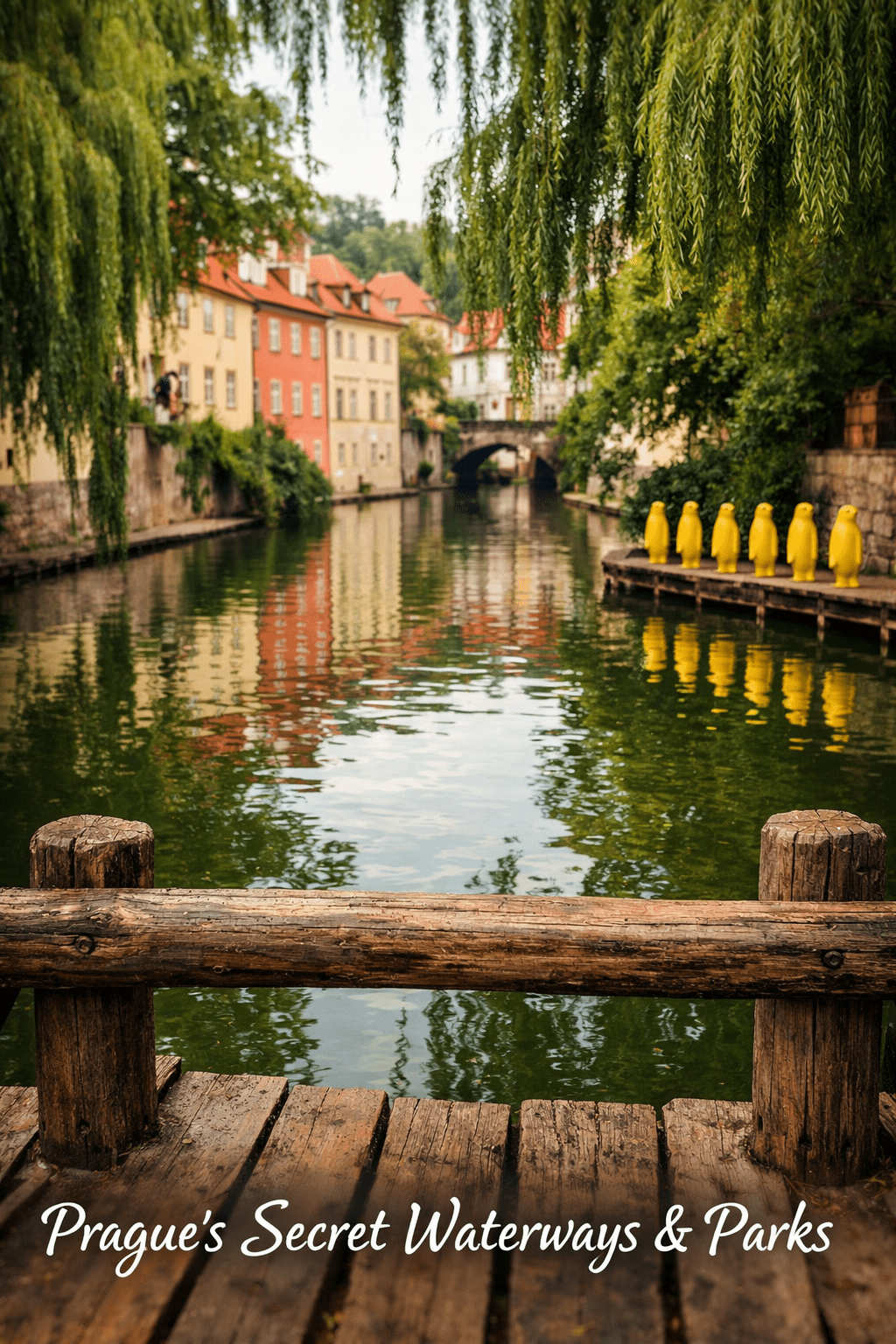
Prague’s neighborhoods each have their own personality, and spending time in the right ones makes the whole trip feel more real.
Holešovice is the city’s creative hub. It hosts art galleries, independent shops, and the DOX Centre for Contemporary Art. The Manifesto Market — an open-air market in a converted factory space — is a great place to browse locally made goods and eat well without tourist-trap pricing [1]. The vibe is relaxed and genuinely local.
Karlín is where young Prague professionals live and eat. The standout spot here is Kasárna Karlín, a former military barracks that’s been transformed into an open courtyard with cafés, bars, art installations, playgrounds, and outdoor seating. It’s the kind of place that locals love and guidebooks rarely mention [5]. Go on a warm evening and it’s buzzing.
Žižkov is worth a visit for the Žižkov Television Tower — a brutalist structure with David Černý’s crawling baby sculptures on the outside. There’s a bar and observation deck inside. The neighborhood around it is full of local pubs and has a slightly alternative, lived-in feel that’s very different from the polished Old Town.
For similar neighborhood-focused travel inspiration, our guide to hidden gems in Amsterdam covers a similar approach to finding local life in a heavily visited European city.
Vyšehrad, Golden Lane, and the Spots Worth Paying For
Some of Prague’s best sights are free. A few are worth paying for. Here’s how to tell the difference.
Vyšehrad is free and absolutely worth your time. This hilltop fortress dates to the mid-10th century and sits above the Vltava River on the south side of the city. Inside, you’ll find:
- The neo-Gothic Church of St. Peter and St. Paul
- Slavín, the national cemetery where composers Dvořák and Smetana are buried
- The original Baroque statues that used to stand on Charles Bridge
- Wide lawns perfect for picnicking, with panoramic city views [4]
It takes about 90 minutes to explore properly and feels nothing like the tourist-heavy Prague Castle area. Tram line 7 or 18 gets you there easily.
Golden Lane (Zlatá Ulička) is inside Prague Castle and requires a ticket, but it’s one of the most charming streets in Europe. This 16th-century cobbled alley is lined with tiny colorful houses where soldiers, goldsmiths, and — famously — Franz Kafka once lived. His tiny blue house at Number 22 is now a bookshop. The street earned its nickname “Street of Alchemists” from the craftsmen who worked there [6].
Common mistake: Many visitors skip Golden Lane because they assume Prague Castle is enough. The castle grounds are large and can feel overwhelming — Golden Lane is a specific, contained highlight that’s easy to miss if you don’t plan for it.
Where to Eat, Drink, and Experience Czech Culture
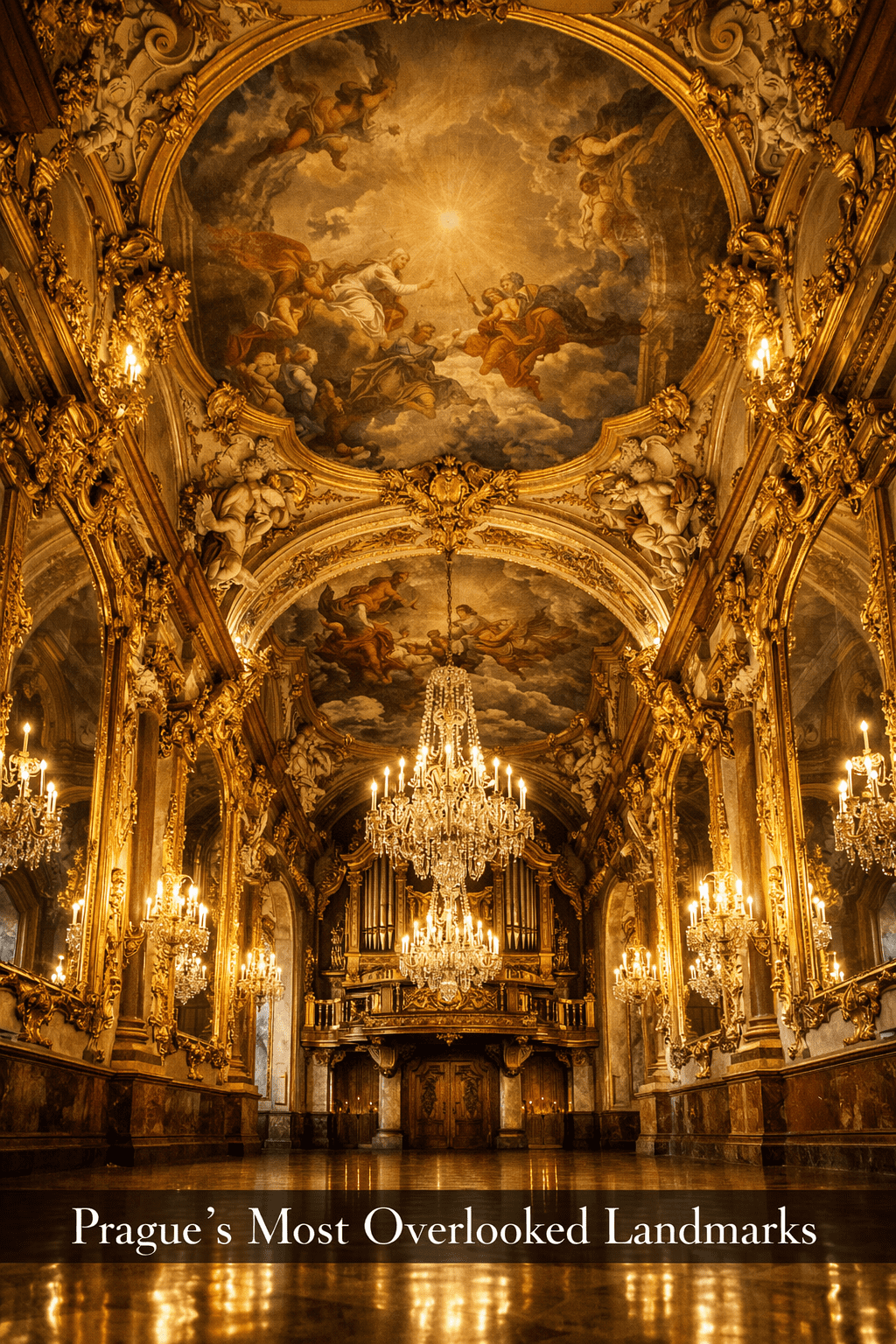
Czech food and beer culture is a legitimate reason to visit Prague. The city has some of Europe’s oldest breweries, and eating well here doesn’t require spending much.
Beer halls and breweries worth visiting:
| Venue | What Makes It Special | Neighborhood |
|---|---|---|
| U Fleků | Brewery since the 1400s, live accordion music, dark lager brewed on-site | New Town |
| Strahov Monastery Brewery | Craft beer brewed by monks, stunning hilltop setting | Hradčany |
| U Šumavy | 10 rotating microbrews, local crowd, no tourist gimmicks | Žižkov |
For local food, the farmer’s markets are the best option. The market at Jiřího z Poděbrad (open Saturday mornings) and the Náplavka riverside market (Saturdays) both offer fresh produce, local cheeses, smoked meats, and pastries at honest prices. These are where Prague residents actually shop [3].
Svíčková (beef sirloin in cream sauce with bread dumplings) and trdelník (chimney cake, though technically Slovak in origin) are the dishes tourists eat most. For something more authentically Czech, try vepřo knedlo zelo — roast pork with dumplings and sauerkraut — at any neighborhood pub in Žižkov or Vinohrady.
If you enjoy this kind of food-and-culture travel approach, you might also love our guide to what to see in Vienna, which covers a similar Central European city with a strong café and culinary tradition.
Outdoor Activities and Day Escapes from the City Center
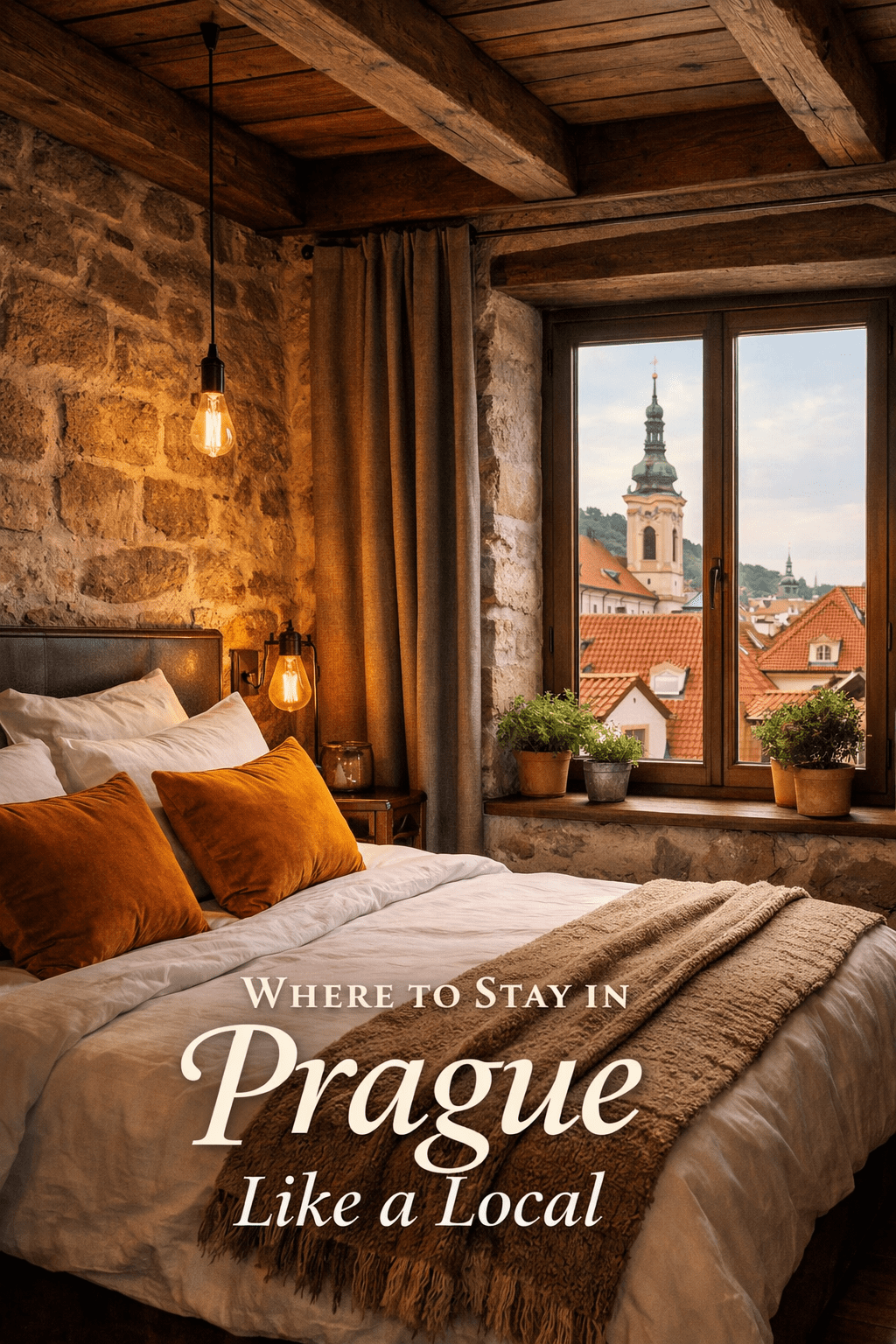
Prague rewards travelers who want to move beyond sightseeing into actual experiences. The city has more outdoor options than most people expect.
Petřín Hill is a short walk from Charles Bridge and offers a completely different perspective on the city. The Petřín Lookout Tower — often called Prague’s mini Eiffel Tower — gives you 360-degree views from above the rooftops. There’s a funicular railway if you’d rather not walk up. The hill itself has quiet paths, small cafés, and a rose garden [1].
Divoká Šárka is a nature reserve on the western edge of the city that most tourists never reach. It has hiking trails through rocky gorges, cliffs, a natural swimming area, two pools, beach volleyball, and a beer garden called Dívčí Skok. It’s a genuine half-day escape into nature without leaving the city limits [3][4]. Take tram line 20 or 26 from the city center.
Boat trips on the Vltava River give you a different angle on the city’s bridges and riverbanks. Short 45-minute cruises depart near the Čechův Bridge and cost around 200–300 CZK (roughly €8–12). Evening cruises are particularly atmospheric.
For travelers who love combining city exploration with outdoor time, our Edinburgh 4-day itinerary covers a similar balance of historic sights and natural escapes.
Where to Stay in Prague: Hotels and Neighborhoods
Choosing the right neighborhood for your accommodation makes a real difference in how your trip feels. Here’s a practical breakdown:
Best neighborhoods to stay in:
- Vinohrady — Quiet, residential, excellent transport links, great local restaurants. Best for travelers who want to feel like a local. Mid-range hotels and boutique guesthouses are common here.
- Old Town (Staré Město) — Central, walkable to everything, but noisy and expensive. Best for first-timers who want zero commute to the main sights.
- Malá Strana — Romantic, historic, close to the castle and Waldstein Garden. Fewer budget options, but beautiful surroundings.
- Žižkov / Karlín — Budget-friendly, authentic, increasingly popular with younger travelers. A 10–15 minute tram ride from the center.
Hotel picks by budget:
| Budget | Hotel | Neighborhood | Notes |
|---|---|---|---|
| Budget | Sir Toby’s Hostel | Holešovice | Social, well-run, great for solo travelers |
| Mid-range | Hotel Yasmin | New Town | Design-forward, central location |
| Mid-range | Mosaic House | New Town | Eco-friendly, strong reviews |
| Splurge | Augustine Hotel | Malá Strana | Inside a 13th-century monastery |
| Splurge | Four Seasons Prague | Old Town | Vltava River views, exceptional service |
Choose Old Town if you’re here for 2 nights and want everything walkable. Choose Vinohrady if you’re staying 4+ days and want a more local experience at lower prices.
If you’re planning a broader European trip, our guide to what to see in Barcelona and our Lisbon travel guide cover two other cities that reward the same neighborhood-first approach.
What to See in Prague: Practical Tips Before You Go
A few things that will make your Prague trip noticeably better:
- Get a transit pass. Prague’s tram and metro system is excellent and cheap. A 24-hour pass costs around 120 CZK (about €5). Trams are the best way to move between neighborhoods.
- Carry Czech Koruna (CZK). Many local spots — especially markets and smaller pubs — don’t accept cards. ATMs are widely available; use bank ATMs rather than standalone machines to avoid poor exchange rates.
- Visit main sights early or late. Charles Bridge is genuinely beautiful at 6am with almost no one on it. Old Town Square gets very crowded by 10am.
- Book Prague Castle in advance. Entry to the castle complex (including Golden Lane) requires a timed ticket during peak season. Buy online before you go.
- Learn two words of Czech. “Prosím” (please) and “Děkuji” (thank you) go a long way. Locals appreciate the effort.
For first-time flyers or travelers new to European trips, our first-time airplane guide covers everything from check-in to landing.
FAQ: What to See in Prague
Is Prague worth visiting beyond the Old Town?
Yes, absolutely. The Old Town is beautiful but heavily commercialized. Neighborhoods like Vinohrady, Holešovice, and Karlín offer a more authentic experience with better food, lower prices, and almost no tourist crowds.
How many days do you need in Prague?
Three to four days is enough to cover the main sights and explore two or three local neighborhoods properly. Five days gives you time for a day trip to Kutná Hora or Český Krumlov.
Is Prague expensive?
Prague is one of the more affordable capitals in Europe. A sit-down meal at a local restaurant costs €8–15, a beer at a pub is €1.50–3, and public transport is very cheap. Staying in tourist-heavy areas costs more; Vinohrady and Žižkov offer noticeably lower hotel prices.
What’s the best free thing to do in Prague?
Vyšehrad fortress is free, beautiful, and far less crowded than Prague Castle. Waldstein Garden and Letná Park are also free and genuinely worth your time [1][4].
Is Golden Lane worth the Prague Castle ticket price?
Yes, if you’re interested in history and architecture. The full castle ticket (around 350 CZK) covers Golden Lane, St. Vitus Cathedral, and the Old Royal Palace. Golden Lane alone justifies the visit for Kafka fans [6].
What neighborhood is best for first-time visitors?
Old Town for convenience, Vinohrady for a more local feel. Most first-timers do well staying in Old Town or New Town for easy access, then taking trams to explore further neighborhoods during the day.
Can you visit Prague on a budget?
Yes. Prague is one of the best value cities in Central Europe. Free sights (Vyšehrad, Letná Park, Waldstein Garden), cheap public transport, and affordable local restaurants make it very manageable on €50–70 per day including accommodation.
What’s the best time of year to visit Prague?
May–June and September–October offer pleasant weather and fewer crowds than July–August. December is magical for Christmas markets but cold and crowded. January–February is the quietest and cheapest time to visit.
Is Prague safe for solo travelers?
Prague is generally very safe for solo travelers, including solo women. The main risks are pickpocketing in tourist areas and overpriced taxis — use Bolt or Liftago instead of street taxis.
What’s Kasárna Karlín?
It’s a former military barracks in the Karlín neighborhood that’s been converted into a community courtyard with cafés, bars, art galleries, and outdoor spaces. It’s a favorite with locals and rarely appears in tourist guides [5].
Conclusion
Prague rewards curiosity. The city’s most memorable moments — a quiet morning in the Waldstein Garden, a cold dark beer at U Fleků, a sunset from Vyšehrad’s cliffs — happen when you step away from the main tourist circuit and follow where locals actually go.
Your actionable next steps:
- Book accommodation in Vinohrady or Malá Strana for a more local base
- Plan one morning at Vyšehrad — go early, bring a picnic, stay for the views
- Add Letná Park and Holešovice to the same afternoon — they’re close together
- Visit a Saturday farmer’s market at Náplavka or Jiřího z Poděbrad for breakfast
- Reserve Prague Castle tickets online before you arrive to skip the queues
Prague is one of those cities that genuinely gets better the more you explore it. The places covered in this guide aren’t secrets — they’re just the parts of the city that take a little more intention to reach. That effort is always worth it.
For more European city guides that take the same local-first approach, explore our coverage of what to see in Rome and things to do in Venice.
References
[1] Hidden Gems Prague – https://roadtripeuroguide.com/hidden-gems-prague/
[2] Attractions G274707 Activities Zft12156 Prague Bohemia – https://www.tripadvisor.com/Attractions-g274707-Activities-zft12156-Prague_Bohemia.html
[3] Hidden Gems Prague Locals – https://tourismattractions.net/czech_republic/hidden-gems-prague-locals
[4] Prague Discoveries – https://www.flitterfever.com/prague-discoveries/
[5] Unusual Things To Do In Prague – https://www.adventurouskate.com/unusual-things-to-do-in-prague/
[6] Things To Do In Prague Hidden Gems – https://thirdeyetraveller.com/things-to-do-in-prague-hidden-gems/