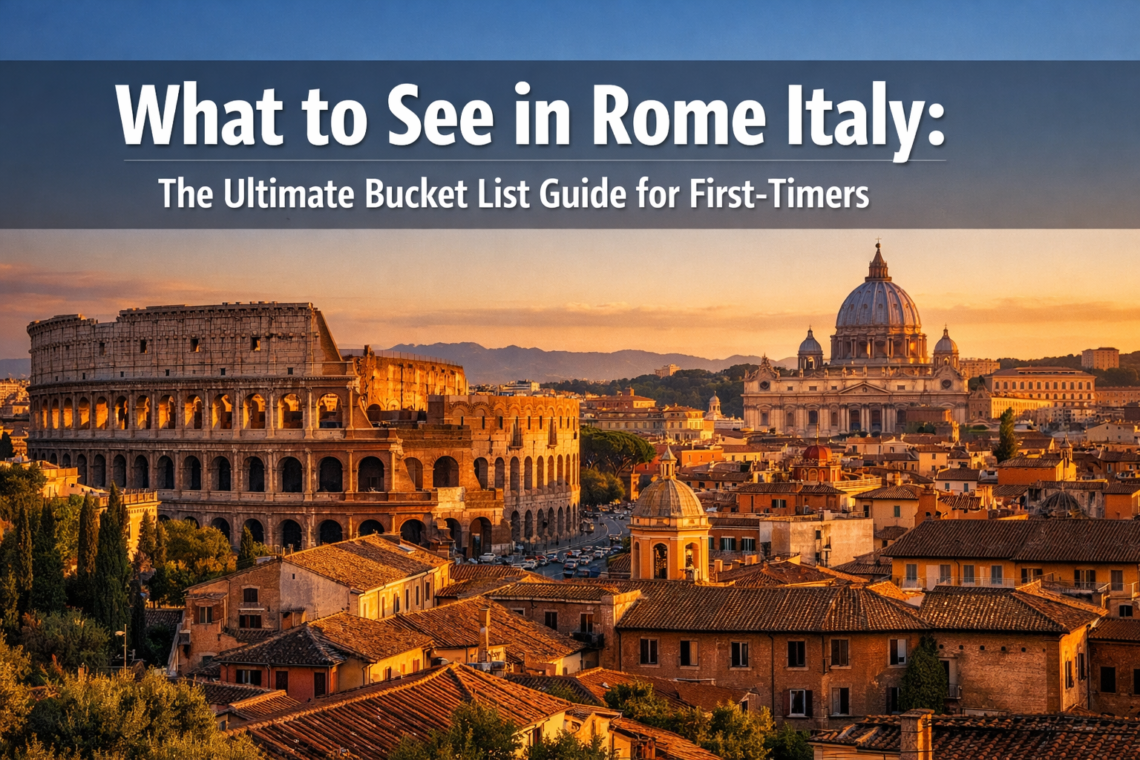
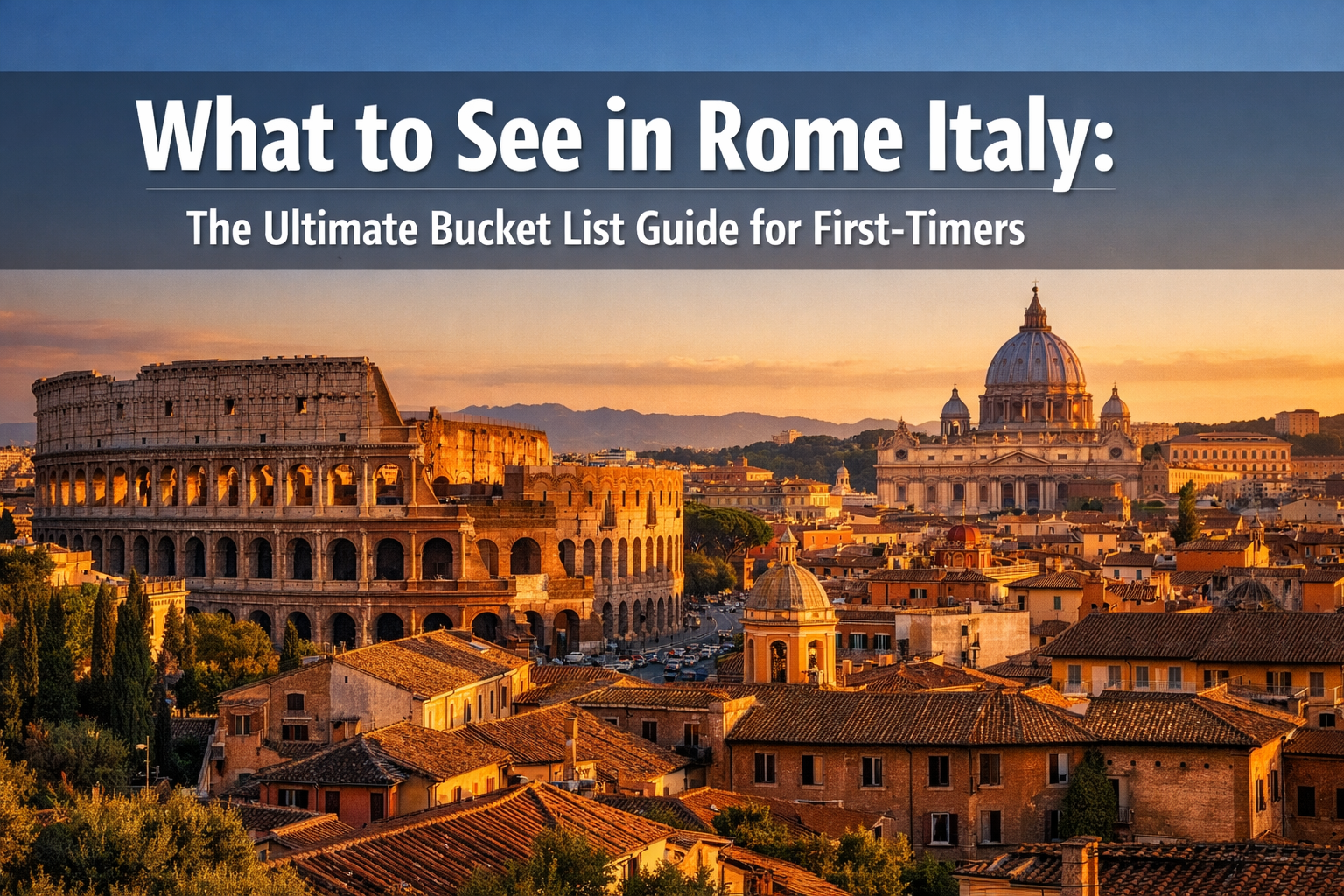
Picture this: You’re standing in front of the Colosseum for the first time, and the sheer magnitude of this 2,000-year-old amphitheater takes your breath away. The ancient stones seem to whisper stories of gladiators, emperors, and 50,000 roaring spectators. This is Rome—a city where every cobblestone has a story, and every corner reveals another masterpiece. If you’re wondering what to see in Rome Italy as a first-timer, you’re about to embark on one of the most incredible journeys of your life. The Eternal City isn’t just a destination; it’s a living museum where ancient ruins stand alongside Renaissance masterpieces, and where your morning espresso might be served in a café that’s been family-owned for five generations.
As someone who’s wandered through Rome’s winding streets more times than I can count, I know the city can feel overwhelming at first. With thousands of years of history packed into one place, how do you decide what to prioritize? That’s exactly why I’ve created this comprehensive guide to help you navigate the essential sights, hidden gems, and unforgettable experiences that should top every first-timer’s Rome bucket list.
Key Takeaways
- Plan for at least 3-5 days to experience Rome’s main highlights without feeling rushed, though 5-7 days allows for deeper exploration of museums and neighborhoods[1]
- The “Big Three” attractions—the Colosseum and Roman Forum, the Vatican Museums and St. Peter’s Basilica, and the Centro Storico (historic center)—form the essential foundation of any first-time visit[3]
- Book tickets in advance for major attractions like the Colosseum and Vatican Museums to skip long lines and guarantee entry during peak season
- Combine the Colosseum and Roman Forum in a single day since they’re part of the same archaeological park with entrances just hundreds of yards apart[3]
- Rome’s entire central area is a UNESCO World Heritage site, making virtually every walk through the historic center a journey through living history[4]
Understanding What to See in Rome Italy: The Essential “Big Three”
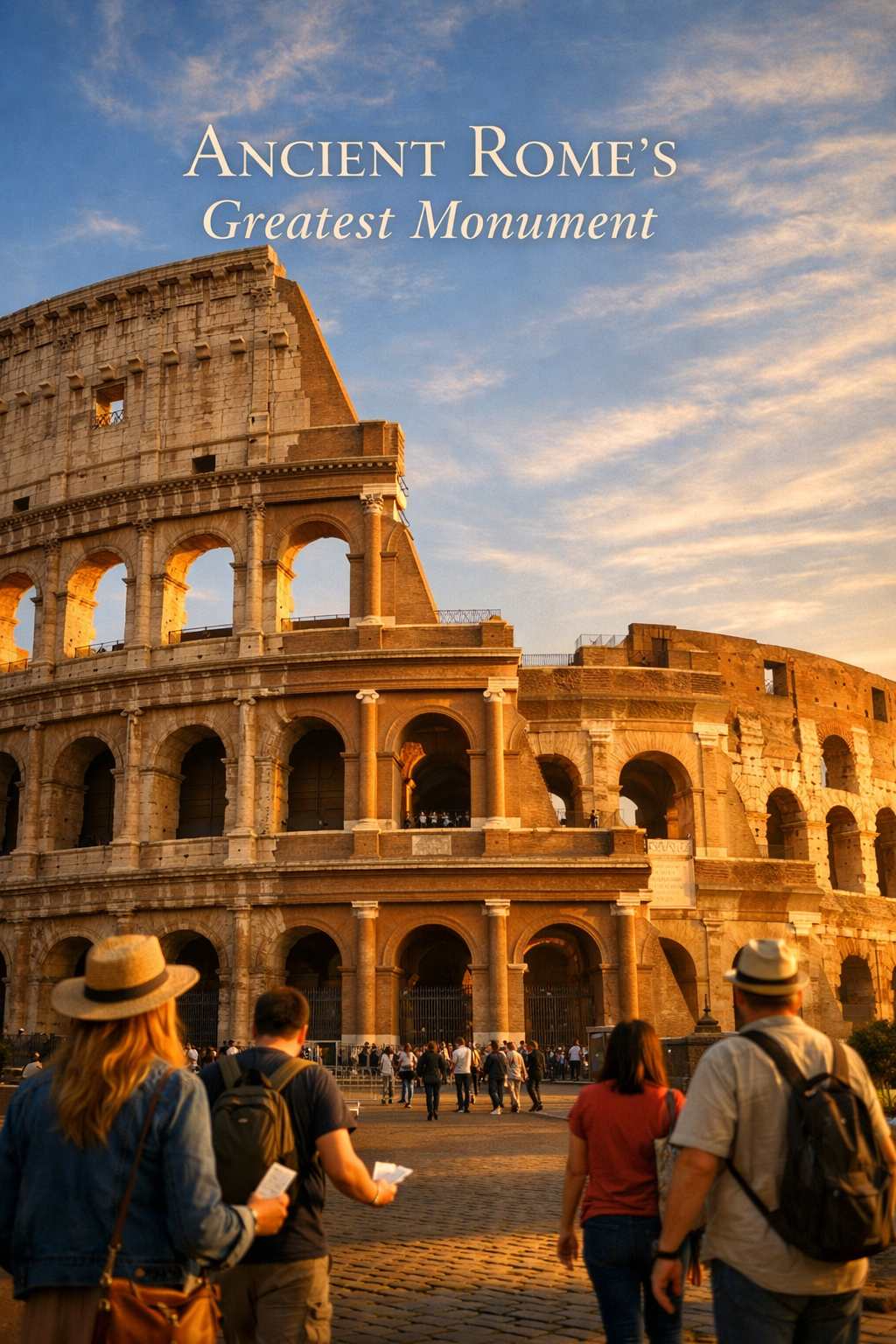
When planning your first trip to Rome, you’ll quickly discover that three major attraction zones form the backbone of any great itinerary. I always tell first-timers to build their Rome adventure around these foundational experiences, then layer in additional sights based on personal interests and available time.
The Colosseum and Roman Forum Complex
The Colosseum stands as Rome’s most iconic symbol and one of the Seven Wonders of the Modern World[2]. This massive Flavian Amphitheatre, built between 70-80 AD, could accommodate up to 50,000 spectators who came to witness gladiatorial contests, animal hunts, and even mock naval battles[2]. As the world’s largest Roman amphitheater, it remains remarkably well-preserved considering it’s nearly 2,000 years old.
Here’s what makes this attraction so special:
- Architectural marvel: The three-tiered structure showcases different classical orders—Doric, Ionic, and Corinthian columns
- Underground chambers: Special tours reveal the hypogeum where gladiators and animals waited before entering the arena
- Historical significance: This single building represents the engineering prowess and cultural values of ancient Rome
The Roman Forum sits adjacent to the Colosseum and served as the political, religious, and commercial heart of ancient Rome[2]. Walking through these ruins, you’ll see remnants of temples, law courts, and the Curia where the Roman Senate gathered to make decisions that shaped Western civilization[2].
Pro tip: Both attractions are part of the same archaeological park with entrances just a couple hundred yards apart[3]. Visit them consecutively on the same day rather than splitting them across multiple days to maximize your time and ticket value.
The Vatican: Museums, Sistine Chapel, and St. Peter’s Basilica
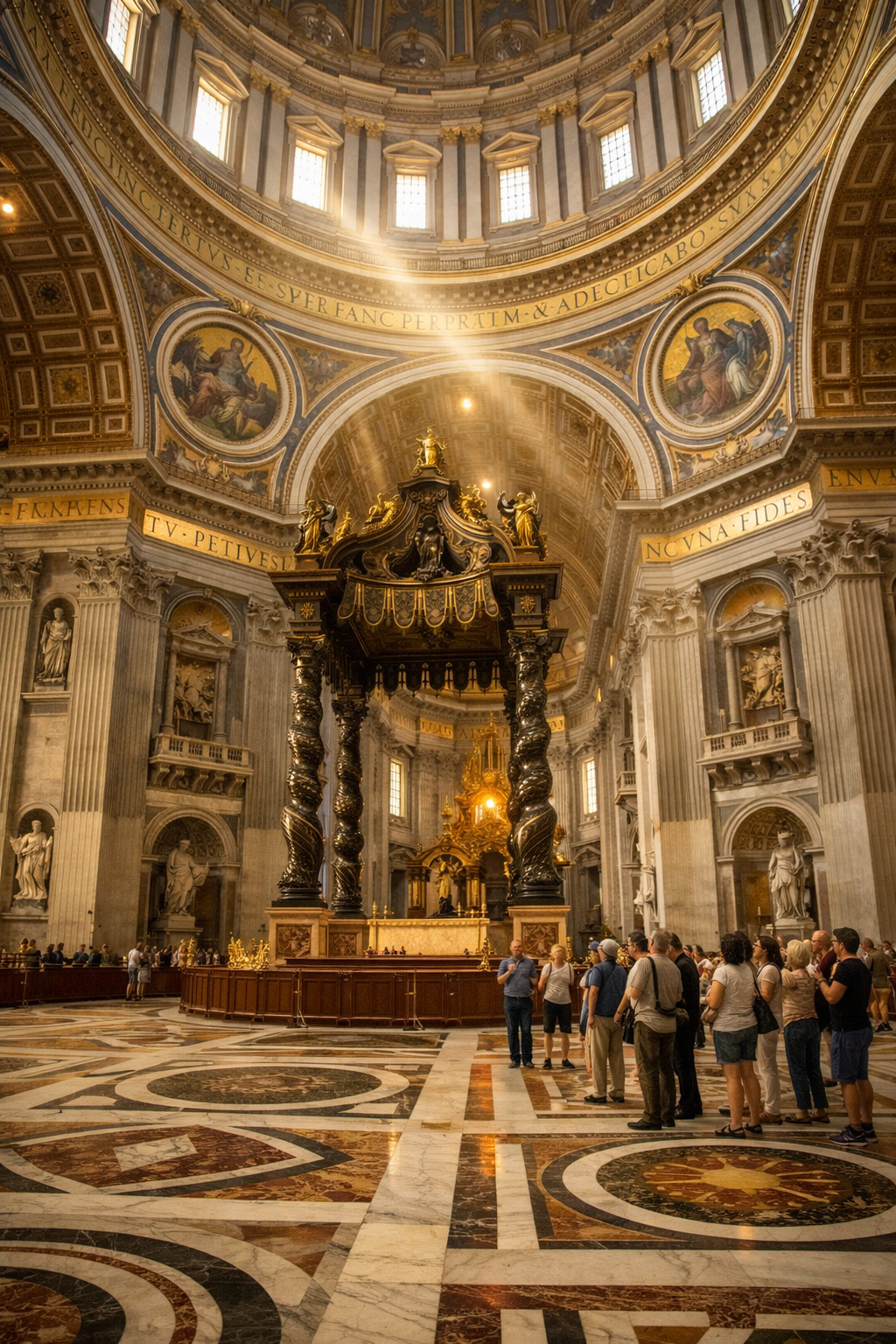
The Vatican represents an entirely different aspect of what to see in Rome Italy—Renaissance and Baroque art at its absolute finest. The Vatican Museums house over 70,000 works of art displayed across 26 museums, founded by Pope Julius II in the early 16th century[2].
The crown jewels of the Vatican Museums include:
The Sistine Chapel: Michelangelo’s breathtaking ceiling frescoes and The Last Judgement create one of humanity’s most profound artistic experiences[2]. The chapel’s vibrant colors—recently restored—depict biblical scenes with unparalleled mastery.
Raphael’s Rooms: These four chambers feature stunning frescoes including The School of Athens, which depicts the greatest philosophers and thinkers of ancient Greece[2].
St. Peter’s Basilica: This Renaissance masterpiece stands as one of the world’s largest churches and showcases works by Michelangelo, Bernini, and other masters. Don’t miss Michelangelo’s Pietà and the opportunity to climb the dome for panoramic city views.
⚠️ Important: The Vatican Museums require several hours to explore properly. I recommend arriving right when they open to avoid the worst crowds, and booking skip-the-line tickets weeks in advance during peak season.
Centro Storico: Rome’s Historic Heart
The Centro Storico (historic center) encompasses the maze of streets, piazzas, and monuments between the Tiber River and Via del Corso. This area feels like an open-air museum where you’ll stumble upon incredible sights around every corner.
Key highlights include:
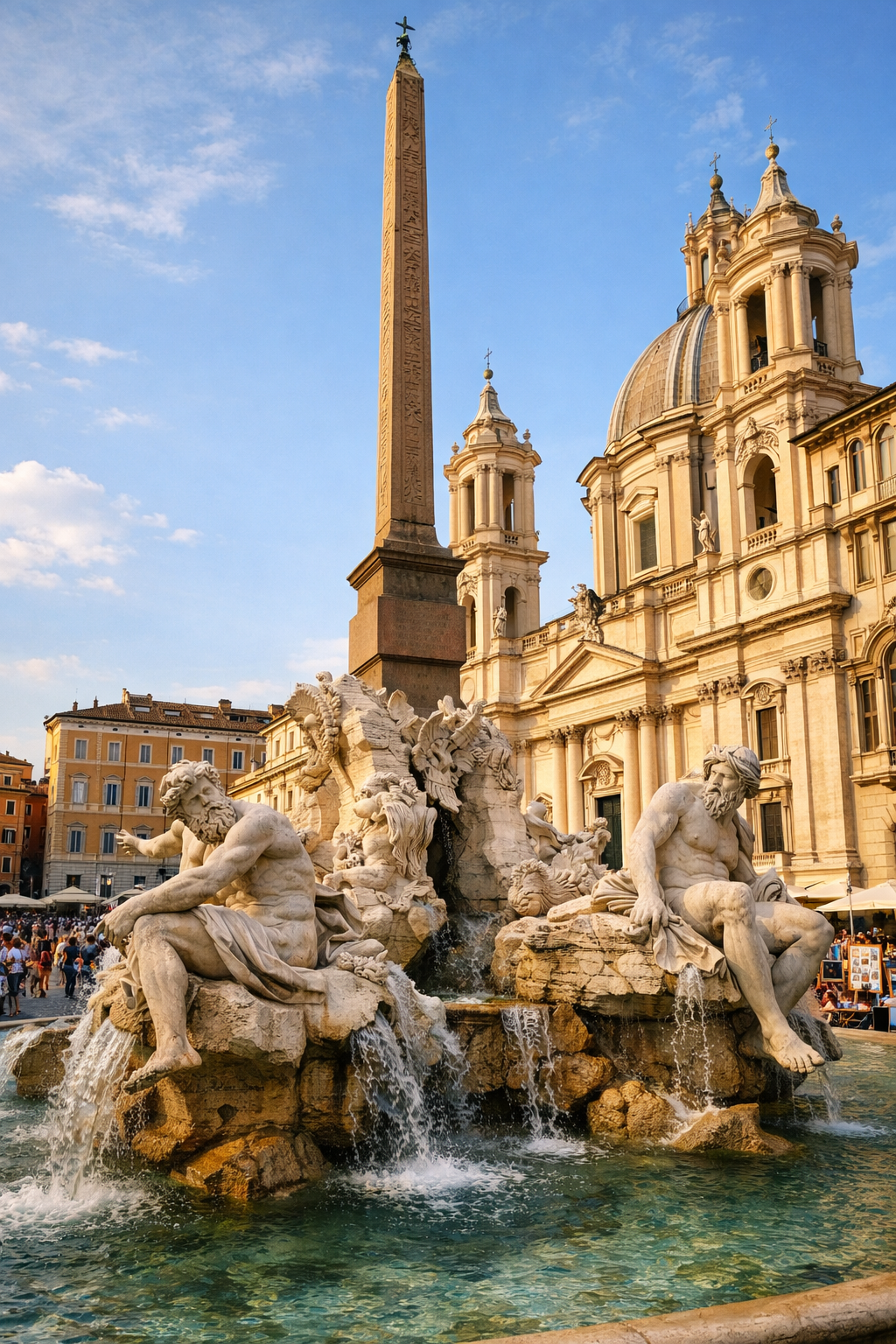
- Piazza Navona: This baroque square features three monumental fountains, including Bernini’s Fountain of the Four Rivers (1651), representing the Nile, Ganges, Danube, and Rio de la Plata[2]
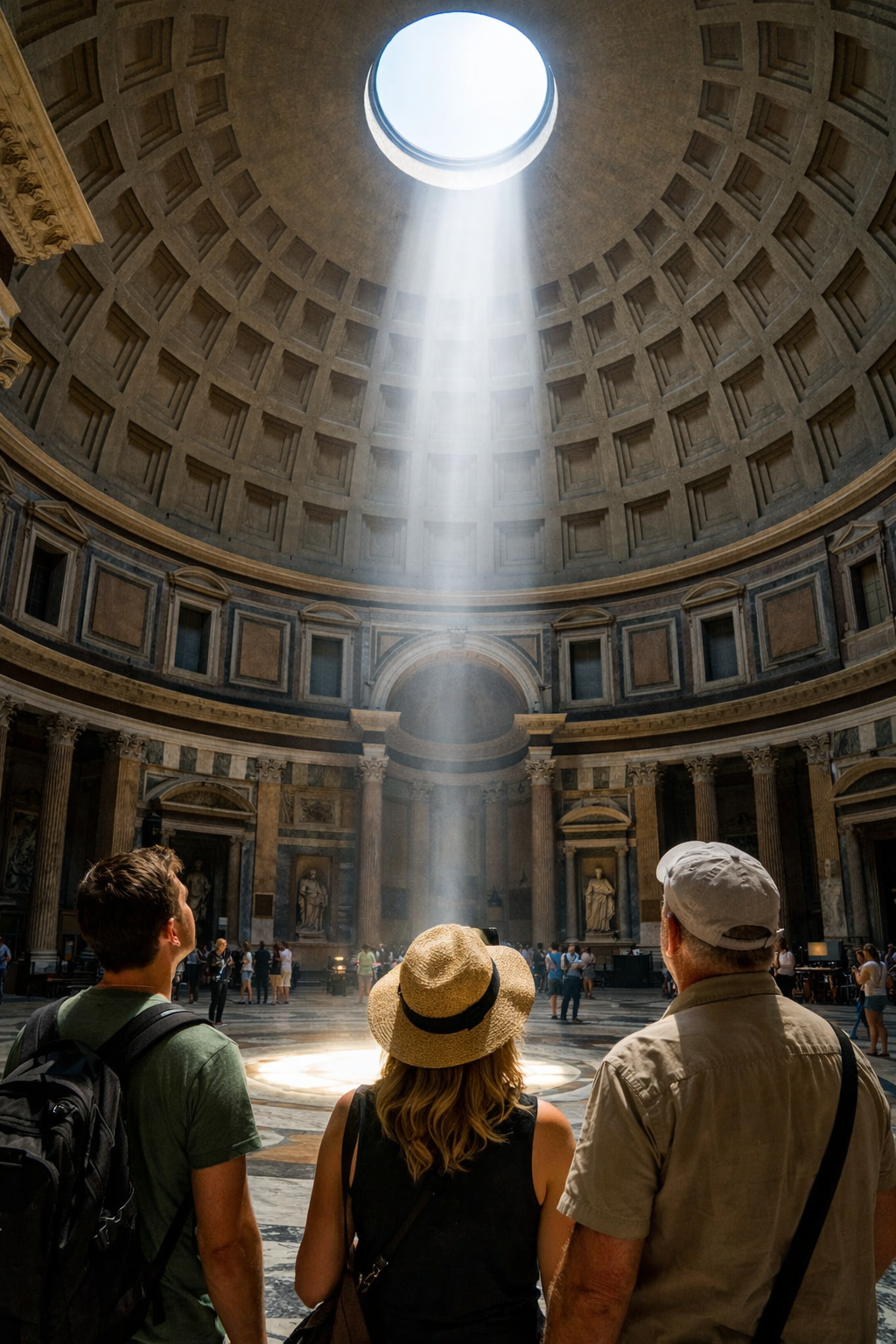
- The Pantheon: A 2,000-year-old architectural marvel with the world’s largest unreinforced concrete dome[5]
- Trevi Fountain: Rome’s most famous fountain where tradition says tossing a coin ensures your return to the Eternal City
- Spanish Steps: 135 steps leading to the Trinità dei Monti church, perfect for people-watching
The beauty of the Centro Storico is that it’s best explored on foot without a rigid plan. Get intentionally lost, follow interesting alleyways, and stop for gelato whenever the mood strikes. Much like exploring Lisbon’s historic neighborhoods, Rome’s centro rewards wanderers who embrace spontaneity.
Beyond the Basics: What to See in Rome Italy’s Hidden Treasures
Once you’ve experienced the Big Three, Rome offers countless additional attractions that reveal different layers of the city’s rich history and culture. These sites might not be as famous as the Colosseum, but they’re equally impressive and often less crowded.
Museums That Showcase Rome’s Artistic Legacy
Capitoline Museums: Founded in 1471 by Pope Sixtus IV, these are considered the world’s oldest public museums[2]. The collection includes classical art and antiquities, with the famous sculpture of the Capitoline Wolf (the symbol of Rome showing the she-wolf nursing Romulus and Remus). The museum terraces offer stunning panoramic views of the Roman Forum and the city beyond[2].
Borghese Gallery: This gem houses an extraordinary collection of Bernini sculptures, Caravaggio paintings, and other Renaissance and Baroque masterpieces. The gallery sits within the beautiful Villa Borghese gardens, making it perfect for combining art appreciation with a relaxing park stroll.
Museo Nazionale Romano: Spread across four locations, this museum complex showcases ancient Roman art, mosaics, frescoes, and sculptures that help you understand daily life in ancient Rome.
📌 Booking note: The Borghese Gallery requires advance reservations with specific entry times. Don’t skip this step or you’ll be turned away at the door!
Ancient Roads and Early Christian Sites
Via Appia Antica (Appian Way) is widely regarded as the first road in history and served as the lifeblood of the Roman Empire[2]. Walking or cycling this ancient road provides views of Roman ruins, aqueducts, and countryside that transport you back in time.
Along the Via Appia, you’ll find the Catacombs of San Sebastiano and San Callisto—early Christian burial sites where religious rituals were performed during times of persecution[2]. These underground chambers offer a fascinating glimpse into early Christianity’s challenges and practices.
The experience of walking the Via Appia feels completely different from the crowded tourist centers. It’s peaceful, contemplative, and gives you space to reflect on Rome’s incredible history.
Neighborhood Gems and Viewpoints
Trastevere: This charming neighborhood across the Tiber River features narrow cobblestone streets, colorful buildings, and authentic trattorias. First-timers should explore Piazza Garibaldi, which sits atop a hill above Trastevere and offers panoramic views of Rome[3].
Aventine Hill: Home to the famous “Keyhole of Rome” at the Knights of Malta gate, where you can peek through and see St. Peter’s Basilica perfectly framed. The nearby Orange Garden (Giardino degli Aranci) provides another excellent viewpoint, especially at sunset.
Campo de’ Fiori: This lively square hosts a morning market selling fresh produce, flowers, and local products. By evening, it transforms into a popular gathering spot with restaurants and bars surrounding the piazza.
Practical Tips for Experiencing What to See in Rome Italy
How Much Time Do You Need?
Based on my experience and travel planning expertise, you need at least 3 days to see Rome’s main highlights[1]. This allows you to cover the Big Three without feeling completely rushed. However, 5-7 days is ideal for including museums, exploring neighborhoods, taking day trips, and actually enjoying meals without constantly checking your watch[1].
Here’s a realistic breakdown:
| Duration | What You Can See |
|---|---|
| 3 days | Colosseum, Roman Forum, Vatican, Pantheon, Trevi Fountain, Spanish Steps, one neighborhood |
| 5 days | All of the above plus Borghese Gallery, Capitoline Museums, Trastevere, Villa Borghese, Via Appia Antica |
| 7 days | Everything above plus day trips (Ostia Antica, Tivoli), multiple neighborhoods, leisurely museum visits, cooking classes |
Booking Tickets and Avoiding Lines
The Pantheon now requires tickets[4], joining the Colosseum and Vatican Museums as attractions where advance booking is essential. Here’s my ticket strategy:
✅ Book these in advance (2-4 weeks before your trip):
- Colosseum and Roman Forum combo ticket
- Vatican Museums and Sistine Chapel
- Borghese Gallery (mandatory reservation)
- Any guided tours you’re interested in
✅ Can usually book day-of or walk up:
- Pantheon (though lines can be long)
- Most churches (free entry)
- Capitoline Museums
- Neighborhood exploration
Skip-the-line tickets cost more but save hours of waiting, especially during spring and summer. I consider them worth every euro during peak season.
Getting Around Rome’s Historic Center
Rome’s historic center is surprisingly walkable, and I actually recommend exploring on foot whenever possible. The entire central area is a UNESCO World Heritage site[4], meaning your walk from one attraction to another is often as interesting as the destinations themselves.
Walking: Best for distances under 1-2 miles. Wear comfortable shoes—Rome’s cobblestones are beautiful but unforgiving.
Metro: Limited in the historic center (ancient ruins make tunnel construction nearly impossible), but useful for reaching the Vatican and Colosseum.
Buses and trams: Extensive network, though can be confusing for first-timers. The hop-on-hop-off tourist buses provide a good overview on your first day.
Taxis and ride-shares: Convenient but expensive and often slower than walking due to traffic.
Best Times to Visit Major Attractions
Timing your visits strategically makes a huge difference in your experience:
🌅 Early morning (opening time): Vatican Museums, Borghese Gallery, Colosseum
🌆 Late afternoon: Roman Forum, Palatine Hill (beautiful light for photos)
🌙 Evening: Piazza Navona, Trevi Fountain, Trastevere (fewer crowds, magical atmosphere)
The historic center’s piazzas and fountains are actually more enjoyable after dark when the day-trippers have left and the monuments are beautifully illuminated.
Creating Your Perfect Rome Itinerary
Sample 3-Day First-Timer Itinerary
Day 1: Ancient Rome
- Morning: Colosseum (book the earliest entry time)
- Late morning: Roman Forum and Palatine Hill
- Afternoon: Capitoline Museums
- Evening: Dinner in Monti neighborhood
Day 2: Vatican and Centro Storico
- Morning: Vatican Museums and Sistine Chapel (early entry)
- Midday: St. Peter’s Basilica
- Afternoon: Castel Sant’Angelo or rest
- Evening: Piazza Navona, Pantheon, Trevi Fountain
Day 3: Neighborhoods and Hidden Gems
- Morning: Borghese Gallery
- Afternoon: Trastevere exploration
- Late afternoon: Piazza Garibaldi viewpoint[3]
- Evening: Campo de’ Fiori and Jewish Ghetto
Extending Your Stay
With additional days, consider these enriching experiences:
Day trips: Ostia Antica (ancient port city), Tivoli (Villa d’Este and Hadrian’s Villa), Orvieto (hilltop medieval town)
Specialized tours: Food tours, cooking classes, catacombs tours, underground Rome experiences
Additional neighborhoods: Testaccio (foodie paradise), Prati (upscale residential area near Vatican), Monti (bohemian charm)
Day 4-5 additions: Via Appia Antica bike tour, Baths of Caracalla, Protestant Cemetery, Aventine Hill
Similar to planning a comprehensive South of France itinerary, Rome rewards travelers who build in flexibility and downtime rather than cramming every minute with scheduled activities.
Food, Culture, and Local Experiences
Essential Roman Food Experiences
What to see in Rome Italy extends beyond monuments—the food culture is equally important to experience. Rome has four classic pasta dishes that every first-timer should try:
🍝 Cacio e Pepe: Pecorino cheese and black pepper with pasta
🥓 Carbonara: Guanciale (pork cheek), egg, pecorino, black pepper
🍅 Amatriciana: Tomato sauce with guanciale and pecorino
🐑 Gricia: The “white Amatriciana” with guanciale and pecorino
Where to eat: Avoid restaurants directly on major tourist piazzas (overpriced and mediocre). Instead, walk two or three blocks away to find authentic trattorias frequented by locals.
Gelato strategy: Real gelato isn’t piled high in artificial-looking mounds. Look for gelaterias where the gelato is stored in covered metal containers—this indicates quality ingredients and proper storage.
Aperitivo culture: Between 6-8 PM, many bars offer aperitivo—buy a drink and enjoy complimentary snacks or small plates. It’s a perfect way to experience local social culture.
Cultural Etiquette and Practical Tips
🙏 Dress codes: Churches require covered shoulders and knees. Carry a light scarf or shawl to wrap around yourself when entering religious sites.
💶 Money matters: Many smaller establishments still prefer cash. ATMs are widely available, but notify your bank before traveling.
🗣️ Language: Learning basic Italian phrases (buongiorno, grazie, per favore) goes a long way. Romans appreciate the effort even if your pronunciation isn’t perfect.
🚰 Drinking fountains: Rome has hundreds of “nasoni” (public drinking fountains) with safe, cold water. Bring a refillable bottle to stay hydrated while sightseeing.
Seasonal Considerations
Spring (April-May): Beautiful weather, flowers blooming, but peak tourist season with higher prices and crowds
Summer (June-August): Hot and crowded. Many Romans leave the city in August. Expect temperatures over 90°F (32°C)
Fall (September-October): Ideal weather, fewer crowds than spring, still warm enough for comfortable sightseeing
Winter (November-March): Fewer tourists, lower prices, occasional rain. Christmas season is magical but crowded
I personally love visiting Rome in early fall when the summer heat has passed but the weather remains pleasant for walking.
Making the Most of Your Rome Adventure
Photography Tips for Rome’s Iconic Sites
📸 Best photo spots:
- Colosseum from Via Nicola Salvi or Oppian Hill
- St. Peter’s Basilica from Castel Sant’Angelo bridge
- Roman Forum from Capitoline Hill terrace
- Trevi Fountain from the steps (arrive very early or late evening)
Golden hour magic: The hour before sunset bathes Rome’s terracotta buildings in warm, golden light that’s absolutely stunning. Plan to be at a viewpoint or major monument during this time.
Avoid midday: Harsh overhead light creates unflattering shadows. Use midday for indoor museums and save outdoor photography for morning or late afternoon.
Staying Safe and Comfortable
Rome is generally safe, but tourist areas attract pickpockets. Keep these tips in mind:
🎒 Secure your belongings: Use anti-theft bags or keep valuables in front pockets
🚇 Watch for distractions: Pickpockets often work in teams—one distracts while another steals
🍷 Stay aware: Enjoy wine with dinner, but stay alert when walking home
📱 Save important numbers: Keep your embassy contact information and emergency services (112) saved in your phone
Connecting with Local Culture
Free walking tours: Many companies offer “free” walking tours (tip-based) that provide excellent historical context and orientation
Attend a mass: Even if you’re not religious, attending a service at St. Peter’s Basilica offers a unique cultural experience
Market visits: Morning markets like Campo de’ Fiori or Testaccio Market show you authentic Roman daily life
Language exchange: Some cafés host language exchange events where you can practice Italian and meet locals
The key to truly experiencing what to see in Rome Italy is balancing major attractions with authentic local experiences. Don’t just see Rome—live it, taste it, and connect with it.
Conclusion: Your Rome Adventure Awaits
Rome isn’t a city you simply visit—it’s a city you experience with all your senses. From the moment you first glimpse the Colosseum rising above the modern streets to your final gelato before heading to the airport, Rome weaves its ancient magic around you. Understanding what to see in Rome Italy as a first-timer means prioritizing the essential Big Three—the Colosseum and Roman Forum, the Vatican, and the Centro Storico—while leaving room for spontaneous discoveries in charming neighborhoods and hidden piazzas.
The beauty of Rome is that it rewards both careful planning and serendipitous wandering. Yes, book your tickets in advance for major attractions. Yes, arrive early to beat the crowds. But also leave space in your itinerary to follow an intriguing alleyway, linger over a perfect espresso, or watch the sunset paint the city in shades of gold from an unexpected viewpoint.
Your Next Steps
Ready to start planning your Roman adventure? Here’s what to do right now:
- Decide on your trip length: Aim for at least 3-5 days to see the highlights without feeling rushed
- Book your major tickets: Reserve Colosseum, Vatican Museums, and Borghese Gallery tickets 2-4 weeks in advance
- Research accommodations: Stay in or near the historic center (Centro Storico, Monti, or Trastevere) to maximize your time
- Create a flexible itinerary: Use the sample itinerary in this guide as a starting point, then customize based on your interests
- Learn basic Italian phrases: Download a language app and practice greetings and essential phrases
- Pack appropriately: Comfortable walking shoes, modest clothing for churches, and a refillable water bottle are essential
Rome has stood for nearly three millennia, and it will still be there whether you see everything on your list or not. The goal isn’t to check off every attraction—it’s to fall in love with the Eternal City so completely that you’re already planning your return before you even leave.
As the saying goes, “All roads lead to Rome.” Your road is waiting. Buon viaggio! 🇮🇹