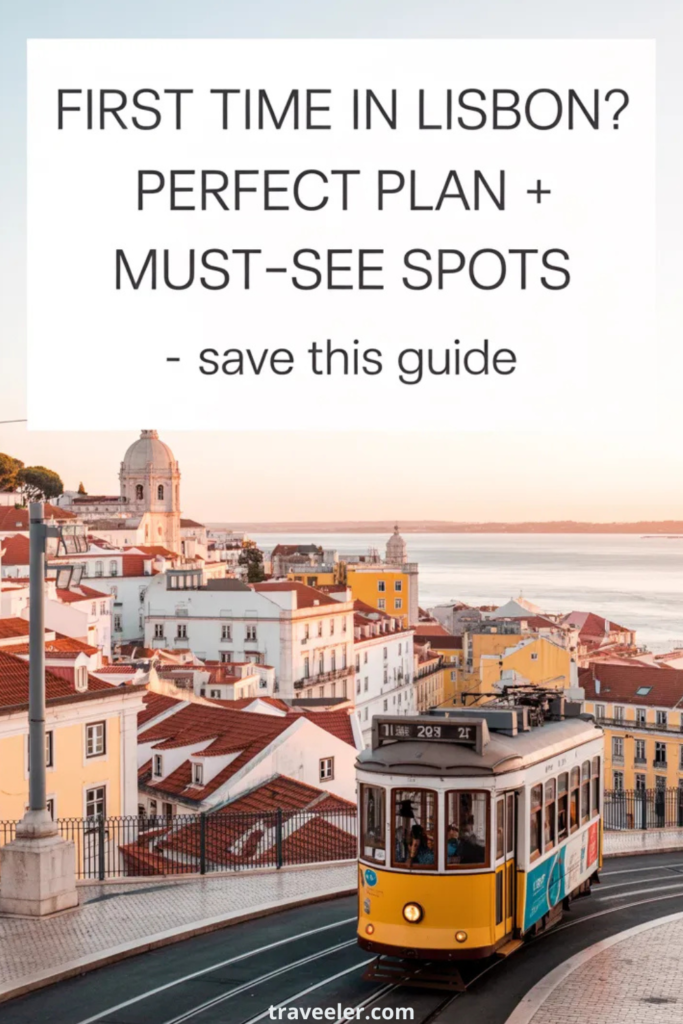
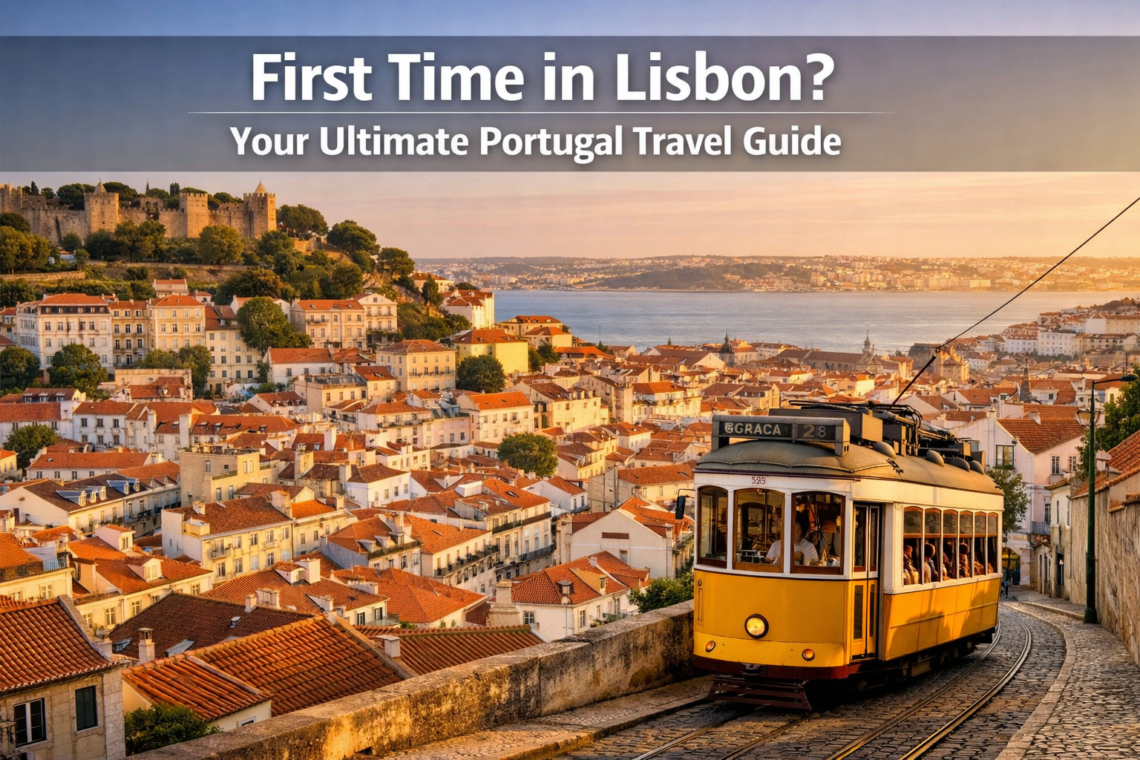
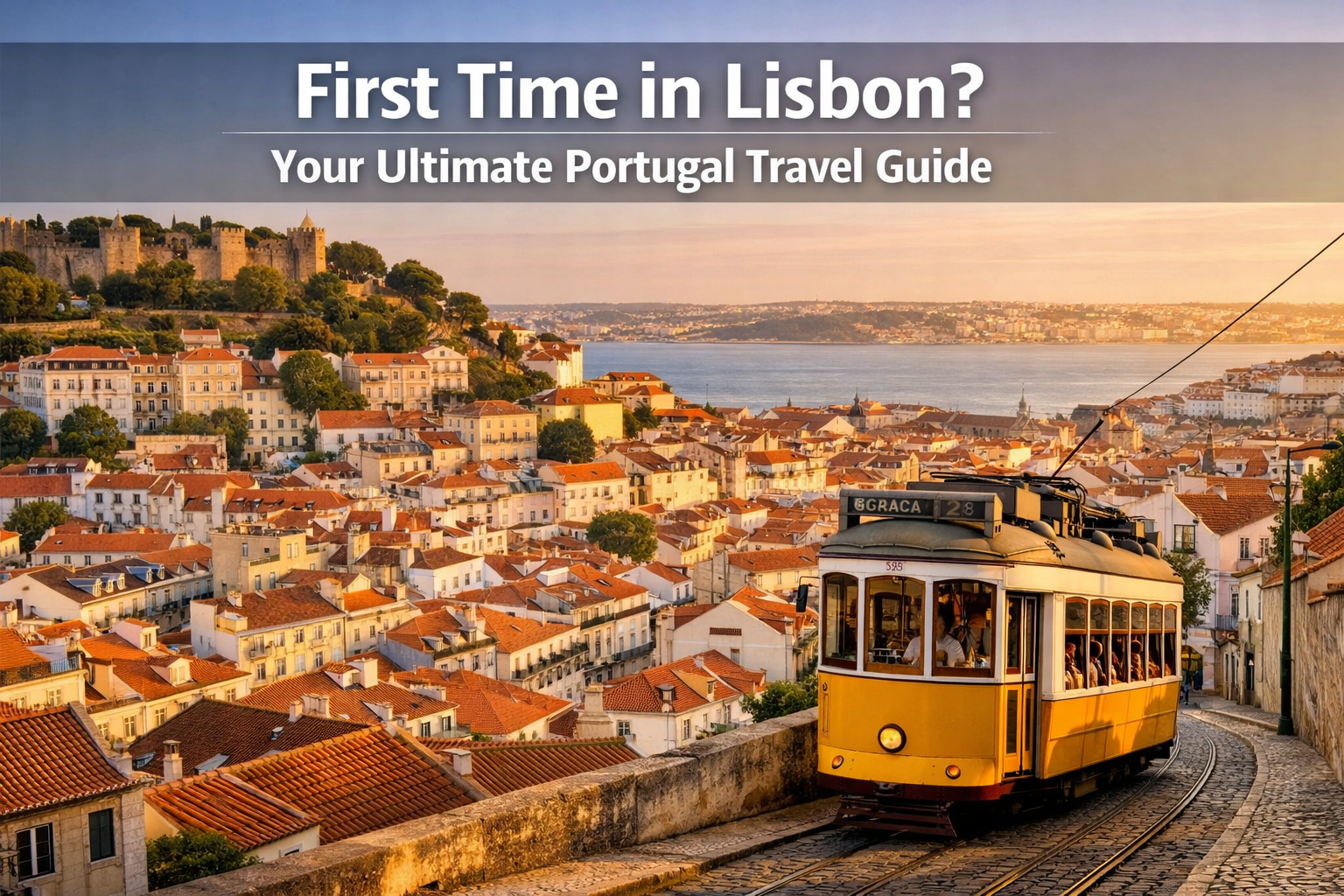
Picture this: You’re standing on a centuries-old cobblestone street, the sweet aroma of freshly baked pastéis de nata wafting through the air, while a vintage yellow tram rattles past colorful tile-covered buildings. Welcome to Lisbon—a city where ancient history dances with modern vibrancy, where seven hills offer breathtaking views at every turn, and where every corner tells a story. If you’re planning your first trip to Portugal’s captivating capital, you’ve landed in the right place. This Lisbon Portugal travel guide will transform you from a nervous first-timer into a confident explorer ready to tackle this enchanting city like a seasoned traveler.
I’ve poured my experience and extensive research into creating this comprehensive resource that covers everything you need to know—from navigating those famously steep hills to discovering hidden viewpoints that’ll make your Instagram followers weep with envy.
Key Takeaways
- Plan for at least 3 full days in Lisbon to explore the main neighborhoods and attractions without feeling rushed, though a week allows for enriching day trips to Sintra and Cascais[3]
- The Lisboa Card (€46 for 72 hours) offers exceptional value with unlimited public transport and free entry to major attractions that would otherwise cost €70-90 separately[4]
- Lisbon sprawls across seven steep hills, so prepare for considerable uphill walking and embrace the city’s excellent tram and metro systems for getting around[3]
- Book flights midweek rather than Friday evenings or weekend returns to secure better prices and availability[3]
- Dedicate entire days to specific areas: Day 1 for Alfama, Baixa, and Bairro Alto; Day 2 for the monumental Belém district and its “Age of Discovery” attractions[3][5]
Why Lisbon Should Be Your Next European Adventure
Let me be honest—Lisbon wasn’t originally at the top of my European bucket list. But after my first visit, I understood why travelers consistently rank it among Europe’s most captivating capitals. Unlike some European cities that feel like open-air museums, Lisbon pulses with authentic life.
The city offers something genuinely special: affordability without sacrificing quality. Compared to Paris, London, or Rome, your euros stretch considerably further here. A delicious meal with wine rarely breaks the bank, and world-class museums won’t drain your travel fund[4].
What really sets Lisbon apart is its accessibility for first-time visitors. The compact historic center means you can walk between major neighborhoods, though those hills will give your calves a workout! The locals—or Lisboetas—are remarkably welcoming, and many speak English, making navigation easier for nervous travelers[1].
The city’s unique blend of melancholy and joy creates an atmosphere you won’t find elsewhere. This is the birthplace of fado music, where soulful songs echo through narrow streets at night. It’s a place where centuries-old traditions coexist with cutting-edge restaurants and vibrant street art.
Planning Your Perfect Lisbon Trip: Essential Basics
How Long Should You Stay in Lisbon?
Here’s my straightforward recommendation for your Lisbon Portugal travel guide planning: budget a minimum of three full days for your first visit[3]. This gives you enough time to explore the main neighborhoods, visit key attractions, and actually absorb the city’s atmosphere rather than just checking boxes on a list.
That said, Lisbon rewards longer stays. A week or even ten days allows you to slow down, take enriching day trips to surrounding regions, and discover neighborhoods beyond the tourist trail[3]. I’ve found that the longer you stay, the more the city reveals its secrets.
When to Visit: Timing Your Lisbon Adventure
Lisbon enjoys a Mediterranean climate with mild winters and warm summers, making it a year-round destination. However, timing matters:
🌸 Spring (March-May): Perfect weather, blooming jacaranda trees, and fewer crowds than summer. This is my personal favorite season.
☀️ Summer (June-August): Peak tourist season with hot temperatures (often 30°C+) and crowded attractions. Book accommodations well in advance.
🍂 Autumn (September-November): Excellent choice with pleasant temperatures, harvest season, and the summer crowds dissipating.
❄️ Winter (December-February): Mild but rainy. Great for budget travelers as prices drop significantly. The city feels more authentically local.
Booking Your Flights Strategically
Here’s a money-saving tip that many first-timers miss: if you have flexible dates, book flights departing midweek rather than Friday evenings or returning on Sunday/Monday[3]. These popular travel days sell out first and command premium prices. A Tuesday or Wednesday departure can save you €50-150 per ticket.
Understanding Lisbon’s Geography: The Seven Hills
Before you arrive, understand this crucial fact: Lisbon extends over seven steep hills[3]. This isn’t marketing fluff—you’ll experience considerable uphill walking throughout your visit, particularly in neighborhoods like Alfama and Bairro Alto.
Don’t let this intimidate you! The hills create Lisbon’s character and provide those spectacular viewpoints (miradouros) that make the city so photogenic[1]. Just pack comfortable walking shoes with good grip, and embrace the city’s excellent public transport when your legs need a break.
Must-See Lisbon Attractions and Neighborhoods in Your Lisbon Portugal Travel Guide
Day 1: The Historic Heart—Alfama, Baixa, Cais do Sodré, and Chiado
Your first day should focus on Lisbon’s historic core. This Lisbon Portugal travel guide recommends starting in Alfama, the city’s oldest quarter that miraculously survived the devastating 1755 earthquake[3].
Alfama: Where Lisbon’s Soul Lives
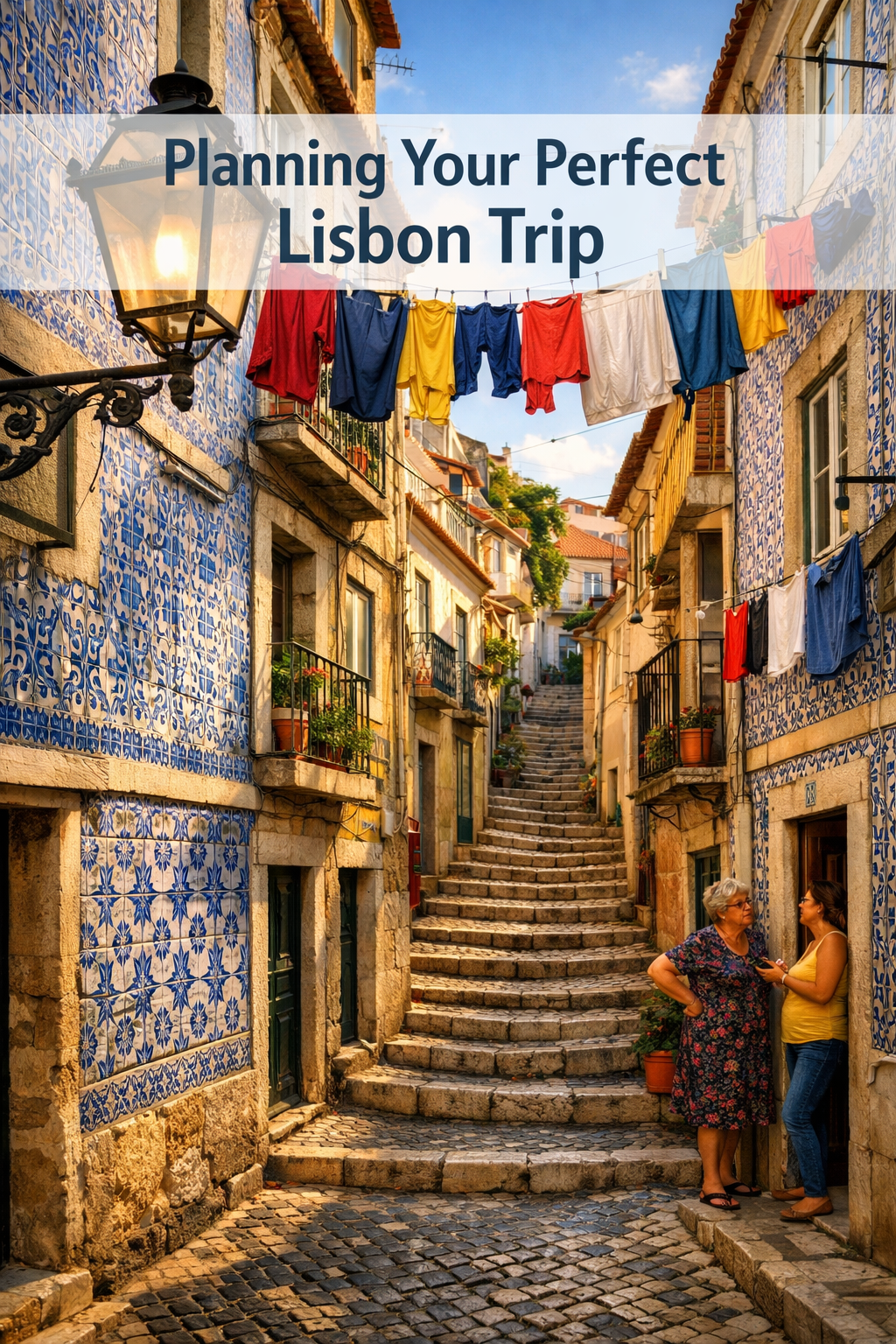
Alfama is a labyrinth of narrow streets where laundry hangs between buildings and fado music drifts from tavern doorways. Get deliberately lost here—it’s impossible to stay lost for long, and wandering is half the magic.
Key Alfama highlights:
- São Jorge Castle: Perched atop Alfama’s highest point, this Moorish fortress offers panoramic city views. Entry costs €9, and sunset visits are particularly spectacular[1][3]
- Miradouro da Portas do Sol: This viewpoint provides stunning vistas over Alfama’s terracotta rooftops and the Tagus River[1]
- National Tile Museum: Showcasing Portugal’s famous azulejo tiles from the 15th century to present day, this museum tells the story of Portuguese decorative arts[1]
- Lisbon Cathedral (Sé): The city’s oldest church, dating to 1147, with Romanesque architecture and peaceful cloisters
Baixa: The Downtown Grid
From Alfama, descend to Baixa, Lisbon’s downtown district rebuilt in an orderly grid after the 1755 earthquake. The main artery, Rua Augusta, leads to the magnificent Praça do Comércio, one of Europe’s grandest squares opening directly onto the Tagus River.
Chiado: Intellectual and Artistic Heart
Chiado represents Lisbon’s sophisticated side, with historic cafés, bookshops, and theaters. Stop at Café A Brasileira to see the bronze statue of Portugal’s famous poet Fernando Pessoa sitting at an outdoor table.
Evening in Bairro Alto
As evening approaches, climb to Bairro Alto, the bohemian neighborhood that transforms from sleepy residential area by day to Lisbon’s nightlife epicenter after dark[3]. The steep streets fill with locals and travelers spilling out of tiny bars, creating an electric atmosphere.
Day 2: Belém—The Age of Discovery Awaits
Dedicate your entire second day to Belém, the monumental riverside district that warrants a full day due to its concentration of “Age of Discovery” attractions[3][5]. This is where Portuguese explorers departed on voyages that changed world history.
Belém’s unmissable attractions:
| Attraction | Highlights | Entry Fee |
|---|---|---|
| Jerónimos Monastery | UNESCO World Heritage Site, stunning Manueline architecture, Vasco da Gama’s tomb | €10 (free with Lisboa Card)[4] |
| Belém Tower | Iconic 16th-century fortress, symbol of Portugal’s maritime power | €6 (free with Lisboa Card)[4] |
| Monument to the Discoveries | 52-meter monument honoring Portuguese explorers, rooftop viewing platform | €6 |
| MAAT | Museum of Art, Architecture and Technology in striking contemporary building | €9 |
| Pastéis de Belém | The original custard tart bakery since 1837—expect queues but they move quickly | €1.30 per tart |
Pro tip: Start early at Jerónimos Monastery before the tour buses arrive, then work your way along the waterfront. Save Pastéis de Belém for an afternoon sugar boost—these warm custard tarts are genuinely worth the hype.
Lisbon’s Magnificent Miradouros (Viewpoints)
Lisbon’s seven hills create numerous miradouros scattered throughout the city[1]. These viewpoints offer free entertainment and spectacular photo opportunities. My favorites include:
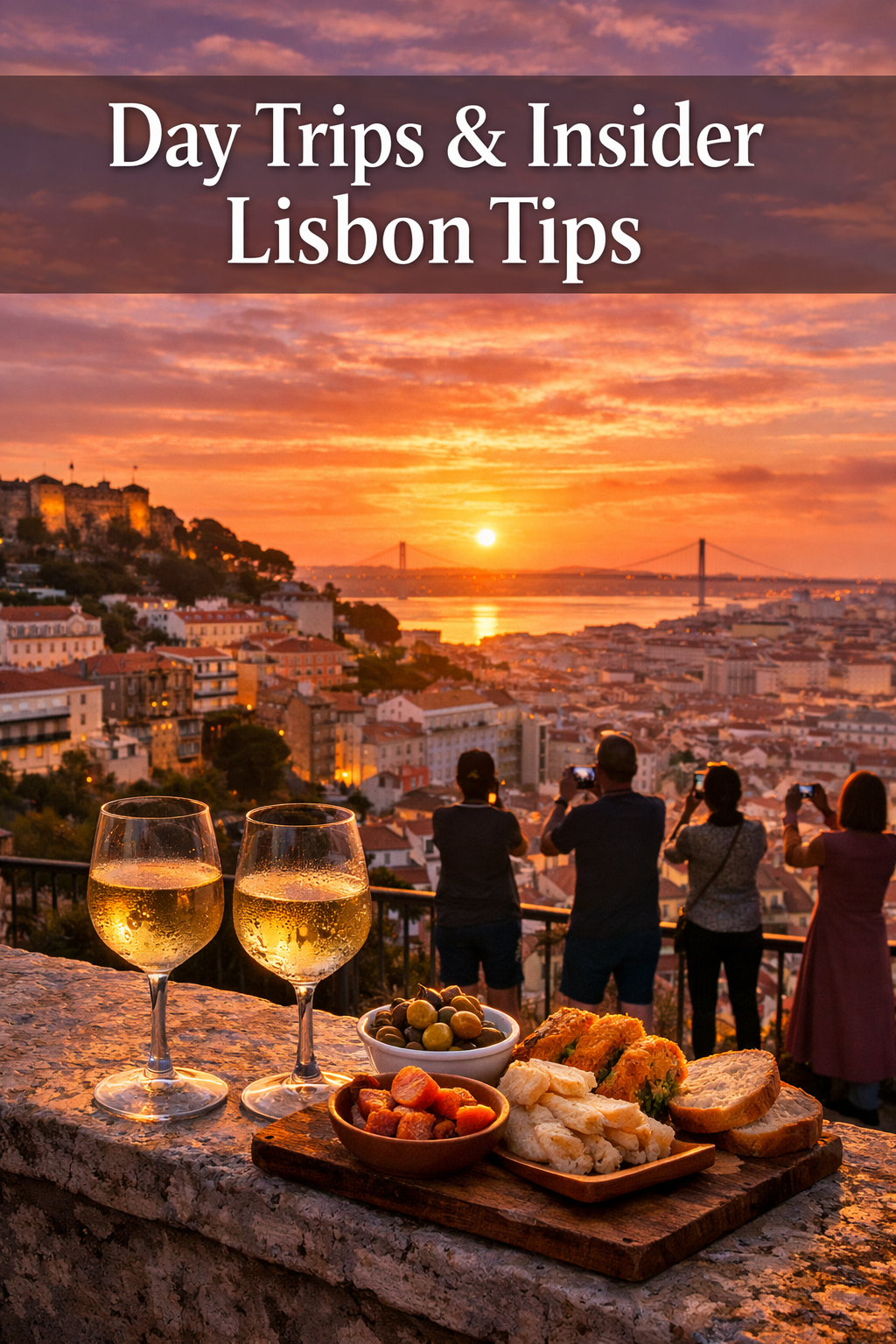
- Miradouro da Senhora do Monte: The highest viewpoint with 360-degree panoramas, perfect for sunset
- Miradouro da Graça: Popular with locals, featuring a terrace café and sweeping city views
- Miradouro de Santa Catarina: Bohemian atmosphere with street performers and a younger crowd
- Elevador de Santa Justa: This neo-Gothic elevator offers rooftop views (though it’s touristy and often crowded)
Museums Beyond the Basics
While Jerónimos Monastery and Belém Tower dominate most itineraries, Lisbon offers exceptional museums for various interests:
Calouste Gulbenkian Museum: One of Europe’s finest private collections, spanning 5,000 years from ancient Egypt to European masters[4]. The peaceful gardens alone merit a visit.
Museu Nacional do Azulejo: Beyond just tiles, this museum occupies a stunning 16th-century convent and tells the story of Portuguese decorative arts[1].
Berardo Collection Museum: Contemporary and modern art housed in Belém’s Cultural Center, with free permanent collection access.
Getting Around Lisbon: Transportation in Your Lisbon Portugal Travel Guide

Public Transportation: Your Best Friend
Lisbon’s comprehensive public transport system makes navigating the city straightforward, even for first-timers. The network includes metro, trams, buses, and funiculars, all integrated under one ticketing system[1].
The Metro System
The Lisbon Metro connects all major areas with four color-coded lines. It’s clean, safe, efficient, and runs from 6:30 AM to 1:00 AM. A single journey costs €1.50, but you’ll need to purchase a rechargeable Viva Viagem card (€0.50) first.
The Famous Trams
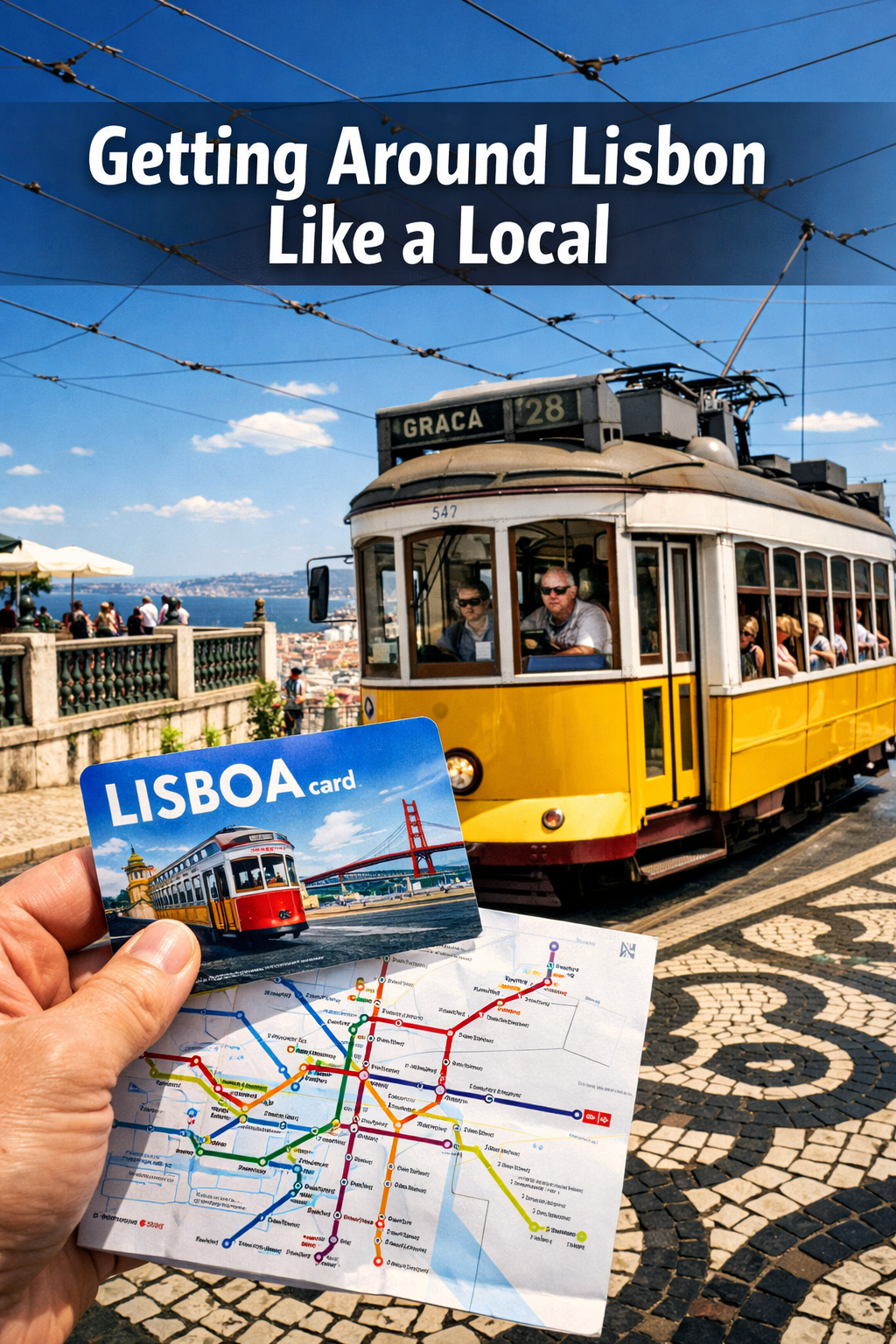
Lisbon’s vintage yellow trams are iconic, but they’re also functional transport. Tram 28 is the most famous route, winding through Alfama, Baixa, and up to Estrela. It’s “super accessible and a fun way to explore Lisbon”[1], though expect crowds during peak hours.
Tram tips:
- Board at terminus stations for better chances of getting a seat
- Watch for pickpockets on crowded trams
- Consider Tram 12 or 25 for similar experiences with fewer tourists
The Lisboa Card: Is It Worth It?
The 72-hour Lisboa Card costs €46 and provides unlimited public transport plus free entry to major attractions[4]. Let’s do the math:
Individual costs:
- Jerónimos Monastery: €10
- Belém Tower: €6
- São Jorge Castle: €9
- National Tile Museum: €5
- Public transport for 3 days: €15-20
- Total: €70-90
The card pays for itself if you visit just three major attractions and use public transport regularly. It also includes skip-the-line privileges at some sites, saving precious vacation time[4].
Ride-Sharing and Taxis
Uber and Bolt operate extensively in Lisbon with reasonable rates. Most rides within the city cost no more than €15[1], making them excellent options when you’re tired from hill-climbing or traveling late at night.
Traditional taxis are metered and reliable, though slightly more expensive than ride-sharing apps. They’re cream-colored and readily available at taxi ranks throughout the city.
Walking: The Best Way to Discover Lisbon
Despite those hills, walking remains the best way to experience Lisbon’s neighborhoods. The historic center is compact, and you’ll discover hidden squares, street art, and local cafés that you’d miss from a tram window.
Invest in comfortable walking shoes—this isn’t negotiable. The cobblestone streets and steep inclines will punish fashion-over-function footwear choices.
Day Trips from Lisbon: Expanding Your Lisbon Portugal Travel Guide
If you’re staying longer than three days, Lisbon’s location makes it an excellent base for remarkable day trips. The two most popular destinations are easily reached by train in under an hour[3].
Sintra: A Fairytale Mountain Town
Sintra feels like stepping into a storybook. This UNESCO World Heritage town nestled in misty mountains features extravagant palaces, mysterious gardens, and romantic ruins.
Must-see Sintra attractions:
🏰 Pena Palace: A candy-colored Romanticist castle perched on a hilltop, looking like Disney’s inspiration. Book tickets online in advance to avoid sold-out disappointment.
🏛️ Quinta da Regaleira: An enigmatic estate with underground tunnels, mystical symbols, and the famous “Initiation Well” descending nine stories into the earth.
⚔️ Moorish Castle: Medieval fortress ruins with spectacular mountain and ocean views.
🌳 Monserrate Palace: Often overlooked but stunning, with exotic gardens and Indo-Gothic architecture.
Getting there: Trains depart from Rossio Station every 20 minutes (€2.30 each way). In Sintra, use the 434 bus to reach hilltop palaces or book a tuk-tuk tour[3].
Time needed: A full day, though you could easily spend two days exploring thoroughly.
Cascais: Coastal Charm and Beaches
Cascais offers a completely different vibe—a sophisticated seaside resort town with beautiful beaches, coastal walks, and fresh seafood restaurants.
Combine Cascais with nearby Cabo da Roca (Europe’s westernmost point) and the dramatic cliffs of Boca do Inferno for a perfect coastal day trip[3].
Getting there: Trains from Cais do Sodré Station run every 20 minutes along the scenic coast (€2.30 each way).
Other Worthwhile Day Trips
- Óbidos: Medieval walled town famous for cherry liqueur served in chocolate cups
- Mafra Palace: Massive Baroque palace and monastery, often combined with surf town Ericeira[3]
- Setúbal: Working fishing town with excellent seafood and dolphin-watching opportunities[1][3]
- Évora: UNESCO-listed Roman temple and medieval center (requires a longer day)
- Fátima and Nazaré: Religious pilgrimage site and dramatic coastal cliffs, accessible via public transport[1][3]
If you enjoy exploring different destinations, you might also appreciate discovering romantic getaway options for future travels.
Practical Tips for First-Time Visitors to Lisbon
Money Matters and Budgeting
Portugal uses the Euro (€), and Lisbon remains remarkably affordable compared to other Western European capitals. Credit cards are widely accepted, though smaller establishments and traditional restaurants may prefer cash.
Daily budget estimates (per person):
- Budget traveler: €40-60 (hostel, street food, free attractions, public transport)
- Mid-range traveler: €80-120 (modest hotel, restaurant meals, paid attractions, occasional taxis)
- Luxury traveler: €200+ (upscale hotel, fine dining, private tours, convenience)
ATMs are plentiful, but notify your bank before traveling to avoid card blocks. Withdraw larger amounts less frequently to minimize ATM fees.
Language and Communication
Portuguese is the official language, but English is widely spoken in tourist areas, hotels, and restaurants, especially among younger Lisboetas[1]. That said, learning a few Portuguese phrases earns appreciative smiles:
- Olá (oh-LAH) – Hello
- Obrigado/Obrigada (oh-bree-GAH-doo/dah) – Thank you (male/female speaker)
- Por favor (por fah-VOR) – Please
- Desculpe (desh-KOOL-peh) – Excuse me
- Conta, por favor (KON-tah por fah-VOR) – The bill, please
Safety and Common Sense
Lisbon is generally very safe for tourists, with violent crime being rare. However, pickpocketing occurs in crowded areas, particularly on Tram 28, at viewpoints, and in Rossio Square.
Safety tips:
- Use anti-theft bags or keep valuables in front pockets
- Don’t leave phones or bags on restaurant tables
- Be cautious of distraction techniques (someone asking for directions while an accomplice targets your bag)
- Avoid poorly lit areas late at night when alone
- Keep copies of important documents separate from originals
Food and Dining Culture
Portuguese cuisine deserves its own guide, but here are essentials for your Lisbon Portugal travel guide:
Must-try dishes:
- Pastéis de nata: Custard tarts—try them at Pastéis de Belém or Manteigaria
- Bacalhau: Salted cod prepared in supposedly 365 different ways
- Sardinhas assadas: Grilled sardines, especially during June’s Santo António festival
- Francesinha: Hearty sandwich with meat, cheese, and beer sauce (actually from Porto but available in Lisbon)
- Caldo verde: Comforting kale and potato soup
Dining customs:
- Lunch runs 12:30-3:00 PM; dinner starts around 8:00 PM
- Couvert (bread, olives, cheese) arrives automatically but isn’t free—you can refuse it
- Tipping isn’t obligatory but 5-10% is appreciated for good service
- Many restaurants close on Sundays or Mondays
What to Pack for Lisbon
Your packing list should account for Lisbon’s hills, cobblestones, and variable weather:
✅ Comfortable walking shoes with good grip (non-negotiable!)
✅ Layers for temperature changes throughout the day
✅ Light rain jacket (even in summer, brief showers happen)
✅ Sunscreen and sunglasses (the sun reflects intensely off white buildings)
✅ Reusable water bottle (tap water is safe to drink)
✅ Power adapter (Type C and F plugs, 230V)
✅ Modest clothing for church visits (covered shoulders and knees)
Connectivity and WiFi
Most hotels, cafés, and restaurants offer free WiFi. For constant connectivity, consider purchasing a Portuguese SIM card at the airport or from providers like Vodafone, MEO, or NOS. Tourist SIM cards with data packages start around €15-20 for a week.
Alternatively, check if your mobile provider offers reasonable European roaming rates.
Respecting Local Culture
Lisboetas are generally warm and welcoming, but respecting local customs enhances your experience:
- Greet shopkeepers when entering small stores
- Don’t assume everyone speaks English—ask “Fala inglês?” first
- Respect residential neighborhoods, especially late at night in Bairro Alto
- Queue politely and wait your turn
- Dress modestly in religious sites
- Ask permission before photographing locals
Seasonal Events and Festivals in Lisbon
Timing your visit around local festivals adds cultural richness to your trip:
🎉 Santo António Festival (June 12-13): Lisbon’s biggest celebration honoring the city’s patron saint, with street parties, grilled sardines, and the traditional Marchas Populares parade.
🎵 NOS Alive (July): Major music festival attracting international headliners to Algés riverfront.
🎬 IndieLisboa (April-May): International independent film festival showcasing emerging filmmakers.
🎭 Festa de São João (June 23-24): Midsummer celebrations with bonfires and festivities, though bigger in Porto.
🎨 Lisbon Architecture Triennale (October, every three years): Showcasing contemporary architecture and urban design.
Where to Stay: Neighborhood Guide
Choosing the right neighborhood significantly impacts your Lisbon experience. Here’s my breakdown:
Baixa/Chiado: Central location, walkable to everything, but can be touristy and noisy. Best for first-timers wanting convenience.
Alfama: Authentic atmosphere, charming streets, but very hilly and can feel isolated at night. Great for romantics and culture seekers.
Bairro Alto: Vibrant nightlife, excellent restaurants, but extremely loud on weekends. Perfect for party-seekers, challenging for light sleepers.
Príncipe Real: Upscale, trendy, with boutiques and design shops. Good balance of local life and tourist amenities.
Belém: Peaceful and monumental, but far from central nightlife. Ideal for families or those prioritizing major attractions over nightlife.
Cais do Sodré: Formerly gritty, now gentrified with the Time Out Market. Central with good transport links but can be rowdy near the market.
For those who enjoy exploring various travel destinations, you might find inspiration in guides about things to do in Destin, Florida or activities in Siesta Key for future beach getaways.
Shopping and Souvenirs
Lisbon offers excellent shopping from traditional crafts to contemporary design:
Traditional souvenirs:
- Azulejo tiles: Decorative ceramic tiles in traditional patterns
- Cork products: Portugal is the world’s largest cork producer—wallets, bags, and accessories
- Conservas: Beautifully packaged tinned fish from shops like Conserveira de Lisboa
- Portuguese wine: Port, Vinho Verde, or Alentejo reds
- Ceramics: Hand-painted pottery from Bordallo Pinheiro or Vista Alegre
Shopping areas:
- Rua Augusta: Main pedestrian street with international chains
- Príncipe Real: Independent boutiques and design shops
- LX Factory: Creative hub in converted industrial space with unique shops
- Feira da Ladra: Flea market in Alfama (Tuesdays and Saturdays)
Sustainable and Responsible Travel in Lisbon
As tourism increases, traveling responsibly helps preserve Lisbon’s character:
- Support local businesses rather than international chains
- Avoid Airbnb in residential areas where it’s contributing to housing shortages
- Use public transport or walk instead of taxis when possible
- Respect quiet hours in residential neighborhoods
- Choose sustainable tour operators for day trips
- Reduce plastic by carrying a reusable water bottle and shopping bag
- Learn about saudade and Portuguese culture beyond stereotypes
Final Insider Tips for Your Lisbon Portugal Travel Guide
Before I wrap up this comprehensive guide, here are final insider tips that’ll elevate your Lisbon experience:
🎫 Book popular attractions online in advance, especially Pena Palace in Sintra and Jerónimos Monastery during peak season.
🌅 Time your viewpoint visits for early morning or late afternoon to avoid midday crowds and harsh light.
🍷 Try ginjinha, Lisbon’s cherry liqueur, from tiny bars in Baixa—it’s a local tradition.
🚋 Ride Tram 28 early morning (before 9 AM) or late afternoon (after 6 PM) to actually enjoy it rather than being sardined with tourists.
🎵 Experience authentic fado in Alfama or Bairro Alto rather than touristy dinner shows—ask locals for recommendations.
📸 The best Instagram spots aren’t always the famous ones—explore side streets in Alfama and Mouraria for authentic scenes.
🥐 Breakfast like a local with coffee and a pastry at the counter rather than sitting down (it’s cheaper and more authentic).
⛪ Many churches are free to enter and offer stunning interiors and peaceful moments away from crowds.
🌊 Lisbon has beaches accessible by train—Costa da Caparica offers 15km of Atlantic coastline just 30 minutes away.
Conclusion: Your Lisbon Adventure Awaits
Lisbon isn’t just another European capital to check off your list—it’s a city that gets under your skin, leaving you with saudade (that uniquely Portuguese longing) long after you’ve returned home. From the melancholic beauty of fado echoing through Alfama’s narrow streets to the triumphant monuments of Belém celebrating Portugal’s seafaring past, this city offers layers of discovery that reward curious travelers.
This Lisbon Portugal travel guide has equipped you with everything you need for an unforgettable first visit: a practical 3-day itinerary covering the historic heart and monumental Belém, transportation tips for conquering those seven hills, money-saving advice like the Lisboa Card, and day trip recommendations to fairytale Sintra and coastal Cascais.
Remember that the magic of Lisbon often happens in unplanned moments—a conversation with a shopkeeper, stumbling upon a neighborhood festival, or discovering a hidden miradouro as the sun sets over the Tagus. So yes, use this guide as your foundation, but leave room for serendipity.
Your next steps:
- Book your flights using the midweek tip to save money
- Reserve accommodations in your preferred neighborhood
- Purchase the Lisboa Card online if you’re visiting major attractions
- Download offline maps of Lisbon, Sintra, and Cascais
- Make reservations for any must-visit restaurants
- Pack comfortable walking shoes (seriously, I can’t stress this enough!)
- Learn a few Portuguese phrases to connect with locals
Lisbon is waiting to share its stories with you. Those hills might test your calves, but the views from the top are absolutely worth every step. The custard tarts really are that good. The tiles really are that beautiful. And yes, you’ll probably fall in love with this city just like countless travelers before you.
Boa viagem! (Have a good trip!)
For more travel inspiration and guides to help you plan your next adventure, visit Traveeler.com.