Last updated: October 25, 2026
Quick Answer
Literary travel destinations are real-world places tied to famous books, authors, or fictional settings, and they’re one of the fastest-growing niches in travel right now. From Jane Austen’s Bath to Anne of Green Gables’ Prince Edward Island, travelers are planning entire trips around their favorite books, with 73% of travelers now open to literature-themed journeys according to late-2026 industry data. This guide covers ten standout spots, plus practical tips for planning your own literary trip.
Key Takeaways
- New York City was named the world’s top literary tourism destination in October 2026.
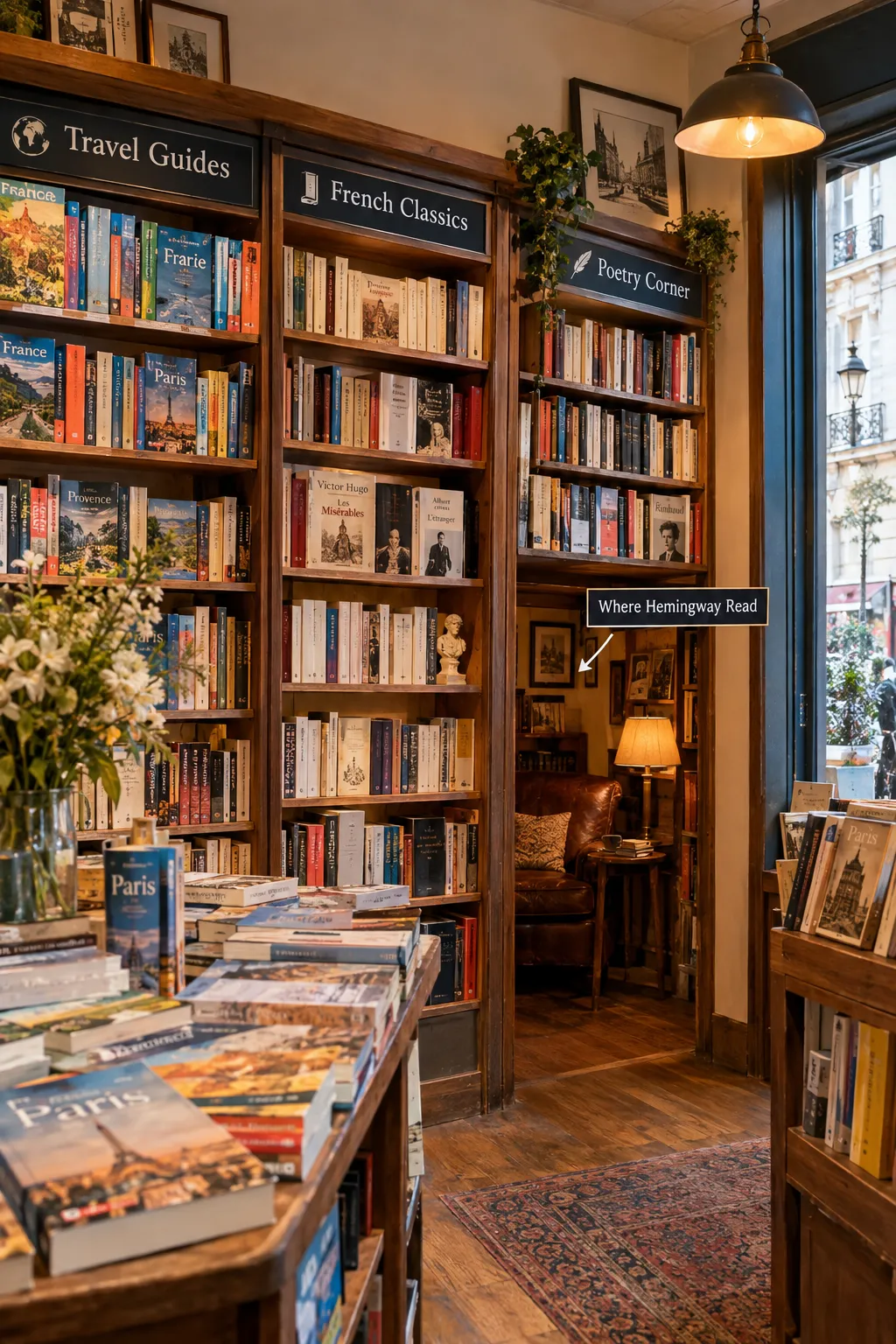
- Paris remains the flagship European literary travel destination, home to bookshops, cafes, and author history.
- Prince Edward Island is expanding literary tourism infrastructure tied to Lucy Maud Montgomery’s Anne of Green Gables.
- You don’t need to finish a book before visiting its literary destination, though reading at least a chapter deepens the experience.
- Budget literary trips are possible through walking tours, library visits, and free bookshop crawls.
- Major hospitality brands, including Marriott, are formalizing literary travel packages.
- BookTok and online fandoms are driving new, highly specific literary travel routes worldwide.
What exactly is literary tourism and why do book lovers travel for it
Literary tourism means visiting places connected to books, authors, or fictional characters, whether that’s a real café where a writer worked or a landscape that inspired a novel’s setting. People travel for it because books create emotional attachment to places long before travelers ever buy a plane ticket.
This isn’t a fringe hobby anymore. Literary tourism is now considered a major global travel trend heading into 2026, with travel outlets reporting rising demand for “book-cations” and “readaways”. Readers want to stand where their favorite characters stood, and that desire is reshaping how cities market themselves to curious travelers.
- Who it’s for: readers who form strong attachments to settings, characters, or author biography.
- Who it’s not for: travelers who want pure relaxation with zero research or walking involved.
- Quick example: a reader of Hemingway might plan a trip around Paris cafes mentioned in A Moveable Feast.
How much does a literary travel trip to Europe typically cost
A literary trip to Europe can range widely, but most travelers combine free self-guided walks with one or two paid tours or museum visits to keep costs reasonable. Costs depend heavily on whether you stay in hostels or literary-themed hotels, and whether you join guided tours or explore solo.
Here’s a rough breakdown of typical cost drivers:
| Cost factor | Budget option | Splurge option |
|---|---|---|
| Lodging | Hostel or budget hotel | Literary-themed boutique hotel |
| Tours | Free walking tour | Guided literary tour with expert |
| Sites | Public parks, bookshops | Ticketed museums, author homes |
| Books | Library or secondhand shop | New hardcover collectibles |
Decision rule: choose free walking tours and public libraries if you’re traveling on a tight budget; choose guided expert tours if you want deeper history and don’t mind paying for access.
If Paris is on your list, pair your literary stops with practical budgeting advice from this guide on traveling cheap in Paris, and watch for common pitfalls using this list of Paris travel scams.
Best time to visit Paris literary sites and Prince Edward Island
Spring and fall are generally the best seasons for both Paris literary sites and Prince Edward Island, since crowds are thinner and walking tours are more comfortable. Paris in spring offers mild weather for wandering between bookshops and cafes, as covered in this Paris in spring guide.
Prince Edward Island’s literary season peaks in summer when the Anne of Green Gables sites and festivals are fully open, but early fall offers quieter visits with fewer crowds.
- Paris: April-June or September-October for mild weather and open bookshops.
- Prince Edward Island: June-September for full access to Green Gables sites; September alone for a quieter trip.
- Common mistake: visiting PEI in winter, when many literary attractions close completely.
Can you visit literary destinations if you haven’t read the books
Yes, you can absolutely visit literary travel destinations without having read the source book, though reading even a few chapters beforehand makes the visit far more meaningful. Many travelers read on the plane or during the trip itself.
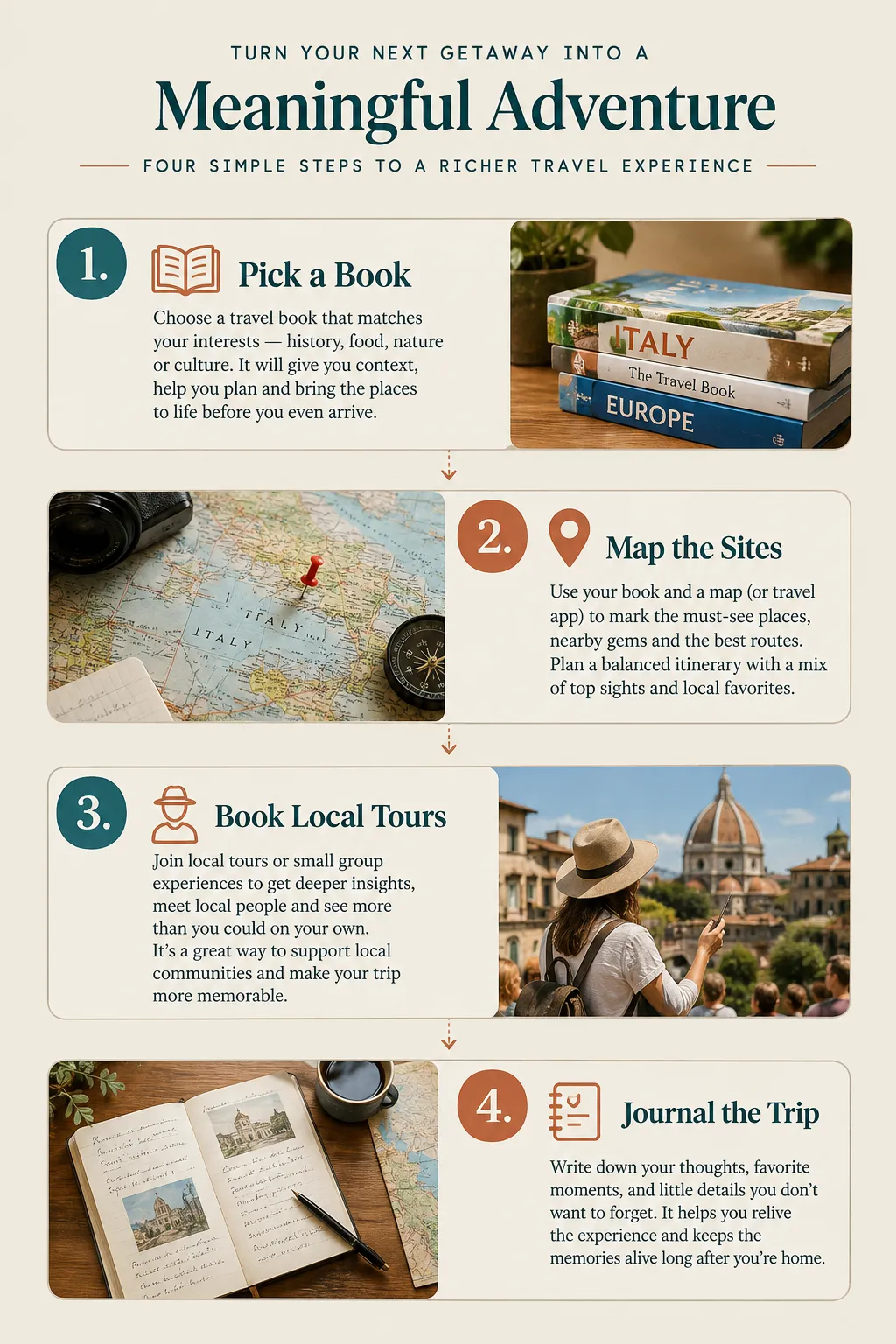
Tour guides at most literary sites, from Dublin to Bath, assume a mixed audience and explain context as you go. If you want a richer experience, read a short synopsis or watch a film adaptation before your trip; movies watch before trip can act as a quick primer when a full book isn’t realistic.
- Choose this if: you’re short on time but still want the atmosphere and history.
- Edge case: children’s literary destinations like Green Gables work well even without a full read, since the story is simple enough to explain on-site.
What’s the difference between literary destinations in Europe versus North America
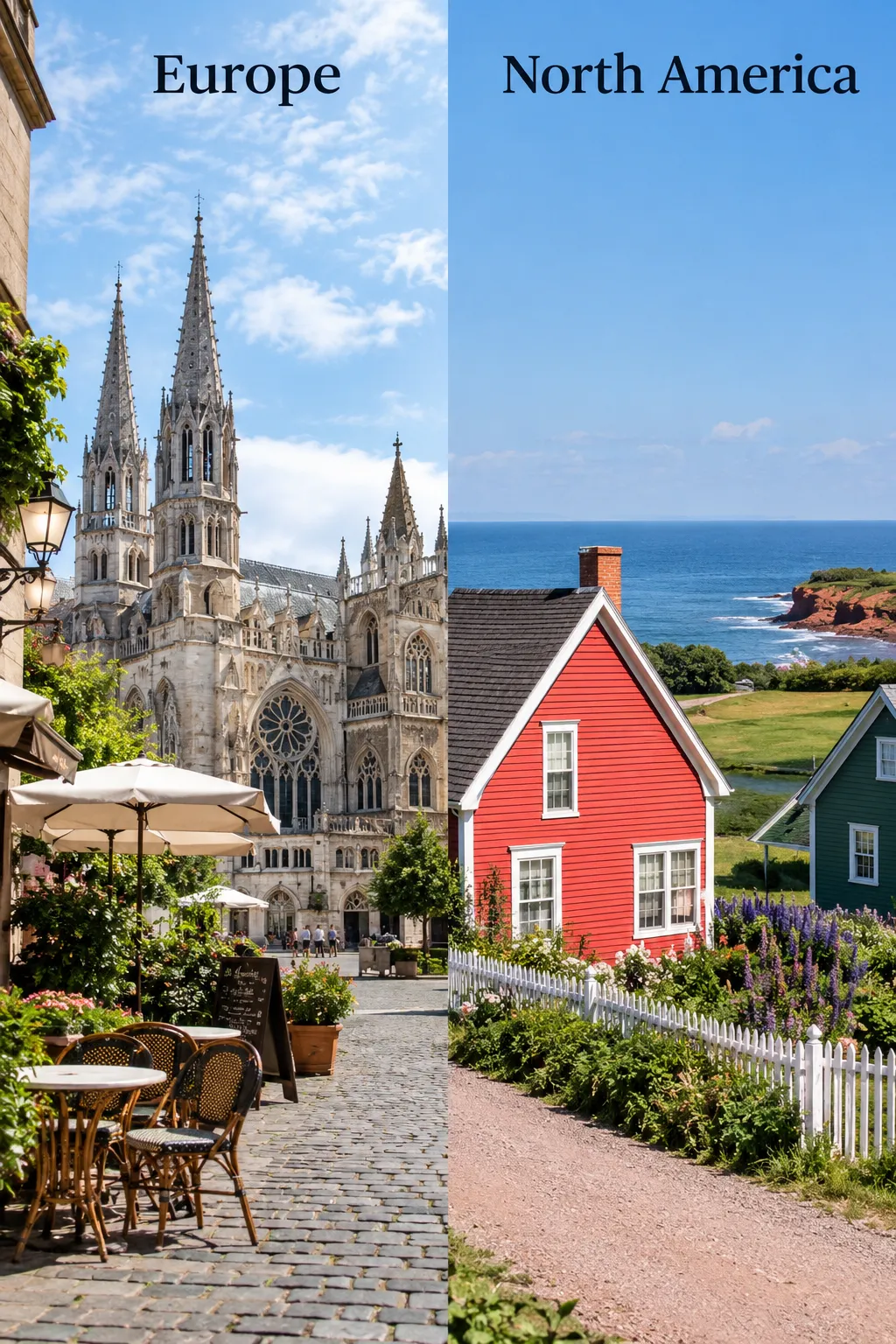
European literary destinations tend to center on centuries-old author homes, cathedrals, and cafes, while North American literary destinations often center on specific regional landscapes tied to a single beloved book or series. Paris and Dublin lean on deep literary history; Prince Edward Island and parts of the American South lean on landscape-driven storytelling.
Europe examples:
- Paris: Hemingway, Fitzgerald, and the Lost Generation cafes.
- Bath: Jane Austen’s literary tour of Bath, with Regency-era streets.
- Dublin: Trinity College’s new literary walking tour and Oscar Wilde theatre experience launching for summer 2026.
North America examples:
- Prince Edward Island: Lucy Maud Montgomery’s Anne Green Gables farmhouse and surrounding countryside.
- New York City: recently named the world’s top literary tourism destination, home to countless author histories and bookshops.
Literary travel destinations for mystery fans versus romance readers
Mystery fans tend to gravitate toward moody, atmospheric cities like Edinburgh or London, while romance readers lean toward charming, picturesque towns like Bath or small coastal villages. The right literary destination really does depend on your favorite genre.
- Mystery readers: fog-draped streets, old libraries, courthouse architecture.
- Romance readers: garden estates, seaside towns, Regency-style architecture like Bath.
- Quick example: a Jane Austen fan books a Bath walking tour; an Agatha Christie fan books a London mystery-themed tour.
Couples planning a literary-themed getaway together might also enjoy browsing ideas under couples trips for inspiration on pacing a romantic itinerary.
How to plan a literary themed vacation on a budget
You can plan an affordable literary vacation by prioritizing free sites like public libraries, bookshop crawls, and self-guided walking routes over paid museum tickets and guided tours. Budget literary trips are entirely doable with some advance planning.
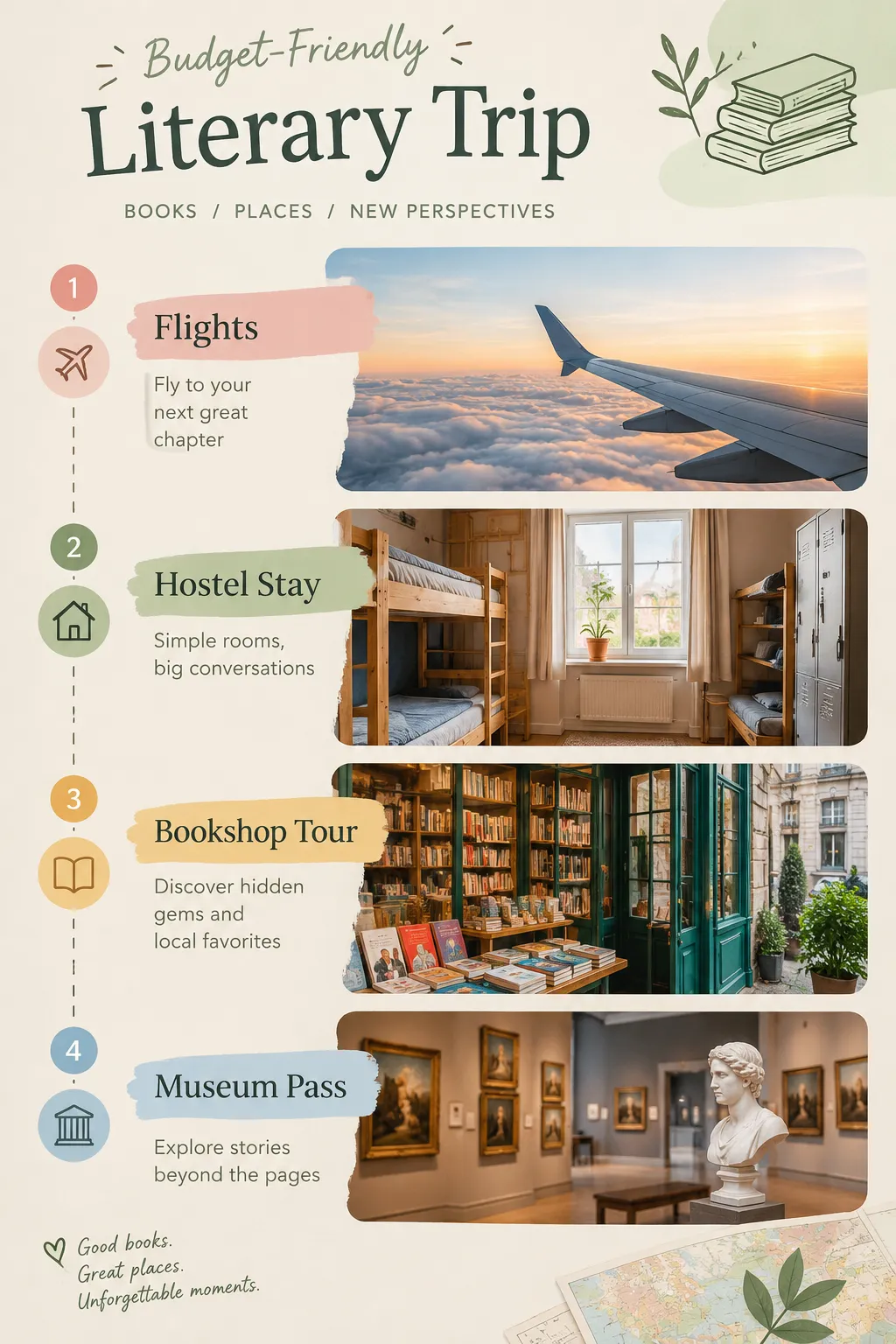
Top tips for your own literary travel:
- Find a book that’s related to your destination. Read about Greece inspire travels before a Greek island trip, or pick up books about Greece before visiting Athens.
- Find literary places to visit using free city maps, library archives, and local tourism boards.
- Join a literary tour only when it adds real value, such as access to a closed archive.
- Plan your literary trips around off-peak seasons to save on lodging.
For more general budget travel strategy, check out this roundup of budget travel tips.
Are there hidden literary destinations that aren’t as touristy
Yes, plenty of literary travel destinations fly under the radar, especially smaller regional sites tied to lesser-known authors or local folklore rather than global bestsellers. These often offer a quieter, more personal experience than Paris or New York.
- Dorset’s Jurassic Coast, tied to Thomas Hardy’s novels, offers dramatic cliffs with far fewer crowds than typical UK hotspots.
- Small Dutch towns connected to Anne Frank’s story outside Amsterdam’s main tourist zones.
- Rural Norwegian fjord towns tied to lesser-known Norwegian authors, ideal before going to Norway if you want solitude.
Do kids enjoy literary travel destinations or is it just for adults
Kids can genuinely enjoy literary travel destinations, especially ones tied to well-loved children’s books like Anne of Green Gables, which makes family travel planning easier than many parents expect. Prince Edward Island in particular is designed with families in mind.
- Good for kids: Green Gables farmhouse tours, interactive museum exhibits, costumed reenactments.
- Less ideal for kids: dense academic author-home tours with long lectures.
- Pairing a literary stop with something like a Yellowstone family vacation can balance literary history with outdoor nature time.
Common mistakes people make when doing a literary travel trip
The biggest mistake travelers make is overpacking their itinerary with too many literary sites in one day, leaving no time to simply sit, read, and absorb the atmosphere that drew them there in the first place. Literary travel works best at a slower pace.
- Mistake 1: Skipping research and missing seasonal closures.
- Mistake 2: Not booking popular literary tours early enough, especially in Dublin or Bath during summer.
- Mistake 3: Forgetting a travel journal; nature journaling for beginners and literary journaling both deepen the trip’s memory value.
- Mistake 4: Ignoring local bookshops in favor of only big tourist landmarks.
How to find good literary tours and expert guides in different countries
The best way to find quality literary tours is through university-affiliated programs, national tourism boards, and specialist literary travel operators rather than generic city tour companies. Many countries now formally invest in this space.
- Universities like Trinity College Dublin now run official literary walking tours and performances.
- National tourism boards, including those promoting literature-inspired travel for younger audiences, often list vetted guides.
- Podcasts, including a dedicated GoNoMad travel podcast, can point toward lesser-known literary guides worth booking.
What should I read before visiting famous book locations
Reading even a short excerpt or a full classic before visiting its real-world setting adds meaning you simply can’t get otherwise, turning a regular city walk into a recognition-filled journey. The GoNoMad travel community and similar sites maintain long-running guides on books about art, books about Greece, and books on Spain to read before your trip.
- Paris: Hemingway’s A Moveable Feast.
- Prince Edward Island: Lucy Maud Montgomery’s Anne of Green Gables.
- Norway: Scandinavian classics covering fjord life before going to Norway.
- Hawaii: island-focused books of Hawaii covering native history and folklore.
Is literary tourism worth it or just hype for book lovers
Literary tourism is genuinely worth it for readers who form emotional connections to books, since standing in a real location tied to a beloved story adds a layer of meaning that ordinary sightseeing doesn’t offer. It isn’t hype; the data backs real demand.
USA Today reported that readers are spending significant money to live inside their favorite books, and major hospitality brands are responding with dedicated packages. BookTok fandoms are also generating entirely new international routes that didn’t exist five years ago.
Literary tourism is spreading beyond traditional Euro-American hubs too, with regional governments across the world now promoting literature-inspired travel to diverse new audiences, a trend also noted in Russian travel media coverage of 2026 trends.
Plan the perfect Anne of Green Gables vacation
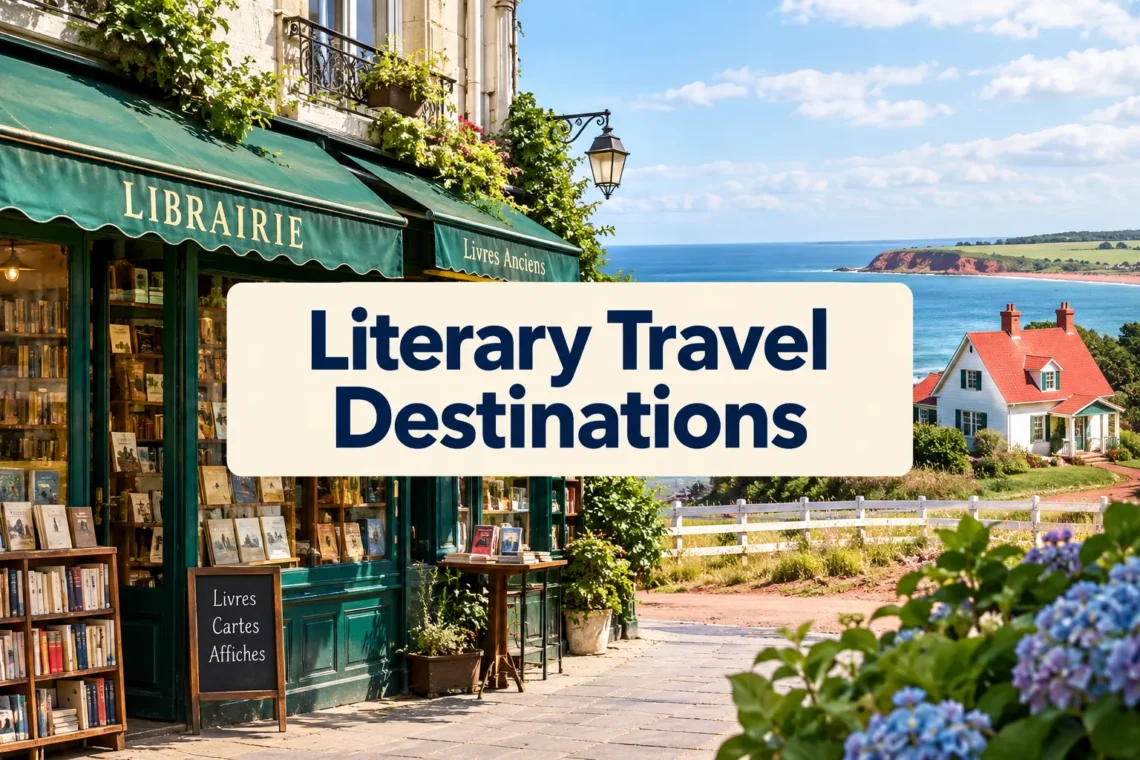
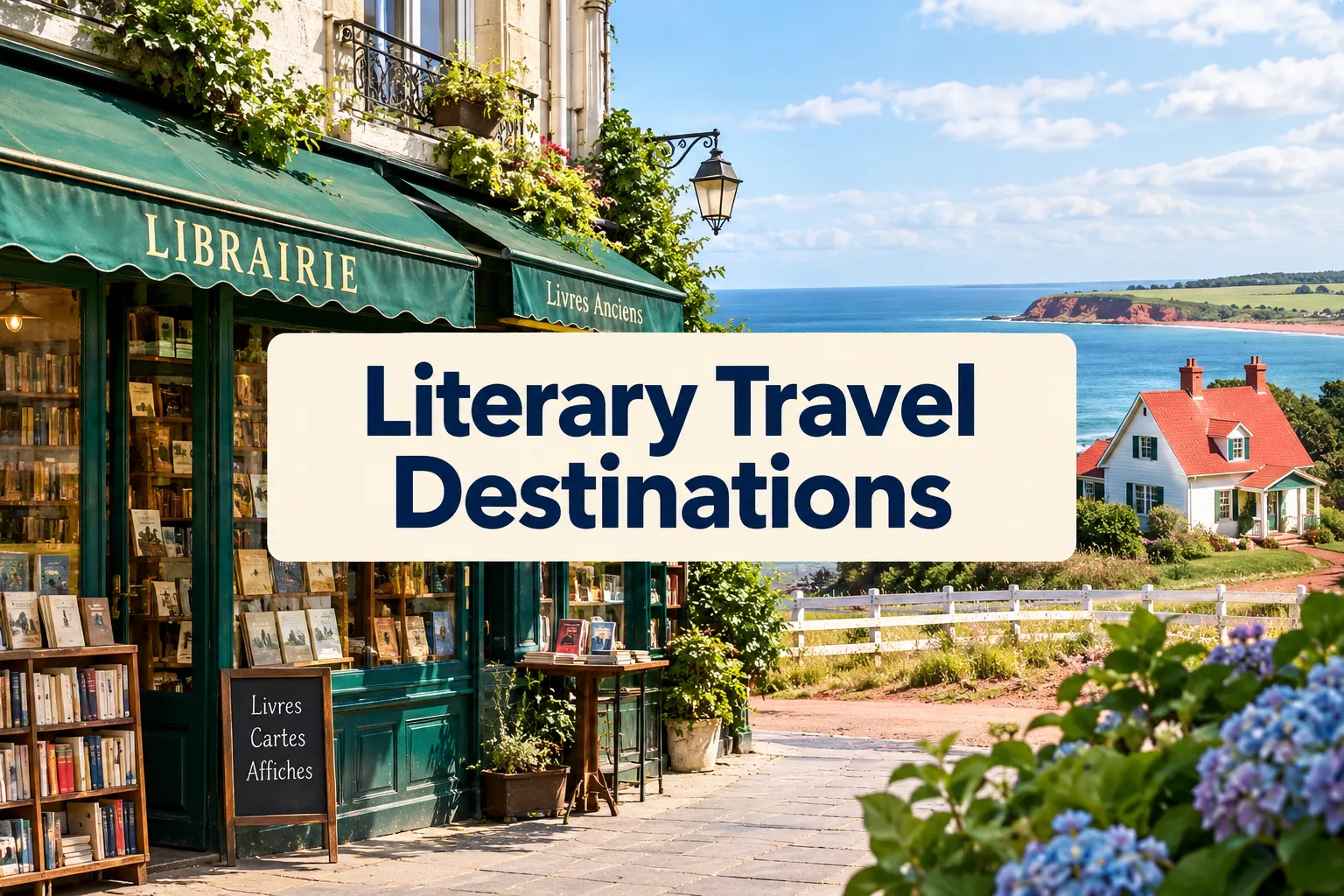
Prince Edward Island remains the gold standard for a family-friendly literary trip, built entirely around Lucy Maud Montgomery’s world. The island has expanded its literary tourism infrastructure specifically to meet rising demand from Anne of Green Gables fans worldwide.
- Visit the Green Gables farmhouse and surrounding red-soil countryside.
- Walk the Haunted Wood and Lover’s Lane trails mentioned in the books.
- Time your trip for summer festivals celebrating Montgomery’s legacy.
FAQ
What exactly is literary tourism and why do book lovers travel for it
Literary tourism is travel built around books, authors, or fictional settings, driven by the emotional connection readers form with specific stories and the desire to see those places in person.
How much does a literary travel trip to Europe typically cost
Costs vary widely depending on lodging and tour choices, but budget travelers can keep expenses low using free walking tours, public libraries, and self-guided bookshop routes instead of paid guided tours.
Can you visit literary destinations if you haven’t read the books
Yes. Many travelers visit literary sites without finishing the source book, though reading a chapter or watching a film adaptation beforehand adds meaning.
Are there hidden literary destinations that aren’t as touristy
Yes. Dorset’s Jurassic Coast, small Dutch towns tied to Anne Frank, and rural Norwegian fjord towns all offer literary history without heavy crowds.
Do kids enjoy literary travel destinations or is it just for adults
Kids generally enjoy family-friendly literary destinations like Prince Edward Island’s Green Gables sites, which are designed with interactive, child-friendly exhibits.
Is literary tourism worth it or just hype for book lovers
It’s genuinely worth it for readers who form strong emotional attachments to books, and 2026 industry data confirms rising real demand rather than a passing trend.
Conclusion
Literary travel destinations give readers a rare chance to walk through the pages of their favorite books, whether that’s a Paris café, a Dublin lecture hall, or the red-soil lanes of Prince Edward Island. Start small: pick one book, one city, and one free walking route before building out a full guide-led trip.
Read a chapter before you go, pack a journal, and leave room in your plan to simply sit somewhere quiet and read. That’s when a literary trip stops feeling like sightseeing and starts feeling like stepping inside your own favorite story.