
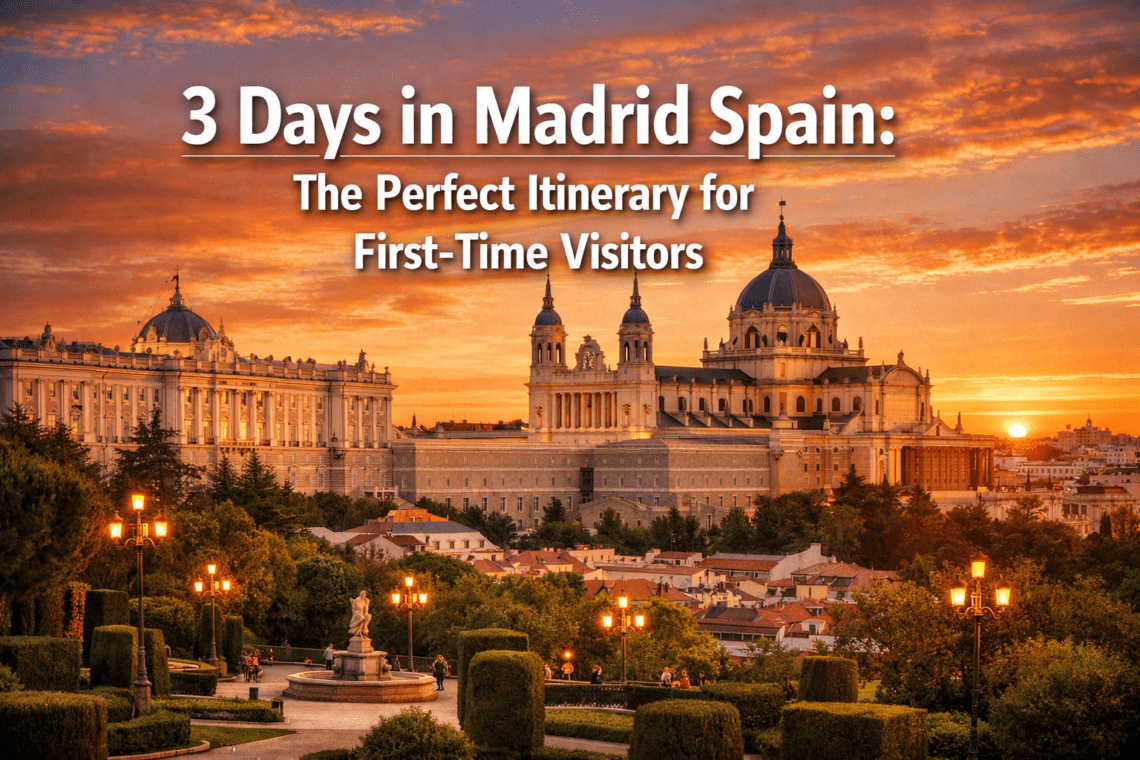
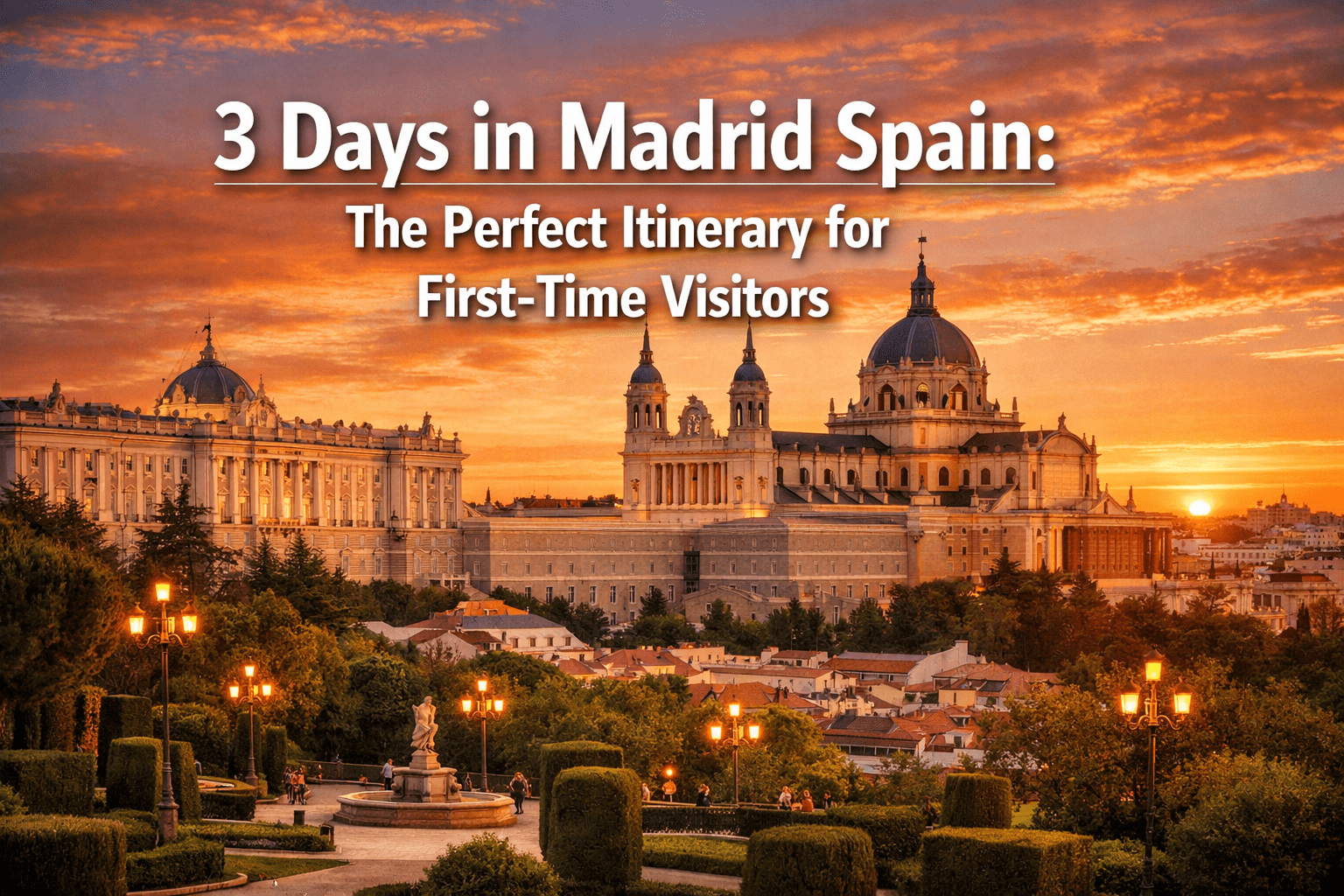
I’ll never forget stepping into Plaza Mayor for the first time and realizing Madrid wasn’t just another European capital—it was a city that knew how to live. Spending 3 days in Madrid Spain gives you enough time to explore world-class museums, wander through royal palaces, eat your weight in tapas, and still catch that authentic Spanish energy that makes this city unforgettable.
Key Takeaways
- Three to four days is ideal for experiencing Madrid’s main attractions without rushing
- The Golden Triangle of Art (Prado, Reina Sofía, Thyssen-Bornemisza) houses some of Europe’s greatest masterpieces
- Parque del Retiro ranks as Madrid’s top attraction with a 4.7-star rating from over 57,000 reviews
- The Royal Palace offers tours of royal chambers, gardens, and an impressive armory collection
- Mercado de San Miguel and traditional tapas bars provide authentic culinary experiences
- Most major attractions are walkable in the historic center, making Madrid easy to navigate
- Free museum hours and affordable group tours (starting from $4) make Madrid budget-friendly
Quick Answer
Spending 3 days in Madrid Spain allows first-time visitors to cover the essential highlights: world-renowned art museums (Prado, Reina Sofía), historic landmarks (Royal Palace, Plaza Mayor, Puerta del Sol), beautiful parks (Retiro), and authentic food experiences (tapas bars, markets). This timeframe provides enough breathing room to explore major attractions while soaking up the city’s vibrant café culture and nightlife without feeling rushed.
What Makes 3 Days the Perfect Amount of Time in Madrid?
Three to four days gives you the sweet spot for exploring Madrid’s main attractions without exhausting yourself. You can hit the major museums, see the royal sites, wander through parks, and still have time for leisurely meals and spontaneous discoveries.
A five-day itinerary allows for day trips to Toledo or Segovia, but if you’re a first-timer focused on Madrid itself, three days works perfectly. You’ll cover the essentials while leaving room for the unexpected—maybe a flamenco show you stumble upon or an afternoon spent people-watching at a plaza café.
Choose three days if:
- You want to see Madrid’s top attractions without day trips
- You prefer a balanced pace over cramming everything in
- You’re combining Madrid with other Spanish cities like Barcelona or Seville
Common mistake: Trying to visit all three art museums in one day. Each deserves 2-3 hours minimum, so spread them across your trip.
Day 1: Historic Center and Royal Madrid
Start your first day at Puerta del Sol, Madrid’s symbolic center where all distances in Spain are measured from. This bustling square gives you an immediate feel for the city’s energy.
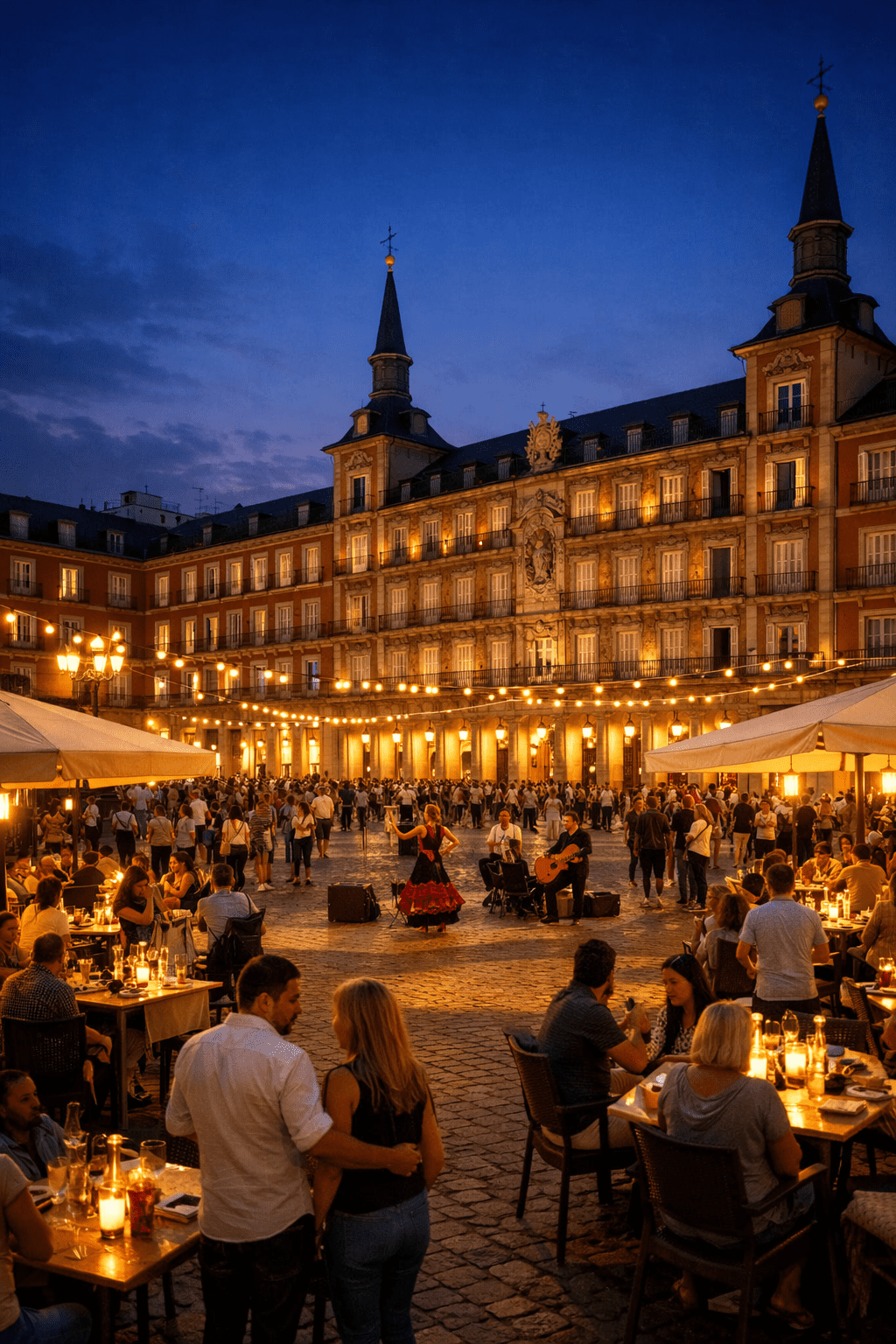
From there, walk five minutes to Plaza Mayor, a massive historic square surrounded by traditional cafés and restaurants. This grand plaza has a 4.2-star rating from over 27,000 reviews and remains the heart of old Madrid. Grab a coffee at one of the outdoor terraces and watch street performers entertain the crowds.
Morning route (9 AM – 1 PM):
- Puerta del Sol (30 minutes)
- Plaza Mayor (45 minutes)
- Mercado de San Miguel for mid-morning snacks (1 hour)
- Royal Palace tour (2 hours)
The Royal Palace of Madrid serves as the official residence of the Spanish royal family, though they don’t actually live there anymore. Tours take you through opulent royal chambers, stunning gardens, and an impressive armory that history buffs will love. Book tickets online to skip the lines.
Right next door, the Almudena Cathedral offers free entry and beautiful views from its dome (small fee applies for dome access).
Lunch tip: Skip the overpriced tourist restaurants around the palace. Walk 10 minutes to La Latina neighborhood for authentic tapas at local prices.
Afternoon activities:
- Explore La Latina’s narrow streets and tapas bars
- Visit Mercado de San Miguel for gourmet tapas sampling
- Walk along Gran Vía, Madrid’s main shopping avenue (4.3-star rating from nearly 15,000 reviews)
End your first evening with dinner in La Latina, hopping between tapas bars the way locals do. Order a few small plates at each spot rather than sitting down for one big meal.
Day 2: The Golden Triangle of Art
Madrid’s Golden Triangle of Art comprises three world-class museums within walking distance of each other. You don’t need to visit all three, but art lovers will want to dedicate a full day to at least two.
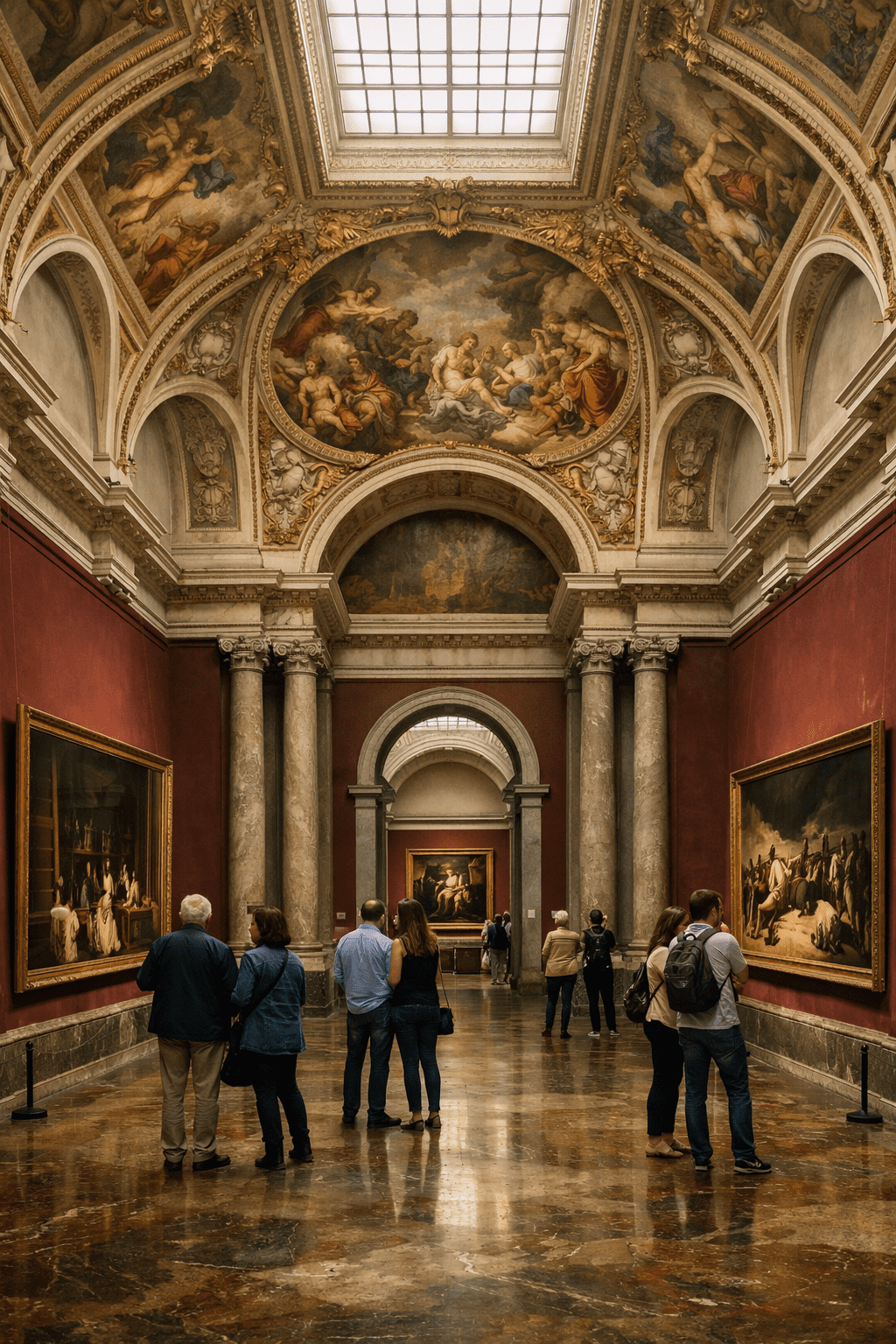
Museo Nacional del Prado ranks #2 among Madrid attractions with a 4.7-star rating from over 58,000 reviews. This museum houses one of the world’s largest art collections, particularly strong in works by Velázquez, Goya, and El Greco. Admission costs around $26, but free entry is available during the last two hours before closing on weekdays.
Morning at the Prado (9 AM – 12 PM):
- Arrive right when it opens to beat crowds
- Focus on Spanish masters: Velázquez’s Las Meninas, Goya’s Black Paintings
- Download the museum’s free app for self-guided tours
- Budget 2-3 hours minimum
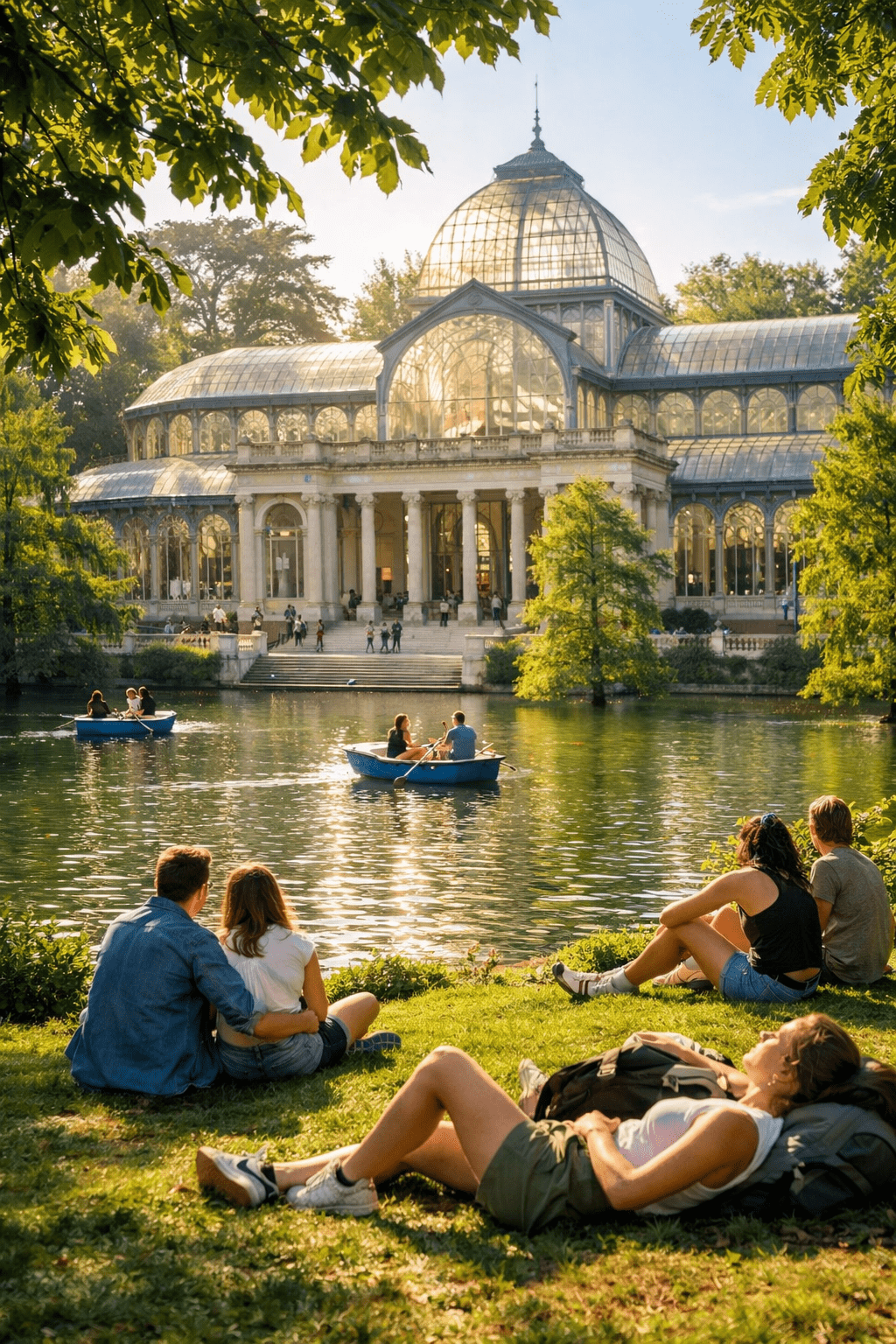
After the Prado, walk through the nearby Parque del Retiro for lunch. This peaceful urban park ranks as Madrid’s #1 attraction with a 4.7-star rating from over 57,000 reviews. The park centers around a beautiful lake where you can rent rowboats, and features fountains, rose gardens, vast lawns, and art spaces including The Glass Palace and Palacios de Velazquez.
Afternoon options:
- Museo Reina Sofía (4.3-star rating, 16,922 reviews) – Famous for Picasso’s Guernica and modern Spanish art, admission around $21
- Thyssen-Bornemisza Museum – Private collection covering major European art movements
- More time relaxing in Retiro Park
Choose Reina Sofía if: You prefer modern and contemporary art over classical masterpieces.
Choose Thyssen-Bornemisza if: You want a comprehensive overview of European art history in a smaller, less crowded space.
If museums aren’t your thing, spend the afternoon exploring Retiro Park thoroughly, visiting the Crystal Palace, and maybe catching street musicians or puppet shows that pop up on weekends.
Similar to planning what to see in Rome Italy, Madrid rewards visitors who balance cultural attractions with leisurely downtime.
Day 3: Markets, Neighborhoods, and Local Life
Your final day should focus on experiencing Madrid like a local rather than checking off tourist sites.
Sunday morning special: If you’re in Madrid on Sunday, start at El Rastro Market, Spain’s largest open-air flea market. This sprawling market takes over the La Latina neighborhood every Sunday morning with vendors selling everything from antiques to leather goods to vintage posters. Arrive by 10 AM before it gets packed.
Morning activities (9 AM – 1 PM):
- El Rastro Market (Sundays only)
- Explore Malasaña neighborhood’s vintage shops and street art
- Visit Chueca for LGBTQ+ culture and trendy boutiques
- Coffee at a neighborhood café (not a tourist spot)
For lunch, experience a proper Spanish meal at a traditional restaurant. Madrileños eat late—lunch service runs 2-4 PM, dinner starts around 9 PM. Embrace the schedule.
Afternoon neighborhood exploration:
- Malasaña – Hipster cafés, vintage stores, alternative vibe
- Chueca – Colorful streets, LGBTQ+ friendly, great shopping
- Lavapiés – Multicultural, authentic, off-the-beaten-path
These neighborhoods show you Madrid’s contemporary culture beyond the historic center. You’ll find local bars where people actually live, not just tourist zones.
Evening options:
- Flamenco show (book ahead for quality venues)
- Rooftop bar with city views
- Traditional tavern for your final Spanish dinner
Common mistake: Eating dinner at 6 PM. Spanish restaurants serve tourists at that hour, but the real atmosphere doesn’t start until 9-10 PM when locals arrive.
Just like planning 3 days in London, your final day should balance must-sees with wandering and discovering your own favorite spots.
Where Should You Eat During 3 Days in Madrid Spain?
Madrid’s food scene deserves as much attention as its museums. The city invented the tapas crawl, and you haven’t really experienced Madrid until you’ve hopped between bars with locals.
Essential food experiences:
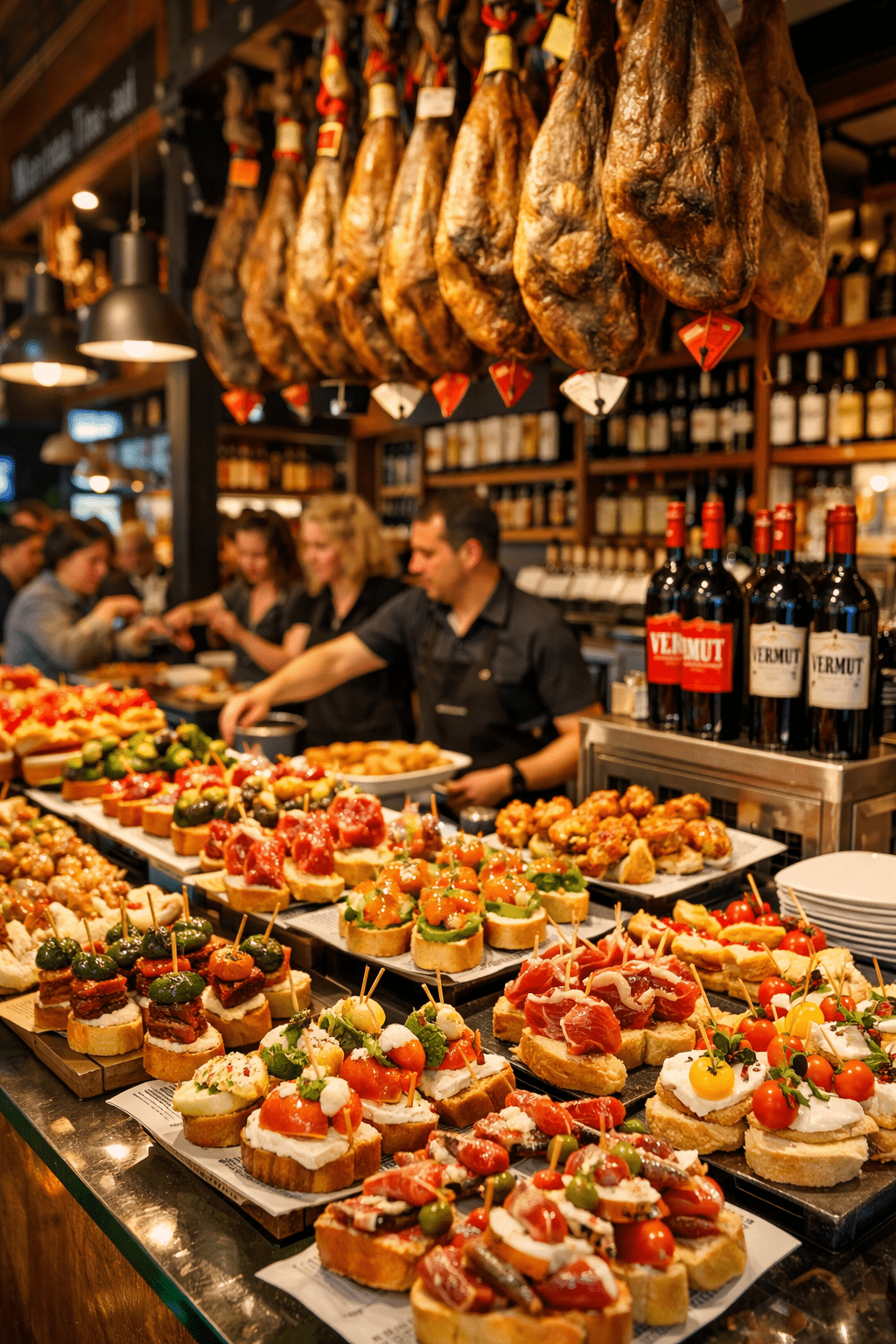
Mercado de San Miguel – Gourmet market near Plaza Mayor with upscale tapas, wine, and vermouth. It’s touristy but convenient and high-quality. Perfect for sampling multiple Spanish specialties in one spot.
Traditional tapas bars in La Latina:
- Order jamón ibérico (Iberian ham), patatas bravas (fried potatoes with spicy sauce), croquetas (creamy fried croquettes)
- Stand at the bar like locals do
- Move to a new bar after 1-2 drinks and tapas
Cocido madrileño – Madrid’s traditional chickpea stew, served in three courses. Try it at a classic restaurant like Malacatín or La Bola.
Churros con chocolate – Hot chocolate so thick you need a spoon, served with fried dough for dipping. San Ginés (open 24 hours) is the famous spot, but neighborhood chocolaterías often taste better.
Budget tip: The menú del día (menu of the day) at lunch offers a starter, main course, dessert, and drink for €12-18 at most restaurants. This is how locals eat affordably.
Choose sit-down restaurants if: You want a relaxed meal with multiple courses and wine pairings.
Choose tapas bar hopping if: You want variety, local atmosphere, and the authentic Madrid experience.
For inspiration on exploring culinary scenes in European cities, check out our guide to must-see places in Spain.
How Do You Get Around Madrid as a First-Time Visitor?
Madrid’s compact historic center makes walking the best option for most attractions. The Royal Palace, Prado Museum, Retiro Park, Plaza Mayor, and Puerta del Sol all sit within a 30-minute walk of each other.
Metro system:
- Clean, efficient, and runs until 1:30 AM (later on weekends)
- Single ticket costs €1.50-2
- 10-trip ticket (Metrobús) costs around €12.20 and works on buses too
- Tourist Travel Pass available for unlimited rides (1-7 days)
When to use the metro:
- Getting from airport to city center (Line 8 to Nuevos Ministerios)
- Traveling between neighborhoods (Malasaña to Retiro, for example)
- Late nights when you’re tired of walking
Walking routes work best for:
- Royal Palace to Plaza Mayor to Puerta del Sol (all within 15 minutes)
- Prado Museum to Retiro Park (5-minute walk)
- Gran Vía shopping and theater district
Taxis and ride-shares: Affordable compared to other European capitals. Useful for late nights or when carrying shopping bags.
Common mistake: Buying individual metro tickets instead of the 10-trip card. You’ll save money and time if you plan to use public transport more than twice.
The city offers free walking tours (tip-based) that cover the historic center and provide context for what you’re seeing. The “Madrid Essential: Historic Center, Plaza Mayor & Royal Palace” tour starts from $4 per group and has a 5.0-star rating from over 6,000 reviews.
What Should You Know Before Your First Trip to Madrid?
Timing your visit:
- Spring (March-May) and fall (September-November) offer ideal weather
- August sees many locals leave the city (some restaurants close)
- Winter is mild but can be rainy
Siesta reality check: Many small shops close 2-5 PM for afternoon break, but major attractions and chain stores stay open. Restaurants close between lunch (2-4 PM) and dinner (8 PM onward).
Language: English is spoken at hotels and major tourist sites, but learning basic Spanish phrases helps in neighborhood restaurants and shops. Madrileños appreciate the effort.
Safety: Madrid ranks as one of Europe’s safest capitals. Standard precautions apply—watch for pickpockets in crowded tourist areas and on metro.
Tipping: Not mandatory but appreciated. Round up for drinks, leave 5-10% at restaurants if service was good.
Free museum hours:
- Prado: Last 2 hours before closing on weekdays
- Reina Sofía: Monday and Wednesday-Saturday 7-9 PM, Sunday 1:30-7 PM
- Check current schedules as times change seasonally
Dress code: Madrileños dress stylishly. You’ll stand out less (and feel more comfortable at nicer restaurants) if you avoid athletic wear and flip-flops outside the gym.
Choose Madrid if: You want world-class art, vibrant nightlife, excellent food, and authentic Spanish culture without beach crowds.
Skip Madrid if: You’re primarily interested in beaches, Gothic architecture, or Gaudí (head to Barcelona instead).
How Can You Extend Your 3 Days in Madrid Spain?
If you have extra time or want to explore beyond the city, several options work well with a Madrid base.
Day trip to Toledo (1 hour by train):
- Medieval walled city with cathedral, synagogue, and El Greco museum
- Can be done in a half-day but full day is better
- Trains run frequently from Madrid’s Atocha station
Day trip to Segovia (30 minutes by high-speed train):
- Famous Roman aqueduct and fairy-tale castle (Alcázar)
- Try cochinillo asado (roast suckling pig), the local specialty
- Combine with a visit to La Granja palace gardens
El Escorial and Valley of the Fallen:
- Massive monastery-palace built by Philip II
- Controversial Civil War monument nearby
- About 1 hour from Madrid
Add a fourth day for:
- Deeper dive into one museum you loved
- Day trip to Toledo or Segovia
- Exploring neighborhoods you missed (Chamberí, Salamanca)
- Attending a Real Madrid or Atlético Madrid football match
Add a fifth day for:
- Two day trips (Toledo and Segovia)
- Visiting the Prado, Reina Sofía, AND Thyssen-Bornemisza
- Taking a cooking class or wine tasting experience
Similar to planning itineraries for other European cities, Madrid works well as either a standalone destination or part of a larger Spain trip combining Barcelona, Seville, or Granada.
What Are the Biggest Mistakes First-Time Visitors Make?
Trying to see everything: Madrid has incredible depth. You can’t visit every museum, neighborhood, and attraction in three days. Choose your priorities and leave room for spontaneity.
Eating at the wrong times: Restaurants serving dinner at 6 PM are targeting tourists, not locals. The atmosphere and often the food quality improve dramatically if you eat on Spanish schedule.
Skipping the neighborhoods: The historic center is beautiful, but neighborhoods like Malasaña, Chueca, and Lavapiés show you contemporary Madrid culture.
Overpacking museum visits: Museum fatigue is real. Two major museums in one day leaves most people exhausted and unable to appreciate either one fully.
Not booking popular attractions ahead: The Royal Palace and popular flamenco shows sell out. Book online to guarantee entry and skip lines.
Assuming Barcelona and Madrid are similar: These cities have completely different personalities. Madrid is about art, food, nightlife, and authentic Spanish culture. Barcelona focuses more on architecture, beaches, and Catalan identity.
Ignoring the metro: Yes, the historic center is walkable, but the metro makes reaching outer neighborhoods quick and easy. Don’t limit yourself to the tourist zone.
Buying tourist menus near Plaza Mayor: Restaurants surrounding major plazas charge premium prices for mediocre food. Walk two blocks in any direction for better quality and lower prices.
FAQ
Is 3 days enough for Madrid?
Yes, three days covers Madrid’s main attractions including the Prado Museum, Royal Palace, Retiro Park, historic plazas, and authentic tapas experiences. You’ll see the highlights without rushing, though art lovers might want an extra day for museums.
What is the best month to visit Madrid?
May, September, and October offer the best combination of pleasant weather, manageable crowds, and full restaurant availability. Spring (March-May) brings beautiful park blooms, while fall (September-November) has comfortable temperatures for walking.
How much does a 3-day Madrid trip cost?
Budget travelers can manage on €60-80 per day (hostels, free museum hours, tapas bars). Mid-range visitors typically spend €120-180 per day (3-star hotels, paid museum entry, sit-down restaurants). Luxury travelers should budget €250+ per day.
Is Madrid walkable for tourists?
The historic center is highly walkable with major attractions within 30 minutes of each other on foot. The efficient metro system connects outer neighborhoods. Comfortable walking shoes are essential as you’ll cover several miles daily exploring.
Do I need to speak Spanish in Madrid?
Basic English works at hotels and major tourist sites, but less so at neighborhood restaurants and shops. Learning simple phrases like greetings, “please,” “thank you,” and numbers improves your experience significantly.
What is Madrid famous for?
Madrid is renowned for world-class art museums (Prado, Reina Sofía), royal palaces, vibrant tapas culture, beautiful parks, passionate nightlife, and authentic Spanish atmosphere. The city houses masterpieces by Velázquez, Goya, and Picasso.
Should I visit Madrid or Barcelona first?
Visit Madrid if you prioritize art museums, authentic Spanish culture, and food experiences. Choose Barcelona for Gaudí architecture, beaches, and Catalan culture. Both cities deserve 3-4 days and complement each other well in a Spain itinerary.
What should I not miss in Madrid?
Don’t miss the Prado Museum, Retiro Park, Royal Palace, Plaza Mayor, tapas bar hopping in La Latina, and Mercado de San Miguel. These experiences capture Madrid’s essence and consistently rank highest among first-time visitors.
Is Madrid safe for solo travelers?
Madrid is very safe for solo travelers with low violent crime rates. Standard precautions apply: watch belongings in crowded areas, avoid empty streets late at night, and stay aware on public transport. The city welcomes solo visitors warmly.
Can you do a day trip from Madrid?
Toledo (1 hour) and Segovia (30 minutes) make excellent day trips with frequent train connections. Both medieval cities offer unique attractions and can be visited in a half-day or full day depending on your interest level.
What time do people eat dinner in Madrid?
Madrileños typically eat dinner between 9-11 PM, with restaurants getting busy around 10 PM. Lunch runs 2-4 PM. Restaurants serving earlier cater primarily to tourists and lack the authentic atmosphere of later service.
How far is Madrid airport from the city center?
Madrid-Barajas Airport sits 12 kilometers (7.5 miles) from the city center. Metro Line 8 reaches downtown in 30-40 minutes for around €5. Taxis cost €30-35 and take 20-30 minutes depending on traffic.
Conclusion
Spending 3 days in Madrid Spain gives first-time visitors the perfect balance of must-see attractions and authentic experiences. You’ll explore world-renowned museums housing masterpieces by Spanish masters, wander through royal palaces and beautiful parks, and discover the tapas culture that makes Madrid’s food scene legendary.
The key to a successful Madrid trip is pacing yourself. Don’t try to cram every museum and monument into your schedule. Instead, mix cultural highlights with leisurely meals, neighborhood exploration, and people-watching at plaza cafés. Madrid rewards visitors who slow down enough to appreciate its rhythm.
Your next steps:
- Book accommodation in the historic center or nearby neighborhoods for easy walking access
- Purchase museum tickets online for the Prado and any other priority attractions
- Download the Madrid metro app and Google Maps for offline navigation
- Make a short list of 2-3 tapas bars you want to try in La Latina
- Learn basic Spanish phrases for restaurants and shops
- Pack comfortable walking shoes—you’ll need them
Madrid isn’t trying to impress you with over-the-top spectacle. It wins you over with incredible art, outstanding food, warm people, and that intangible Spanish energy that keeps you out until 2 AM on a Tuesday. Give yourself three days to fall in love with it.
For more European city itineraries, explore our guides to Lisbon and other must-see places across Spain.
References
[1] Attractions G187514 Activities Madrid – https://www.tripadvisor.com/Attractions-g187514-Activities-Madrid.html
[2] Things To Do In Madrid – https://madridbullfighting.com/blog/things-to-do-in-madrid/
[3] Madrid – https://www.ace.aaa.com/travel/destinations/europe/spain/madrid.html