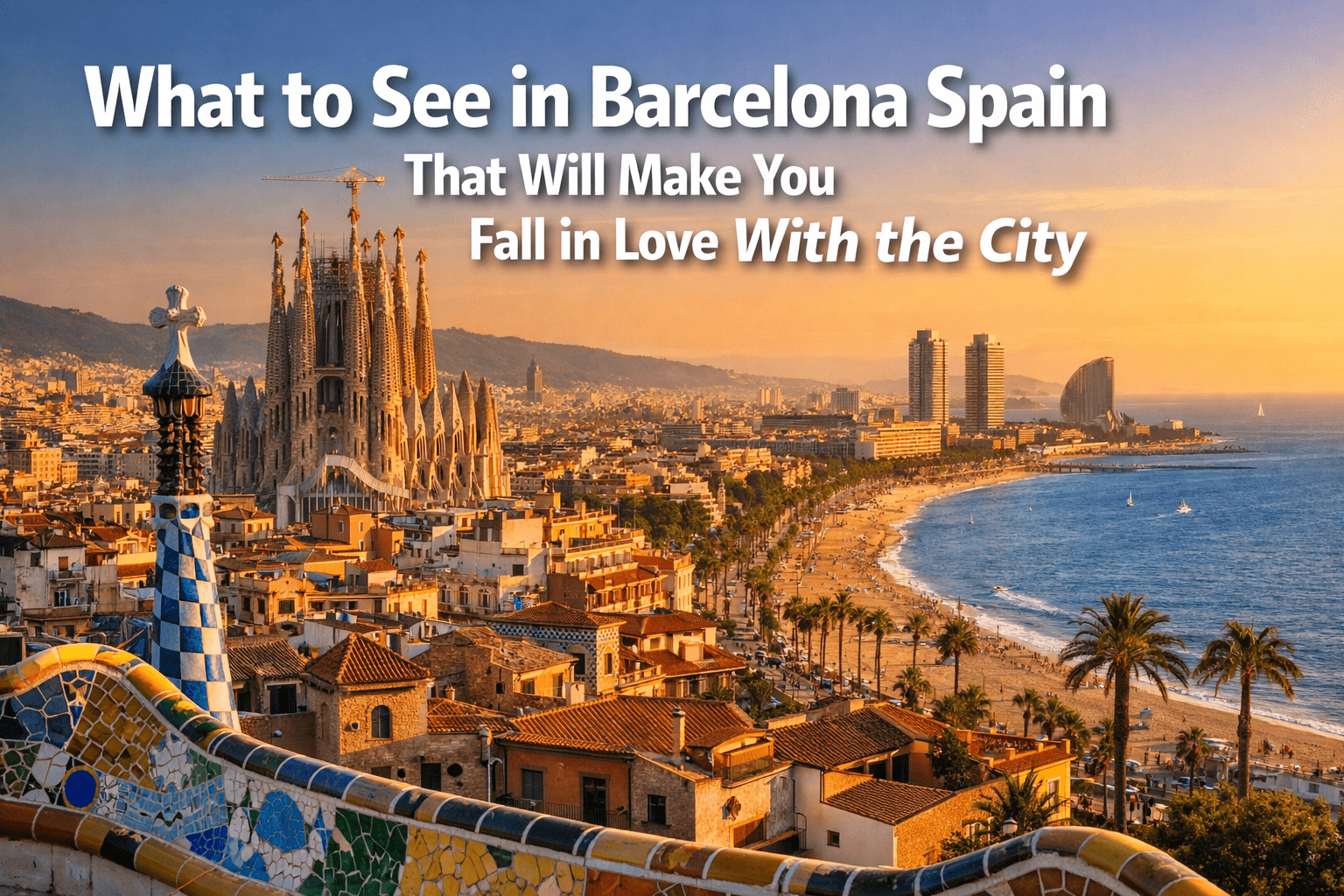
Barcelona is a city that grabs your heart from the moment you arrive. I’ll never forget stepping out of the metro and seeing Gaudí’s whimsical architecture for the first time—it felt like walking into a dream where art and everyday life blend seamlessly. Whether you’re drawn to modernist masterpieces, medieval alleyways, or sun-soaked beaches, knowing what to see in Barcelona Spain will transform your trip from ordinary to unforgettable.
Key Takeaways
- La Sagrada Família is best visited during golden hour (4:00-5:00 PM) when sunlight illuminates the stained glass windows
- Park Güell is easier to explore by entering from the top entrance and walking downhill through the gardens
- The Gothic Quarter offers medieval charm with Roman ruins, while the Born District provides similar atmosphere with fewer crowds
- Casa Batlló features special night experiences in summer with rooftop light shows and cava
- The Picasso Museum houses 58 reinterpretations of Velázquez’s “Las Meninas” in one remarkable room
- Montjuïc Mountain combines castle views, Olympic history, and the Magic Fountain in one location
- Barcelona’s neighborhoods each offer distinct experiences, from beachfront Barcelona to artistic Gràcia
Quick Answer
Barcelona captivates visitors with Antoni Gaudí’s architectural wonders (Sagrada Família, Park Güell, Casa Batlló), medieval charm in the Gothic Quarter, world-class museums like the Picasso Museum, and a perfect blend of urban beaches and mountain views from Montjuïc. The city combines over 2,000 years of history with cutting-edge design, making it one of Europe’s most enchanting destinations.
What Are the Must-See Gaudí Masterpieces in Barcelona?
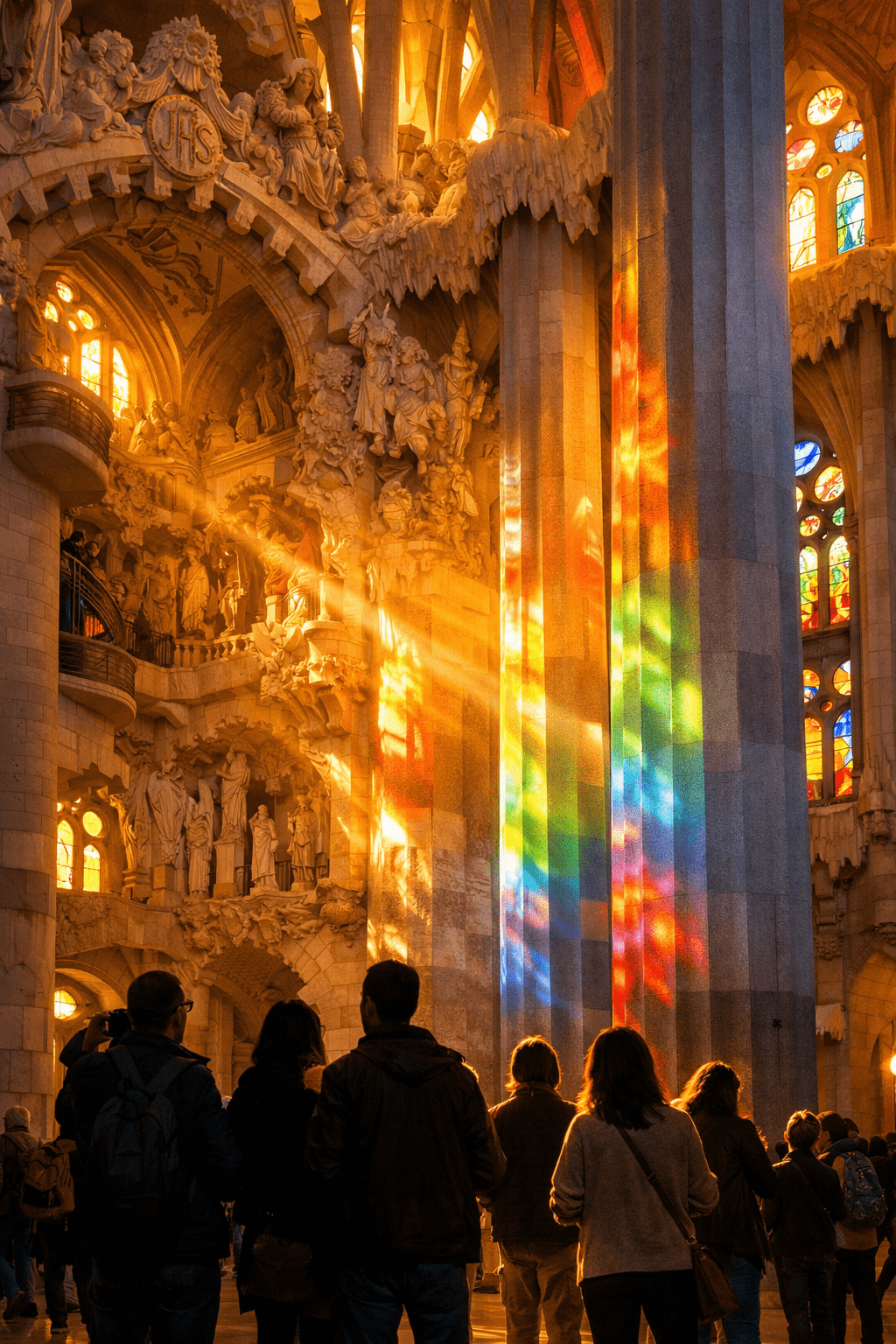
Antoni Gaudí’s architectural genius defines Barcelona’s skyline and represents the most essential sights for any visitor. His buildings aren’t just structures—they’re living art that changed how the world thinks about architecture.
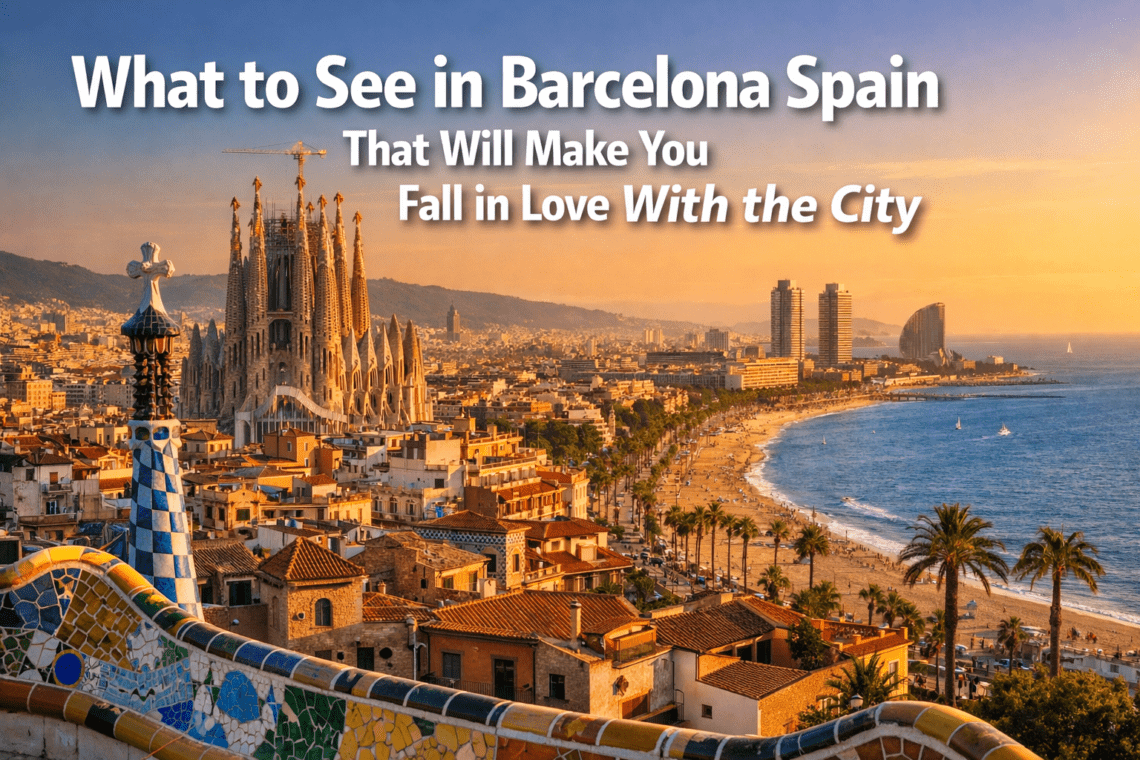
La Sagrada Família remains Barcelona’s crown jewel and has been under construction for over 140 years. The basilica features two completed facades (Nativity and Passion) with a third Glory facade still in progress. Visit between 4:00-5:00 PM during golden hour when western sunlight floods through the stained glass windows, creating rainbow patterns across the white stone columns [1]. The experience feels almost spiritual, regardless of your religious beliefs.
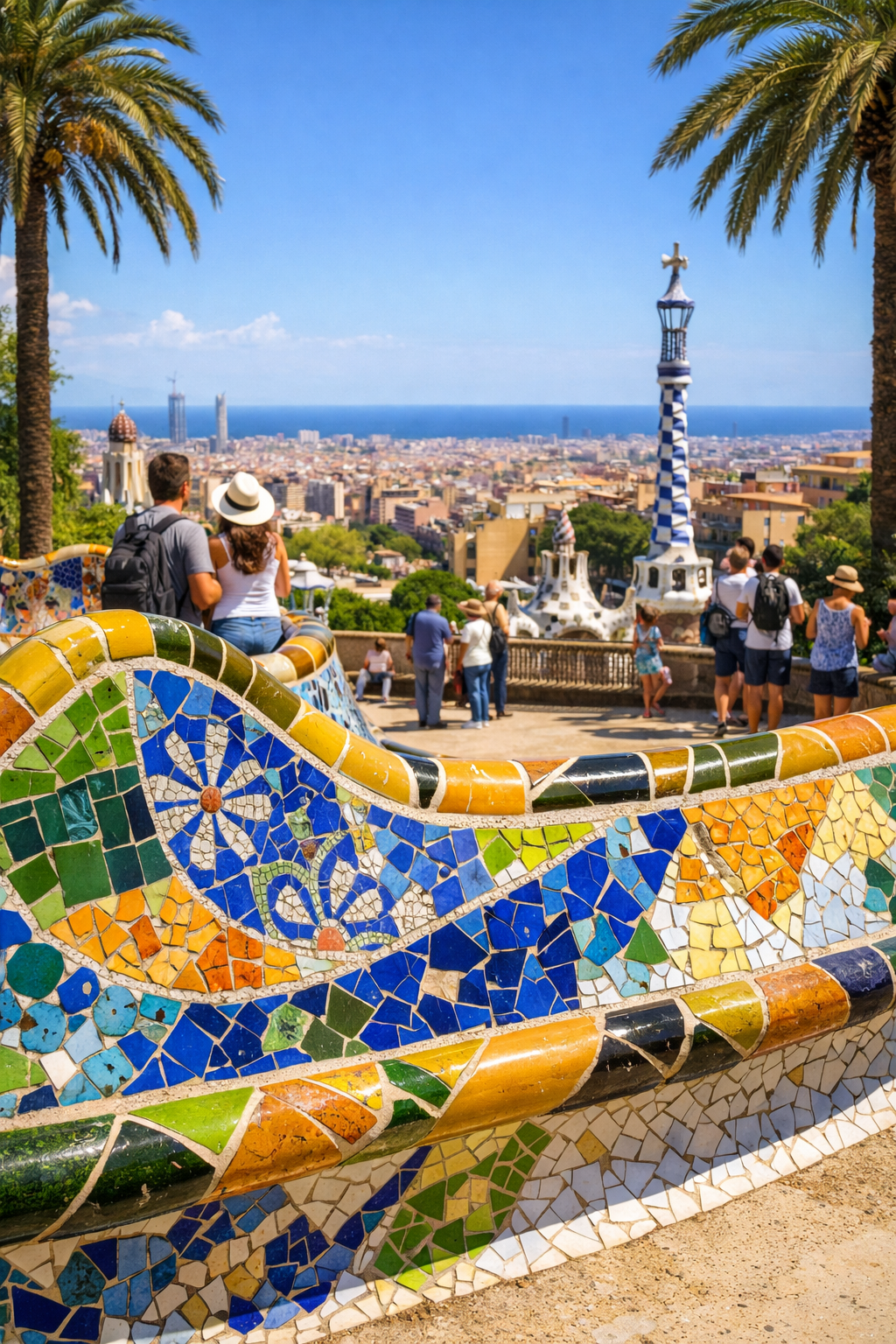
Park Güell sits on a hillside overlooking the city and showcases Gaudí’s playful approach to public spaces. Here’s a pro tip that locals know: take a taxi to the “Carretera del Carmel” entrance at the top of the park, then walk downhill through the gardens instead of hiking up the steep hillside [1]. The Nature Square (also called the Greek Theatre) features the famous serpentine bench covered in trencadís—Gaudí’s signature broken tile mosaics—with panoramic views of Barcelona framed by palm trees.
Casa Batlló on Passeig de Gràcia offers a “Night Experience” during summer months that includes a building tour with smaller crowds, a glass of cava, and a spectacular light show projected onto the rooftop’s warrior-like chimneys [1]. The building’s facade resembles dragon scales, and the interior feels like being inside a sea creature’s ribcage.
Common mistake: Many visitors try to see all Gaudí sites in one day and end up exhausted. Space them out over 2-3 days and book tickets in advance—La Sagrada Família and Park Güell sell out weeks ahead during peak season.
If you’re planning to explore more of Spain beyond Barcelona, check out our guide to 15 must-see places in Spain that first-time visitors often regret skipping.
Which Historic Neighborhoods Should You Explore in Barcelona?
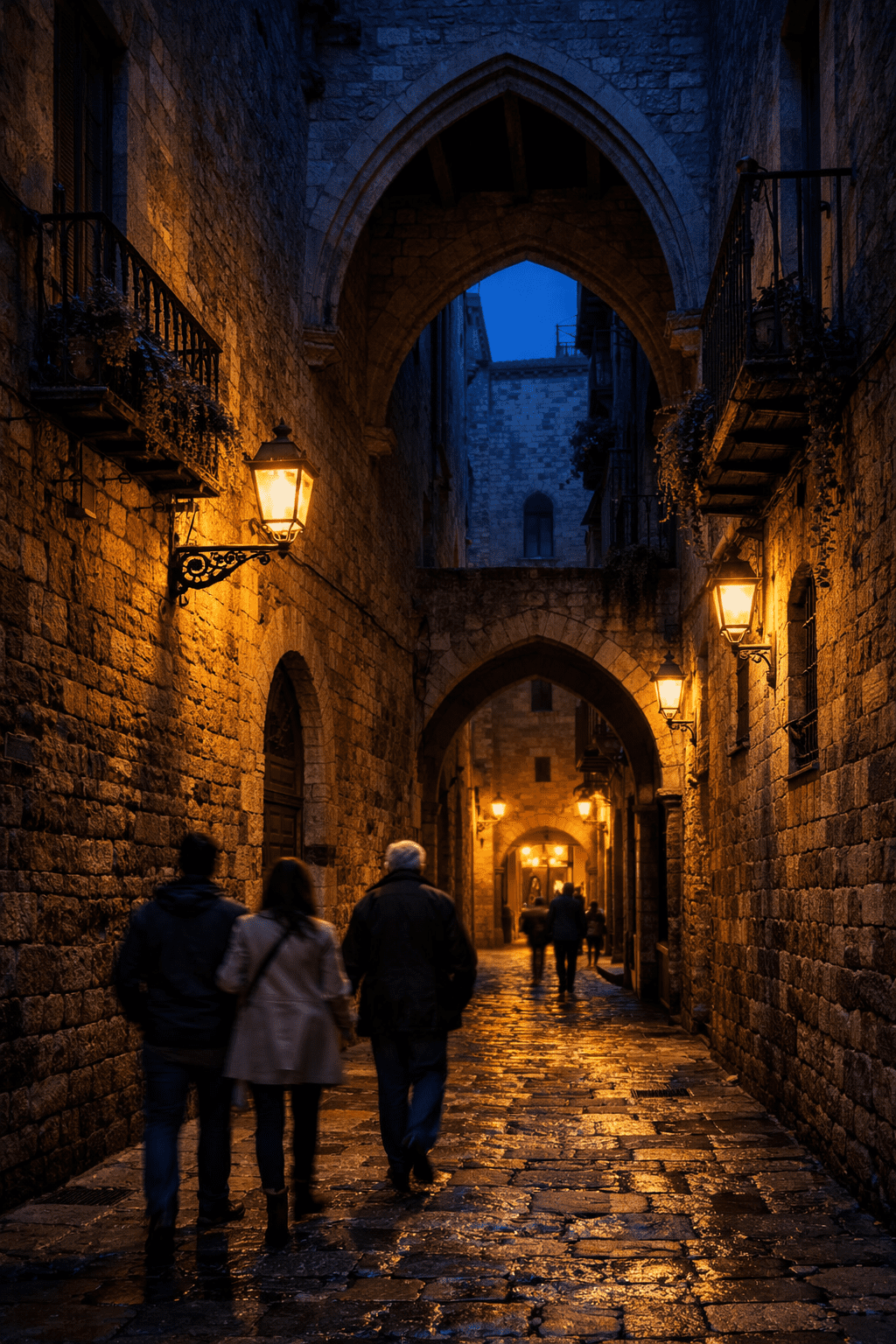
Barcelona’s neighborhoods each tell a different chapter of the city’s 2,000-year story. The Gothic Quarter (Barri Gòtic) remains the most touristy district but for good reason—its labyrinthine alleys hide Roman ruins, picturesque plazas, and centuries-old Catholic churches [2].
La Seu Cathedral anchors the Gothic Quarter with thirteen white geese living in the cloister (representing Saint Eulalia’s age at martyrdom). Plaça Reial features a fountain, palm trees, and Gaudí-designed lampposts, plus outdoor cafés perfect for people-watching. The quarter’s narrow streets can feel overwhelming during midday when cruise ship crowds descend, so explore early morning or evening.
The Born District offers a similar medieval vibe with significantly fewer crowds, making it ideal if you want authentic experiences without fighting through tourist groups [2]. The neighborhood centers around the Picasso Museum (more on that below) and Ciutadella Park. The Santa Maria del Mar church here rivals the cathedral in beauty but costs nothing to enter.
El Raval sits on the opposite side of Las Ramblas from the Gothic Quarter and has transformed from a rough neighborhood into Barcelona’s most multicultural district. The contemporary art museum (MACBA) and the medieval Hospital de Sant Pau showcase the area’s contrasts.
Choose the Gothic Quarter if you want classic Barcelona postcard scenes and don’t mind crowds. Choose the Born District if you prefer discovering places that feel less staged for tourists.
What Museums and Cultural Sites Define Barcelona?
The Picasso Museum houses one of the most comprehensive collections of Pablo Picasso’s early works, spread across five adjoining medieval palaces in El Born. The highlight is the “Las Meninas” series, where Picasso obsessively reinterpreted Velázquez’s masterpiece 58 times in a single room [1]. Watching his creative process unfold across these variations reveals more about artistic genius than any textbook could.
The museum focuses on Picasso’s formative years in Barcelona (1895-1904) rather than his famous Cubist period, showing how the city shaped his artistic vision. Book tickets online to skip the entrance queue, which can stretch for an hour during peak times.
Joan Miró Foundation on Montjuïc Mountain celebrates Barcelona’s other artistic giant with the world’s largest collection of Miró’s paintings, sculptures, and textiles. The white modernist building and sculpture garden provide a peaceful contrast to the crowded Gothic Quarter.
FC Barcelona’s Immersive Tour attracts 1.3 million visitors annually and goes far beyond typical sports museums [1]. The high-tech exhibition explains why the club motto “Més que un club” (More than a club) represents Catalan identity and political resistance. You’ll see trophies, learn about legendary players (Cruyff, Messi, Ronaldinho), and understand why football means something deeper here than anywhere else in the world.
Edge case: If you visit during a home match day, the museum closes early but the atmosphere around Camp Nou becomes electric. Consider skipping the museum and experiencing a live match instead—the crowd’s passion is unforgettable.
For art lovers exploring Europe, our guide to hidden gems in Italy offers similar cultural discoveries beyond the typical tourist circuit.
What to See in Barcelona Spain for Families and Kids?
Barcelona excels at keeping children entertained while adults enjoy sophisticated culture. The Barcelona Aquarium features an 80-meter underwater tunnel through the Oceanarium where visitors stand on a moving walkway while sand tiger sharks and sunfish swim overhead [1]. Check the website for feeding times, which provide the most engaging experience, especially for younger children.
Barcelona Zoo has modernized its approach with open-plan designs using moats instead of traditional cages where possible [1]. The dolphin show has been replaced with an educational observation deck (a change reflecting modern animal welfare standards), and the primate collection remains particularly impressive. The zoo sits inside Ciutadella Park, so you can combine both in one visit.
PortAventura World, located about an hour south by train from Sants Station, features Shambhala (a hyper-coaster) and Ferrari Land with Red Force—Europe’s fastest accelerator that launches from 0 to 180 km/h in 5 seconds [1]. Summer visitors should purchase an “Express Pass” because major ride wait times can exceed 2 hours without it.
Tibidabo Amusement Park perches on the mountain overlooking Barcelona and combines vintage rides from the 1900s with modern attractions. The views alone justify the trip, and the park’s old-fashioned charm feels refreshing compared to corporate theme parks.
Pro tip for families: The beaches along Barceloneta offer playgrounds, shallow water, and beach volleyball courts. Arrive before 10:00 AM to claim a good spot and avoid the midday heat.
How Can You Experience Barcelona’s Waterfront and Mountains?
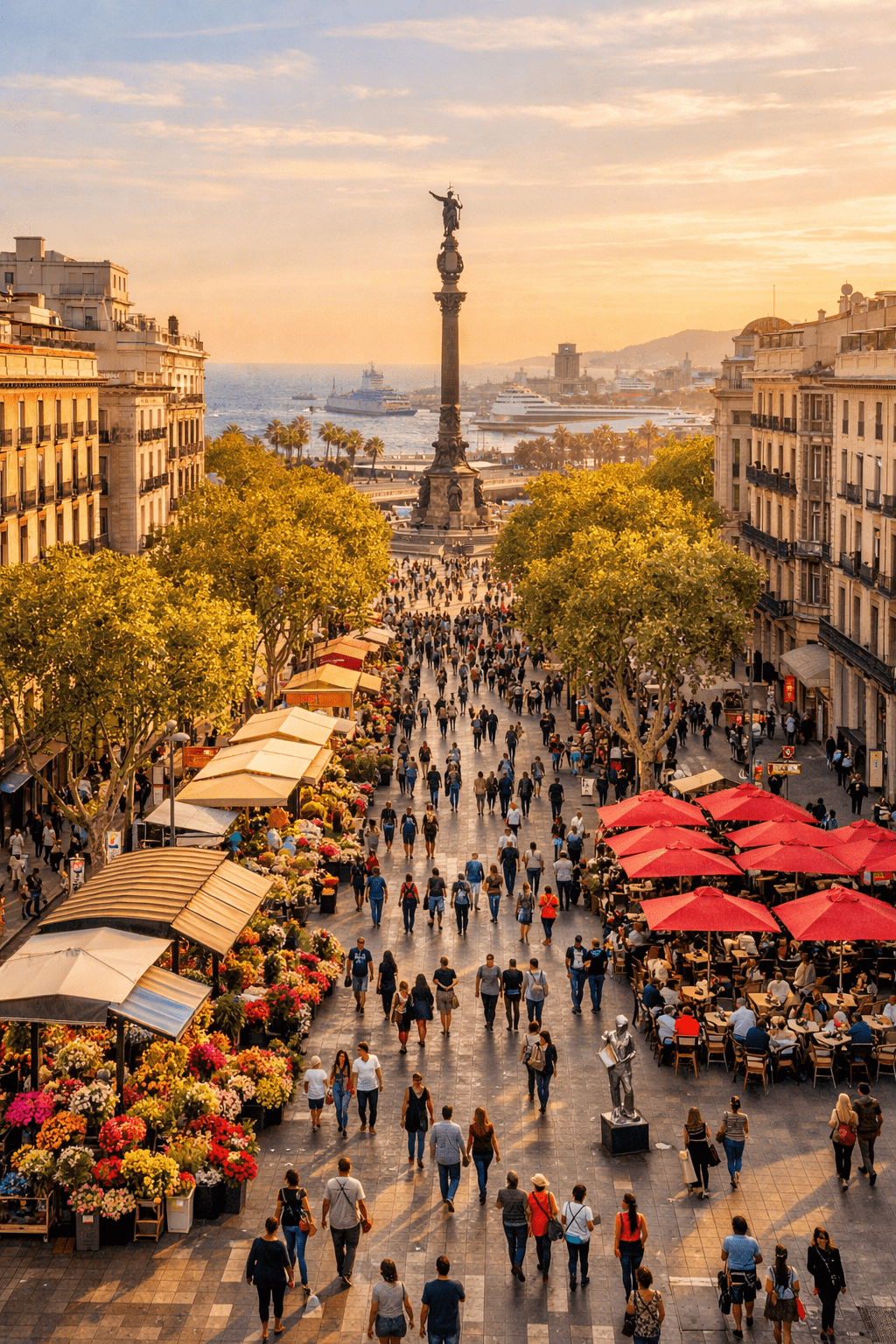
Las Ramblas boulevard stretches from Plaça Catalunya to the Christopher Columbus statue at the old harbor, operating as Barcelona’s main artery 24 hours daily [2]. Yes, it’s touristy. Yes, locals avoid it. But walking Las Ramblas at least once helps you understand Barcelona’s energy—street performers, flower markets, and the constant flow of humanity create an experience you won’t find elsewhere.
The old harbor (Port Vell) has been transformed with the Maremagnum shopping center, an IMAX theater, and waterfront restaurants. The wooden Rambla de Mar walkway connects to the aquarium and offers sunset views of the city skyline.
Montjuïc Mountain provides a complete contrast to the urban beaches. A cable car ascends to Montjuïc Castle with stunning views during the ride [2]. The mountain also houses the Olympic Stadium from the 1992 Games, the Joan Miró Foundation, and the Magic Fountain, which performs choreographed water and light shows on summer evenings.
An electric bike tour efficiently covers Montjuïc’s leafy slopes without exhausting you [2]. The mountain’s gardens include botanical collections, sculpture parks, and quiet corners where you can escape the city’s crowds.
Barceloneta Beach stretches for kilometers along the Mediterranean and transforms from a working-class fishing neighborhood to Barcelona’s beach playground. The beach gets packed on summer weekends, but the shoulder seasons (May-June, September-October) offer perfect weather with manageable crowds.
Decision rule: Choose Montjuïc if you want culture and views. Choose Barceloneta if you want to swim, sunbathe, and eat fresh seafood at beachfront chiringuitos (beach bars).
Similar to how we recommend exploring Madrid in 3 days, Barcelona rewards visitors who balance famous sights with neighborhood wandering and beach time.
What Practical Tips Help You Navigate Barcelona?
Timing matters tremendously in Barcelona. Summer (July-August) brings intense heat and massive crowds, while winter offers mild weather and shorter museum lines. The sweet spot is April-May or September-October when temperatures hover around 20-25°C (68-77°F) and the city feels less overwhelmed.
The Barcelona Card provides unlimited public transport plus discounts at major attractions, but do the math before purchasing—it only saves money if you’re visiting 3+ paid attractions daily. The T-Casual ticket (10 rides on metro/bus) costs significantly less and works for most visitors.
Pickpocketing remains a serious issue on Las Ramblas, in the Gothic Quarter, and on crowded metro lines. Keep valuables in front pockets or a cross-body bag, and never leave phones on restaurant tables. This isn’t meant to scare you—just stay aware in crowded tourist zones.
Meal times differ from North America and Northern Europe. Lunch runs 2:00-4:00 PM, and dinner starts at 9:00 PM or later. Many restaurants close between lunch and dinner service. If you’re hungry at 6:00 PM, look for tapas bars or tourist-oriented restaurants (which locals avoid but serve food all day).
Language: Most Barcelona residents speak Catalan as their first language, with Spanish (Castellano) as a second language. English is widely spoken in tourist areas, but learning basic Spanish phrases shows respect. Saying “bon dia” (good day in Catalan) instead of “buenos días” (Spanish) will earn you smiles.
Common mistake: Trying to see everything in 2-3 days. Barcelona rewards slow exploration—sitting in plazas, lingering over vermut (vermouth) at neighborhood bars, and getting lost in side streets. If you’re rushing from sight to sight, you’ll miss what makes the city special.
For more European city planning tips, see our London 3-day guide which uses similar pacing strategies.
How Should You Plan Your Barcelona Itinerary?
A well-paced Barcelona visit needs at least 4-5 days to experience the city without exhaustion. Here’s a framework that balances major sights with breathing room:
Day 1: Gaudí Introduction
- Morning: La Sagrada Família (book 9:00 AM entry to avoid crowds)
- Afternoon: Park Güell (enter from top, walk downhill)
- Evening: Passeig de Gràcia to see Casa Batlló and Casa Milà exteriors
Day 2: Gothic and Born Districts
- Morning: Gothic Quarter exploration (Cathedral, Plaça Sant Jaume)
- Afternoon: Picasso Museum and Born District wandering
- Evening: Sunset at Ciutadella Park
Day 3: Montjuïc and Waterfront
- Morning: Cable car to Montjuïc Castle
- Afternoon: Joan Miró Foundation or Olympic Stadium
- Evening: Magic Fountain show (summer only)
Day 4: Beach and Neighborhoods
- Morning: Barceloneta Beach
- Afternoon: Explore Gràcia or El Raval neighborhoods
- Evening: Tapas crawl in El Born
Day 5: Day Trip or Deep Dive
- Option A: Montserrat mountain monastery (1 hour by train)
- Option B: Revisit favorite neighborhoods at a slower pace
- Option C: PortAventura theme park for families
Customize based on interests: Art lovers should add the MNAC (National Art Museum of Catalonia) and MACBA (contemporary art). Football fans need Camp Nou. Foodies should book a cooking class or food tour in La Boqueria market.
FAQ
What is the #1 thing to see in Barcelona?
La Sagrada Família is Barcelona’s most iconic sight and Gaudí’s unfinished masterpiece. Visit during golden hour (4:00-5:00 PM) when sunlight creates rainbow patterns through the stained glass windows.
How many days do you need in Barcelona?
Four to five days allows you to see major sights without rushing and explore neighborhoods at a comfortable pace. Three days works if you’re efficient, but you’ll miss the city’s slower rhythms.
Is Park Güell worth visiting?
Absolutely, but enter from the top entrance (Carretera del Carmel) and walk downhill to avoid the steep climb. The mosaic work and city views justify the entrance fee.
What should I skip in Barcelona?
The wax museum and the Columbus Monument interior aren’t worth your time. Las Ramblas is worth one walk-through but don’t spend hours there—it’s Barcelona’s most touristy spot.
Is Barcelona safe for tourists?
Yes, but pickpocketing is common in tourist areas. Keep valuables secure, stay aware in crowds, and you’ll be fine. Violent crime against tourists is rare.
What’s the best time to visit Barcelona?
April-May or September-October offer ideal weather (20-25°C/68-77°F) with fewer crowds than summer. Winter is mild but some attractions have shorter hours.
Do I need to speak Spanish in Barcelona?
English works in tourist areas, but learning basic Spanish helps. Locals speak Catalan first, Spanish second. A few Catalan phrases (“bon dia,” “gràcies”) are appreciated.
How much does Barcelona cost per day?
Budget travelers can manage on €50-70 daily (hostels, street food, free sights). Mid-range visitors should plan €100-150 (hotels, restaurants, attractions). Luxury travelers will spend €200+ easily.
Can you see Barcelona in 2 days?
You can hit major highlights (Sagrada Família, Gothic Quarter, Park Güell, one beach visit) but you’ll be rushed. Three days minimum is better.
Is the Barcelona Card worth it?
Only if you’re visiting 3+ paid attractions daily and using public transport extensively. Calculate your planned activities before purchasing—many visitors save more with individual tickets.
What food must I try in Barcelona?
Pan con tomate (tomato bread), patatas bravas, jamón ibérico, seafood paella, and crema catalana (Catalan crème brûlée). Visit La Boqueria market for fresh produce and local specialties.
Should I take a day trip from Barcelona?
Montserrat monastery offers stunning mountain scenery and is reachable in one hour by train. The Costa Brava beaches and medieval Girona are also excellent day trips.
Conclusion
Barcelona isn’t just a city you visit—it’s a place that changes how you think about urban life. The way Gaudí’s architecture blends with medieval streets, how beaches meet mountains, and how 2,000 years of history coexist with modern design creates something truly special.
Start with the essentials: La Sagrada Família during golden hour, Park Güell from the top entrance, and a slow wander through the Gothic Quarter. Then add the Picasso Museum, a sunset from Montjuïc, and an afternoon at Barceloneta Beach. But leave room for serendipity—the best Barcelona moments often happen when you’re not following a guideline.
Book your major attraction tickets now (Sagrada Família and Park Güell sell out weeks in advance), but keep your daily schedule flexible. The city rewards curiosity more than rigid planning.
Your next step: Choose your travel dates, book accommodation in the Gothic Quarter or El Born for walkability, and start dreaming about which Gaudí masterpiece you’ll see first. Barcelona is waiting to make you fall in love.
For more European travel inspiration, explore our guides to Rome for first-timers and Lisbon’s ultimate travel guide.
References
[1] Best Things To Do In Barcelona Ultimate Guide 2026 – https://barcelonaactivityguide.com/blog/best-things-to-do-in-barcelona-ultimate-guide-2026
[2] Guide – https://www.barcelona-life.com/guide