
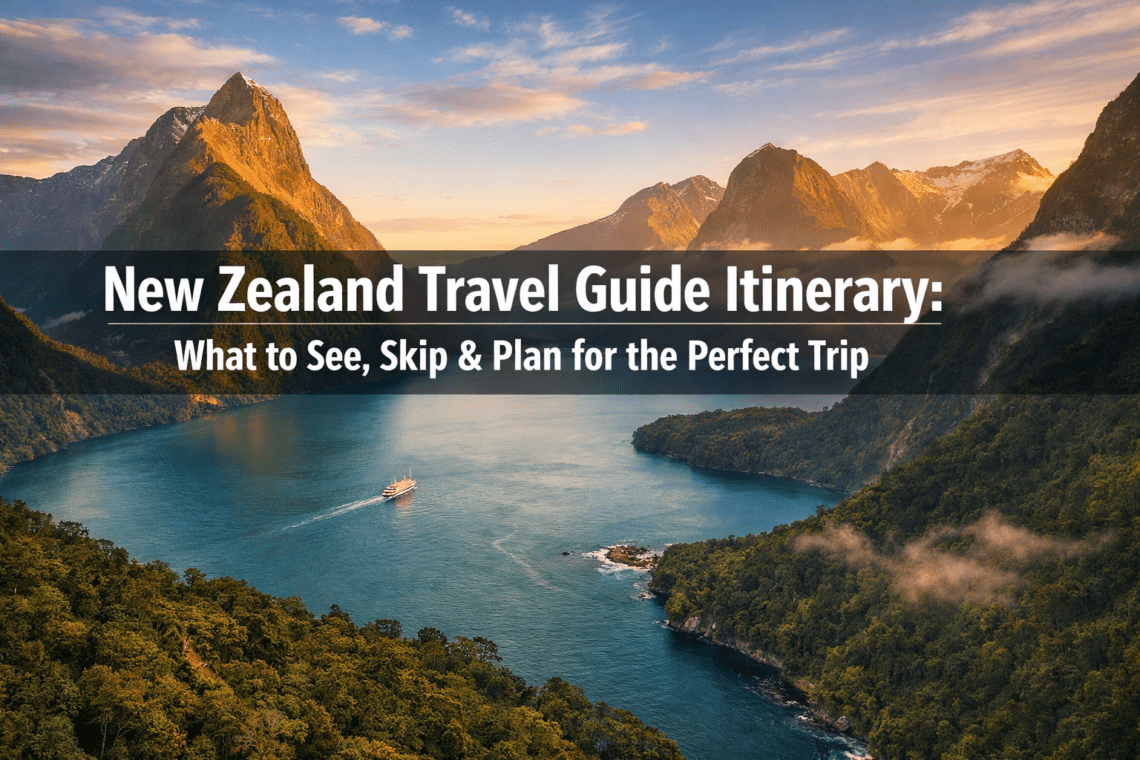
Quick Answer: New Zealand rewards travelers who plan ahead. A solid New Zealand travel guide itinerary covers both the North and South Islands over 10–14 days, prioritizes a rental car for flexibility, and focuses on the South Island’s dramatic landscapes while using the North Island for cultural depth. Skip the over-hyped tourist traps and you’ll have one of the best trips of your life.
Key Takeaways
- 10–14 days is the sweet spot for a first-time New Zealand itinerary covering both islands.
- A rental car is almost essential — public transport between major sights is limited and slow.
- The South Island (Queenstown, Milford Sound, Wanaka) is the visual highlight; the North Island (Auckland, Rotorua, Bay of Islands) adds culture and geothermal drama.
- Book accommodation and the Milford Sound cruise months in advance, especially for peak season (December–February).
- Shoulder season (March–May or September–November) means fewer crowds, lower prices, and still-gorgeous weather.
- Some popular stops — like the Hobbiton tour — are worth every cent; others, like spending more than one night in Auckland, are easy to skip.
- New Zealand is expensive. Budget roughly NZD $150–250 per person per day for mid-range travel (accommodation, food, activities).
- Driving distances are longer than they look on a map — always add buffer time between stops.
How Should You Structure a New Zealand Travel Guide Itinerary?
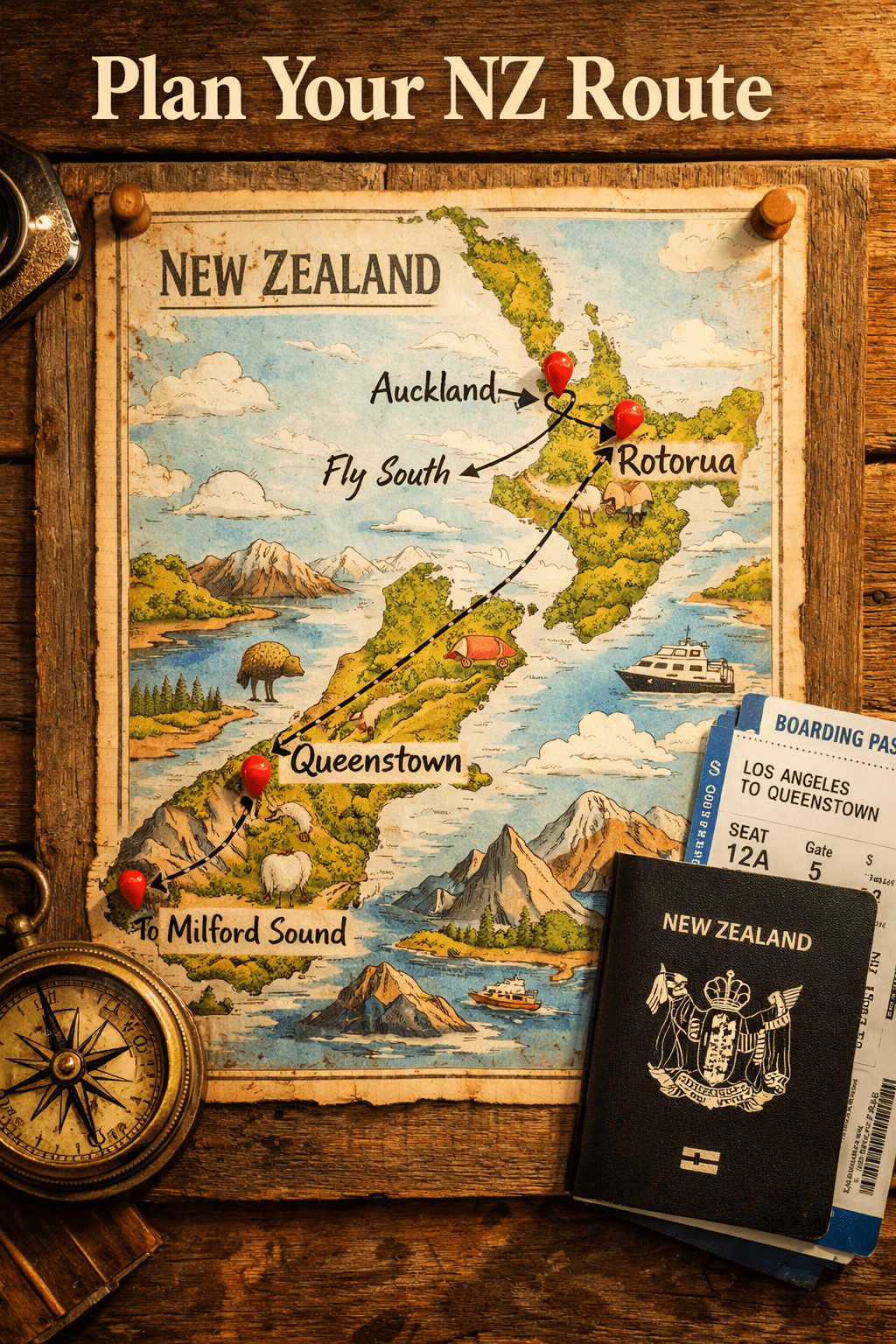
The most effective New Zealand travel guide itinerary splits time between the two main islands, with more days on the South Island. Most first-timers underestimate driving times and overpack their schedule — leave room to breathe.
Recommended day splits
| Trip Length | North Island | South Island |
|---|---|---|
| 10 days | 3 days | 7 days |
| 14 days | 5 days | 9 days |
| 21 days | 7 days | 14 days |
Sample 14-day route
North Island (Days 1–5):
- Day 1–2: Auckland — arrive, recover from jet lag, explore the waterfront and Sky Tower
- Day 3: Hobbiton (Matamata) — drive south, tour the movie set, overnight in Hamilton or Rotorua
- Day 4: Rotorua — geothermal parks (Wai-O-Tapu is the best), Māori cultural experience
- Day 5: Taupo — Huka Falls, Lake Taupo, then fly or drive to Christchurch
South Island (Days 6–14):
- Day 6: Christchurch — explore the rebuilt city center, Botanic Gardens
- Day 7–8: Mount Cook / Aoraki — glacier views, Hooker Valley Track hike
- Day 9–10: Queenstown — adventure activities, Arrowtown day trip
- Day 11: Wanaka — Lake Wanaka, Roys Peak hike (start at 5am to beat crowds)
- Day 12: Milford Sound — full day cruise, one of the world’s great natural sights
- Day 13: Te Anau or drive back toward Queenstown
- Day 14: Depart from Queenstown
Pro tip: Flying between Auckland and Christchurch (or Queenstown) saves 8+ hours of driving and costs as little as NZD $80–150 if booked early. It’s almost always worth it.
What Are the Absolute Must-See Stops on Any NZ Itinerary?
Some places in New Zealand are genuinely irreplaceable — skip them and you’ll regret it. These are the non-negotiables for a first-time visitor.
North Island must-sees
- Hobbiton (Matamata): Yes, it’s touristy. Yes, it’s worth it. The detail is extraordinary, and the evening Banquet Tour is magical if budget allows.
- Rotorua’s geothermal parks: Wai-O-Tapu Thermal Wonderland beats Wai-O-Tapu (the Champagne Pool alone is worth the entry fee). Avoid the overpriced Te Puia if you’re budget-conscious.
- Tongariro Alpine Crossing: One of the world’s great day hikes — volcanic craters, emerald lakes, dramatic ridgelines. Book a shuttle from Taupo or Turangi. Allow a full day.
South Island must-sees
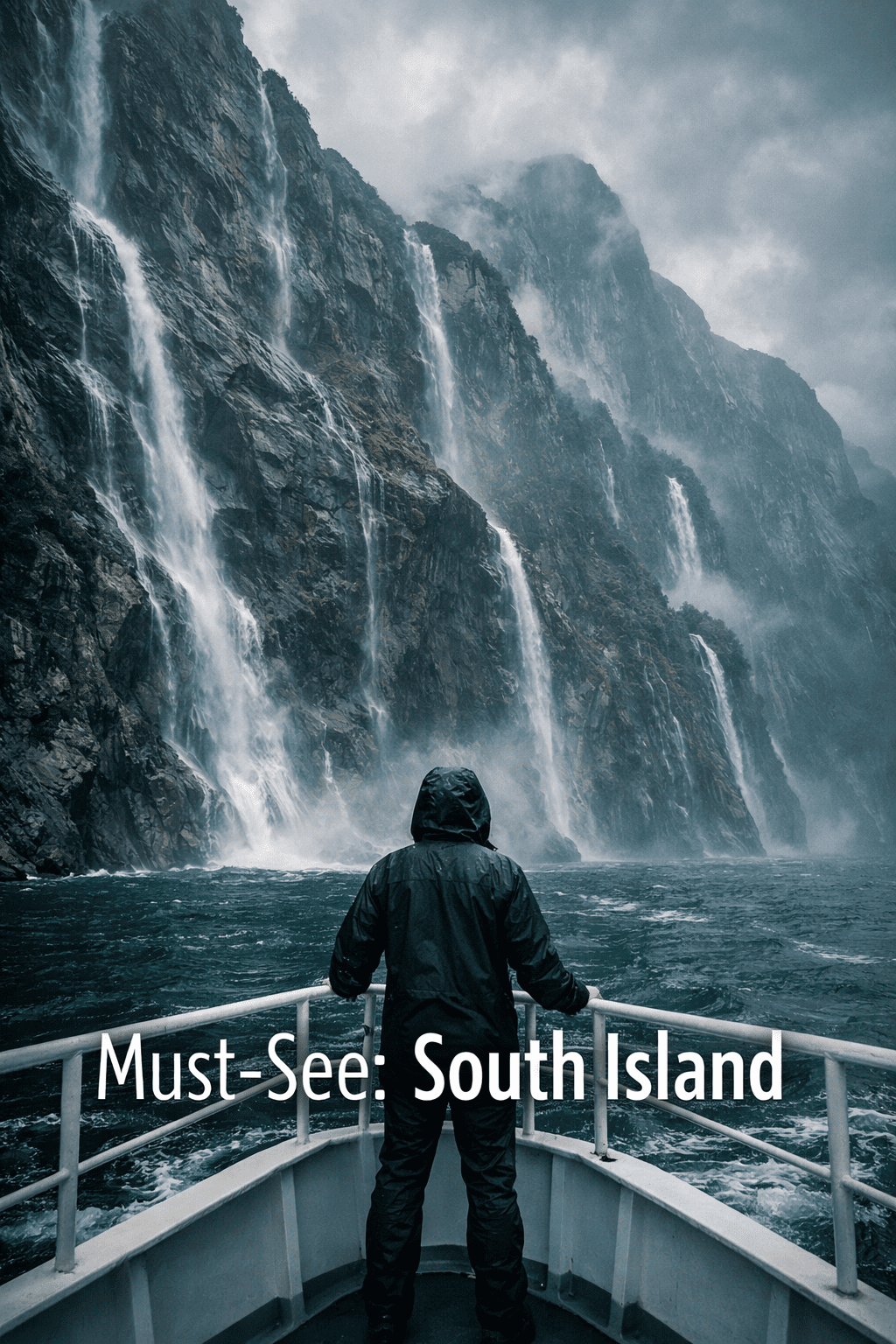
- Milford Sound: Non-negotiable. Book a morning cruise to catch the light and avoid the afternoon crowds. The drive in from Te Anau through Fiordland is itself stunning.
- Hooker Valley Track (Mount Cook): A 3-hour return walk with glacier views and a swing bridge. One of the best easy hikes in the country.
- Wanaka: Quieter than Queenstown, just as beautiful. The “That Wanaka Tree” photo spot is crowded now, but the lake and Roys Peak make up for it.
- Queenstown: The adventure capital. Even if you don’t bungee jump or skydive, the setting on Lake Wakatipu is jaw-dropping.
What Can You Actually Skip on a New Zealand Trip?
Not everything that’s famous deserves your time. A smart New Zealand travel guide itinerary cuts the filler so you spend more time in places that actually deliver.
Overrated or skippable stops
- More than 1–2 nights in Auckland: It’s a fine city, but it’s not why you flew to New Zealand. Arrive, recover, and move on.
- Te Puia in Rotorua: The geothermal features are impressive, but the entry price is steep compared to Wai-O-Tapu. The kiwi house is the one reason to visit.
- Christchurch city center (extended stay): The city is still rebuilding after the 2011 earthquake. It’s worth half a day, but not two nights.
- Fox and Franz Josef Glaciers (for most travelers): Access has changed significantly due to glacier retreat and safety restrictions. Helicopter tours are expensive and weather-dependent. Unless this is a bucket-list item, the time and cost may not justify it for a short trip.
- Paihia / Bay of Islands (if time is tight): Beautiful, but adds significant driving time to the North Island schedule. Cut it on a 10-day trip; add it on 14+ days.
Choose Wanaka over Queenstown if you want a calmer base with similar scenery and fewer bachelor parties. Choose Queenstown if you want nightlife, more restaurant options, and easy access to adventure operators.
When Is the Best Time to Visit New Zealand?
Shoulder season — March to May or September to November — is the best time for most travelers. You’ll get good weather, manageable crowds, and lower prices on accommodation.
Season breakdown
| Season | Months | What to Expect |
|---|---|---|
| Peak summer | Dec–Feb | Warm, busy, expensive, book months ahead |
| Shoulder (autumn) | Mar–May | Stunning foliage, fewer crowds, great hiking |
| Winter | Jun–Aug | Cold in the South, ski season in Queenstown, some hikes closed |
| Shoulder (spring) | Sep–Nov | Wildflowers, warming temps, good value |
Milford Sound is actually beautiful in the rain — the waterfalls run stronger and the mist adds drama. Don’t cancel your cruise just because the forecast looks grey.
For comparison, planning a trip to another island destination like the Seychelles or Bora Bora follows a similar logic: shoulder seasons deliver the best experience-to-cost ratio.

How Do You Get Around New Zealand? Transport Tips for Your Itinerary
Renting a car is the single best transport decision you can make in New Zealand. Public buses exist but are slow, infrequent, and won’t get you to most scenic highlights on your own schedule.
Transport options compared
- Rental car: Best flexibility, essential for South Island. Book early — rates spike in peak season. Campervan rentals are popular but add complexity.
- Intercity buses (InterCity, Naked Bus): Affordable for budget travelers, but slow. Better suited to the North Island than the South.
- Domestic flights: Air New Zealand connects Auckland, Wellington, Christchurch, and Queenstown. Flying saves significant time between islands.
- Rental campervans: Great for 14+ day trips if you enjoy camping. Freedom camping rules are strict — always check local council regulations.
Driving tips specific to New Zealand:
- Drive on the left side of the road.
- Roads in Fiordland and on the West Coast are narrow and winding — add 30–40% extra time to Google Maps estimates.
- Fuel stations are sparse in rural areas. Fill up whenever you’re below half a tank.
- Gravel roads are common. Check your rental agreement for gravel road coverage before driving on unsealed roads.
If you’re the kind of traveler who loves a road trip format, our 9-day Ireland road trip guide uses a similar planning approach — both countries reward slow, scenic driving.
What Does a New Zealand Trip Actually Cost?
New Zealand is one of the more expensive destinations in the Asia-Pacific region. Budget realistically to avoid nasty surprises.
Estimated daily costs per person (2026, NZD)
| Travel Style | Accommodation | Food | Activities | Daily Total |
|---|---|---|---|---|
| Budget | $40–70 (hostel) | $30–50 | $30–60 | ~$100–180 |
| Mid-range | $120–200 (motel/Airbnb) | $60–100 | $80–150 | ~$260–450 |
| Comfort | $250–500+ (hotel) | $100–180 | $150–300+ | ~$500–980+ |
Biggest cost items to plan for
- Milford Sound cruise: NZD $85–150 per person depending on operator and tour type
- Tongariro Alpine Crossing shuttle: NZD $35–55 return
- Hobbiton tour: NZD $49–145 depending on tour type
- Rental car: NZD $60–120/day for a standard vehicle (more in peak season)
- Queenstown activities: Bungee jumping starts around NZD $195; skydiving from NZD $299+
Money-saving tips:
- Cook some meals — supermarkets (Countdown, New World, Pak’nSave) are well-stocked.
- Use cheap flight search tools to find deals on domestic legs between islands.
- Stay in motels rather than hotels — New Zealand motels are clean, practical, and significantly cheaper.
What Should You Pack for a New Zealand Itinerary?
New Zealand’s weather changes fast, especially in the South Island. Layers are your best friend.
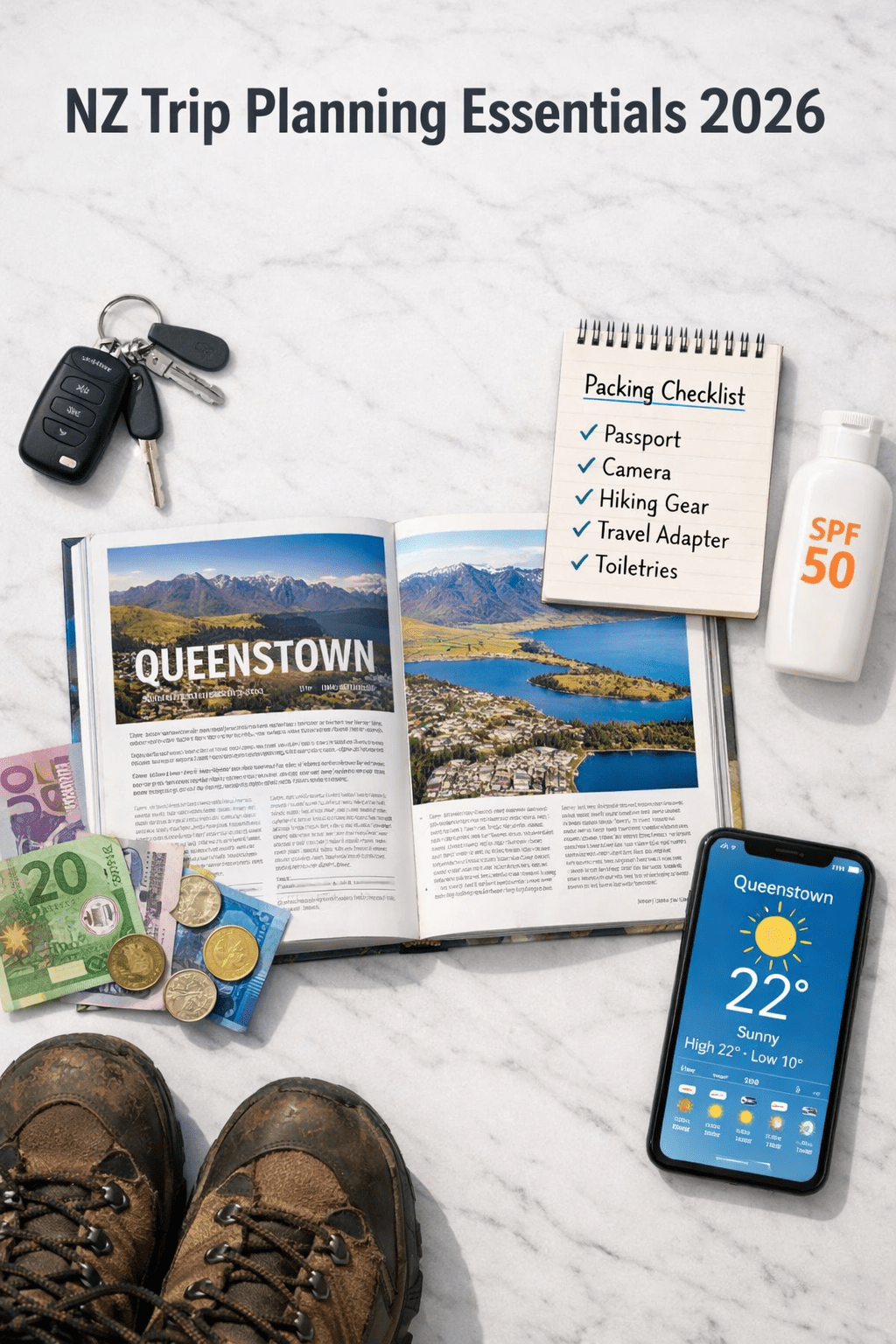
Packing essentials for New Zealand
- Waterproof jacket (non-negotiable — rain is frequent in Fiordland and the West Coast)
- Hiking boots or trail runners with good grip
- Merino wool base layers — New Zealand merino is world-class and you can buy it there too
- Sunscreen (SPF 50+) — UV levels in New Zealand are extremely high due to the thin ozone layer
- Insect repellent — sandflies in Fiordland are relentless
- Reusable water bottle — tap water is safe to drink everywhere
- Power adapter (Type I, same as Australia)
For a full packing checklist, our travel essentials list covers everything you need for long-haul trips.
Frequently Asked Questions About Planning a New Zealand Itinerary
How many days do you need in New Zealand?
Ten days is the minimum for a meaningful trip covering both islands. Fourteen days is ideal for first-timers. Anything under 10 days means you’ll feel rushed and miss the South Island highlights.
Is New Zealand worth visiting for just one island?
Yes — if you only have 7–8 days, focus entirely on the South Island. It has the most dramatic scenery and the highest concentration of bucket-list experiences.
Do you need a visa to visit New Zealand?
Citizens of many countries (including the US, UK, Australia, and most EU nations) can visit New Zealand visa-free for up to 90 days. However, most visitors now need an NZeTA (New Zealand Electronic Travel Authority), which costs NZD $23 and must be applied for before travel.
Is New Zealand safe for solo travelers?
New Zealand is one of the safest countries in the world for solo travel. Solo female travelers, in particular, consistently rate it highly. Check out our guide to solo female travel destinations for more context.
Can you do New Zealand on a budget?
It’s possible but challenging. Hostels, cooking your own food, and free hikes (most DOC tracks are free) help significantly. Expect to spend at least NZD $100/day even on a tight budget.
Should you rent a campervan or a regular car?
A regular car is easier and more flexible for most travelers. Campervans suit people who enjoy camping and have 14+ days. Freedom camping rules have tightened in recent years — research before you commit.
What is the best base for exploring the South Island?
Queenstown works well as a base for Fiordland, Milford Sound, and Wanaka day trips. Te Anau is better if Milford Sound is your main focus (it’s 2 hours closer).
Is Hobbiton worth the price?
For most travelers, yes. The sets are detailed, the guides are excellent, and it’s a genuinely unique experience. The standard tour runs about 2 hours and costs NZD $49 for adults (2026 pricing — check the official site for current rates).
What’s the biggest mistake first-time visitors make?
Underestimating driving times. New Zealand roads are scenic but slow. What looks like a 2-hour drive on Google Maps often takes 3+ hours on winding mountain roads.
Can you visit New Zealand and Australia in one trip?
Yes — many travelers combine both. A common route is: arrive Sydney → fly to Auckland → road trip New Zealand → fly home from Queenstown or Auckland. Allow at least 3 weeks total.
When should you book New Zealand travel?
Book flights 3–6 months ahead for peak season (December–February). Book Milford Sound cruises and Hobbiton tours as soon as your dates are confirmed — they sell out weeks in advance.
Is New Zealand good for families?
Absolutely. The country is clean, safe, and has excellent infrastructure. Kids love the geothermal parks, Hobbiton, and wildlife encounters (kiwi spotting, seal colonies). Check our family travel guides for more trip-planning ideas.
Conclusion: Your New Zealand Adventure Starts With a Smart Plan
New Zealand doesn’t reward rushed itineraries. The travelers who get the most out of this country are the ones who slow down, drive the scenic routes, and leave a day or two unscheduled for unexpected discoveries.
Here’s your action plan:
- Decide your trip length — 10 days minimum, 14 days ideal.
- Book flights early — especially if you’re flying into Auckland and out of Queenstown (or vice versa).
- Reserve your rental car as soon as your flights are confirmed.
- Lock in Milford Sound and Hobbiton before anything else — these sell out.
- Plan your route using the sample itinerary above as a starting framework, then adjust for your interests.
- Pack layers and don’t forget sunscreen and sandfly repellent.
- Build in buffer days — New Zealand’s weather and winding roads mean flexibility is your friend.
New Zealand is one of those rare places that consistently exceeds expectations. With the right New Zealand travel guide itinerary in hand, you’re already ahead of most visitors who show up without a plan. Go explore — it’s worth every hour of the flight.
Looking for more destination inspiration? Check out our guides to Kona, Hawaii, the Tuscany first-timer’s itinerary, or the top 10 places that ruin all other vacations — New Zealand makes that list every time.