
Last updated: June 17, 2026
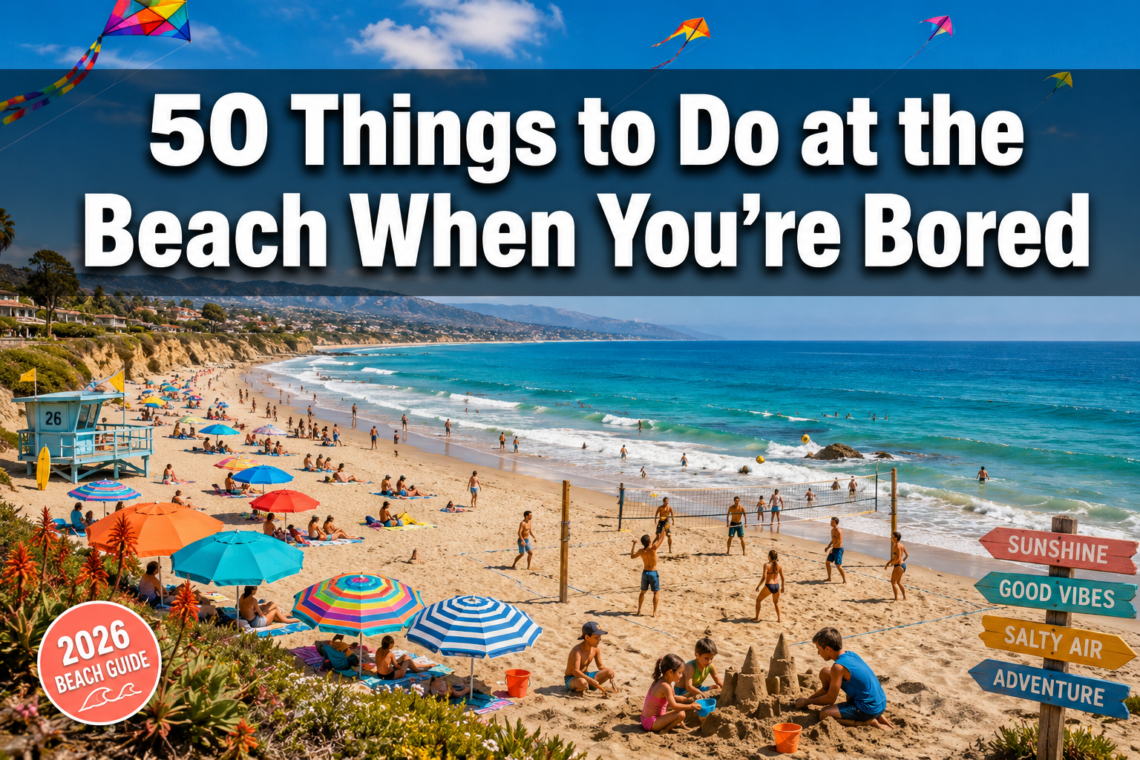
Quick Answer: The best things to do at the beach go far beyond swimming – from building sandcastles and playing beach volleyball to snorkeling, flying kites, and beachcombing for shells. Whether you’re traveling with kids, teens, seniors, or going solo, there are dozens of free and low-cost activities that make every beach day memorable. This guide covers 50 specific ideas organized by age, budget, and activity level.
Key Takeaways
- You don’t need expensive gear to have a great beach day – most of the best activities are free or cost under $20
- Kids thrive with hands-on activities like sandcastle building, shell collecting, and tide pool exploring
- Teens and adults who don’t love swimming can still have a full day with volleyball, kayaking, yoga, and beach games
- Seniors and less mobile visitors have plenty of low-effort options: birdwatching, journaling, picnicking, and gentle shoreline walks
- Sun safety is non-negotiable – plan activities around peak UV hours (10am-4pm) and pack SPF 30 or higher
- A well-packed beach bag eliminates most common day-trip frustrations
- Beach boredom is usually a planning problem, not a location problem
Fun Beach Activities for Kids That Actually Work
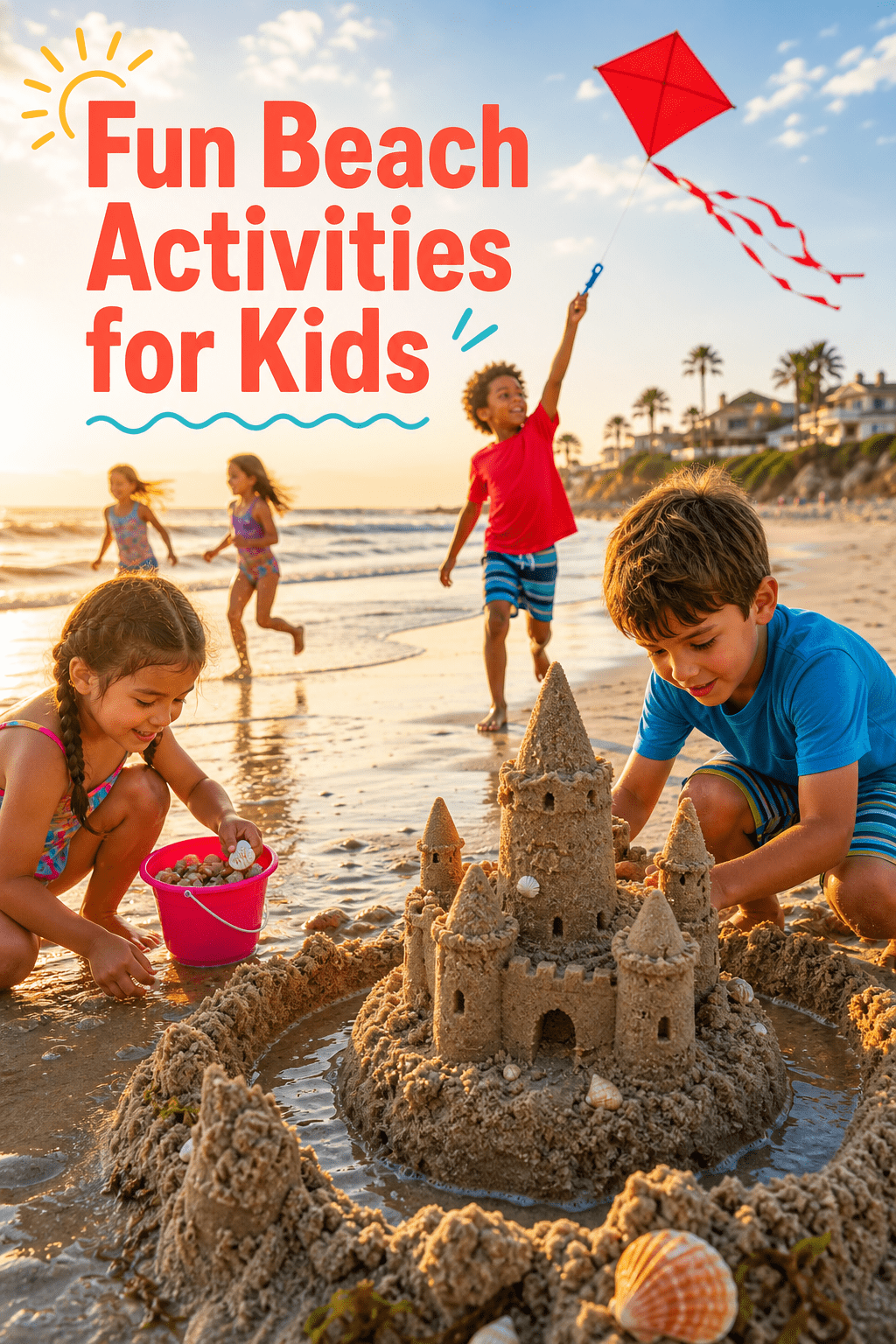
Kids need variety, sensory engagement, and just enough challenge to stay busy at the beach. The best beach activities for children combine creativity, movement, and exploration – and most cost nothing at all. [1]
Here are the top picks for younger kids (ages 3-12):
- Build a sandcastle – Start with a simple mound, then add towers, moats, and bridges. Use plastic cups as molds. The more elaborate, the better. [2]
- Shell and sea glass hunting – Give each child a small bucket and a “mission list” of items to find (a spiral shell, a smooth pebble, something pink). It turns beachcombing into a scavenger hunt. [1]
- Dig to “the other side of the world” – Classic, messy, and endlessly entertaining for ages 4-9
- Build a sand village – Go beyond one castle and create roads, rivers, and tiny buildings as a group project
- Tide pool exploring – Find a rocky section of shore and look for crabs, anemones, and small fish. Teach kids to look without touching
- Flying a kite – Coastal winds are perfect for kite flying, and a basic kite costs $8-15 at most beach shops [6]
- Sand art – Draw pictures, write names, or trace each other’s silhouettes in wet sand
- Splash zone relay races – Set up a simple course in shallow water for running, jumping, and splashing
For more family-friendly ideas, check out these 21 genius beach hacks for kids that make the whole trip easier.
Pro tip: Bring a mesh bag for shell collecting – sand falls through, shells stay in.
How to Build the Perfect Sandcastle (Step by Step)
Building a great sandcastle comes down to three things: wet sand, good tools, and a solid base. Most people fail because they start too dry or too far from the water. [2]
Step-by-step guide:
- Choose your location – Build 10-15 feet from the waterline where the sand is damp but not flooded
- Gather your tools – Plastic cups, a small shovel, a stick for carving, and a spray bottle of water
- Build the base first – Pack wet sand into a large mound at least 12 inches tall. Compress firmly with your hands
- Work from the top down – Carve towers from the top of the mound rather than stacking upward (stacking collapses)
- Add details last – Use a stick or shell to carve windows, doors, and brick patterns
- Protect with a moat – Dig a channel around the base to redirect any incoming water
Common mistake: Using dry sand. Dry sand has zero structural integrity. If your sand isn’t clumping when squeezed, move closer to the water.
What Teenagers Can Do at the Beach Besides Swimming
Teens often get bored at the beach faster than any other age group – mostly because “just swimming” loses its appeal quickly. The good news is that beaches offer a surprising range of things to do at the beach that feel genuinely cool rather than forced. [4]
Active options:
- Beach volleyball – No net? Use a rope or draw a line in the sand. Teams of 2-4 work best [3]
- Frisbee or spikeball – Both are easy to pack and work on any flat stretch of sand
- Bodyboarding – Easier than surfing, cheaper to rent (typically $10-20/hour), and immediately fun for beginners
- Paddleboarding – Most beach resorts rent boards for $20-40/hour; it looks harder than it is
- Skim boarding – Buy a cheap skim board ($20-35) and spend an hour learning to ride the shoreline wash
Low-key options:
- Beach photography – Challenge teens to capture 10 “interesting” photos. Golden hour (6-7pm) makes everyone look good
- Journaling or sketching – The beach is genuinely inspiring for creative work
- Podcast or audiobook session – Lie back, headphones in, and actually relax
- People watching with a story challenge – Pick a stranger and invent their backstory. Surprisingly entertaining
Beach Games That Are Good for the Whole Family
The best family beach games work across a wide age range, need minimal setup, and don’t require anyone to be athletic. These activities are things to do at the beach that bring people together rather than splitting the group by skill level. [3]
| Game | Ages | Equipment Needed | Cost |
|---|---|---|---|
| Beach volleyball | 8+ | Ball, net (optional) | $0-25 |
| Frisbee | 6+ | Frisbee | $5-12 |
| Spikeball | 10+ | Spikeball set | $40-60 |
| Bocce ball | 5+ | Bocce set | $20-40 |
| Paddleball | 4+ | Paddles + ball | $10-20 |
| Sand scavenger hunt | 3+ | List, bags | Free |
| Tug of war | All | Rope | $5-10 |
| Limbo with a pool noodle | All | Pool noodle | $3-5 |
Choose bocce ball if your group includes grandparents or younger kids who can’t keep up with fast-moving games. It’s slow, strategic, and surprisingly competitive.
Best Beach Activities for Adults Who Don’t Like Swimming
Not everyone wants to get in the water, and that’s completely fine. There are dozens of engaging things to do at the beach that have nothing to do with swimming. [7]
- Beach yoga or meditation – Soft sand, fresh air, and the sound of waves make beaches one of the best outdoor yoga settings [7]
- Snorkeling near the shore – If you’re comfortable in shallow water, snorkeling doesn’t require strong swimming skills and reveals an entirely different world [5]
- Beachcombing – Walking the shoreline looking for shells, sea glass, and interesting rocks is meditative and free [1]
- Outdoor reading – A beach chair, a good book, and some shade is a genuinely great afternoon
- Sketching or watercolor painting – The light and scenery at the beach are exceptional for visual art
- Sunset watching – Sounds simple, but sitting still and watching a full sunset is something most people rarely do
- Birdwatching – Coastal birds are active and interesting; a basic app like Merlin makes identification easy
- Journaling – The combination of open space and natural sound makes it easier to think and write clearly
- Beach bonfire (where permitted) – Check local rules, then gather driftwood and spend the evening around a fire [4]
If you’re planning a trip to a destination with exceptional beach culture, the best things to do in Siesta Key, Florida include several of these low-key options in one of the most beautiful settings in the US.
What Beach Sports Can Beginners Try?
Beginners do best with beach sports that have a low learning curve and don’t require expensive lessons. Bodyboarding, paddleball, and frisbee are the easiest entry points – most people can enjoy them within minutes. [4]
Best beginner beach sports (ranked by ease):
- Paddleball – Two paddles, one ball, no rules. Just hit it back and forth
- Frisbee – Takes 10 minutes to learn a basic throw
- Bodyboarding – Lie on the board, catch a wave. Rentals run $10-20/hour
- Beach volleyball – Casual games are very forgiving; no spiking required
- Kayaking – Sit-on-top kayaks are stable and easy; rentals average $15-30/hour
- Paddleboarding – Takes about 20 minutes to find your balance; most rental shops give a quick tutorial
- Surfing – Steeper learning curve, but beginner lessons (1-2 hours, $50-80) get most people standing on their first day
Skip surfing if you’re visiting for only one day and have no prior board experience. You’ll spend most of the lesson falling and may leave frustrated rather than stoked.
How Much Does Beach Equipment Like Umbrellas and Chairs Cost?
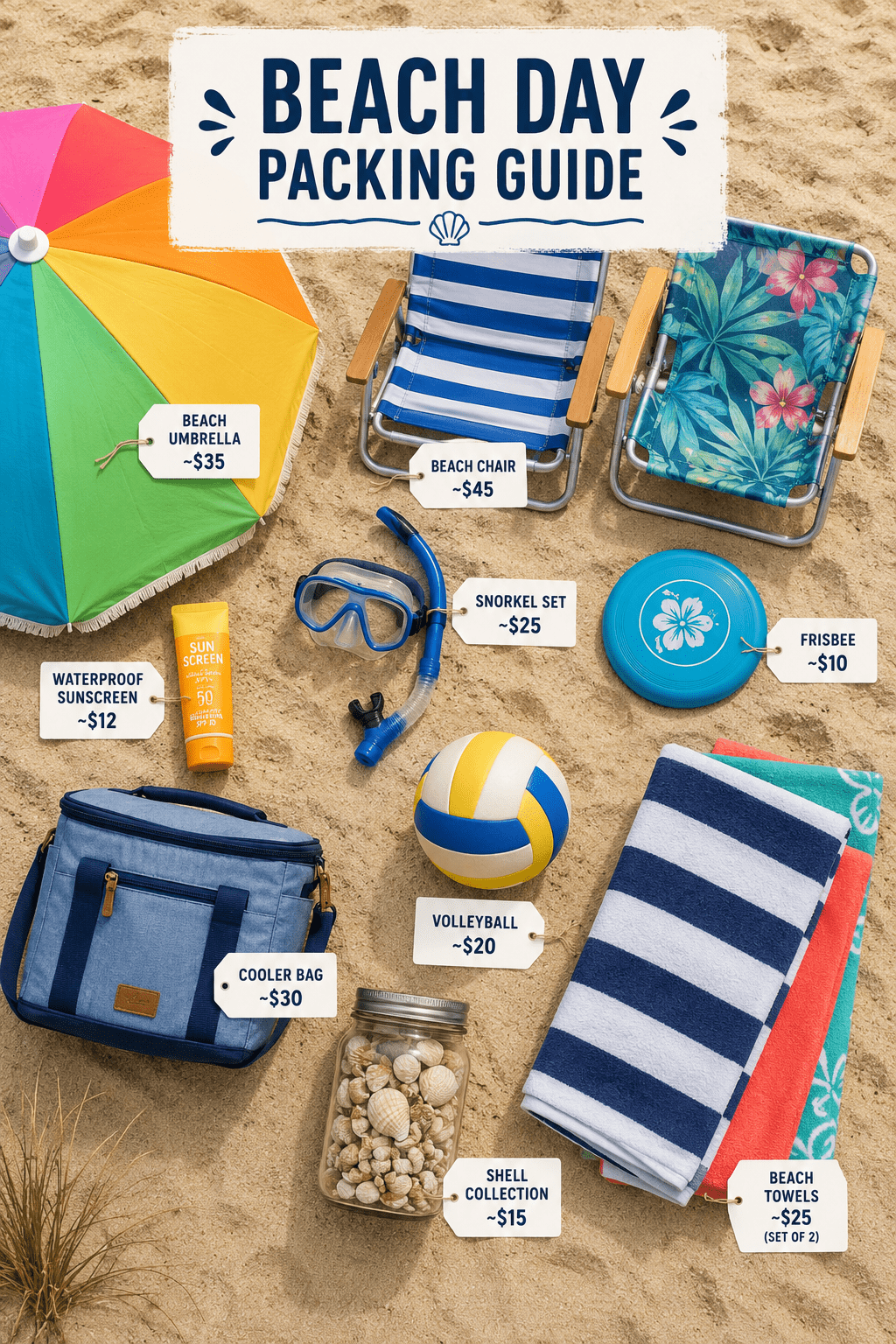
Beach equipment ranges from free (if you bring your own) to $50+ per day if you rent on-site. Buying basic gear before your trip almost always saves money if you’re going more than once. Here’s a realistic cost breakdown:
| Item | Rental (per day) | Buy (one-time) |
|---|---|---|
| Beach umbrella | $15-30 | $20-60 |
| Beach chair (basic) | $8-20 | $15-40 |
| Beach chair (reclining) | $20-35 | $35-80 |
| Bodyboard | $10-20 | $25-60 |
| Kayak (sit-on-top) | $20-40 | $300-800 |
| Paddleboard | $25-50 | $400-1,200 |
| Snorkel set | $10-20 | $20-60 |
| Kite | $5-10 | $8-30 |
Budget tip: Many beach towns have discount shops near the shore selling umbrellas and chairs for $20-30 total. For a week-long trip, buying beats renting by day two.
Cheap Beach Entertainment Ideas (Free and Under $20)
Most of the best things to do at the beach cost nothing. Free beach activities include swimming, beachcombing, sandcastle building, people watching, sunset watching, and shoreline walking. [6]
Free activities:
- Shell and sea glass collecting [1]
- Sand sculpting and art
- Tide pool exploring
- Swimming and body surfing
- Sunrise or sunset watching
- Journaling or reading a book you already own
- Beach yoga using a towel as a mat [7]
- Birdwatching
Under $10:
- Kite flying (basic kite $8-10) [6]
- Paddleball set ($8-12)
- Frisbee ($5-10)
- Picnic supplies from a grocery store (far cheaper than beach vendors) [5]
Under $20:
- Snorkel mask and tube
- Bocce ball set
- Basic skim board
- Waterproof playing cards for beach card games
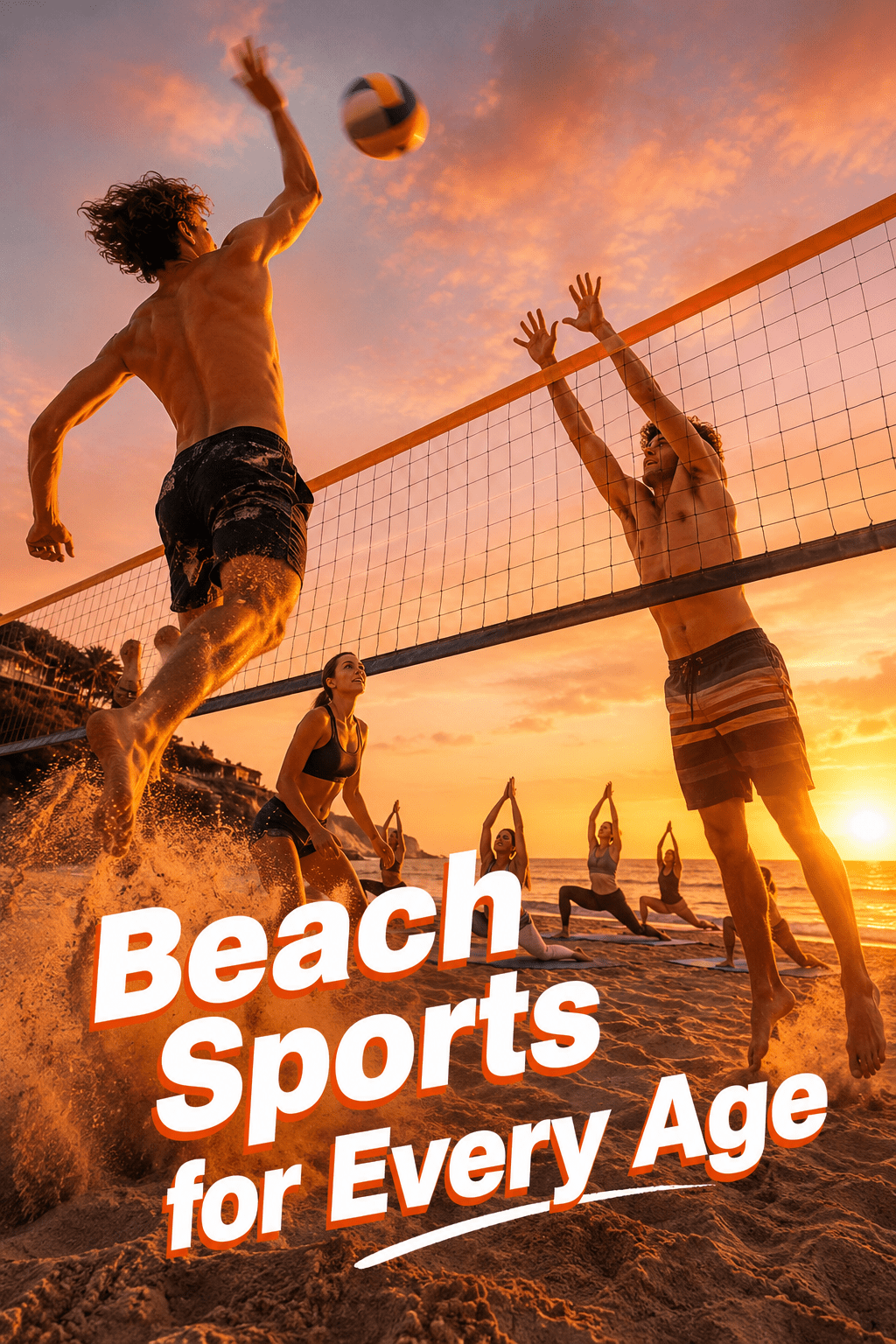
How to Stay Safe from Sunburn and Heat at the Beach
Sun safety at the beach means applying SPF 30 or higher sunscreen every two hours, staying hydrated, and scheduling intense activity for early morning or late afternoon when UV index is lower. Heat exhaustion is a real risk on full beach days, especially for children and older adults.
Sun and heat safety checklist:
- Apply broad-spectrum SPF 30+ sunscreen 15 minutes before sun exposure
- Reapply every 2 hours and immediately after swimming
- Wear a wide-brim hat and UV-protective sunglasses
- Set up a beach umbrella for shade – it reduces UV exposure significantly
- Drink water consistently (aim for 8+ oz per hour in hot conditions)
- Avoid alcohol during peak heat hours – it accelerates dehydration
- Recognize heat exhaustion signs: heavy sweating, weakness, cool/pale skin, nausea
- Schedule high-energy activities before 10am or after 4pm when UV index drops
For kids specifically: Children burn faster than adults. Reapply their sunscreen every 90 minutes and make sure they take shade breaks. For more practical tips, see our guide on beach hacks for kids.
Beach Activities for Seniors and Less Active Visitors
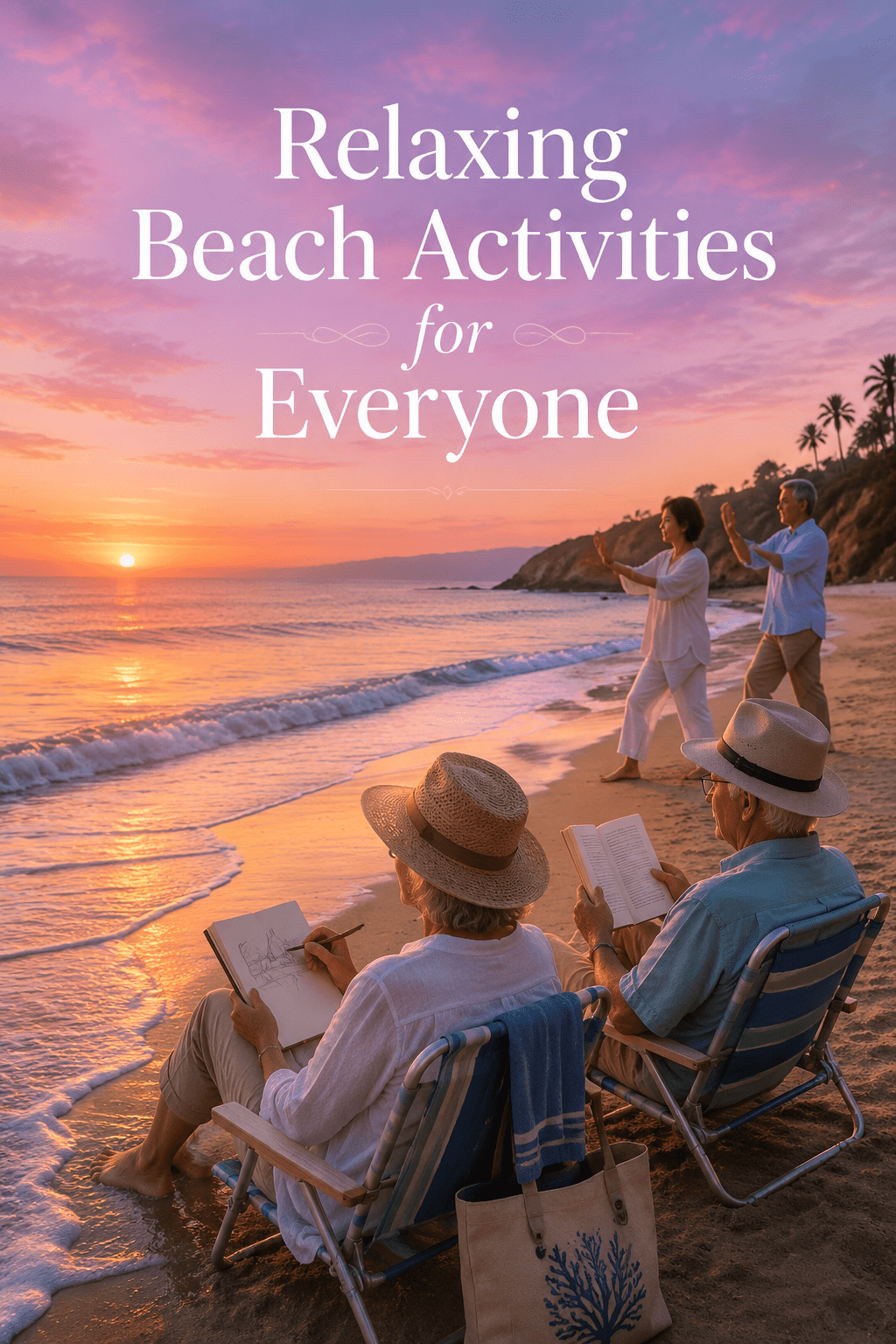
Seniors and less mobile visitors have plenty of genuinely enjoyable options at the beach – none of which require swimming or physical exertion. The key is choosing activities that match comfort level and setting up a good base camp with proper shade and seating. [7]
Best low-effort beach activities:
- Shoreline walking – Flat, wet sand near the water’s edge is easy to walk on and gentle on joints
- Birdwatching – Bring binoculars and a field guide or download Merlin (free app)
- Sketching or painting – The beach provides constantly changing light and scenery
- Reading – A reclining beach chair plus a good book plus ocean sound is hard to beat
- Picnicking – Pack a proper meal and eat with a view [5]
- Shell collecting – Slow, meditative, and rewarding
- Watching the waves – Genuinely restorative; research on “blue mind” theory suggests proximity to water reduces stress
- Playing card or board games – Waterproof playing cards work well on the beach
- Journaling or letter writing – The environment inspires reflection
Setup tip: A reclining beach chair with armrests and a good umbrella makes a huge difference in comfort for seniors. Bring a small cooler so there’s no need to walk to vendors.
What to Pack for a Full Day at the Beach
A well-packed beach bag is the difference between a great day and a miserable one. The essentials cover sun protection, hydration, food, comfort, and entertainment. [5]
The full-day beach packing list:
Sun protection:
- Sunscreen SPF 30+ (bring more than you think you need)
- Wide-brim hat
- UV-blocking sunglasses
- Rash guard or cover-up
Comfort and setup:
- Beach umbrella
- Beach chairs or a large blanket
- Small portable cooler
- Waterproof bag for phone and valuables
Food and water:
- At least 2 liters of water per person
- Easy snacks (grapes, sandwiches, granola bars)
- Reusable cups
Entertainment:
- Books, magazines, or e-reader with protective case
- Beach games (frisbee, paddleball, bocce)
- Waterproof playing cards
- Kite
Practical extras:
- Dry bag or ziplock bags for electronics
- First aid basics (bandaids, antiseptic wipe)
- Trash bag (leave no trace)
- Extra towels
For a comprehensive travel packing reference, the ultimate travel essentials list covers what to bring for any trip type.
Common Mistakes People Make Planning Beach Days
The biggest beach day mistakes are arriving at peak heat with no shade setup, underestimating how much water you need, and not planning activities for non-swimmers in the group. Most beach frustrations are preventable with 20 minutes of prep.
Top mistakes and how to fix them:
- Arriving at noon – Peak UV and heat. Arrive by 9am or after 3pm instead
- Packing too light on water – Bring more than you think. Dehydration sneaks up fast in sun and heat
- No shade plan – Don’t assume umbrellas will be available to rent. Bring your own
- Forgetting activities for non-swimmers – Always pack at least one game or activity that doesn’t require water
- Leaving valuables visible – Use a dry bag or a decoy “trash” bag to hide phones and wallets
- Skipping the grocery store – Beach vendor food costs 3-4x more than buying supplies beforehand
- Not checking tide times – Low tide is best for sandcastle building, shell hunting, and tide pool exploring. High tide shrinks the beach significantly
- Ignoring local rules – Some beaches prohibit bonfires, glass containers, dogs, or alcohol. Check before you go
Beach Activities That Don’t Require Special Equipment
Some of the most enjoyable things to do at the beach need zero gear. Swimming, beachcombing, tide pool exploring, cloud watching, sunset watching, and shoreline walking are all completely free and equipment-free. [6]
No-equipment beach activity list:
- Swimming and body surfing
- Beachcombing for shells, sea glass, and interesting rocks [1]
- Tide pool exploring
- Sand sculpting with your hands
- Shoreline walking (barefoot is even better)
- Cloud watching
- Sunrise or sunset watching
- People watching
- Singing, storytelling, or playing word games with your group
- Meditation or breathing exercises by the water [7]
- Writing messages in the sand
- Watching for dolphins, pelicans, or other wildlife
- Building a simple driftwood sculpture
These activities work whether you’re at a busy resort beach or a remote stretch of coastline. They also work if your bag gets left in the car or your gear gets wet.
The Full List: 50 Things to Do at the Beach
Here’s the complete list for quick reference:
Active and water-based:
- Swimming
- Bodyboarding [4]
- Surfing
- Kayaking
- Paddleboarding
- Snorkeling [5]
- Skim boarding
- Paddleball
- Beach volleyball [3]
- Frisbee
Sand and shore:
11. Build a sandcastle [2]
12. Build a sand village
13. Dig a moat
14. Create sand art
15. Write messages in the sand
16. Skim stones
17. Collect shells and sea glass [1]
18. Tide pool exploring
19. Build a driftwood sculpture
20. Shoreline walking
Games and group fun:
21. Bocce ball
22. Spikeball
23. Tug of war
24. Limbo with a pool noodle
25. Beach scavenger hunt
26. Waterproof card games
27. Storytelling circle
28. Sand drawing contest
29. Relay races in shallow water
30. Kite flying [6]
Relaxing and solo:
31. Reading a book or e-reader
32. Listening to podcasts or audiobooks [5]
33. Journaling
34. Sketching or painting
35. Beach yoga [7]
36. Meditation by the water [7]
37. Birdwatching
38. Cloud watching
39. Sunset or sunrise watching
40. People watching
Food and social:
41. Beach picnic [5]
42. Bonfire and s’mores (where permitted) [4]
43. Cooking on a portable grill
44. Coconut or fresh fruit from a vendor
45. Sunset dinner at a beachside restaurant
Creative and educational:
46. Beach photography or videography
47. Wildlife spotting (dolphins, pelicans, crabs)
48. Learning to identify local shells
49. Stargazing after dark
50. Collecting and pressing seaweed or interesting plants (check local rules)
FAQ
What are the best free things to do at the beach?
Swimming, beachcombing for shells and sea glass, building sandcastles, tide pool exploring, shoreline walking, and watching the sunset are all completely free and available at almost every beach.
What can you do at the beach if you can’t swim?
Non-swimmers have plenty of options: beachcombing, beach volleyball, yoga, reading, picnicking, kite flying, bocce ball, birdwatching, and shoreline walking. Most beach activities don’t require going in the water at all.
What should I pack for a day at the beach?
Pack sunscreen SPF 30+, a hat, sunglasses, a beach umbrella, chairs or a blanket, at least 2 liters of water per person, snacks, a dry bag for valuables, and at least one game or activity. A small cooler is worth the effort.
What beach activities are best for toddlers?
Sand play, shallow water splashing, shell collecting, kite watching, and digging are ideal for toddlers ages 1-4. Keep activities close to your base and always within arm’s reach of the water.
How do I keep kids entertained at the beach all day?
Rotate activities every 45-60 minutes. Start with active play (sandcastle building, games), take a shade break with snacks, then move to water activities, then collecting or exploring. A scavenger hunt list gives kids a mission and keeps them engaged for hours.
Is it safe to snorkel as a beginner?
Yes, in calm, shallow water with a buddy. Beginners should stick to water no deeper than chest height, use a full-face mask or standard mask with a snorkel, and never snorkel alone. Reef shoes help if the bottom is rocky.
What time of day is best for beach activities?
Early morning (7-10am) and late afternoon (4-7pm) are best for active play and sun safety. Midday (10am-4pm) has the highest UV index – use this time for shade activities like reading, games under an umbrella, or a beach lunch.
What beach sports can older adults enjoy?
Bocce ball, paddleball, slow shoreline walking, and gentle water wading are all well-suited for older adults. These activities are low-impact, social, and don’t require special fitness levels.
What’s the cheapest way to have fun at the beach?
Bring your own gear (umbrella, chairs, food, water), choose free activities (swimming, beachcombing, games), and buy supplies at a grocery store before arriving. A full family beach day can cost under $30 with good planning.
Can you have a good beach day without going in the water?
Absolutely. Many people spend entire beach days on the sand with books, games, food, yoga, art, and conversation. The water is one option, not a requirement.
Conclusion
A beach day with no plan is a beach day that ends with everyone sunburned, hungry, and bored by 2pm. But with even a little preparation – a packed bag, a few games, a good shade setup, and a loose activity rotation – the beach becomes one of the most versatile destinations you can visit.
The 50 things to do at the beach in this guide cover every age, budget, and energy level. You don’t need expensive gear or perfect weather. You need sunscreen, water, a few ideas, and the willingness to actually try something.
Your next steps:
- Pick 5-8 activities from this list that fit your group’s ages and interests
- Check the tide chart for your beach day (low tide = more sand, better for exploring)
- Pack your bag the night before using the checklist above
- Arrive early to claim a good spot and avoid peak UV hours
- Bring more water than you think you need
Whether you’re heading to a classic Florida stretch, planning a trip to somewhere like Siesta Key or exploring what to do in Laguna Beach, or even checking out the best small beach towns in Florida, the activities in this guide work anywhere there’s sand and water. Go make it a good one.
References
[1] Beach Activities – https://www.campingandcaravanningclub.co.uk/advice/discover/beach-activities/?utm_source=openai
[2] Things To Do At The Beach – https://www.theodysseyonline.com/things-to-do-at-the-beach?utm_source=openai
[3] 10 Things To Do At The Beach – https://www.visitasilomar.com/blog/10-things-to-do-at-the-beach?utm_source=openai
[4] Fun Things To Do At The Beach – https://www.genevafi.com/fun-things-to-do-at-the-beach/?utm_source=openai
[5] Beach Things To Do – https://joannetai.com/blog/beach-things-to-do?utm_source=openai
[6] Things To Do On The Beach – https://mysillysquirts.com/things-to-do-on-the-beach/?utm_source=openai
[7] Fun Things To Do At The Beach Alone – https://www.adventurehq.com.au/listing/fun-things-to-do-at-the-beach-alone/?utm_source=openai