
Last updated: July 24, 2026
Quick Answer: The most effective solo travel budget ideas combine affordable accommodation (hostels, guesthouses), flexible flight booking, eating local, and slow travel to cut daily costs. Solo travelers can realistically explore Southeast Asia on $30-$60 per day, South America on $30-$40 per day, and Eastern Europe on $40-$60 per day by applying the right strategies from day one. [1][2][3]
Key Takeaways
- Solo travel in Southeast Asia costs roughly $30-$60 per day covering accommodation, food, transport, and activities [1]
- Hostel dorm beds in Eastern Europe run $12-$22 per night vs. $25-$40 in Western Europe [2]
- Staying longer in one place can reduce nightly accommodation costs by 30-40% [5]
- Eating at local markets and street stalls is one of the fastest ways to cut daily food costs
- Budget airlines and advance train bookings are the smartest tools for cheap intercity travel in Europe [2]
- Working remotely while traveling solo can extend your trip indefinitely on a fixed income
- Solo travel is not always more expensive than group travel – with the right tactics, it can cost less
- Women and men face slightly different budget considerations, mainly around safety-driven accommodation choices
What’s the Cheapest Way to Travel Solo as a Beginner
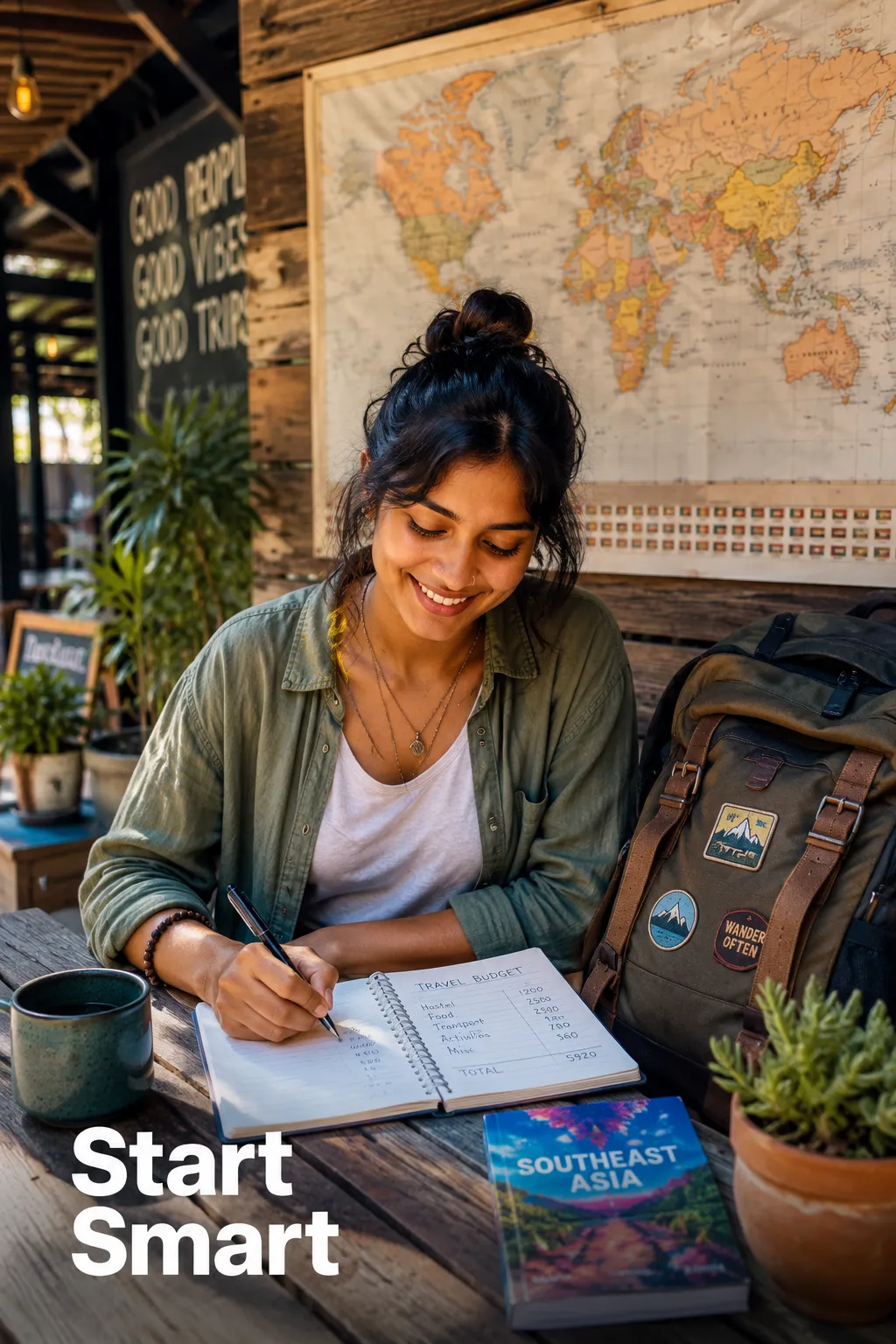
The cheapest way to start solo travel is to pick a low-cost destination, stay in hostels, use public transport, and eat where locals eat. Beginners often overspend because they book convenience instead of value.
Here’s a simple starting framework:
- Pick a budget-friendly region first – Southeast Asia, Eastern Europe, and Central America are the easiest entry points
- Book a hostel dorm bed – costs as little as $10 per night in places like Vietnam, Thailand, or Cambodia [4]
- Use free walking tours to orient yourself in any new city
- Download offline maps (Maps.me or Google Maps offline) to avoid expensive data roaming
- Eat one meal per day at a sit-down local restaurant and cover the rest with street food or market meals
“The biggest beginner mistake is treating solo travel like a vacation instead of a lifestyle. Vacations are expensive. Travel is cheap when you slow down.”
Choose this approach if: You have 2-4 weeks, a tight budget, and no remote income yet. It’s the fastest way to learn what you actually need vs. what you thought you needed.
How Much Money Do You Actually Need for Solo Travel
Most solo travelers need between $25 and $100 per day depending on the region, travel style, and accommodation choice. Here’s a realistic regional breakdown:
| Region | Budget Daily Range | Notes |
|---|---|---|
| Southeast Asia | $30-$60/day | Includes dorm bed, street food, local transport [1] |
| Eastern Europe | $40-$60/day | Hostel dorms $12-$22/night [2] |
| Western Europe | $70-$120/day | Hostel dorms $25-$40/night [2] |
| South America | $30-$40/day | Peru, Bolivia, Colombia most affordable [3] |
| USA (budget) | $80-$150/day | Varies hugely by city [5] |
Beyond daily costs, budget for these one-time expenses before you leave:
- Flights – often the biggest single cost
- Travel insurance – non-negotiable for long trips
- Visas – research requirements per destination
- Gear and packing – a one-time investment that pays off long-term
A realistic starter fund for a 30-day trip to Southeast Asia is roughly $1,500-$2,000 all-in, including flights from most Western countries. [1]
Best Budget Solo Travel Destinations in 2026
The best budget destinations for solo travelers in 2026 are places where your dollar stretches far, the infrastructure supports independent travelers, and safety is manageable. Southeast Asia, the Balkans, and parts of Latin America top the list.
Top picks by region:
- Vietnam – incredible food, low costs, strong solo traveler community. Check out the Vietnam Travel Guide: Hidden Gems Tourists Always Miss for insider tips
- Morocco – rich culture, affordable medinas, great street food. Read the Morocco Travel Guide for First-Timers before you go
- Portugal (Lisbon & Porto) – cheaper than most of Western Europe, excellent public transit, very solo-friendly
- Mexico (Oaxaca) – one of the best value destinations in the Americas. The Oaxaca Travel Destinations guide covers 15 places worth visiting
- India – extremely low daily costs if you’re comfortable with the learning curve. See 15 Best Places to Visit in India for First-Time Travelers
- Spain – more affordable than people expect, especially outside Madrid and Barcelona. The Solo Travel in Spain Guide covers the full planning process
Common mistake: Choosing a destination based on Instagram appeal instead of your actual budget. Norway and Japan are stunning but cost 3-4x more per day than Southeast Asia.
Solo Travel on $30 a Day vs $50 a Day – What’s the Real Difference
On $30 a day, you’re in hostel dorms, eating street food for every meal, and using only free or very cheap activities. On $50 a day, you gain a private room occasionally, sit-down restaurant meals, and paid entry to museums or tours.
$30/day looks like:
- Hostel dorm bed: $8-$12
- Three street food meals: $6-$10
- Local bus or motorbike transport: $2-$5
- One free activity (beach, park, walking tour): $0-$3
$50/day looks like:
- Budget private room or guesthouse: $18-$25
- Mix of street food and one café meal: $12-$15
- Local transport plus one paid activity: $8-$12
The $20 difference per day adds up to $600 over a 30-day trip. That’s a significant chunk of a flight home.
Choose $30/day if: You’re in Southeast Asia or South America, comfortable with dorms, and prioritizing trip length over comfort. [1][3]
Choose $50/day if: You need better sleep for productivity, you’re working remotely, or you’re in a slightly pricier region like Eastern Europe. [2]
How to Find Cheap Flights for Solo Trips
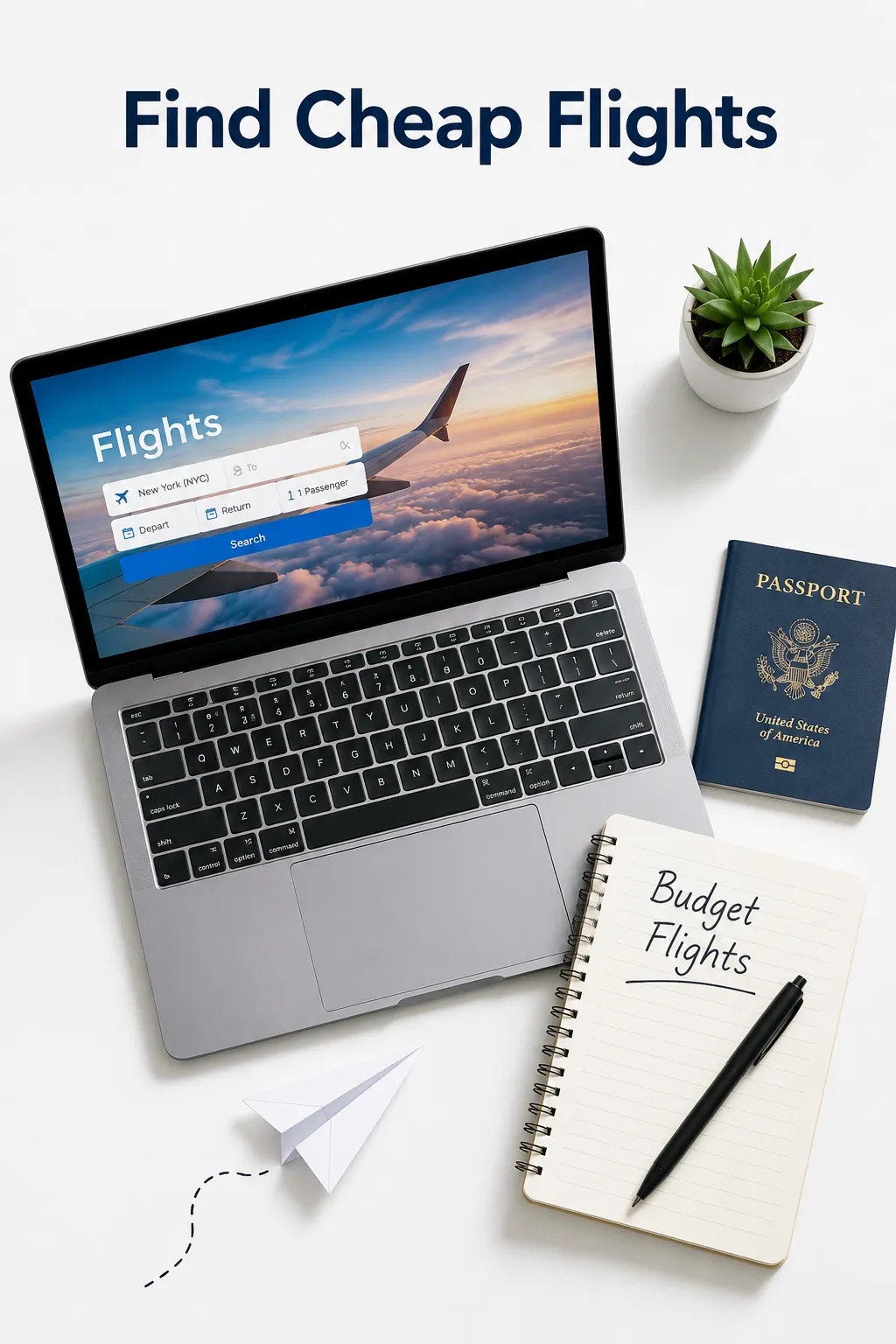
Finding cheap flights for solo travel comes down to flexibility, timing, and using the right tools. Solo travelers have one major advantage over groups – you only need one seat, which is far easier to find at a discount.
Proven tactics that work:
- Use Google Flights’ “Explore” map – enter your home airport and browse prices to dozens of destinations at once
- Set price alerts on Google Flights or Hopper for routes you’re watching
- Book 6-8 weeks out for short-haul, 3-4 months out for long-haul international
- Fly on Tuesdays, Wednesdays, or Saturdays – consistently cheaper than Fridays and Sundays
- Use budget airlines for regional hops – Ryanair and Wizz Air in Europe, AirAsia in Southeast Asia, Volaris in Mexico
- Consider open-jaw tickets – fly into one city, out of another, to avoid backtracking
Common mistake: Paying for checked luggage on budget airlines. Pack a carry-on only and save $30-$80 per flight. That adds up fast on a multi-stop trip.
Edge case: Sometimes a connecting flight through a hub city is cheaper than a direct route. Always check both options before booking.
Is Solo Travel Cheaper Than Group Travel
Solo travel can be cheaper than group travel, but it depends on how you approach it. Groups split accommodation and transport costs, which helps. But groups also slow down decision-making, lead to more restaurant meals, and often push toward more expensive options to satisfy everyone.
Where solo travel wins on cost:
- You move at your own pace – slower travel means lower daily costs
- You eat where you want – street food instead of group restaurant dinners
- You book the cheapest available room without compromise
- No one pressures you to join expensive tours or activities
Where group travel wins on cost:
- Shared private rooms or apartments split between 2-4 people
- Shared taxis and private transfers
- Group discounts on tours
For most budget-focused travelers, solo travel ends up cheaper in practice because you make every financial decision yourself. [6]
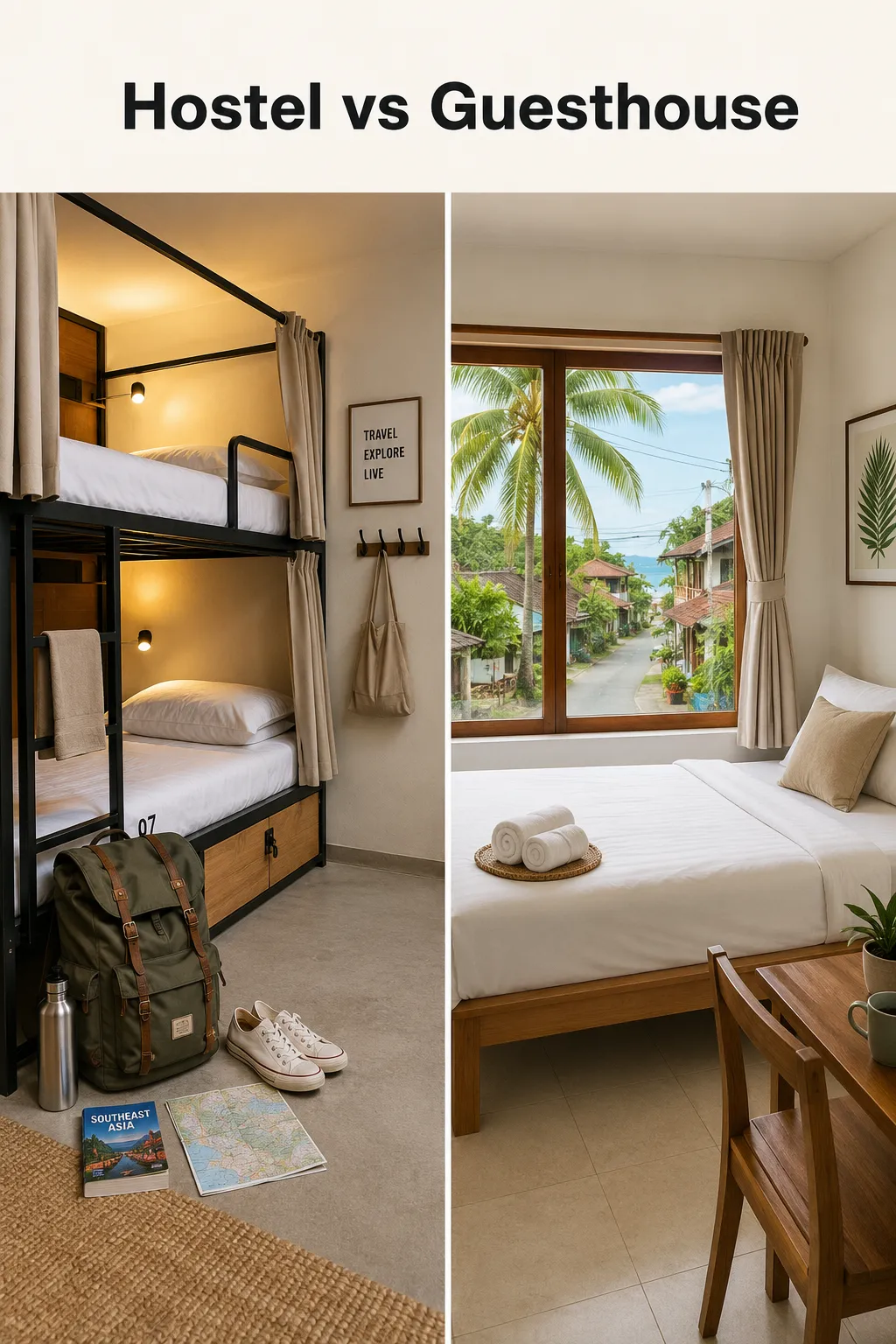
Cheapest Accommodation for Solo Travelers – Hostels vs Airbnb
For solo travelers on a budget, hostels almost always beat Airbnb on price. A hostel dorm bed in Southeast Asia costs $8-$15 per night, while the cheapest Airbnb private room in the same city often runs $25-$40. [4]
Hostels work best when:
- You’re traveling alone and want to meet people
- You’re in a major backpacker hub (Bangkok, Lisbon, Medellín, Kraków)
- You’re on a strict daily budget
Airbnb or guesthouses work better when:
- You’re staying for a week or more (negotiate a weekly rate)
- You need a kitchen to cook and save on food
- You’re working remotely and need quiet and reliable Wi-Fi
Pro tip: Longer stays unlock real savings. Digital nomads who stay 2-4 weeks in one place can reduce nightly accommodation costs by 30-40% through weekly or monthly rates. [5]
Booking.com and Hostelworld are the most reliable platforms for budget solo accommodation. Always read recent reviews specifically mentioning Wi-Fi speed if you’re working remotely.
How to Save Money While Traveling Alone Long-Term
Long-term solo travel on a budget requires a different mindset than a two-week vacation. The goal shifts from spending less on a short trip to building a sustainable daily cost structure. [7]
17 smart solo travel budget ideas for long-term travelers:
- Slow down – staying 1-2 weeks per destination cuts transport costs dramatically
- Cook some meals – even one home-cooked meal per day saves $5-$10
- Use a no-fee travel credit card – avoid foreign transaction fees (typically 3% per purchase)
- Get a local SIM card on arrival – far cheaper than roaming plans
- Walk or cycle whenever possible – free and you see more
- Use free museum days – most major museums have one free day per week
- Travel in shoulder season – prices drop 20-40% just outside peak months
- Join loyalty programs – even budget hotel chains offer points worth redeeming
- House-sit or work exchanges – platforms like Workaway offer free accommodation for a few hours of work per day
- Travel overland instead of flying – buses and trains between countries are often a fraction of flight costs
- Avoid airport taxis – always use public transit or pre-booked rides from the airport
- Buy groceries at local markets – not tourist-facing supermarkets
- Negotiate longer stays – ask hostels and guesthouses directly for a weekly rate
- Use free Wi-Fi strategically – libraries, co-working day passes, and cafés reduce data costs
- Track every expense – apps like Trail Wallet or Splitwise solo mode keep you honest
- Travel to less-visited destinations – prices drop significantly just 30 minutes outside major tourist centers
- Embrace free activities – beaches, hiking trails, public parks, and local festivals cost nothing
Best Free Activities for Solo Travelers
The best free activities for solo travelers include free walking tours, public beaches, hiking trails, local markets, and cultural festivals. Most cities worldwide have more free experiences than paid ones – you just need to know where to look. [4]
Free activity ideas by type:
- Outdoor: Beaches, national park trails, botanical gardens, viewpoints
- Cultural: Free museum days, street art neighborhoods, local markets, public festivals
- Social: Free walking tours (tip-based), language exchange meetups, hostel events
- Learning: Local cooking demos at markets, free city library access, community events
Quick example: In Lisbon, you can spend a full day exploring the Alfama district, ride Tram 28, visit the free Flea Market (Feira da Ladra on Tuesdays and Saturdays), and watch the sunset from Miradouro da Graça – all for under $5 in transport costs.
For women traveling solo, free activities in public spaces are also generally safer and more social than paid nightlife. See the 15 Best Places for Solo Female Travel for destination-specific tips.
How to Work Remotely While Traveling Solo on a Budget
Working remotely while traveling solo is one of the most powerful ways to extend a trip indefinitely. With a stable remote income, even $1,500-$2,000 per month covers a comfortable lifestyle in Southeast Asia or Eastern Europe. [5]
Getting started:
- Identify your remote-ready skills – writing, design, coding, customer support, teaching English online
- Secure income before you leave – platforms like Upwork, Toptal, or a remote employer
- Choose destinations with reliable Wi-Fi – check Nomad List for city-by-city Wi-Fi ratings
- Budget for co-working day passes – typically $5-$15/day in most cities, worth it for productivity
- Time zone management – Southeast Asia works well for European clients; Latin America aligns with US hours
Common mistake: Assuming any café Wi-Fi is good enough for video calls. Always have a backup plan – a local SIM with data, or a co-working space nearby.
Common Mistakes Solo Travelers Make with Money
The most costly mistakes solo travelers make with money are paying single supplements, not tracking daily spending, and booking everything in advance when flexibility would be cheaper. [6][7]
Top money mistakes to avoid:
- Paying the single supplement at hotels – book hostels or guesthouses that don’t charge it
- Not having a daily budget – without a number in mind, spending drifts upward fast
- Over-packing and paying baggage fees – a 20L carry-on is enough for most trips
- Exchanging currency at airports – rates are 10-15% worse than local ATMs or exchange offices
- Booking non-refundable accommodation too far in advance – flexibility often means cheaper options
- Eating near tourist attractions – prices are 2-3x higher within 200 meters of a major sight
- Ignoring travel insurance – one medical incident can cost more than the entire trip
Solo Travel Budget Tips for Women vs Men
Women and men face slightly different budget realities when traveling solo. The core solo travel budget ideas apply to everyone, but women often allocate more toward safer accommodation and transport, while men may spend more on social activities.
For solo female travelers:
- Prioritize well-reviewed hostels with female-only dorms (often same price as mixed dorms)
- Budget slightly more for private taxis at night vs. public transport after dark
- Research destination-specific safety norms before arrival
- Check out the 15 Best Places for Solo Female Travel for vetted safe destinations
For solo male travelers:
- Social spending (drinks, group activities) tends to creep up – set a weekly cap
- Male solo travelers often have more flexibility with budget accommodation options
The bottom line: Both groups can travel on the same daily budget with smart planning. Safety-driven spending for women is a real cost, but it rarely adds more than $5-$10 per day on average.
How Long Can You Travel Solo on a Limited Budget

How long you can travel solo on a limited budget depends on your daily costs and your starting fund. With $3,000 saved and a $40/day budget in Southeast Asia, you can travel for 75 days. With $5,000 and a $50/day budget in Eastern Europe, that’s 100 days. [1][2]
Simple formula:
Days of travel = Total budget ÷ Daily cost
Use this to plan realistically:
- $2,000 budget at $30/day = 66 days in Southeast Asia
- $3,000 budget at $50/day = 60 days in Eastern Europe
- $5,000 budget at $40/day = 125 days in South America
- Unlimited if you add remote income to cover daily costs
The key lever is daily cost, not total savings. Cutting $10/day adds 25 extra days to a $2,500 trip.
Edge case: If you’re working remotely, the “how long” question disappears entirely. Your income covers ongoing costs and your savings stay intact for flights and emergencies.
FAQ
Q: Can I travel solo on $1,000 for a month?
Yes, but only in the cheapest destinations like Cambodia, Nepal, or rural India. You’d need to stay in dorms, eat street food exclusively, and avoid paid activities. It’s tight but doable. [1]
Q: What’s the best app for tracking a solo travel budget?
Trail Wallet and TravelSpend are purpose-built for travelers. Both let you set a daily budget and track spending by category. Google Sheets works just as well if you prefer manual control.
Q: Is it safe to use ATMs abroad as a solo traveler?
Yes, with precautions. Use ATMs attached to banks (not standalone machines), cover your PIN, and use a card with no foreign transaction fees. Notify your bank before travel.
Q: How do I avoid the single supplement when booking hotels?
Book hostels, guesthouses, or budget hotels that don’t charge single supplements. Alternatively, use Booking.com filters to find single rooms priced for one person.
Q: What’s the cheapest way to get from country to country solo?
Overland buses and trains are almost always cheaper than flights for regional travel. In Southeast Asia, sleeper buses between countries cost $10-$25. In Europe, budget airlines beat trains on price for longer distances when booked early. [2]
Q: Do solo travelers pay more for tours?
Sometimes. Group tours price per person, so solo travelers pay the same as anyone else. Private tours cost more. Stick to group tours or free walking tours to keep costs down.
Q: How much should I budget for travel insurance as a solo traveler?
Roughly $40-$80 per month for a comprehensive policy covering medical, trip cancellation, and gear. World Nomads and SafetyWing are popular options for long-term solo travelers.
Q: Is it cheaper to book accommodation in advance or on arrival?
It depends on the destination and season. In peak season, book 2-3 days ahead. In shoulder or low season, showing up and negotiating often gets you a better rate, especially for longer stays.
Q: What’s the best credit card for solo budget travel?
Look for a card with no foreign transaction fees, travel insurance, and points on travel purchases. Charles Schwab debit card (for US travelers) also refunds all ATM fees worldwide.
Q: Can I do Europe solo on a budget?
Yes – Eastern Europe (Poland, Czech Republic, Hungary, the Balkans) is very affordable. Western Europe requires a higher daily budget but is still doable with hostel dorms and budget airlines. [2]
Conclusion
Solo travel on a budget isn’t about suffering through bad hostels or skipping every experience. It’s about making smarter choices – where you sleep, how you move, what you eat, and how long you stay in one place.
The 17 solo travel budget ideas in this guide work because they address the real cost drivers: accommodation, transport, food, and daily activities. Cut those four categories intelligently and you can travel for months on what others spend in two weeks.
Your next steps:
- Pick a budget-friendly destination from the list above and research the realistic daily cost
- Set a daily budget number before you book anything
- Book a hostel with strong recent reviews for your first 2-3 nights
- Download Google Flights and set a price alert for your target route
- Start tracking every expense from day one – even small ones
The longer you travel, the better you get at this. Your first week will cost more than your fourth. That’s normal. Stick with it.
For more destination-specific planning, explore the Solo Travel in Spain Guide or dive into budget-friendly options across 15 Best Places for Solo Female Travel.
References
[1] Solo Travel Budget Planner – https://tripcostguides.com/pages/solo-travel-budget-planner?utm_source=openai
[2] Solo Europe Trip Budget Guide – https://inspiredreamer.com/wander/solo-europe-trip-budget-guide?utm_source=openai
[3] Solo Travel South America – https://justpackup.com/en/guide/solo-travel-south-america?utm_source=openai
[4] Budget Solo Travel Tips – https://solotraveltips.net/budget-solo-travel-tips/?utm_source=openai
[5] Solo Travel Costs In The USA – Realistic Budgets For Solo Travelers & Digital Nomads – https://www.tripcostguide.com/travel-costs-usa/solo-travel-costs-in-the-usa-realistic-budgets-for-solo-travelers-digital-nomads/?utm_source=openai
[6] Budgeting Strategies Solo Travel – https://www.synchrony.com/blog/travel/budgeting-strategies-solo-travel?utm_source=openai
[7] Solo Trip Budgeting Realistic Plan – https://www.2wander.app/blog/solo-trip-budgeting-realistic-plan?utm_source=openai
[8] Solo Travel Costs – https://tripcostguides.com/pages/solo-travel-costs?utm_source=openai