
Last updated: July 10, 2026
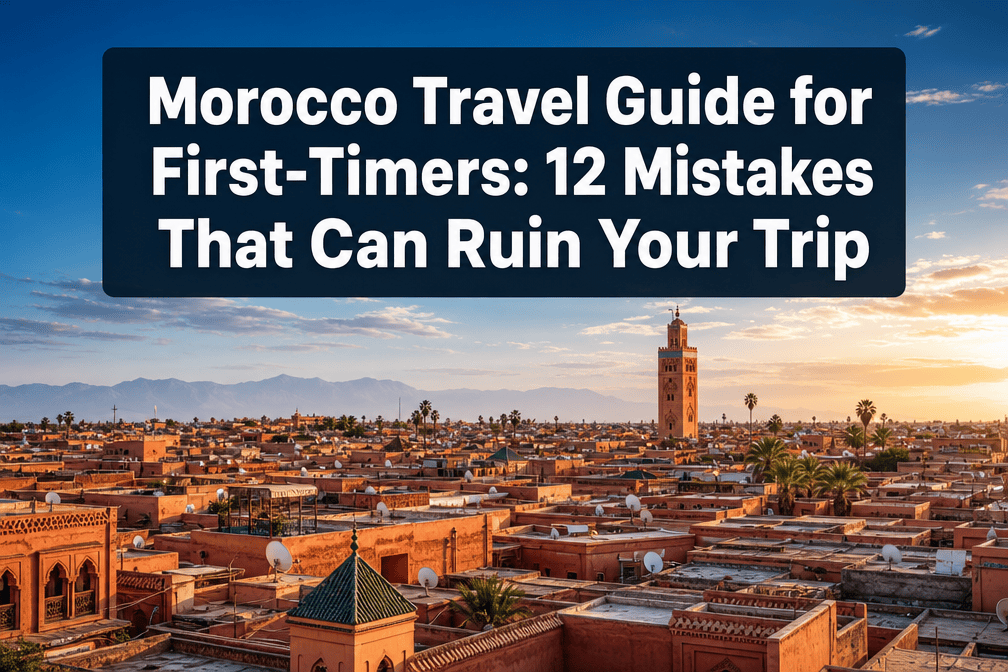
Quick Answer: Morocco is one of the most rewarding destinations in the world, but first-timers regularly make avoidable mistakes that cost them time, money, and good experiences. This Morocco travel guide covers the 12 biggest trip-wreckers – from getting scammed in the souks to packing for the wrong climate – so you can skip the learning curve and enjoy the country from day one.
Key Takeaways
- Best time to visit: March-May and September-November for mild weather across most regions
- Visa: US, UK, and EU citizens do not need a visa for stays under 90 days
- Budget: Estimate $50-$80 USD per day for comfortable independent travel
- Cash is king: Many medinas, taxis, and street vendors are cash-only; always carry small bills [1]
- Haggling is expected: Never pay the first asking price in a souk – start at 40-50% of the quoted price [1]
- Marrakech vs Fez: Marrakech is more tourist-friendly and modern; Fez is more traditional and intense
- Getting around: Trains are comfortable between major cities; buses cover everywhere else cheaply
- Solo female travel: Morocco is manageable solo with the right preparation and modest dress
- Travel insurance: Strongly recommended – healthcare access varies widely outside major cities
- Distances are deceptive: Marrakech to the Sahara takes 9-10 hours by road [2]
What’s the Best Time to Visit Morocco?
The best time to visit Morocco is spring (March to May) or autumn (September to November). Temperatures are comfortable, crowds are manageable, and the landscapes look their best.
Summer (June-August) is brutal in inland cities like Marrakech and Fez, with temperatures regularly hitting 40°C (104°F). The coast stays cooler, but it gets crowded. Winter is actually pleasant in the south and Sahara during the day, though desert nights drop sharply – sometimes near freezing.
Ramadan is worth factoring in. Many restaurants close during daylight hours, alcohol is harder to find, and the pace of life slows. That said, Ramadan evenings are magical – the streets come alive after sunset with food, music, and community.
Do I Need a Visa to Visit Morocco from the US?
No visa is required for US, UK, EU, and Canadian citizens for stays under 90 days. You just need a valid passport with at least six months of remaining validity.
That said, entry rules can change. Always check your government’s official travel advisory before you fly. The US State Department and UK Foreign Office both maintain up-to-date Morocco pages.
How Much Money Do I Need for a Week in Morocco?
A comfortable week in Morocco costs roughly $350-$560 USD for a solo traveler ($50-$80 per day), excluding flights. Budget travelers can get by on $30-$40 per day with basic riads, street food, and local transport.
Here’s a rough daily breakdown:
| Expense | Budget | Mid-Range |
|---|---|---|
| Accommodation | $15-25 (hostel/basic riad) | $40-80 (mid-range riad) |
| Food | $10-15 | $20-35 |
| Transport | $5-10 | $10-20 |
| Activities | $5-10 | $15-30 |
| Total/day | $35-60 | $85-145 |
Always carry cash. Many medina shops, taxis, and street vendors only accept cash. ATMs can be scarce in smaller towns, so withdraw from bank ATMs in major cities and keep small denominations (10-50 MAD notes) on hand [1]. Keep a reserve of 200-300 MAD separate from your main wallet.
Avoid exchanging money at the airport – rates are poor. Use city ATMs or reputable exchange bureaus in the medina instead [3].
What Are Common Scams in Morocco Tourist Areas?
Scams are real in Morocco, especially in Marrakech, Fez, Tangier, and Casablanca. Petty theft and tourist traps are the most common issues, not violent crime [4].
Watch out for these:
- The “free” guide scam – Someone offers to show you around for free, then demands payment or leads you into a shop where they earn commission
- Fake tannery viewpoints – You’re taken to a “free” rooftop to see the Fez tanneries, then pressured hard to buy leather goods
- Taxi overcharging – Drivers quote inflated fares to tourists; always insist on the meter for petit taxis, or agree on a price before getting in for grand taxis [3]
- Snake charmers and henna artists – They’ll approach you, start a “free” performance, then demand money aggressively
- Wrong direction “helpers” – Someone tells you the place you’re looking for is closed, then walks you to a cousin’s shop instead
The fix for most of these is simple: be friendly but firm, agree on prices before any service starts, and don’t follow strangers who approach you unsolicited.
What’s the Difference Between Marrakech and Fez?
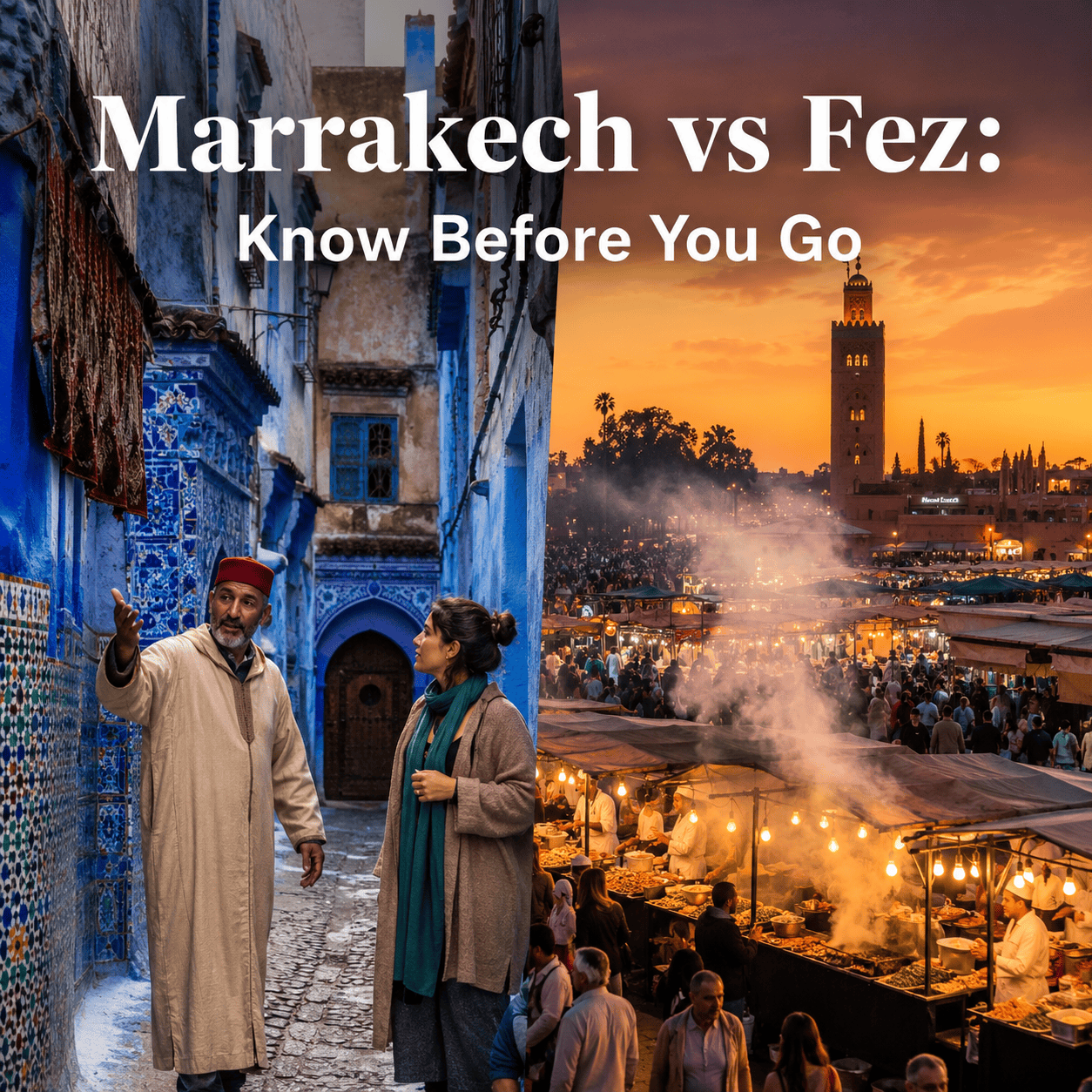
Marrakech is Morocco’s most visited city – more polished, tourist-friendly, and easier to navigate. Fez is older, more intense, and gives a rawer look at traditional Moroccan life. Both are worth visiting, but they offer very different experiences.
Choose Marrakech if you want a gentler introduction, great food scene, easy day trips (Atlas Mountains, Essaouira), and a more developed tourist infrastructure.
Choose Fez if you want the most authentic medieval medina in the Arab world, fewer tour groups, and a deeper cultural experience – though be prepared for a more disorienting maze of streets.
If you have 10+ days, do both. If you only have a week, Marrakech is the better starting point for first-timers.
If you enjoy exploring cities with rich history and culture, you might also enjoy reading about 12 Jordan travel destinations worth the flight – the region offers similarly layered experiences.
How to Haggle in Moroccan Souks Without Offending Locals
Haggling is expected and normal in Moroccan souks – not haggling is actually the odd behavior. Sellers build a generous margin into their opening price, so the first number you hear is rarely close to fair value [1].
Here’s how to do it well:
- Start at 40-50% of the asking price – this gives room to meet in the middle
- Stay friendly and relaxed – it’s a social exchange, not a fight
- Be willing to walk away – this is your strongest tool; sellers will often call you back with a better price
- Don’t start negotiating if you’re not genuinely interested – it wastes everyone’s time and can cause offense
- Once you agree on a price, buy it – backing out after agreeing is considered rude
A useful phrase: “Bzef” (too much) said with a smile goes a long way.
Is It Safe to Travel to Morocco Alone as a Woman?
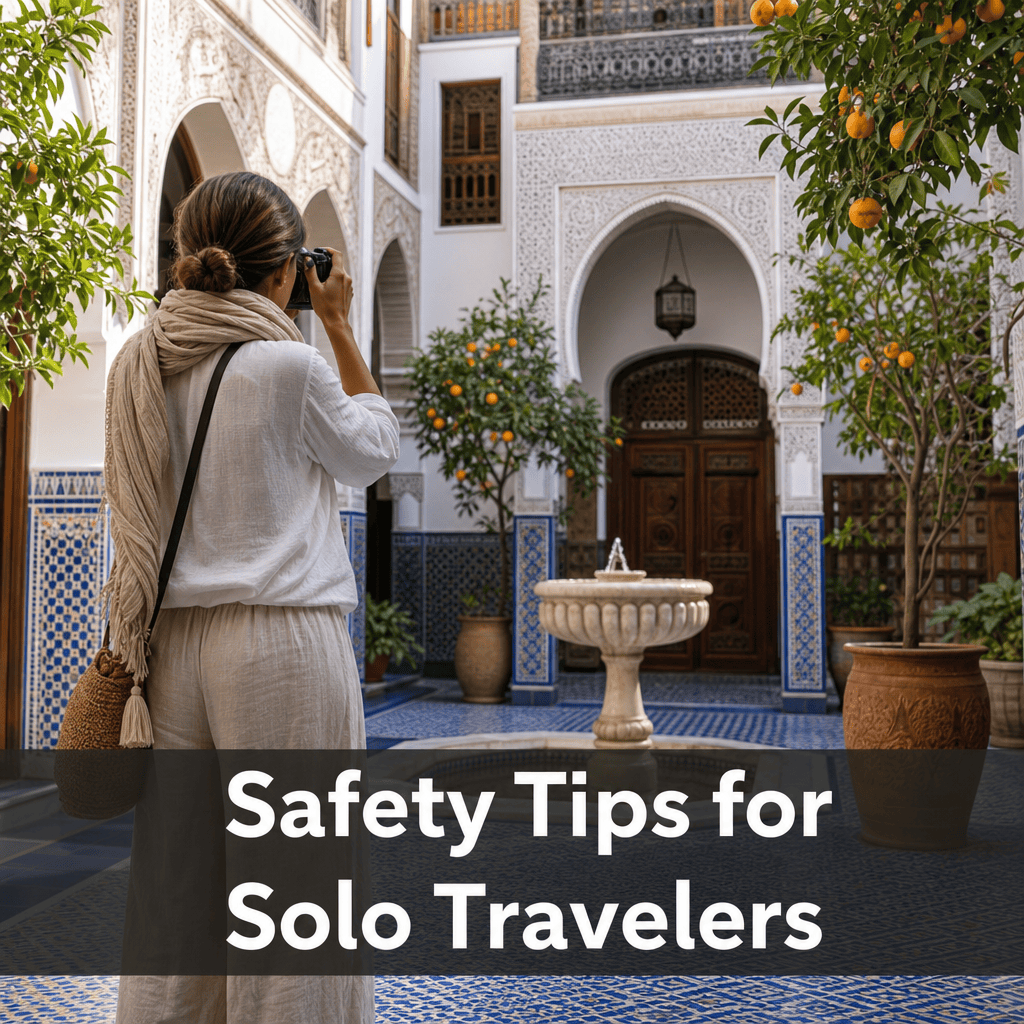
Morocco is manageable for solo female travelers, but it requires more preparation than many Western destinations. Harassment – particularly verbal – does happen, especially in busy medinas [4].
Practical steps that make a real difference:
- Dress modestly: loose trousers, covered shoulders, and a light scarf for conservative areas or religious sites
- Walk with purpose and avoid making eye contact with persistent touts
- Book your first night’s accommodation in advance so you’re not navigating a new city while tired and lost
- Stay in riads (traditional guesthouses) rather than budget hostels – they’re often safer and more welcoming
- Learn a few basic phrases in Arabic or French – it signals respect and often changes how people treat you
For more inspiration on planning solo trips, our solo travel in Spain guide covers similar preparation strategies that apply across Mediterranean and North African destinations. Also check our roundup of best places for solo female travel for broader context.
What Should I Pack for Morocco in Summer vs Winter?
Morocco’s climate varies dramatically by region and season, so packing wrong is one of the most common first-timer mistakes [7].
Summer packing (June-August):
- Lightweight, breathable fabrics (linen, cotton)
- Sun hat and high-SPF sunscreen
- Modest clothing (loose trousers, light long-sleeved shirts) – both for cultural respect and sun protection
- A light layer for air-conditioned spaces and coastal evenings
Winter packing (November-February):
- Warm layers – medina nights in Fez can drop to near freezing
- A proper jacket for the Atlas Mountains or Sahara nights
- Comfortable walking shoes for uneven medina streets
- A soft-sided bag rather than a hard suitcase – riad hallways and cobbled streets are narrow [1]
Year-round essentials:
- Cash in small denominations
- Stomach medication (traveler’s diarrhea is common when adjusting to new food)
- A portable charger
Laundry services are affordable throughout Morocco – roughly 30 MAD per kilogram – so you don’t need to overpack [1].
How Do I Get Around Morocco – Train or Bus?
Trains are the best option between major cities like Casablanca, Rabat, Fez, and Marrakech. They’re comfortable, affordable, and reliable. The ONCF rail network covers the main tourist corridor well.
For everywhere else – Essaouira, Chefchaouen, the Sahara – you’ll use buses or shared taxis. CTM and Supratours are the most reliable bus companies. Shared grand taxis are faster but less comfortable.
One critical mistake: underestimating distances. Morocco is a large country. Driving from Marrakech to the Sahara takes 9-10 hours [2]. Plan fewer destinations and give each place more time rather than racing across the country. Many first-timers try to hit Marrakech, Fez, Chefchaouen, and the Sahara in a week – it’s exhausting and you’ll spend most of your trip on the road.
What Food Should I Try in Morocco and What to Avoid?
Moroccan food is outstanding. Don’t miss these:
- Tagine – slow-cooked meat or vegetables with aromatic spices; the lamb and prune version is exceptional
- Couscous – traditionally served on Fridays; find it at local restaurants, not tourist traps
- Pastilla – a flaky pastry filled with pigeon (or chicken) and almonds, dusted with powdered sugar; sounds odd, tastes incredible
- Harira – a hearty tomato and lentil soup, especially good during Ramadan
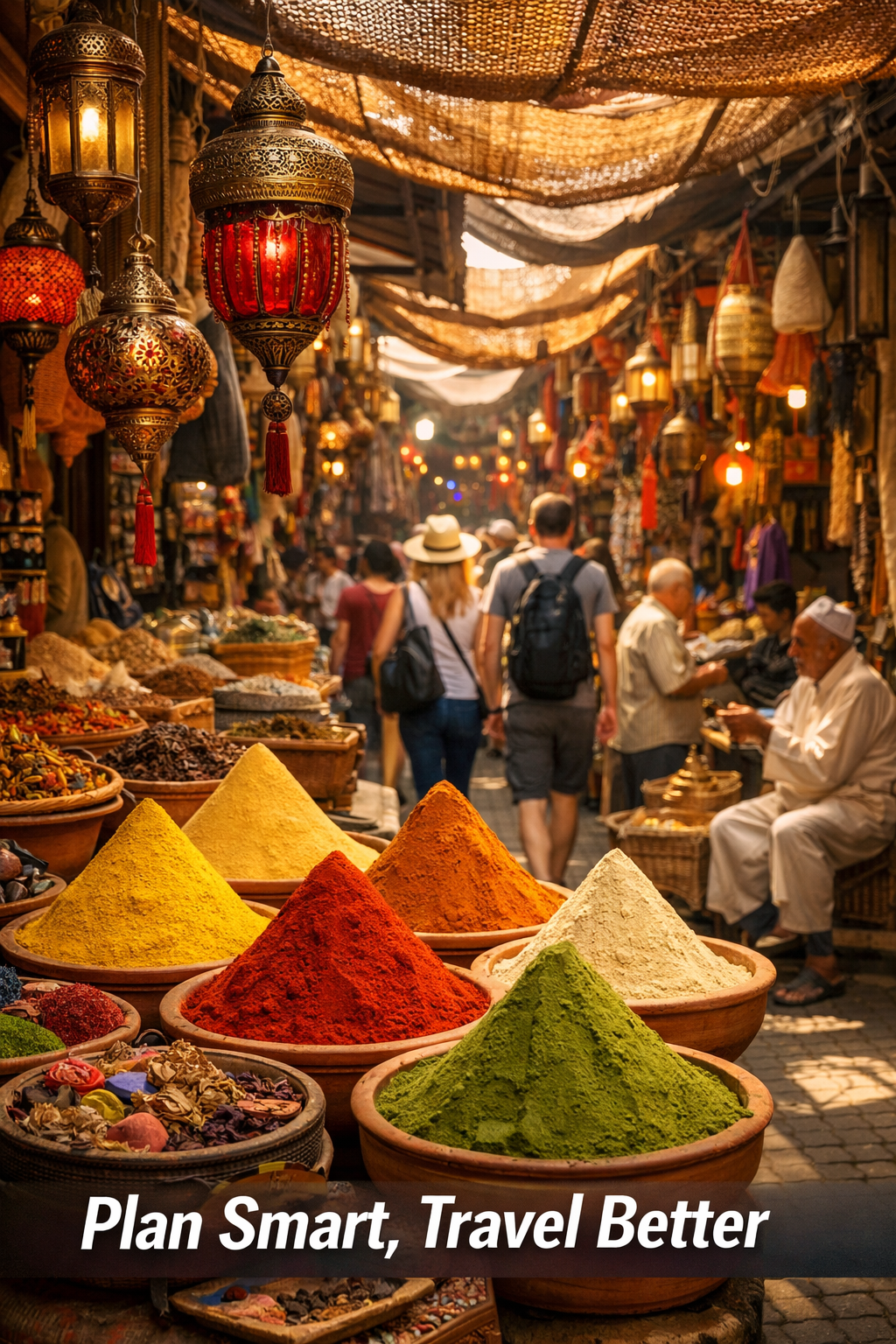
- Street food in Jemaa el-Fna – the night market in Marrakech is a feast; snail soup, grilled meats, fresh-squeezed orange juice
What to be cautious about:
- Tap water – stick to bottled water
- Ice in drinks at street stalls
- Salads and raw vegetables washed in tap water at budget spots
- Eating at restaurants directly on tourist squares – the food is often mediocre and overpriced; walk one street back for better quality at half the price
How Many Days Do I Need in Morocco?
Seven to ten days is the sweet spot for a first visit to Morocco. It gives you enough time to cover two or three cities without rushing.
A solid first-timer itinerary:
- Days 1-3: Marrakech (medina, souks, Bahia Palace, day trip to Atlas Mountains)
- Days 4-5: Essaouira or Chefchaouen (coastal or mountain break)
- Days 6-7: Fez (medina, tanneries, local food)
If you have 10+ days, add a Sahara desert trip from Marrakech via Ouarzazate. Just budget two full travel days for the journey there and back.
If you’re comparing destinations for a longer trip, our 15 best things to do in Egypt guide pairs well with Morocco for a North Africa itinerary.
Is All-Inclusive Resort or Independent Travel Better for Morocco?
Independent travel is almost always better for Morocco. The country’s real appeal – the medinas, souks, riads, local food, and human interaction – exists entirely outside resort walls.
All-inclusive resorts in Morocco (mostly around Agadir) give you a beach holiday that could be anywhere. You’ll miss the culture entirely.
Choose independent travel if you want an authentic experience, have 7+ days, and are comfortable navigating new places.
Consider a guided tour if you have limited time (under 5 days), are traveling solo and want company, or feel uncomfortable navigating language barriers and haggling.
A middle ground: book a riad independently but hire a licensed local guide for one or two days in Fez or Marrakech. It’s worth every dirham.
Do I Need Travel Insurance for Morocco?
Yes, travel insurance is strongly recommended for Morocco. Healthcare quality varies significantly outside major cities, and evacuation costs from remote areas like the Sahara can be substantial.
Key coverage to look for:
- Medical evacuation
- Trip cancellation (especially if booking desert tours or multi-city travel)
- Theft coverage (petty theft does occur in busy medinas) [4]
Also note: the CDC has flagged health considerations for Morocco including rabies risk – a case was reported in a traveler returning from Morocco in December 2025 [5]. Seek immediate medical attention if you’re bitten by an animal, and follow up with your doctor after returning home.
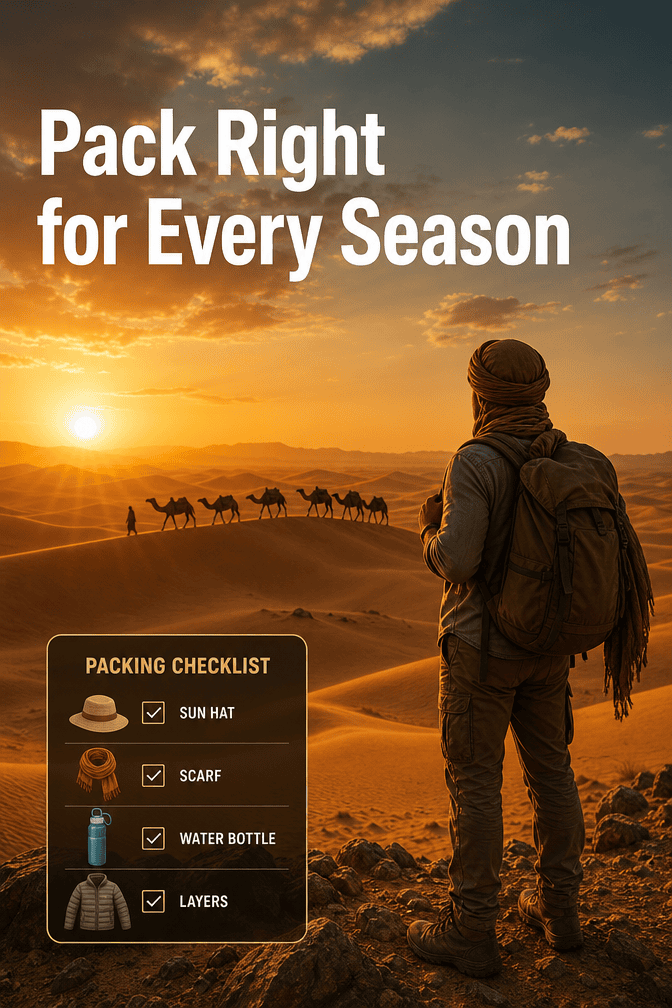
The 12 Biggest Mistakes First-Time Visitors Make – Quick Reference
This Morocco travel guide wouldn’t be complete without a clear summary. Here are the 12 mistakes to avoid:
- Exchanging money at the airport – rates are poor; use city ATMs [3]
- Not carrying enough cash – many vendors are cash-only [1]
- Paying the first price in a souk – always haggle [1]
- Not agreeing on taxi fares upfront – always confirm before you get in [3]
- Underestimating travel distances – Morocco is bigger than it looks on a map [2]
- Overpacking – narrow riad hallways and cobbled streets make large luggage a nightmare [1]
- Ignoring modest dress codes – especially at religious sites and during Ramadan [4]
- Following unsolicited “guides” – the free guide scam is very common
- Drinking tap water – always use bottled
- Eating only at tourist-facing restaurants – walk one street back for better food at lower prices
- Skipping travel insurance – especially for remote desert areas [5]
- Not learning basic phrases – even “Salam” and “Shukran” (thank you) change how people treat you [3]
FAQ
Do I need vaccinations for Morocco?
The CDC recommends being up to date on routine vaccinations. Hepatitis A and Typhoid are also recommended for most travelers. Check the CDC Morocco page for current advisories [5].
Is Morocco expensive?
Morocco is one of the more affordable destinations in the Mediterranean region. Budget travelers can manage on $35-50 per day; mid-range travelers spend $80-150 per day.
Can I use my credit card in Morocco?
In major hotels, upscale restaurants, and larger shops, yes. In medinas, markets, taxis, and smaller towns, cash is essential [1].
What language do people speak in Morocco?
Moroccan Arabic (Darija) and Berber are the main languages. French is widely spoken and very useful for tourists. Spanish is common in the north near Tangier and Tetouan [3].
Is Chefchaouen worth visiting?
Yes, but manage expectations. The famous blue city is beautiful but very tourist-heavy. Visit early morning or late evening for the best experience with fewer crowds.
Can I visit Morocco during Ramadan?
Yes, and it can be a fascinating cultural experience. Just expect many restaurants to be closed during daylight hours and plan accordingly.
How do I get from Marrakech airport to the city?
The cheapest option is Bus 19 (around 30 MAD). Taxis are available but agree on the fare before getting in – the standard rate to the medina is around 70-100 MAD [3].
Is it safe to eat street food in Morocco?
Generally yes, especially at busy stalls with high turnover. Stick to cooked food, avoid raw salads from unknown sources, and skip the ice.
What currency does Morocco use?
The Moroccan Dirham (MAD). It’s a closed currency, meaning you can’t buy it before you arrive – get it from ATMs or exchange bureaus once you land.
How do I dress respectfully in Morocco?
Loose trousers or long skirts, covered shoulders, and a light scarf for women. Men should avoid shorts in conservative areas and religious sites. Swimwear is fine at beach resorts [4].
Conclusion
Morocco rewards travelers who show up prepared. The country is genuinely one of the most visually stunning, culturally rich, and culinarily exciting places you can visit – but it does have a learning curve.
The biggest takeaway from this Morocco travel guide: slow down. Don’t try to cover six cities in a week. Pick two or three places, give yourself time to get lost in a medina, eat well, and actually talk to people. That’s where the real trip happens.
Your action steps before you go:
- Check visa requirements and your passport expiry date
- Get travel insurance that covers medical evacuation
- Book your first two nights in advance (riads fill up fast in peak season)
- Download an offline map of your first city (Maps.me works well in medinas)
- Withdraw local currency from a city ATM on arrival, not the airport
- Learn five Arabic phrases: Salam, Shukran, La shukran (no thank you), Bzef (too much), and Inshallah (God willing – you’ll hear this constantly)
If you’re planning a broader Mediterranean or Middle East trip, our guide to 12 Jordan travel destinations is a natural companion read. And if you want to compare the experience of navigating another complex, rewarding first-timer destination, check out our first time in Bangkok guide.
Morocco will surprise you. Go ready, and it’ll be one of the best trips of your life.
References
[1] Morocco Travel Tips – https://citytoursmorocco.com/morocco-travel-tips?utm_source=openai
[2] 12 Common Morocco Travel Mistakes – https://www.soulvacationegypt.com/12-common-morocco-travel-mistakes/?utm_source=openai
[3] First Time – https://citytoursmorocco.com/first-time?utm_source=openai
[4] Travel Tips – https://www.roughguides.com/morocco/travel-tips/?utm_source=openai
[5] Morocco – https://wwwnc.cdc.gov/travel/destinations/traveler/none/morocco?utm_source=openai
[6] First Time Visitors – https://www.morocco-escape.com/guides/first-time-visitors/?utm_source=openai
[7] First Time Morocco Tips – https://moratra.com/first-time-morocco-tips/?utm_source=openai