


St. Lucia isn’t just another Caribbean island—it’s a destination where volcanic mountains meet pristine beaches, where rainforest adventures blend with luxury resorts, and where authentic culture thrives alongside world-class tourism. If you’re planning your first trip and wondering about the best things to do in St. Lucia, you’re about to discover why this Eastern Caribbean gem consistently ranks among travelers’ favorite islands.
The island offers everything from hiking the iconic Pitons to snorkeling in marine reserves, exploring historic plantations, and indulging in fresh Caribbean cuisine. With recent improvements in air connectivity and a growing focus on community-based tourism experiences[2], 2026 is an excellent time to visit. This guide covers the essential experiences that make St. Lucia unforgettable for first-time visitors.
Key Takeaways
- The Pitons are non-negotiable – these UNESCO World Heritage volcanic peaks define St. Lucia’s landscape and offer hiking, photography, and beach experiences you can’t find elsewhere
- Plan for both adventure and relaxation – the island balances adrenaline activities like zip-lining and waterfall hikes with serene beaches and luxury spas
- Book accommodations early – St. Lucia is experiencing a room deficiency during peak seasons due to hotel renovations and growing visitor demand[2]
- Explore beyond your resort – community-based tourism initiatives offer authentic cultural experiences through local markets, festivals, and culinary tours[1]
- Budget for excursions – while beaches are free, signature experiences like catamaran cruises, plantation tours, and guided hikes require advance booking
- Visit during shoulder season – May to June or November offers better availability, lower prices, and fewer crowds while still enjoying excellent weather
- Air access is improving – expect more flight options and routes to St. Lucia by winter 2026, making the island more accessible than ever[2][4]
Quick Answer
The best things to do in St. Lucia include hiking Gros Piton, relaxing at Sugar Beach between the Pitons, snorkeling at Anse Chastanet, exploring the drive-in volcano at Sulphur Springs, visiting Diamond Falls Botanical Gardens, experiencing Castries Market for local culture, taking a catamaran sunset cruise, and indulging in fresh seafood at Marigot Bay. First-time visitors should balance natural adventures with cultural experiences and beach relaxation, dedicating at least 5-7 days to explore the island properly without feeling rushed.
What Are the Must-See Natural Attractions in St. Lucia?
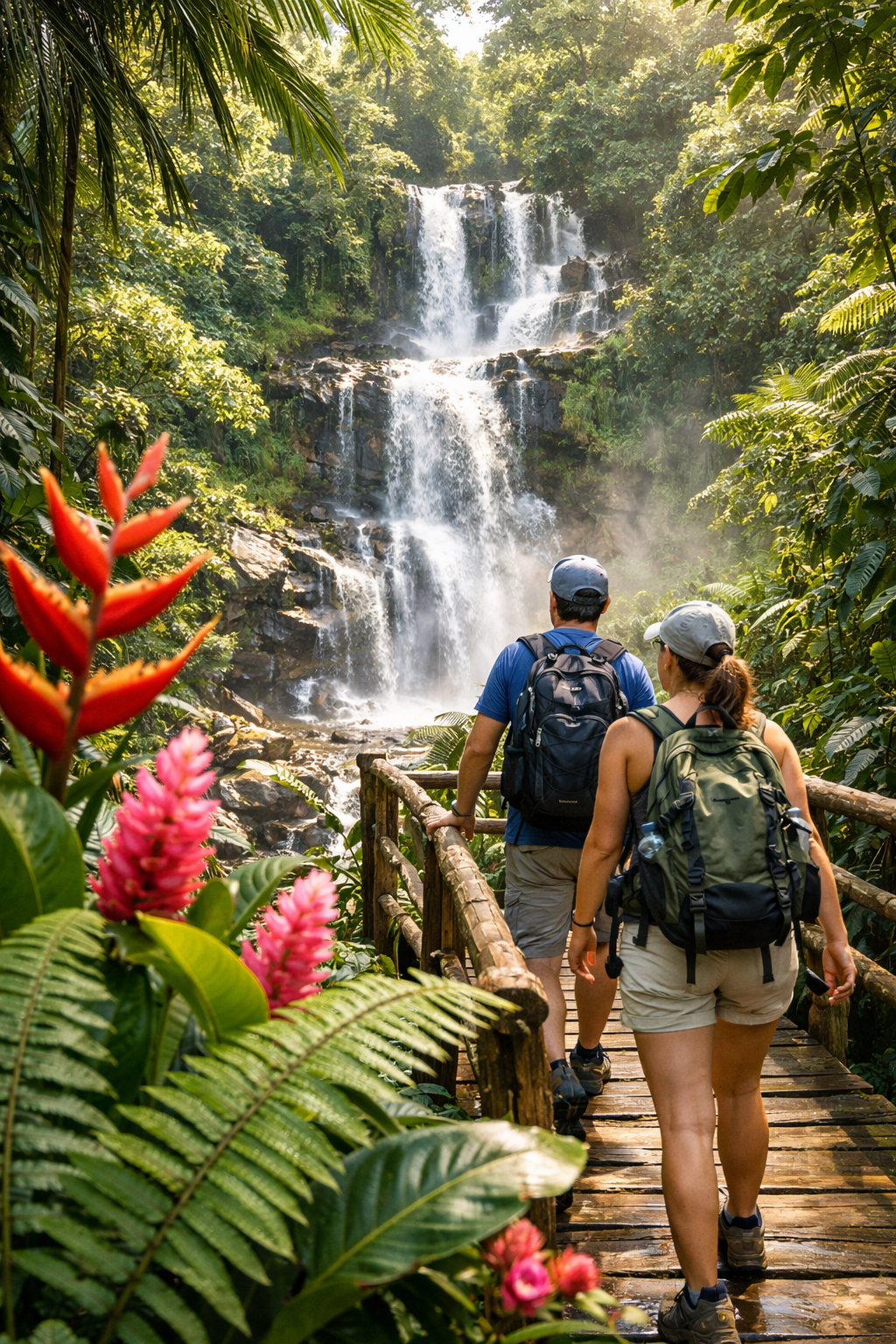
St. Lucia’s natural attractions center around its volcanic origins, creating dramatic landscapes unlike typical Caribbean islands. The Pitons—Gros Piton and Petit Piton—are twin volcanic peaks rising over 2,400 feet directly from the sea, designated as a UNESCO World Heritage Site. These iconic mountains aren’t just for viewing; Gros Piton offers a challenging but rewarding hike that takes 4-5 hours round trip with a mandatory guide.
Essential natural experiences include:
- Sulphur Springs – the world’s only drive-in volcano where you can walk among steaming vents and bathe in therapeutic mud baths
- Diamond Falls Botanical Gardens – features a rainbow-colored waterfall fed by mineral-rich volcanic springs, surrounded by tropical flora
- Tet Paul Nature Trail – an easier alternative to Piton hiking, offering spectacular views of both peaks, the coast, and neighboring islands in under 90 minutes
- Toraille Waterfall – a 50-foot cascade where you can swim in the refreshing pool beneath the falls
- Enbas Saut Trail and Rainforest – guided hikes through primary rainforest with waterfalls, endemic bird species, and lush vegetation[1]
Choose the Gros Piton hike if you’re physically fit and want a challenging adventure with bragging rights. Opt for Tet Paul Nature Trail if you prefer moderate activity with equally stunning views and better accessibility.
Common mistake: Attempting Gros Piton without proper footwear or water. The trail is steep, rocky, and requires hiking boots, plenty of water, and starting early to avoid midday heat.
Which Beaches and Water Activities Should First-Timers Prioritize?
St. Lucia’s beaches range from dramatic black volcanic sand to pristine white sand coves, each offering distinct experiences. For first-time visitors, Anse Chastanet and Sugar Beach provide the best combination of natural beauty, snorkeling, and iconic Piton views.
Top beach and water experiences:
- Sugar Beach (Jalousie Beach) – nestled between the Pitons with white sand, calm waters, and resort amenities; perfect for swimming and photography
- Anse Chastanet – excellent snorkeling with vibrant coral reefs just offshore, black volcanic sand, and a relaxed atmosphere
- Reduit Beach – the island’s most popular beach in Rodney Bay, ideal for water sports, restaurants, and social atmosphere
- Marigot Bay – a protected harbor perfect for kayaking, paddleboarding, and sunset viewing
- Catamaran cruises – full-day or sunset sails along the coast with snorkeling stops, open bar, and Piton views from the water
Snorkeling and diving highlights:
The waters around Anse Chastanet and the Pitons Marine Management Area feature healthy coral reefs, sea turtles, tropical fish, and excellent visibility. Several dive operators offer PADI certification courses and guided dives to sites like Superman’s Flight and Anse La Raye Wall.
Choose Sugar Beach if you want postcard-perfect scenery and calm swimming. Pick Anse Chastanet if snorkeling is your priority. Opt for Reduit Beach if you prefer amenities, water sports rentals, and a livelier scene.
Edge case: Some beaches require access through resort properties. Sugar Beach technically allows public access, but facilities and beach chairs are reserved for resort guests unless you purchase a day pass or dine at the resort restaurant.
What Cultural Experiences Showcase Authentic St. Lucian Life?
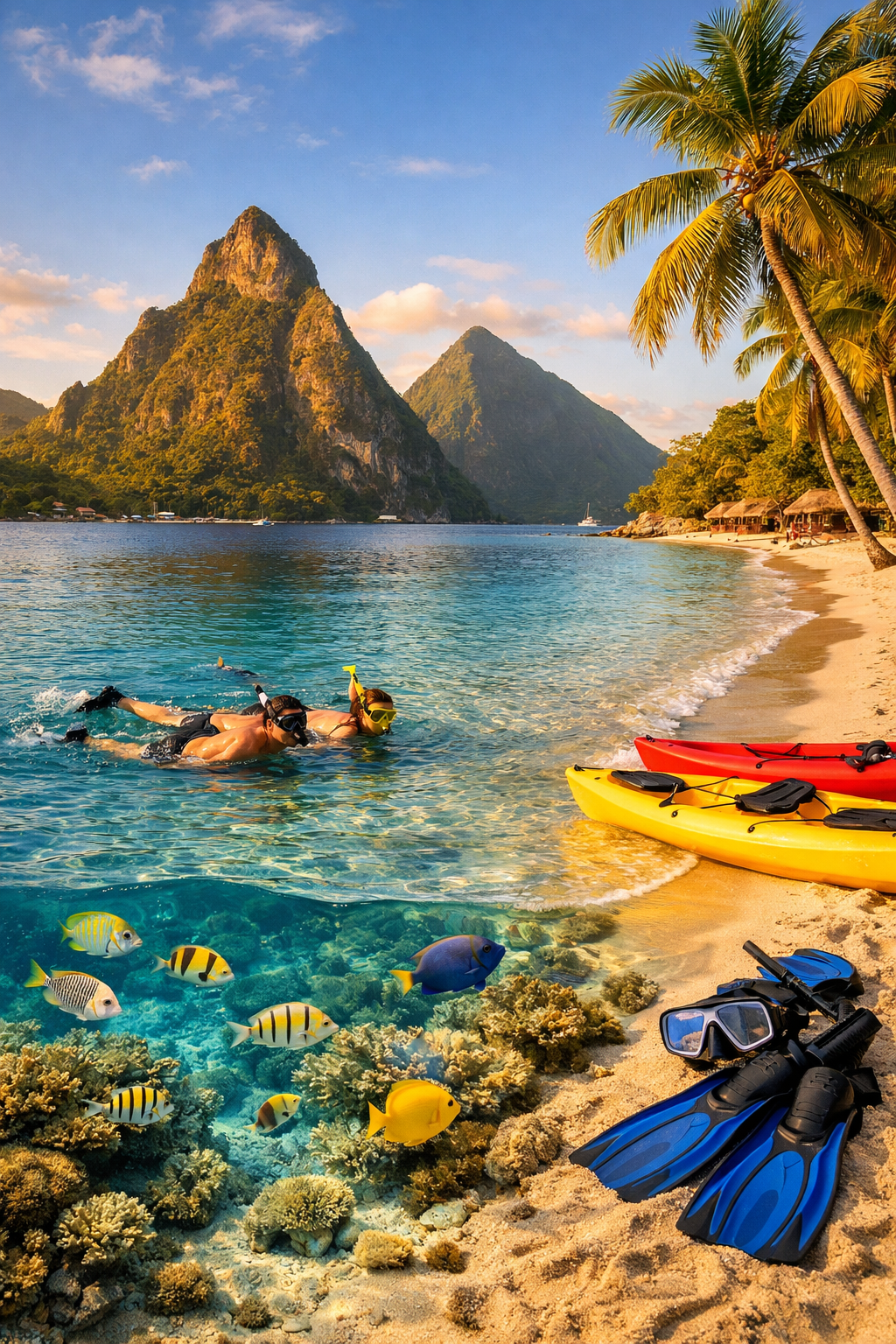
Beyond natural beauty, St. Lucia offers rich cultural heritage rooted in French, British, and African influences. The island is actively promoting community-based tourism that allows visitors to engage directly with local traditions and people[1].
Essential cultural experiences:
- Castries Market – the vibrant central market where locals shop for fresh produce, spices, handcrafted goods, and souvenirs; best visited Saturday mornings
- Gros Islet Street Party – every Friday night, this fishing village transforms into a massive street festival with local food, rum, live music, and dancing
- Anse La Raye Fish Fry – Friday night seafood festival where fishermen grill fresh catch on the beach while locals and visitors mingle
- Fond Doux Plantation & Resort – working cocoa plantation offering tours that explain St. Lucia’s agricultural heritage and chocolate production
- La Sikwi Sugar Mill – historic sugar plantation ruins with guided tours explaining the island’s colonial past
Culinary experiences worth booking:
St. Lucia’s cuisine blends Creole flavors with fresh Caribbean ingredients. Look for green fig and saltfish (the national dish), callaloo soup, bouyon (hearty stew), and fresh-caught mahi-mahi or lobster. The island’s culinary scene has become a major draw for visitors seeking authentic food experiences beyond resort dining[2].
Choose the Gros Islet Street Party if you want high-energy nightlife and social atmosphere. Pick the Anse La Raye Fish Fry for a more intimate, food-focused experience with locals.
Common mistake: Visiting Castries Market late in the day when vendors are packing up and selection is limited. Arrive before 10 AM for the best experience and freshest produce.
How Should First-Time Visitors Plan Their St. Lucia Itinerary?
A well-planned St. Lucia itinerary balances adventure, relaxation, and cultural immersion without overscheduling. Most first-time visitors need 5-7 days to experience the island’s highlights without feeling rushed.
Sample 5-day itinerary framework:
Day 1: Arrive, settle into accommodation, explore nearby beach, sunset at Marigot Bay
Day 2: Full-day Pitons experience – hike Gros Piton OR visit Tet Paul Trail, lunch at Sugar Beach, afternoon at Sulphur Springs and Diamond Falls
Day 3: Water activities – morning snorkeling at Anse Chastanet, afternoon catamaran cruise or kayaking
Day 4: Cultural immersion – Castries Market morning, plantation tour afternoon, Gros Islet Street Party evening
Day 5: Rainforest adventure – guided hike to waterfall, zip-lining, or relaxation day at resort spa before departure
Practical planning considerations:
- North vs. South accommodation: The north (Rodney Bay area) offers more restaurants, nightlife, and easier airport access. The south (Soufrière area) puts you closer to the Pitons and natural attractions but requires longer drives
- Transportation: Rent a car for maximum flexibility, though roads are narrow and winding. Alternatively, book guided tours that include transportation, or use taxis with negotiated day rates
- Booking timeline: Reserve accommodations 3-6 months ahead for peak season (December-April), as the island faces room shortages during high demand periods[2]
- Budget allocation: Expect to spend $75-150 per person for full-day excursions, $30-50 for half-day activities, and $15-40 per person for meals at local restaurants
Choose north-based accommodation if you prioritize dining variety, nightlife, and shorter airport transfers. Pick south-based lodging if you want to wake up to Piton views and minimize drive time to major natural attractions.
If you’re planning other tropical destinations, check out our guides for cheap islands to visit or what to do in Mykonos Greece for different island experiences.
What Adventure Activities Define the St. Lucia Experience?
St. Lucia’s volcanic terrain creates unique adventure opportunities beyond typical Caribbean offerings. The island’s lush rainforests, waterfalls, and dramatic topography attract active travelers seeking memorable experiences[1].
Top adventure activities:
| Activity | Duration | Difficulty | Best For |
|---|---|---|---|
| Gros Piton Hike | 4-5 hours | Challenging | Fit hikers wanting achievement |
| Zip-lining Rainforest | 2-3 hours | Easy-Moderate | Families, first-time zip-liners |
| Waterfall Rappelling | 3-4 hours | Moderate | Adventure seekers with some experience |
| ATV Tours | 2-4 hours | Easy | Groups, those preferring motorized adventure |
| Kayaking Mangroves | 2-3 hours | Easy | Nature lovers, bird watchers |
| Scuba Diving | Half/Full day | Varies | Certified divers or those getting certified |
Zip-lining experiences:
Several operators offer canopy tours through the rainforest with multiple zip lines, aerial tram rides, and suspension bridges. The longest lines stretch over 800 feet with views of the forest canopy and coast. Most tours accommodate ages 6+ and don’t require previous experience.
Waterfall adventures:
Beyond viewing waterfalls, several outfitters offer canyoning experiences where you rappel down waterfalls, jump into pools, and navigate through river gorges. These require moderate fitness and comfort with heights but provide unforgettable thrills.
Choose waterfall rappelling if you want an adrenaline rush with a unique skill component. Pick zip-lining for easier thrills that the whole family can enjoy. Opt for ATV tours if you prefer motorized adventure with less physical exertion.
Common mistake: Booking adventure activities for your first day after a long flight. Schedule these for day 2 or later when you’re acclimated and rested.
Similar to planning adventures in other destinations, our Belize vacation itinerary offers comparable adventure-relaxation balance strategies.
Where Should You Eat and What Local Foods Must You Try?
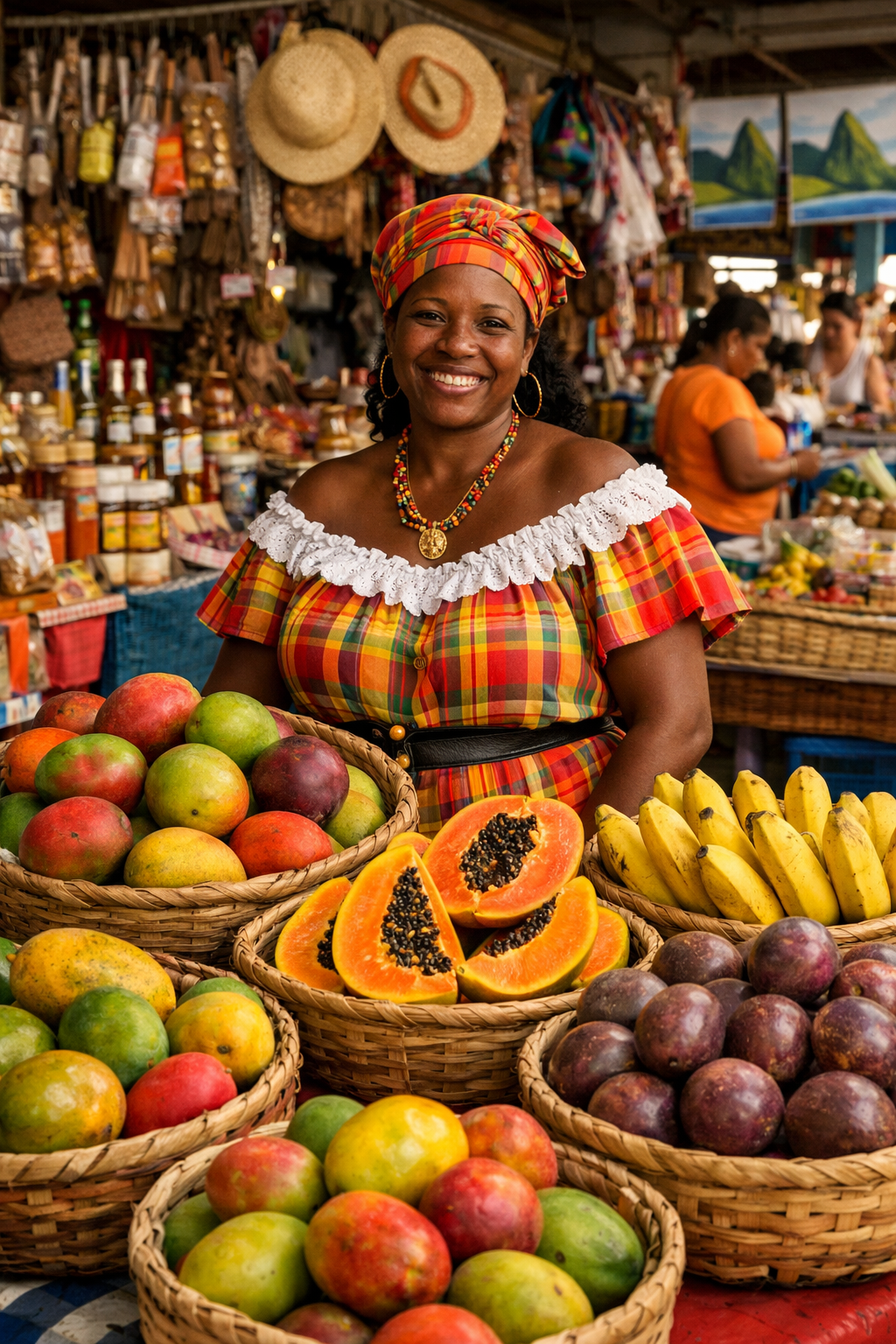
St. Lucia’s culinary scene showcases Creole traditions, fresh seafood, and tropical ingredients. The island’s food culture has become a significant tourism draw, offering experiences from casual beachside grills to upscale resort dining[2].
Must-try St. Lucian dishes:
- Green fig and saltfish – the national dish featuring green bananas and salted cod
- Callaloo – leafy green soup similar to spinach, often served with crab
- Bouyon – hearty one-pot stew with dumplings, vegetables, and meat or fish
- Accra – saltfish fritters, perfect as appetizers or street food
- Fresh lobster and mahi-mahi – grilled or Creole-style at beachside restaurants
- Rum punch and local beer – Piton beer is the local favorite, while rum cocktails showcase the island’s sugarcane heritage
Recommended dining experiences:
For authentic local food: Visit the Friday night fish fries at Anse La Raye or Dennery, where fishermen grill fresh catch on open fires and vendors serve traditional sides. Expect to pay $10-20 per person for a full meal.
For upscale dining: Dasheene at Ladera Resort offers spectacular Piton views with Caribbean-fusion cuisine. The Cliff at Cap Maison provides fine dining with oceanfront settings. Budget $40-80 per person for dinner.
For casual beachside: Orlando’s Restaurant & Bar in Soufrière serves excellent local seafood with harbor views. Spice of India in Rodney Bay offers a break from Caribbean food with authentic Indian cuisine.
Markets and street food: Castries Market sells fresh tropical fruits, spices, and local snacks. Try fresh coconut water, sugar cane juice, or roasted cashews from street vendors.
Choose the fish fries if you want authentic local atmosphere and excellent value. Pick resort restaurants for special occasions and guaranteed quality. Opt for Castries Market for breakfast or lunch when exploring the capital.
Edge case: Some restaurants, especially in Soufrière, close on Sundays or have limited hours. Always check ahead or ask your accommodation for recommendations and current hours.
What Practical Tips Help First-Timers Avoid Common Mistakes?
First-time visitors to St. Lucia often encounter surprises that proper planning can prevent. The island remains safe and welcoming, with enhanced security measures in place following addressed incidents in late 2025[3].
Essential practical tips:
Transportation realities:
- Driving is on the LEFT side of the road (British influence)
- Roads are narrow, winding, and mountainous with steep grades
- GPS can be unreliable in rural areas; download offline maps
- Taxis don’t use meters; negotiate rates before starting trips
- Water taxis operate between some beaches and are worth considering
Money and costs:
- Eastern Caribbean Dollar (XCD) is official currency, but USD widely accepted
- Credit cards accepted at most tourist establishments, but carry cash for markets and local restaurants
- ATMs available in major towns; withdraw XCD for better exchange rates than paying USD
- Tipping: 10-15% at restaurants (check if service charge already included), $1-2 per bag for porters, 10% for taxi drivers
Safety and health:
- St. Lucia is generally safe for tourists; use normal precautions with valuables
- Tap water is safe to drink in most areas
- Sunscreen and insect repellent are essential; bring reef-safe sunscreen for marine areas
- Medical facilities are adequate for minor issues; serious cases may require evacuation
- Travel insurance is strongly recommended
Communication:
- English is the official language, though many locals speak Creole (Patois)
- Cell service is good in populated areas; check with your carrier about international plans
- Most hotels and restaurants offer WiFi
Weather and packing:
- Dry season (December-May) is peak tourist season with less rainfall
- Hurricane season (June-November) brings occasional storms but also lower prices
- Pack lightweight, breathable clothing, swimwear, hiking shoes, and a light rain jacket
- Dress codes at upscale restaurants may require long pants and closed-toe shoes
Booking and timing:
- Air connectivity is improving with more routes expected by winter 2026[2][4]
- Book popular excursions (Piton hikes, catamaran cruises) at least 2-3 days ahead
- Friday activities book quickly due to street parties; reserve Friday tours early in the week
- Room availability is tight during peak season; book accommodations well in advance[2]
Choose to rent a car if you’re comfortable with left-side driving and want maximum flexibility. Use taxis or book guided tours if driving seems daunting or you prefer not to navigate.
For more first-timer advice on avoiding common travel mistakes, see our guide on New York City for first timers.
How Can You Experience St. Lucia Sustainably and Support Local Communities?
St. Lucia is actively developing community-based tourism initiatives that allow visitors to contribute directly to local economies while enjoying authentic experiences[1]. A new Tourism Development Bill passed in February 2026 aims to ensure equitable distribution of tourism benefits and enable Saint Lucians to invest in and own tourism ventures[1].
Ways to support local communities:
Choose locally-owned accommodations:
Beyond international hotel chains, St. Lucia offers locally-owned guesthouses, boutique hotels, and Airbnb-style properties that keep tourism revenue in local hands[2].
Book community-based tours:
The Saint Lucia Tourism Authority features community tourism initiatives through their “Be Inspired” section, showcasing local guides, cultural experiences, and village-based activities[1].
Shop at local markets:
Purchase fresh produce, spices, handcrafted souvenirs, and artwork directly from local vendors at Castries Market, Gros Islet vendors, and artisan cooperatives rather than resort gift shops.
Eat at local restaurants:
Patronize family-run restaurants, beach grills, and street food vendors rather than eating exclusively at resort restaurants.
Hire local guides:
All Piton hikes require certified local guides—this regulation protects both visitors and provides income to community members. Choose local tour operators for other excursions when possible.
Respect natural resources:
- Use reef-safe sunscreen to protect coral reefs
- Don’t remove shells, coral, or sand from beaches
- Stay on marked trails in protected areas
- Dispose of trash properly and participate in beach cleanups if available
Cultural sensitivity:
- Ask permission before photographing people, especially at markets
- Dress modestly when visiting towns and villages (cover swimwear)
- Learn basic Creole greetings; locals appreciate the effort
- Respect private property and don’t trespass on plantations or residential areas
Choose community-based experiences if you want your tourism spending to directly benefit local families and gain authentic cultural insights. These experiences often provide more memorable interactions than generic tour packages.
For travelers interested in sustainable island tourism, our guide to cheap islands to visit includes other destinations prioritizing community-based tourism.
FAQ
How many days do you need in St. Lucia?
Plan for 5-7 days to experience St. Lucia’s highlights without rushing. Five days covers the Pitons, key beaches, one cultural experience, and one adventure activity. Seven days allows for a more relaxed pace, additional excursions, and resort downtime.
What is the best time of year to visit St. Lucia?
December through April offers the driest weather and is peak tourist season, but expect higher prices and more crowds. May-June and November provide excellent weather with fewer tourists and better deals, making them ideal for first-timers seeking value.
Is St. Lucia expensive for tourists?
St. Lucia ranges from moderate to expensive depending on choices. Budget $150-250 per person daily for mid-range accommodations, meals, and activities. Luxury resorts and fine dining push costs higher, while local restaurants, public beaches, and strategic planning keep expenses reasonable.
Do you need a car to get around St. Lucia?
A car isn’t essential but provides maximum flexibility. Alternatives include booking guided tours with transportation included, hiring taxis for day trips with negotiated rates, or staying at all-inclusive resorts and only venturing out for organized excursions.
Can you hike the Pitons without a guide?
No, hiking Gros Piton requires a certified local guide—this is enforced for safety and community employment. Guides cost approximately $50-75 per person and can be arranged through your accommodation or at the trailhead in Fond Gens Libre.
What should I pack for St. Lucia?
Pack reef-safe sunscreen, insect repellent, hiking shoes with good traction, water shoes for rocky beaches, lightweight breathable clothing, swimwear, a light rain jacket, and one nicer outfit for upscale dining. Don’t forget underwater camera gear for snorkeling.
Is St. Lucia safe for tourists in 2026?
Yes, St. Lucia remains a safe and welcoming destination for tourists. Enhanced security measures were implemented following addressed incidents in late 2025, and tourism operations continue without interruption[3]. Use normal travel precautions with valuables and avoid isolated areas at night.
What’s the difference between the north and south of St. Lucia?
The north (Rodney Bay area) offers more restaurants, nightlife, shopping, and calmer beaches, with easier airport access. The south (Soufrière area) features the Pitons, dramatic landscapes, and major natural attractions but fewer dining options and longer drives.
Can you swim at Sugar Beach?
Yes, Sugar Beach offers excellent swimming with calm, clear waters protected by the surrounding bay. The beach is accessible to the public, though facilities and beach chairs are primarily for resort guests unless you purchase a day pass or dine at the resort.
What currency should I use in St. Lucia?
The Eastern Caribbean Dollar (XCD) is official currency, but US dollars are widely accepted at tourist establishments. For better exchange rates, withdraw XCD from ATMs or pay with credit cards. Small vendors and local restaurants prefer XCD.
Are there all-inclusive resorts in St. Lucia?
Yes, St. Lucia offers numerous all-inclusive resorts, particularly in the north (Rodney Bay) and around the Pitons. These provide convenience and predictable budgeting but limit exposure to local restaurants and authentic cultural experiences outside resort properties.
What’s the food like in St. Lucia?
St. Lucian cuisine blends Creole, French, and African influences with fresh seafood, tropical fruits, and aromatic spices. Expect dishes like green fig and saltfish, grilled lobster, callaloo soup, and fresh-caught fish prepared with local seasonings and served with rice, plantains, or provisions.
Conclusion
The best things to do in St. Lucia combine natural wonders, cultural authenticity, and Caribbean relaxation in ways few islands can match. From hiking the iconic Pitons to snorkeling vibrant reefs, exploring local markets, and savoring Creole cuisine, first-time visitors discover an island that balances adventure with tranquility.
St. Lucia’s tourism landscape is evolving positively, with improved air connectivity expected by winter 2026[2][4], new community-based experiences[1], and initiatives ensuring tourism benefits reach local communities[1]. The island remains welcoming and safe[3], though booking accommodations early is essential due to current room constraints during peak seasons[2].
Your next steps:
- Decide your travel dates – consider shoulder seasons (May-June, November) for better availability and value
- Book accommodations now – especially for peak season travel, as room inventory is limited[2]
- Research flight options – air service is expanding with more routes coming soon[2][4]
- Create a balanced itinerary – mix adventure (Piton hikes, waterfalls), culture (markets, fish fries), and relaxation (beaches, spas)
- Reserve key excursions – book popular activities like catamaran cruises and guided hikes 2-3 days ahead
- Support local communities – choose locally-owned businesses, hire local guides, and engage with community-based tourism initiatives[1]
St. Lucia rewards visitors who venture beyond resort boundaries to discover authentic island culture, dramatic landscapes, and warm hospitality. With proper planning and this guide’s insights, your first trip to St. Lucia will create memories that last long after you’ve returned home.
For more first-timer destination guides, explore our resources on Lisbon Portugal or what to see in Rome Italy.
References
[1] News Updates – https://www.stlucia.org/en/news-updates/
[2] Watch – https://www.youtube.com/watch?v=eyKQp5f4ghk
[3] Saint Lucia Remains A Safe And Welcoming Destination Says Slta – https://thevoiceslu.com/2026/02/saint-lucia-remains-a-safe-and-welcoming-destination-says-slta/
[4] Saint Lucia Pushes Air Service Improvements At Cto Summit – https://stluciatimes.com/178536/2026/02/saint-lucia-pushes-air-service-improvements-at-cto-summit/