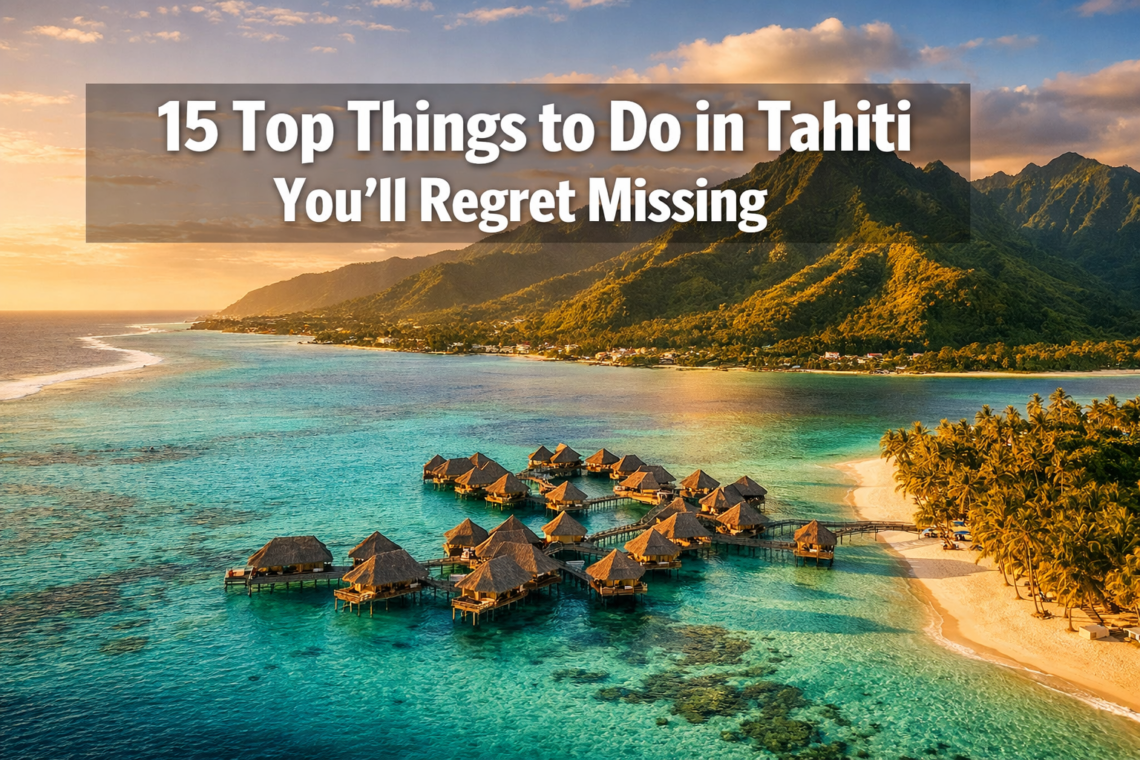
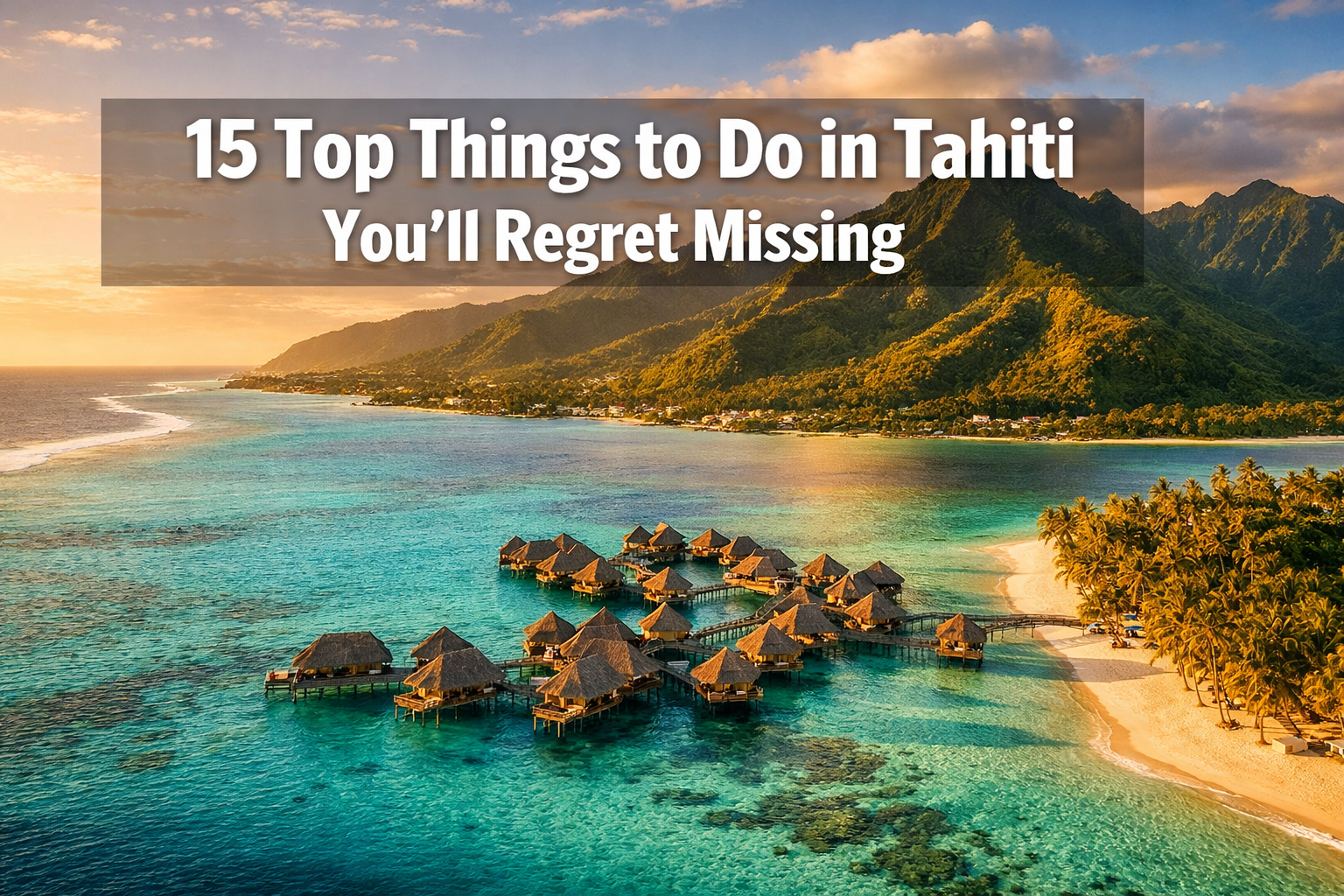
Quick Answer: The top things to do in Tahiti range from exploring the buzzing Papeete Market and watching the Arahoho Blowhole erupt in spectacular sprays, to snorkeling pristine lagoons and hiking to hidden waterfalls. Whether you have five days or two weeks, Tahiti rewards travelers who go beyond the resort pool with unforgettable natural wonders and authentic Polynesian culture.
Key Takeaways 🌺
- Papeete Market is the cultural heartbeat of Tahiti — go on a Sunday morning for the best selection of crafts and local food
- Arahoho Blowhole on the north coast is one of the most dramatic free attractions on the island
- Faarumai Waterfalls are easily accessible and genuinely stunning — don’t skip them
- Lagoon excursions to quiet motus (islets) offer world-class snorkeling without the crowds
- Roulottes (food trucks) near the main dock serve the most authentic and affordable meals on the island
- Black sand beaches like Pointe Venus are unique to volcanic islands and worth a dedicated visit
- The Heiva Festival (held annually in July) is the best time to experience Polynesian culture at its peak
- Budget travelers can enjoy most natural attractions for free or very low cost
- Tahiti is often just a stopover — but it deserves at least 3–4 full days of exploration
- Combine Tahiti with a side trip to Bora Bora for the ultimate French Polynesia experience
What Are the Top Things to Do in Tahiti for First-Time Visitors?
First-time visitors to Tahiti should prioritize a mix of cultural experiences in Papeete and natural adventures along the island’s coast and interior. The island is larger than most people expect, so planning by geographic zone saves a lot of backtracking.
Here’s a solid starting framework for your first visit:
- Day 1: Papeete Market, Museum of Tahiti and The Islands, Roulottes dinner
- Day 2: North coast drive — Arahoho Blowhole, Faarumai Waterfalls, black sand beaches
- Day 3: Lagoon excursion, snorkeling, motu picnic
- Day 4: Canyoning or paragliding, Water Gardens of Vaipahi
Choose this itinerary if you have 4 days and want a balance of culture, nature, and adventure. If you only have 2 days, prioritize the Papeete Market and the north coast drive — both are half-day experiences you can combine.
1. Papeete Market: The Cultural Heart of Tahiti
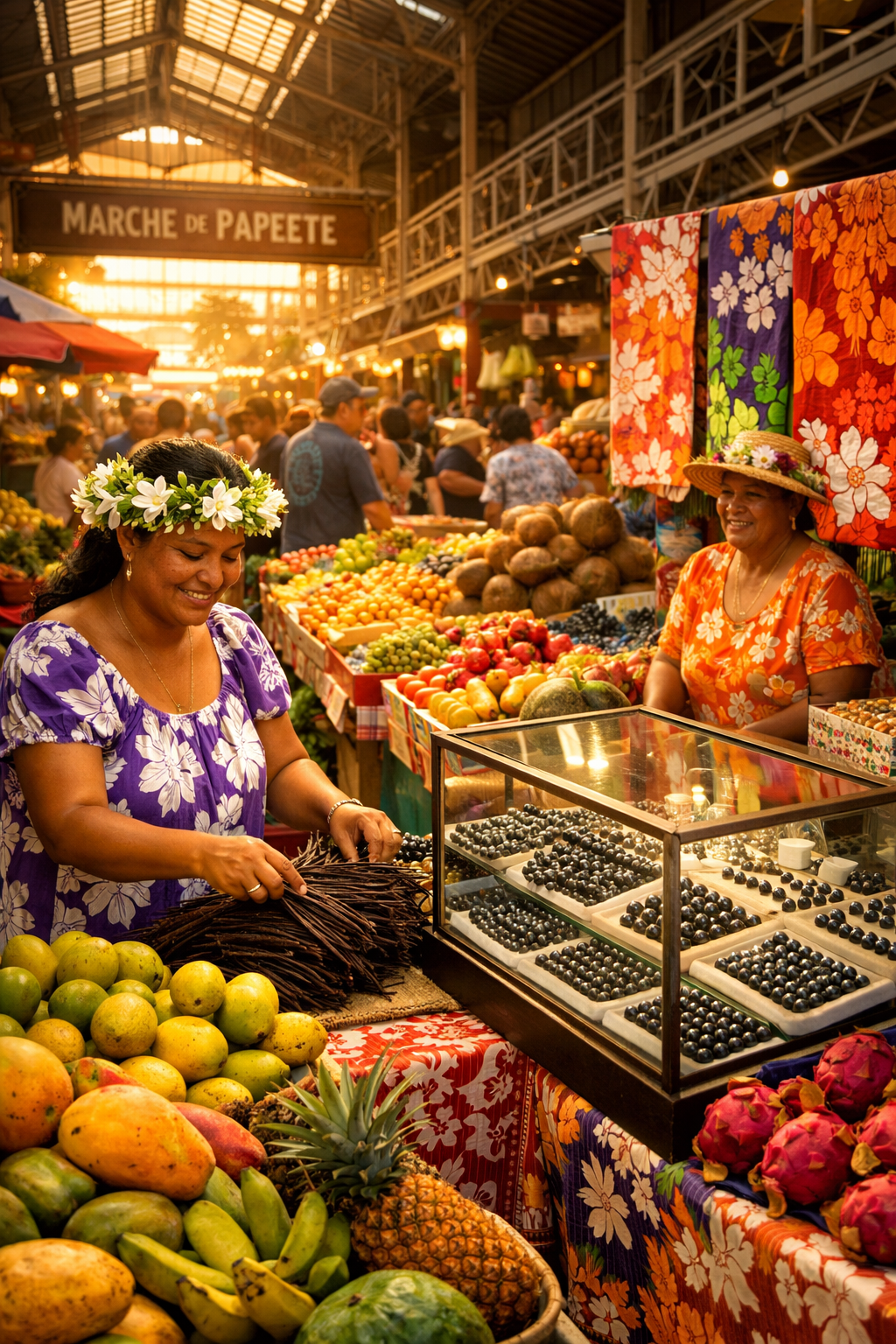
The Papeete Market (Marché de Papeete) is the single best place to understand daily life in Tahiti [1][8]. It’s open daily, but Sunday mornings offer the richest mix of handicrafts, local produce, and community energy [3].
What you’ll find inside:
- Fresh tropical fruit — papaya, mango, star fruit, and local bananas
- Black pearls in every price range, from budget souvenirs to investment-grade gems
- Vanilla beans — Tahitian vanilla is among the finest in the world
- Tifaifai fabric — handmade quilts with bold floral patterns unique to Polynesian culture [1][8]
- Monoi oil — the coconut-and-tiare flower blend used in everything from cooking to skincare
Pro tip: Arrive before 8 a.m. on a Sunday. The upper floor fills with craft vendors, while the ground floor buzzes with food stalls. Prices are negotiable on crafts but fixed on food.
2. Arahoho Blowhole: Nature’s Most Dramatic Show
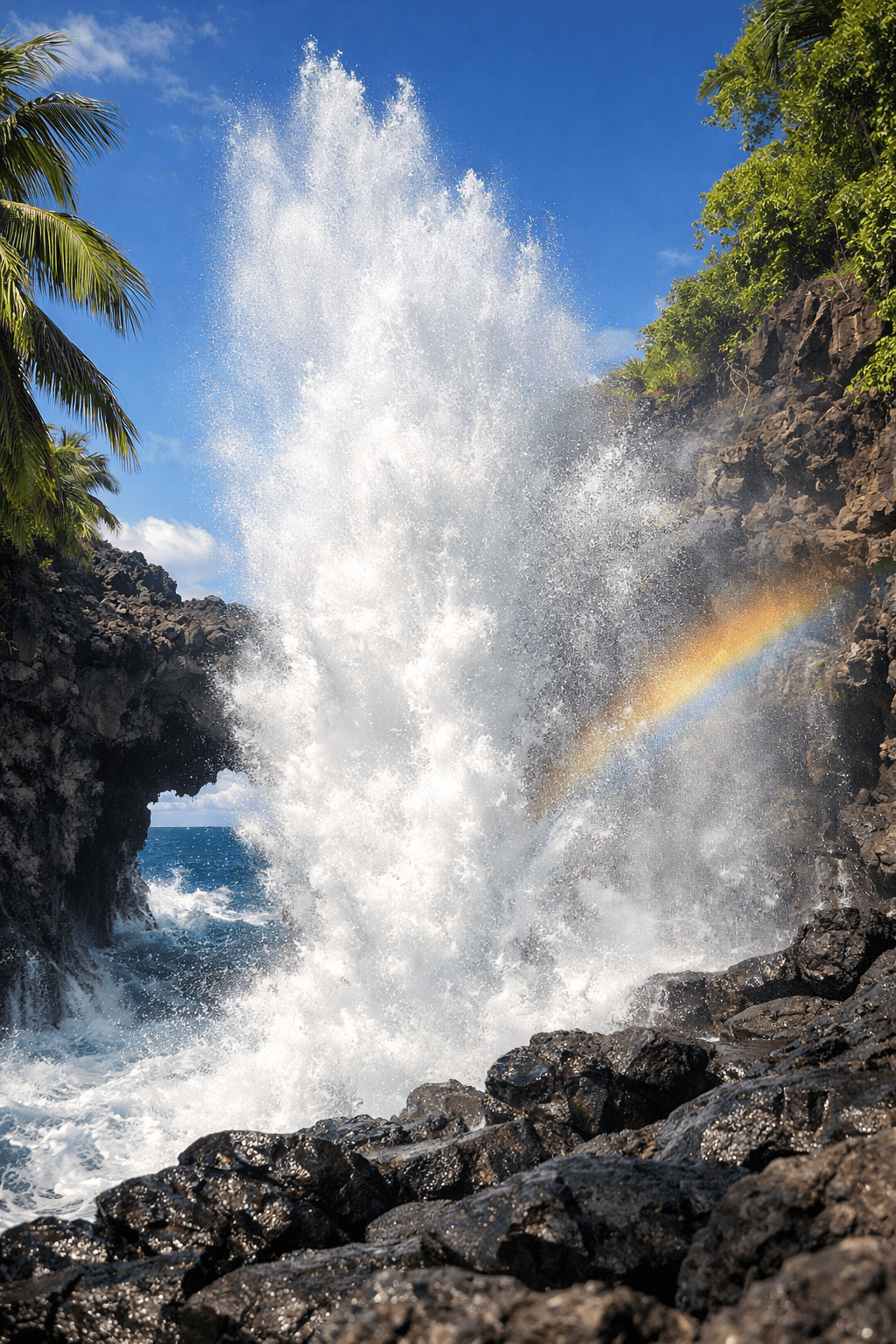
On Tahiti’s north coast, the Arahoho Blowhole is a free, roadside attraction that genuinely earns its reputation [1][5][7]. Waves crash into underwater lava tubes and shoot skyward through rock openings — sometimes reaching 20 feet or more. It’s one of those sights that stops you mid-sentence.
- Best time to visit: During or just after a swell (check surf reports for the north shore)
- Location: About 22 km east of Papeete on the coastal road
- Cost: Free
- Photography tip: Stand slightly back and use burst mode — the spray is unpredictable
Common mistake: Many visitors drive past without stopping because there’s no large sign. Look for a small pull-off area and the sound of crashing water.
3. Faarumai Waterfalls: The Hidden Gem Most Visitors Rush Past
The Cascades of Faarumai consist of three separate waterfalls tucked into lush tropical vegetation near Tiarei village [2][5][6]. The main fall, Vaimahuta, is a short 10-minute walk from the parking area. The other two — Haamarere Iti and Haamarere Rahi — require a longer hike but reward you with near-total solitude.
| Waterfall | Hike Time | Difficulty | Crowd Level |
|---|---|---|---|
| Vaimahuta (main) | 10 min | Easy | Moderate |
| Haamarere Iti | 30 min | Moderate | Low |
| Haamarere Rahi | 45 min | Moderate | Very low |
Wear water shoes — the trail gets muddy and slippery after rain, which happens often in Tahiti’s interior.
4. Lagoon Excursions: Snorkeling the Coral Gardens
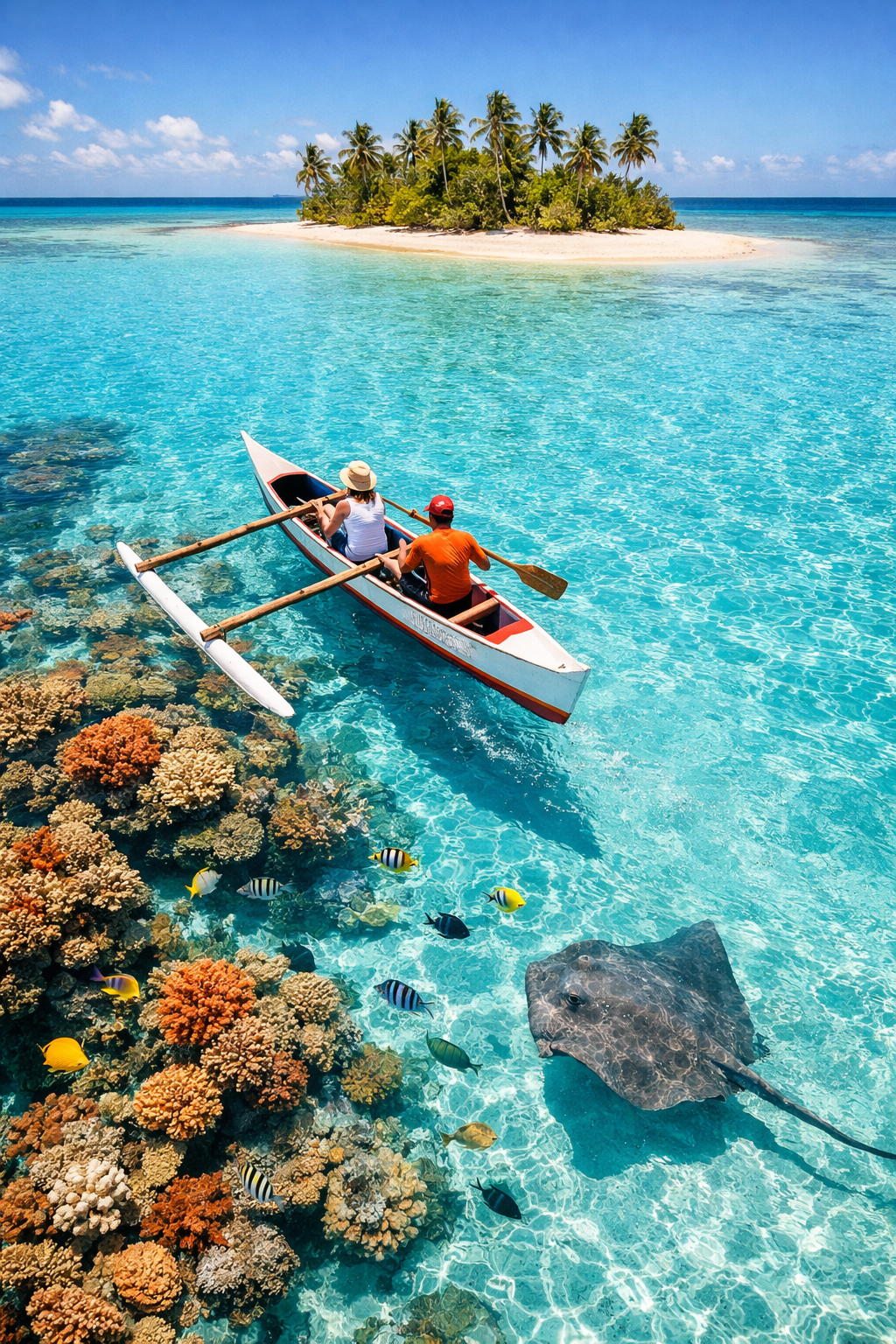
Tahiti’s lagoon is calmer and more accessible than many travelers realize [1]. Guided half-day excursions take small groups out to coral gardens where you’ll snorkel alongside tropical fish, blacktip reef sharks (harmless), and stingrays. Many tours include a stop at a quiet motu for a picnic lunch [1].
What to expect:
- Tours depart from Papeete marina, typically at 8 a.m.
- Duration: 4–6 hours
- Cost: Roughly 8,000–12,000 XPF per person (approximately $70–$110 USD) — verify current pricing with operators
- Snorkel gear is usually included
Choose a lagoon excursion if you’re not planning to visit Bora Bora. If you are heading to Bora Bora, the lagoon there is more dramatic — but Tahiti’s version is still worth it for the coral variety.
If you love island hopping and lagoon adventures, our Bora Bora Travel Guide: Luxury Stays & Hidden Spots covers the neighboring island in detail.
5. Black Sand Beaches: Pointe Venus and Papenoo
Tahiti’s black sand beaches are a direct result of the island’s volcanic origins, and they’re genuinely unlike anything you’d find in the Caribbean [2][7]. Pointe Venus, near Mahina, is the most famous — it’s also where Captain Cook observed the transit of Venus in 1769. The beach itself is dramatic rather than postcard-perfect, but the lighthouse, breadfruit trees, and black sand together make for great photos.
Papenoo Black Sand Beach, further along the north coast, is quieter and less visited. It’s a good spot for watching surfers.
Honest note: These aren’t swimming beaches. The surf and currents are strong. Come for the scenery and the history, not a swim.
6. Museum of Tahiti and The Islands: Worth Two Hours of Your Time
The Museum of Tahiti and The Islands (Musée de Tahiti et des Îles) in Punaauia is the best place to contextualize everything else you’ll see on the island [4][6]. Exhibits cover Polynesian navigation, traditional tattooing, ancient tools, and the history of European contact.
- Hours: Tuesday–Sunday, 9 a.m.–5 p.m. (confirm locally — hours can change seasonally)
- Cost: Low entry fee, around 600 XPF (roughly $5 USD)
- Time needed: 1.5–2 hours
- Bonus: The museum grounds open onto a lagoon-side lawn — great for a quiet break
7. Roulottes: Eat Like a Local for Under $15
The roulottes are food trucks that set up nightly near the Papeete waterfront, and they’re one of the best-kept secrets for budget travelers [4][7]. By around 6 p.m., a row of trucks serves everything from poisson cru (Tahitian raw fish in coconut milk) to Chinese-Tahitian fusion dishes, crepes, and grilled meats.
What to order:
- Poisson cru — the national dish; fresh tuna marinated in lime and coconut milk
- Chow mein tahitien — stir-fried noodles with a local twist
- Grilled mahi-mahi with rice and salad
Most plates run 800–1,500 XPF (roughly $7–$13 USD). Bring cash — not all trucks take cards.
8. Heiva Festival: The Best Time to Visit Tahiti
If your travel dates are flexible, plan around the Heiva Festival in July [5]. Held at To’ata Square in Papeete — a 5,000-seat outdoor venue — it’s the largest annual cultural celebration in French Polynesia [5]. Expect traditional dance competitions, outrigger canoe races, Polynesian sports, and live music that runs for weeks.
Planning note: Hotels book up fast in July. Reserve at least 3–4 months in advance if you want to attend the Heiva.
9. Canyoning and Paragliding: For the Adventure-Minded
Tahiti’s interior is dramatic — steep valleys, rivers, and volcanic ridges that most visitors never see [3]. Canyoning excursions take you through these landscapes with a guide, rappelling down waterfalls and swimming through natural pools [3]. It’s physically demanding but genuinely rewarding.
Paragliding offers a completely different perspective: tandem flights launch from the hills above Papeete and give you aerial views of the lagoon, the reef, and the green valleys below [3].
- Canyoning: Best for hikers comfortable with water and heights
- Paragliding: Best for those who want the view without the physical exertion
- Both activities require booking in advance through local operators
For comparison, if you enjoy this kind of active island exploration, check out our 2 Weeks in Bali Itinerary: Adventure & Hidden Gems for another destination that rewards the adventurous traveler.
10. Water Gardens of Vaipahi and Grottes de Mara’a
Two underrated stops on Tahiti’s south coast deserve a spot on your list [2][6]. The Water Gardens of Vaipahi near Taravao feature a landscaped park built around natural springs and streams — it’s peaceful, photogenic, and free. The Grottes de Mara’a (Mara’a Caves) are a series of lava caves with a small freshwater grotto inside, surrounded by ferns and dripping moss.
Neither spot will take more than 45 minutes, so combine them on a south coast driving day.
11–15. Five More Top Things to Do in Tahiti You Shouldn’t Skip
Here are five additional activities worth adding to your list, especially if you have more than four days:
- Surfing at Teahupo’o — One of the world’s most famous and powerful waves. Watch (don’t paddle out unless you’re an expert) from a boat tour. The annual surfing competition held here draws global attention.
- Taravao Plateau viewpoint — Drive up to the plateau connecting Tahiti Nui and Tahiti Iti for panoramic views of both peninsulas and the lagoon below. Best in the morning before clouds roll in.
- Botanical Garden of Papeari (Harrison Smith Garden) — Over 1,000 plant species, including rare tropical trees. Peaceful, shaded, and great for families.
- Outrigger canoe paddling — Many beach clubs and hotels offer rentals or lessons. It’s a cornerstone of Polynesian culture and a genuinely fun way to spend a morning on the water.
- Paul Gauguin Museum — Located near the botanical garden, this small museum traces the French painter’s time in Polynesia. The collection is modest but the context it provides for understanding Tahiti’s artistic legacy is valuable.
Where to Stay in Tahiti: Accommodations for Every Budget
Tahiti has a wider range of accommodations than most travelers expect — from luxury overwater bungalows to clean budget guesthouses (pensions).
| Category | Options | Approx. Price/Night (USD) |
|---|---|---|
| Luxury | InterContinental Tahiti Resort & Spa, Le Méridien Tahiti | $350–$700+ |
| Mid-range | Manava Suite Resort, Tahiti Airport Motel | $150–$300 |
| Budget/Pension | Pension Aito, Fare Suisse | $60–$120 |
Key tips for choosing where to stay:
- Stay near Papeete if you’re using Tahiti as a base for day trips and onward travel to other islands
- Choose a lagoon-facing property if swimming and snorkeling are priorities — not all beaches in Papeete are swimmable
- Pensions (family guesthouses) are the best value and often include breakfast; they’re also a great way to meet locals
- Book at least 6–8 weeks ahead for July (Heiva season) and December–January (peak tourist season)
If you enjoy comparing island accommodations, our guide on the Best Things to Do in St. Lucia: First-Timer’s Guide covers another stunning tropical destination worth considering for your travel calendar.
FAQ: Top Things to Do in Tahiti
Q: How many days do you need in Tahiti?
A: Three to four days is enough to cover the main highlights, including Papeete, the north coast, and a lagoon excursion. Five to seven days lets you explore the south coast and add adventure activities.
Q: Is Tahiti worth visiting on its own, or should I combine it with Bora Bora?
A: Tahiti stands on its own for culture, food, and natural scenery. Bora Bora adds world-class lagoon beauty and overwater bungalow luxury. If budget allows, combine both — they’re a 45-minute flight apart.
Q: What is the best time of year to visit Tahiti?
A: May through October is the dry season and the most comfortable for outdoor activities. July is peak season due to the Heiva Festival. November through April is wetter and more humid but cheaper.
Q: Is Tahiti expensive?
A: It can be, but it doesn’t have to be. Roulottes meals, free natural attractions, and budget pensions make it manageable. The biggest costs are flights and accommodation — plan those carefully.
Q: What currency is used in Tahiti?
A: The CFP Franc (XPF) is the local currency. Cards are widely accepted in Papeete, but carry cash for markets, roulottes, and smaller towns.
Q: Is Tahiti safe for solo travelers?
A: Yes, Tahiti is generally safe. Petty theft can occur in Papeete, so keep valuables secure. Solo female travelers generally report feeling comfortable, especially in tourist areas.
Q: Do I need to speak French to visit Tahiti?
A: French is the official language, but English is spoken at most hotels and tourist-facing businesses. Learning a few French phrases (and a greeting in Tahitian — “Ia ora na”) goes a long way.
Q: Can I visit Tahiti on a cruise?
A: Yes. Several cruise lines stop in Papeete. A one-day port stop is enough for the Papeete Market and a quick drive to the Arahoho Blowhole [1][5].
Q: What should I pack for Tahiti?
A: Reef-safe sunscreen (required by local regulations), water shoes for waterfall hikes, a light rain jacket, and a reusable water bottle. Dress is casual; no formal wear needed.
Q: Are there hidden gems in Tahiti that most tourists miss?
A: Yes — the Grottes de Mara’a, Haamarere waterfalls (the second and third falls at Faarumai), the Taravao Plateau, and the Water Gardens of Vaipahi are all genuinely off the beaten path [2][6].
Conclusion: Make Tahiti More Than a Layover
Most travelers land in Papeete, spend one night, and fly on to Bora Bora the next morning. That’s a genuine mistake. Tahiti has dramatic waterfalls, a blowhole that will stop you in your tracks, one of the best food truck scenes in the Pacific, and a cultural richness that the smaller resort islands simply can’t match.
Your actionable next steps:
- Book at least 3 nights in Tahiti — not just a transit night
- Plan a Sunday morning visit to Papeete Market as your first activity
- Reserve a lagoon excursion before you arrive — spots fill up quickly in high season
- Rent a car for one day and drive the north coast: Arahoho Blowhole, Faarumai Waterfalls, and Pointe Venus in a single loop
- Eat dinner at the roulottes at least once — it’s the most authentic meal you’ll have on the island
If you’re building out a broader Pacific or island-hopping itinerary, our Honolulu Hawaii Things to Do: First-Timer’s Guide and Best Things to Do in Grand Cayman are solid companion reads for tropical travel planning.
Tahiti isn’t just a backdrop for Bora Bora. It’s a destination in its own right — and once you’ve stood at the Arahoho Blowhole with spray in your face and a plate of poisson cru waiting for you at the roulottes, you’ll wonder why you ever planned to rush through it.

References
[1] The Best Things To Do In Tahiti – https://www.silversea.com/blog/extra/others/the-best-things-to-do-in-tahiti
[2] Hidden Gems Tc268 – https://www.getyourguide.com/tahiti-l32413/hidden-gems-tc268/
[3] What To Do In Tahiti – https://lesdeuxpiedsdehors.com/en/what-to-do-in-tahiti/
[4] Attractions G309679 Activities Tahiti Society Islands – https://www.tripadvisor.com/Attractions-g309679-Activities-Tahiti_Society_Islands.html
[5] Viator – https://www.viator.com/Tahiti/d25
[6] Watch – https://www.youtube.com/watch?v=XsnLvVdi24w
[7] Tahiti Best Things To Do – https://simply-madeleine.com/tahiti-best-things-to-do/
[8] Les 10 Choses Incontournables A Faire A Papeete – https://www.aranui.com/us/blog/les-10-choses-incontournables-a-faire-a-papeete