
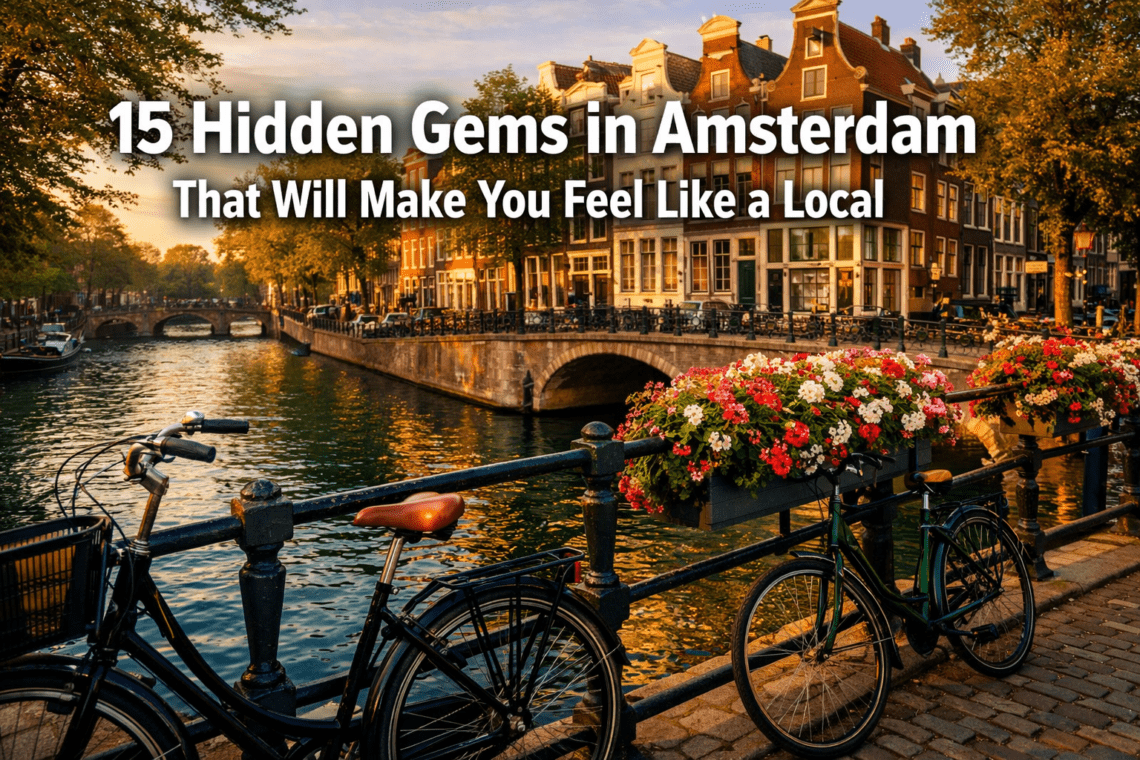
Amsterdam is famous for its canals, museums, and vibrant nightlife, but the real magic happens when you step off the tourist trail. These Hidden Gems in Amsterdam offer authentic experiences that most visitors miss, from secret courtyards to quirky museums and neighborhoods where locals actually live. I’ve spent years exploring this city, and these spots will transform your visit from typical to truly memorable.
Key Takeaways
- Begijnhof Courtyard offers a peaceful escape in the city center with historic houses and gardens dating back centuries
- De Pijp neighborhood features the authentic Albert Cuyp Market where locals shop for fresh produce and traditional Dutch snacks
- STRAAT Museum showcases constantly changing street art in a converted shipyard with free rooftop views
- The Jordaan District provides the most authentic Amsterdam experience with hidden courtyards and local galleries
- Hortus Botanicus is one of the world’s oldest botanical gardens, founded in the 1600s with free entry using the I Amsterdam City Card
- De KattenKabinet (Cat Cabinet) is a quirky museum dedicated entirely to cat-themed art with resident felines
- Ons’ Lieve Heer op Solder reveals a complete secret church hidden in an Amsterdam attic
- Most hidden gems are walkable or accessible by bike, the true local way to explore Amsterdam
- The I Amsterdam City Card provides free or discounted access to over 40 attractions plus unlimited public transportation
Quick Answer
The best Hidden Gems in Amsterdam include Begijnhof Courtyard (a secret garden in plain sight), De Pijp neighborhood with its historic market, STRAAT Museum for street art lovers, and the quirky Cat Cabinet museum. These spots offer authentic local experiences away from crowded tourist areas. Most are free or low-cost, easily accessible by bike or foot, and provide genuine insight into how Amsterdam residents actually live and spend their time.
What Makes These Hidden Gems in Amsterdam Different from Tourist Spots?
Hidden gems in Amsterdam are places where locals actually spend their time, not locations designed primarily for tourists. These spots offer authentic experiences without the crowds, inflated prices, or manufactured atmosphere you’ll find at major attractions.
The difference is simple: hidden gems serve the community first. Begijnhof Courtyard, for example, remains a functioning residential area with historic significance, not a museum charging entrance fees [1]. Similarly, the Albert Cuyp Market in De Pijp has operated since the 1800s as a genuine neighborhood market where residents buy groceries, not just souvenirs [1][2].
Key differences include:
- Lower costs – Many hidden gems are free or significantly cheaper than major museums
- Fewer crowds – You can actually enjoy the space without fighting through tour groups
- Authentic atmosphere – These places exist for locals, not Instagram photos
- Real cultural insight – You’ll see how Amsterdam residents live, not just tourist-friendly versions
Choose hidden gems if you want to understand Amsterdam’s real character. Stick to major attractions if you prefer structured experiences with audio guides and gift shops. Both have value, but only one shows you the city locals know.
Where Can You Find the Most Peaceful Hidden Gems in Amsterdam?
Begijnhof Courtyard and Hortus Botanicus offer the most peaceful escapes from Amsterdam’s busy streets. Both provide lush greenery, historic architecture, and quiet spaces where you can actually hear yourself think.
Begijnhof Courtyard
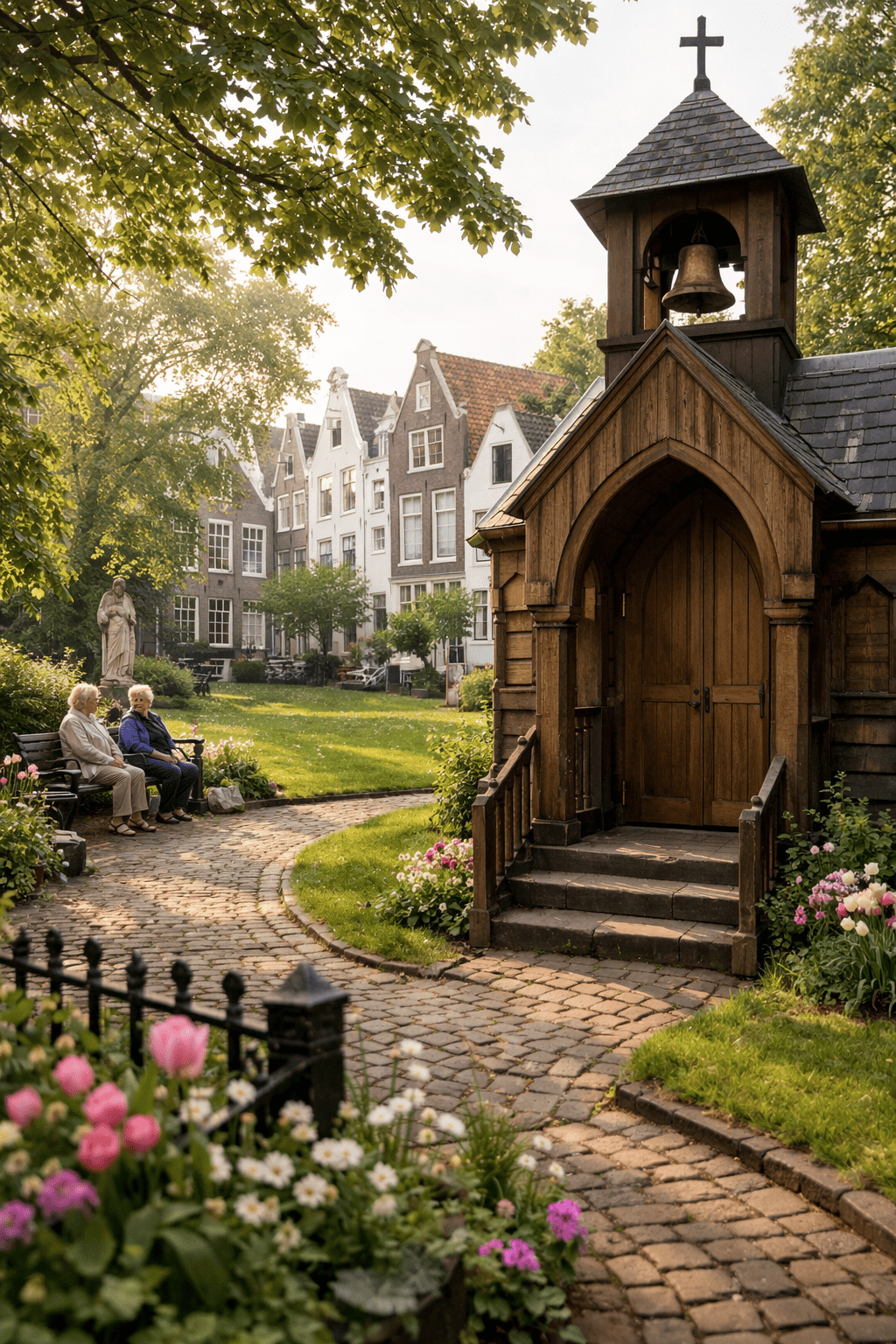
This magical courtyard sits right in the city center but feels worlds away from the chaos outside. Founded in the 14th century, Begijnhof features two inner courtyards surrounded by historic houses, a wooden chapel, and perfectly manicured gardens [1][2].
What makes it special:
- Free entry through an inconspicuous doorway most tourists walk past
- Original medieval houses still functioning as residences
- Two churches including Amsterdam’s oldest surviving wooden building
- Strict quiet policy that preserves the peaceful atmosphere
Visitor tip: Visit early morning (before 10 AM) for the most serene experience. The courtyard is free but respect the residents who still live here.
Hortus Botanicus
Founded in the mid-1600s, this ancient botanical garden in the Plantage district ranks among the world’s oldest [1]. The garden features the 17th-century Hexagonal House and the impressive 20th-century Palm House with exotic plants.
Access details:
- Free with I Amsterdam City Card
- Regular admission applies otherwise
- Open daily with seasonal hours
- Less crowded than Vondelpark but equally beautiful
Both locations work perfectly if you need a break from museum hopping or want to experience Amsterdam’s quieter side. Similar to hidden gems in Italy, these peaceful spots reveal the city’s authentic character.
Which Amsterdam Neighborhoods Feel Most Authentic?
The Jordaan District and De Pijp are Amsterdam’s most authentic neighborhoods where locals outnumber tourists and real life happens beyond the Instagram facade.
The Jordaan District
This former working-class neighborhood has evolved into Amsterdam’s most charming area while maintaining its authentic character. The Jordaan features narrow streets, hidden courtyards (called “hofjes”), independent galleries, and cafés where you’ll hear more Dutch than English [1].
What you’ll find:
- Hidden courtyards – Over 20 secret hofjes tucked behind ordinary doorways
- Independent shops – Local boutiques instead of international chains
- Authentic brown cafés – Traditional Dutch pubs unchanged for decades
- Weekly markets – Lindengracht Market on Saturdays, Noordermarkt on Mondays
The Jordaan works best explored on foot or by bike. Don’t follow a strict route—the best discoveries happen when you wander down random streets and peek through doorways.
De Pijp Neighborhood
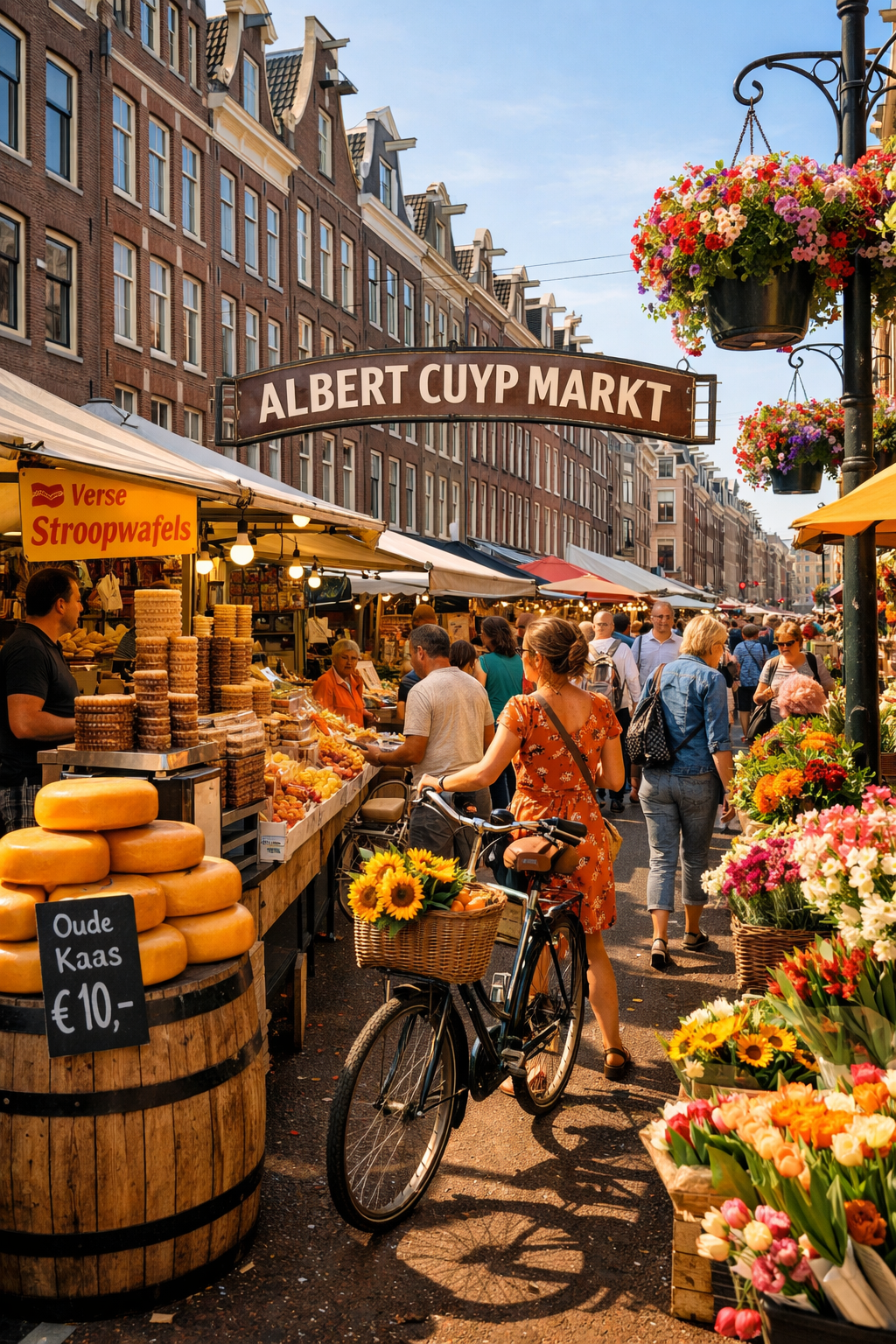
Originally designed in the 1800s to house immigrants and workers, De Pijp remains Amsterdam’s most diverse and vibrant neighborhood [1][2]. The area centers around the famous Albert Cuyp Market, which has operated since 1862.
Why locals love it:
- Albert Cuyp Market – Fresh produce, Dutch cheese, stroopwafels, and local snacks at real prices
- Multicultural food scene – Authentic restaurants from dozens of countries
- Sarphatipark – A local park where residents actually relax (unlike tourist-packed Vondelpark)
- Affordable prices – Restaurants and shops cater to residents, not tourists
Common mistake: Visiting De Pijp only for the market. Stay for lunch at a local café, explore the side streets, and notice how different the atmosphere feels from the city center.
Both neighborhoods offer what most visitors miss: real Amsterdam life. You’ll see parents biking kids to school, neighbors chatting in Dutch, and businesses that have served the same families for generations.
What Are the Most Unique Museums Among Amsterdam’s Hidden Gems?
STRAAT Museum, De KattenKabinet, and Ons’ Lieve Heer op Solder offer completely unique experiences you won’t find anywhere else in Amsterdam or most other cities.
STRAAT Museum
This urban contemporary art museum occupies a massive former shipyard, featuring constantly rotating street art exhibitions across 7,000 square meters [3]. The building itself is covered in artworks, and the panoramic rooftop deck provides unexpected city views.
Visit details:
- Opens at 10 AM most days (12 PM on Mondays) [3]
- Admission around €17.50
- Rooftop café with affordable drinks
- Allow 1.5-2 hours minimum
Choose STRAAT if you appreciate street art, graffiti culture, or want to see Amsterdam’s contemporary creative scene beyond traditional museums.
De KattenKabinet (The Cat Cabinet)
This quirky museum in a historic canal house features an entire collection dedicated to cat-themed art, from paintings and sculptures to posters and books [2][4]. Resident cats wander the rooms, adding to the surreal experience.
What makes it special:
- Located in a beautiful Golden Age canal house
- Mix of serious art and playful cat kitsch
- Actual cats live in the museum
- Small and intimate, unlike massive tourist museums
Who it’s for: Cat lovers, art enthusiasts who appreciate the absurd, or anyone tired of serious museums. Not for people with cat allergies or those seeking traditional cultural experiences.
Ons’ Lieve Heer op Solder (Our Dear Lord in the Attic)
This secret Catholic church was built in the attic of a canal house during the 17th century when Catholics couldn’t worship publicly [3]. The entire upper floors contain a complete church with altar, pews, and religious art.
Why it matters:
The museum provides genuine historical insight into Amsterdam’s religious tolerance (and intolerance). You’ll see how wealthy Catholics secretly practiced their faith while maintaining appearances downstairs.
Practical info:
- Located in the Red Light District
- Requires climbing steep Dutch stairs
- Admission around €15
- Combines well with exploring the area’s other history
All three museums offer perspectives on Amsterdam you won’t get at the Rijksmuseum or Van Gogh Museum. They’re smaller, stranger, and more memorable.

How Can You Explore Amsterdam’s Hidden Gems Like a Local?
Rent a bike, skip the tour buses, and explore neighborhoods on your own schedule. Locals navigate Amsterdam by bicycle, and you’ll access hidden gems impossible to reach efficiently by public transport or on foot.
The Local Transportation Strategy
Bike rental is essential for authentic exploration. Amsterdam has over 500 kilometers of bike paths, and cycling opens up neighborhoods tourists rarely see [1].
Where to rent:
- Local bike shops (€10-15 per day)
- Avoid tourist-focused rental companies charging €25+
- Many accommodations offer free or cheap bike rentals
Alternative options:
- Walking – Works well for compact areas like the Jordaan or De 9 Straatjes
- Tram – Efficient for longer distances between neighborhoods
- I Amsterdam City Card – Includes unlimited public transportation plus free or discounted access to 40+ attractions [1]
Timing Your Visits
Visit hidden gems during off-peak hours when locals use them. Early mornings (before 10 AM) and weekday afternoons offer the most authentic experiences with fewer tourists.
Best times for specific spots:
- Markets – Early morning for freshest selection, late afternoon for bargains
- Courtyards – Early morning or late afternoon for peaceful atmosphere
- Museums – Weekday mornings right when they open
- Neighborhoods – Avoid weekends when day-trippers flood the city
The Wandering Strategy
The best hidden gems reveal themselves when you’re not actively searching. Pick a neighborhood, choose a general direction, and explore side streets without a specific destination.
Common mistake: Following Google Maps to every location. You’ll miss the unmarked courtyards, interesting shops, and local cafés that make Amsterdam special. Allow time to get deliberately lost.
This approach works especially well if you’ve explored other European destinations like the hidden gems along the Amalfi Coast where wandering reveals the best experiences.
What Hidden Architectural Gems Should You Look For?
The Miniature Houses on Westerstraat and De 9 Straatjes showcase Amsterdam’s unique architectural character that most visitors walk past without noticing.
The Miniature Houses on Westerstraat
This cluster of tiny historic houses represents Amsterdam’s quirky architectural history [1]. Built centuries ago, these miniature structures served specific purposes related to the neighborhood’s working-class history.
Why they’re hidden:
- No signs or markers identify them
- Located on a regular street among normal buildings
- Most tourists focus on grand canal houses instead
- Easy to miss if you’re not specifically looking
Where to find them: Westerstraat in the Jordaan, between Prinsengracht and Elandsgracht. Look for the noticeably smaller doorways and windows.
De 9 Straatjes (The Nine Streets)
This micro-neighborhood consists of nine connected streets between four main canals, featuring Amsterdam’s best-preserved 17th and 18th-century architecture [1]. The area offers boutique shops, galleries, and cafés in historic buildings.
What makes it special:
- Authentic Golden Age architecture
- Independent shops in historic spaces
- Narrow streets designed for foot traffic, not cars
- Guided walking tours available (approximately $30 USD) [1]
Architectural details to notice:
- Gable stones – Decorative stones above doorways showing original building purposes
- Hoisting beams – Hooks above top windows still used to lift furniture
- Varied gable styles – Step gables, neck gables, and bell gables showing different eras
- Narrow facades – Buildings are skinny because taxes were based on street frontage
Choose architectural exploration if you appreciate design, history, or want to understand how Amsterdam developed. Skip it if you’re mainly interested in museums or nightlife.
Where Can You Find the Best Local Food Experiences?
Albert Cuyp Market in De Pijp and the neighborhood cafés in the Jordaan offer the most authentic food experiences where you’ll eat what locals actually eat, not tourist versions of Dutch cuisine.
Albert Cuyp Market
Operating since 1862, this is Amsterdam’s largest and most authentic street market [1][2]. The market stretches for blocks and features everything from fresh produce to prepared foods, with prices locals can actually afford.
What to eat:
- Fresh stroopwafels – Thin waffle cookies with caramel, made fresh at market stalls
- Raw herring – Traditional Dutch snack served with onions and pickles
- Dutch cheese – Sample before buying from vendors who’ve sold cheese for generations
- Surinamese roti – Reflecting Amsterdam’s multicultural character
- Fresh juice – Made to order from seasonal fruit
Market strategy: Go hungry, bring cash (many vendors don’t accept cards), and visit mid-morning for the best selection. The market operates Monday through Saturday.
Jordaan Neighborhood Cafés
The Jordaan features traditional brown cafés (bruine kroegen) where locals have gathered for decades or even centuries. These aren’t tourist traps—they’re genuine neighborhood spots.
What makes them authentic:
- Menus in Dutch first, English second (or not at all)
- Locals outnumber tourists significantly
- Prices reflect neighborhood economics, not tourist budgets
- Staff speak Dutch to regulars, English to visitors
Common mistake: Ordering “traditional Dutch food” at restaurants near major tourist sites. You’ll get overpriced, mediocre versions. Instead, eat where you see Dutch families and older residents.
Food experience tips:
- Lunch at the market, dinner in the Jordaan
- Try bitterballen (fried meatballs) at a brown café
- Order what locals order, not what’s marked “traditional”
- Ask vendors at the market for recommendations
This approach to food exploration works similarly to discovering local spots in Mykonos where the best meals happen away from tourist areas.

What’s the Best Way to Experience Amsterdam’s Waterways Beyond Tourist Canals?
Explore the Bloemenmarkt floating flower market and lesser-known canal areas by bike or on foot rather than taking crowded tourist boat tours.
Bloemenmarkt (Floating Flower Market)
Dating back to 1862, Bloemenmarkt was the world’s first floating flower market [1]. While it attracts tourists now, the market still functions as a real flower market where locals buy tulip bulbs, plants, and fresh flowers.
What’s authentic:
- Vendors selling actual tulip bulbs and seeds (not just souvenirs)
- Locals buying plants for their homes and gardens
- Historic floating platform structure on the Singel canal
- Operating continuously for over 150 years
How to experience it properly:
- Visit early morning when vendors set up and locals shop
- Buy actual flowers or bulbs, not wooden tulips
- Notice the floating platform construction
- Combine with exploring the surrounding neighborhood
Alternative Canal Experiences
Skip the glass-topped tour boats and explore canals the way locals do—from the bridges and bike paths alongside them.
Better approaches:
- Bike the canal ring – Follow the main canals by bike, stopping wherever looks interesting
- Walk the quieter canals – Explore Brouwersgracht, Egelantiersgracht, or Bloemgracht instead of the main tourist routes
- NEMO Science Museum rooftop – Free panoramic views over the waterways from an unexpected vantage point [3]
- Sunset canal walks – The golden hour light transforms ordinary canal views
Cost comparison:
- Tourist canal cruise: €15-25 per person
- Bike rental for full day: €10-15
- Walking: Free
- NEMO rooftop access: Free
Choose canal cruises if you have mobility issues or want narrated history. Choose biking or walking if you want flexibility, better photo opportunities, and authentic exploration.
How Much Time Should You Spend at Amsterdam’s Hidden Gems?
Plan for 2-4 hours per neighborhood and 1-2 hours per museum or specific attraction. Hidden gems reward slow exploration more than rushed visits.
Time Allocation by Type
Neighborhoods (2-4 hours each):
- The Jordaan: Half day minimum to explore courtyards, shops, and cafés
- De Pijp: 3-4 hours including market browsing and lunch
- De 9 Straatjes: 2-3 hours for shopping and architecture
Museums (1-2 hours each):
- STRAAT Museum: 1.5-2 hours including rooftop
- De KattenKabinet: 45 minutes to 1 hour
- Ons’ Lieve Heer op Solder: 1 hour
Gardens and courtyards (30 minutes to 1 hour):
- Begijnhof: 30-45 minutes
- Hortus Botanicus: 1-1.5 hours
Sample Itinerary for Hidden Gems
Day 1 – Authentic Neighborhoods:
- Morning: Bike to De Pijp, explore Albert Cuyp Market (2 hours)
- Lunch: Market food or local café in De Pijp
- Afternoon: Bike to the Jordaan, explore courtyards and shops (2-3 hours)
- Evening: Dinner at a brown café in the Jordaan
Day 2 – Unique Museums and Quiet Spaces:
- Morning: Begijnhof Courtyard (45 minutes), then De 9 Straatjes (2 hours)
- Lunch: Café in De 9 Straatjes
- Afternoon: STRAAT Museum (2 hours) or De KattenKabinet (1 hour)
- Late afternoon: Hortus Botanicus or NEMO rooftop for sunset views
Common planning mistake: Trying to see too many hidden gems in one day. These places reward slow exploration. Choose 2-3 spots per day maximum and allow time to wander.
Decision rule: If you have only 1-2 days, focus on one authentic neighborhood (the Jordaan) plus 1-2 unique museums. If you have 3+ days, you can explore multiple neighborhoods and more specialized attractions.
This pacing approach works well for travelers who’ve enjoyed exploring destinations like Venice where rushing ruins the experience.
What Should You Know Before Visiting Amsterdam’s Hidden Gems?
Most hidden gems require cash, don’t have English signage, and expect visitors to respect local customs. Come prepared and you’ll have better experiences.
Practical Preparation
What to bring:
- Cash – Many markets and small shops don’t accept cards
- Bike lock – Essential if renting a bike (theft is common)
- Comfortable walking shoes – Cobblestones and uneven surfaces everywhere
- Weather layers – Amsterdam weather changes quickly
- Reusable bag – For market purchases
What to download:
- Offline maps (Google Maps works, but download the area first)
- Public transportation app (GVB) if not buying the I Amsterdam City Card
- Translation app for Dutch menus and signs
Cultural Expectations
Respect residential areas: Many hidden gems like Begijnhof are functioning residential spaces. Keep noise down, don’t peek in windows, and follow posted rules [1][2].
Bike etiquette matters: If cycling, follow local rules:
- Stay in bike lanes (red-colored paths)
- Don’t stop suddenly in bike lanes
- Use hand signals
- Lock your bike properly (both wheels and frame)
Market behavior: At Albert Cuyp Market and other local markets:
- Don’t touch produce unless invited
- Haggling isn’t standard at food markets
- Bring your own bags
- Try samples when offered, but buy something if you sample extensively
Money-Saving Strategies
I Amsterdam City Card pays for itself if you plan to visit multiple attractions and use public transportation [1]. The card includes:
- Free entry to 40+ attractions including Hortus Botanicus
- Unlimited public transportation
- Discounts at restaurants and shops
- Free canal cruise (if you decide to take one)
Cost breakdown:
- 24-hour card: Around €65
- 48-hour card: Around €85
- 72-hour card: Around €100
When it’s worth it: If you’re visiting 2+ paid museums per day plus using public transportation. Not worth it if you’re mainly exploring free neighborhoods and markets.
Budget alternative: Rent a bike (€10-15/day) and focus on free hidden gems like Begijnhof, neighborhood exploration, and markets. You can experience authentic Amsterdam for under €30 per day beyond accommodation and food.
Conclusion
The real Amsterdam exists beyond the crowded museums and tourist-packed canal cruises. These Hidden Gems in Amsterdam offer something more valuable than Instagram photos—they provide genuine insight into how this city actually works and why locals love living here.
Start with the Jordaan or De Pijp neighborhoods to experience authentic Amsterdam life. Explore Begijnhof Courtyard for peaceful beauty in the city center. Visit STRAAT Museum or De KattenKabinet for unique cultural experiences you won’t find anywhere else. And most importantly, rent a bike and allow yourself to get lost in the side streets where the real discoveries happen.
Your next steps:
- Rent a bike as soon as you arrive—it’s the key to accessing hidden gems efficiently
- Choose 2-3 neighborhoods to explore slowly rather than rushing through a long list
- Visit early in the day before tourist crowds arrive at popular spots
- Bring cash for markets and small local businesses
- Allow time to wander without a strict schedule—the best finds happen accidentally
Amsterdam rewards travelers who venture beyond the guidebook highlights. These hidden gems will give you stories and experiences that typical tourists miss, making you feel less like a visitor and more like someone who actually knows this remarkable city.
For more inspiration on discovering authentic local experiences, explore our guides to hidden gems in Italy and other European destinations.
Frequently Asked Questions
Are Amsterdam’s hidden gems safe to visit?
Yes, all the hidden gems mentioned are in safe neighborhoods. The Jordaan, De Pijp, and areas around Begijnhof are residential areas where locals live and families walk freely. Use normal city awareness, especially at night, but these areas are generally safer than tourist-heavy zones.
Do I need to speak Dutch to enjoy these hidden gems?
No, but learning basic phrases helps. Most Amsterdam residents speak excellent English, especially in shops and museums. Markets and traditional cafés may have less English, but pointing and smiling works. Download a translation app for menus.
Can I visit these hidden gems with children?
Most work well for families. Begijnhof, Hortus Botanicus, and neighborhood exploration are excellent for kids. STRAAT Museum appeals to older children and teens. De KattenKabinet works if your kids like cats and can handle a small museum. Markets offer snacks and interesting sights for all ages.
What’s the best season to visit Amsterdam’s hidden gems?
Spring (April-May) offers tulip season and pleasant weather, but expect crowds. Fall (September-October) provides good weather with fewer tourists. Winter markets and cozy cafés have their own charm. Summer is warmest but most crowded. Hidden gems are less affected by season than major tourist sites.
How much does it cost to explore Amsterdam’s hidden gems?
Many are free or low-cost. Begijnhof is free, markets cost only what you buy, and neighborhood exploration costs nothing. Museum admission ranges from €10-20. The I Amsterdam City Card (€65-100 for 1-3 days) provides access to many attractions plus transportation. Budget €30-50 per day beyond accommodation for a mix of free and paid experiences.
Can I see Amsterdam’s hidden gems in one day?
You can sample them, but you’ll miss the point. Hidden gems reward slow exploration. Choose one neighborhood (like the Jordaan) plus 1-2 specific attractions for a single day. With 2-3 days, you can properly experience multiple neighborhoods and unique museums without rushing.
Are these hidden gems accessible for people with mobility issues?
Accessibility varies. Begijnhof has cobblestones and steps. Hortus Botanicus has paved paths but some uneven surfaces. STRAAT Museum is wheelchair accessible. Historic buildings like Ons’ Lieve Heer op Solder have steep stairs with no elevator. Contact specific venues ahead to confirm accessibility for your needs.
Do I need tickets in advance for Amsterdam’s hidden gems?
Generally no. Unlike major museums, most hidden gems don’t require advance booking. STRAAT Museum and other small museums rarely sell out. Markets and neighborhoods are always accessible. Book ahead only during major holidays or special events.
What’s the best way to get between different hidden gems?
Bike is fastest and most authentic. Amsterdam’s bike infrastructure connects all neighborhoods efficiently. Trams work for longer distances. Walking works within neighborhoods but takes longer between areas. Avoid taxis—they’re expensive and bikes are faster in the city center.
How do Amsterdam’s hidden gems compare to major tourist attractions?
Hidden gems offer authentic experiences, smaller crowds, and lower costs. Major attractions like the Rijksmuseum provide world-class art and structured experiences. Both have value—major museums for cultural education, hidden gems for understanding real Amsterdam life. Allocate time for both if possible.
Can I take photos at these hidden gems?
Yes, but respect privacy. Begijnhof allows photos but asks visitors to respect residents’ privacy—don’t photograph windows or people without permission. Museums have varying policies—STRAAT encourages photos, while some smaller museums restrict flash. Markets welcome photos. When in doubt, ask first.
What should I avoid doing at Amsterdam’s hidden gems?
Don’t treat residential areas like theme parks—Begijnhof residents live there. Don’t block bike lanes while taking photos. Don’t haggle at food markets. Don’t touch market produce without permission. Don’t expect everything in English. Don’t rush—these places reward slow exploration, not Instagram efficiency.
References
[1] Hidden Gems In Amsterdam – https://www.thebrokebackpacker.com/hidden-gems-in-amsterdam/
[2] Hidden Gems Amsterdam Tourist – https://tourismattractions.net/netherlands/hidden-gems-amsterdam-tourist
[3] Hidden Gems Tc268 – https://www.getyourguide.com/amsterdam-l36/hidden-gems-tc268/
[4] Amsterdam – https://www.spottedbylocals.com/amsterdam/