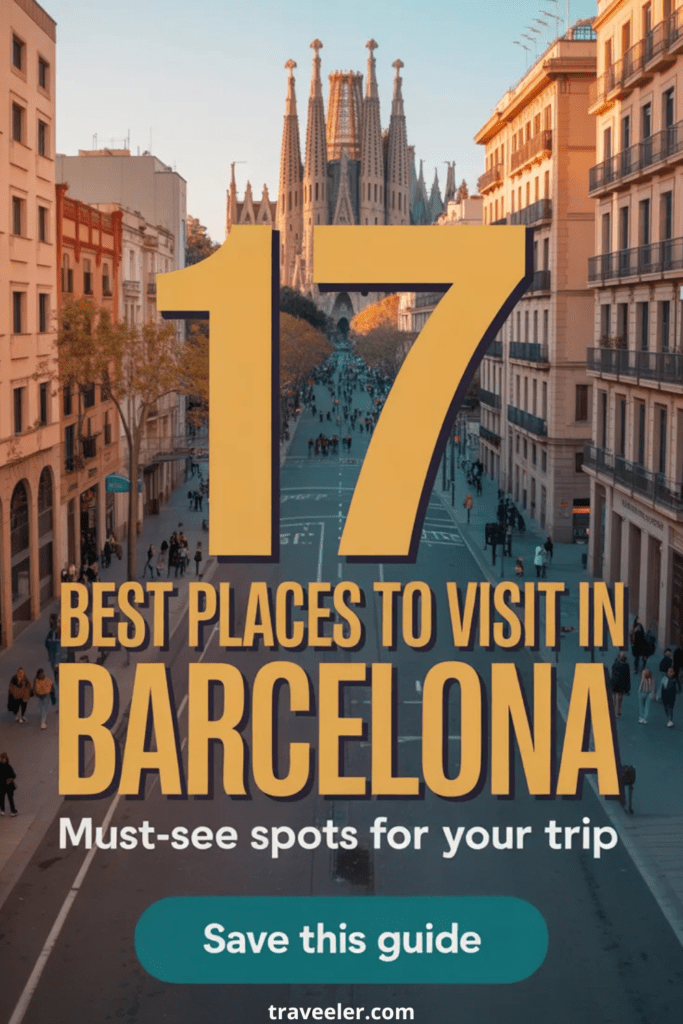
Quick Answer: The best places to visit in Barcelona include Sagrada Família, Park Güell, the Gothic Quarter, Passeig de Gràcia, and Montjuïc — but the city has 17 genuinely unmissable spots spread across architecture, beaches, markets, and hilltop viewpoints. Most top attractions require advance booking, especially in 2026 when Sagrada Família is finally nearing completion. Budget 4–5 days to cover the highlights without rushing.
Key Takeaways
- 🏛️ Sagrada Família is slated for completion in 2026 — making this the best year in history to visit
- 🎨 Park Güell requires timed entry tickets; book at least a week ahead in peak season
- 🚶 The Gothic Quarter is completely free to explore and rewards slow, aimless wandering
- 🌅 Bunkers del Carmel is the best free panoramic viewpoint in the city — no ticket needed
- 🍅 La Boqueria Market is best visited before 9 AM to beat the crowds
- 🏖️ Barceloneta Beach is walkable from the city center and free to access
- 🎭 Palau de la Música Catalana offers affordable self-guided tours of one of Europe’s most beautiful concert halls
- 💶 Many of Barcelona’s best experiences — beaches, viewpoints, squares, and street architecture — cost nothing
- 🗺️ The city’s neighborhoods (Gràcia, El Born, Eixample) are each worth a half-day on their own
- 📅 Spring (April–June) and early fall (September–October) offer the best weather with smaller crowds
Why Barcelona Belongs on Every Traveler’s Bucket List
Barcelona pulls in tens of millions of visitors every year — and for good reason. [1] The city stacks UNESCO World Heritage architecture next to sandy Mediterranean beaches, world-class food markets beside cutting-edge museums, and medieval alleyways a short walk from wide modernist boulevards. Whether you’re planning your first visit or your fifth, the best places to visit in Barcelona will surprise you with how much variety they pack into one compact, walkable city.
This guide covers all 17 spots worth your time, organized so you can plan efficiently. I’ve also included practical tips on tickets, timing, and where to stay so you’re not scrambling once you land.
If you’re planning a broader Spanish adventure, check out these must-see places in Spain that first-timers regret skipping before you finalize your itinerary.
The Best Places to Visit in Barcelona: Gaudí’s Masterpieces First
Antoni Gaudí’s work is the single biggest reason most people visit Barcelona, and it deserves its own section. His buildings aren’t just tourist attractions — they’re genuinely unlike anything else on earth.
1. Sagrada Família 🏛️
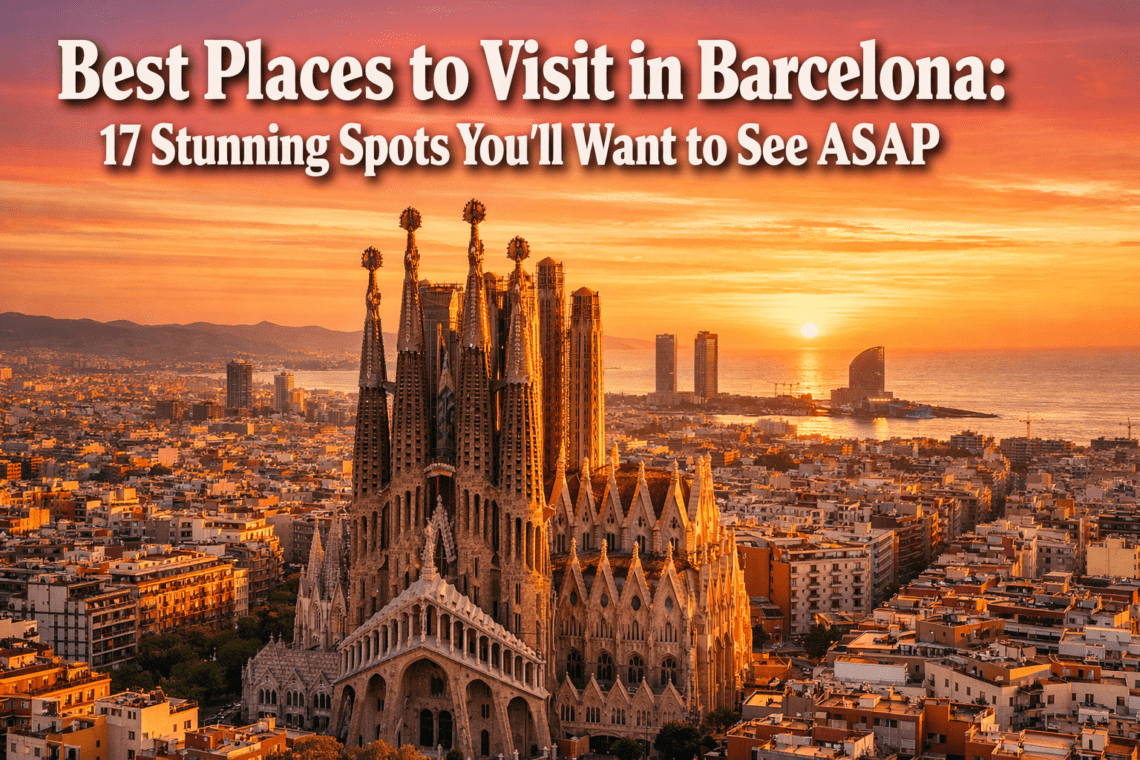
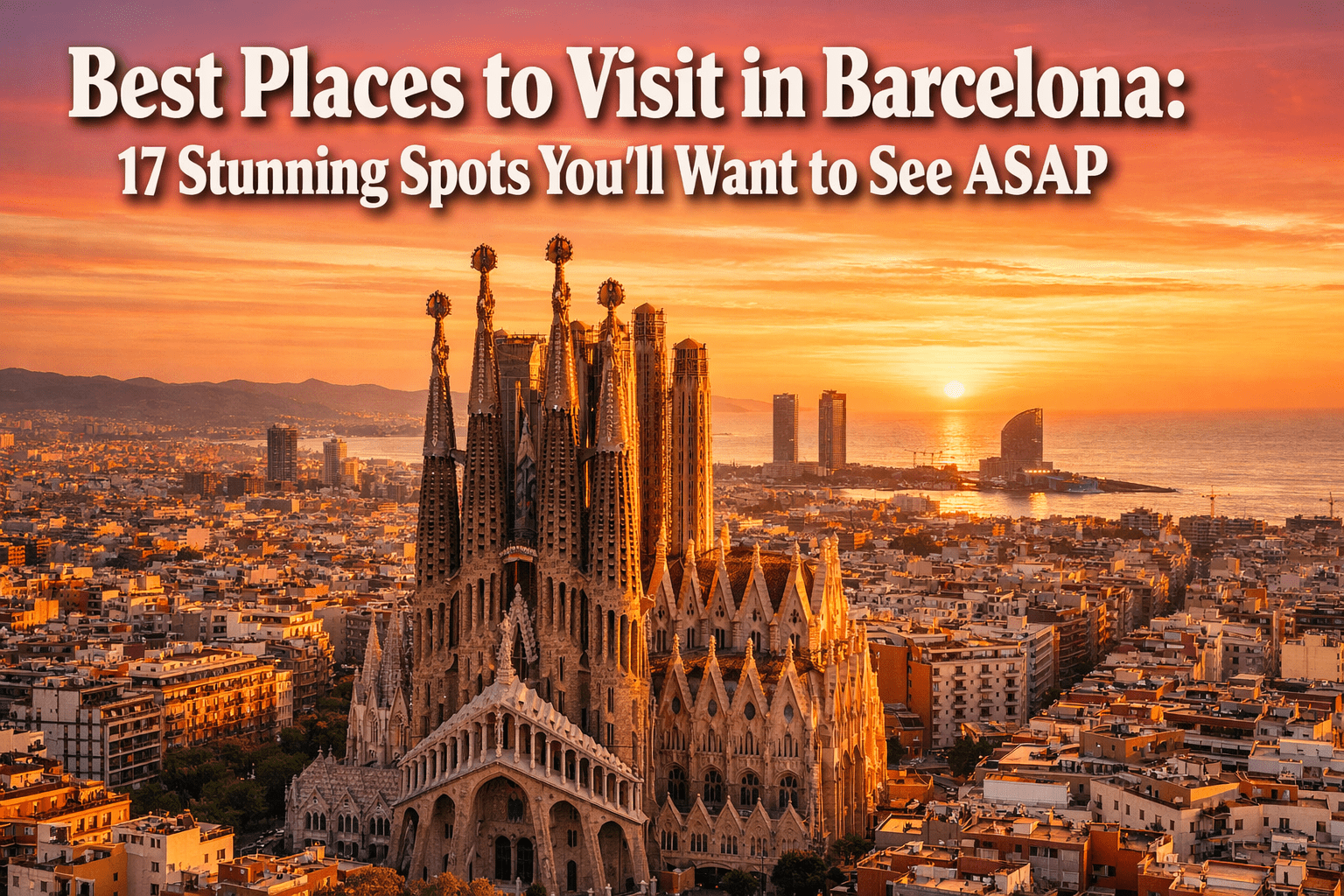
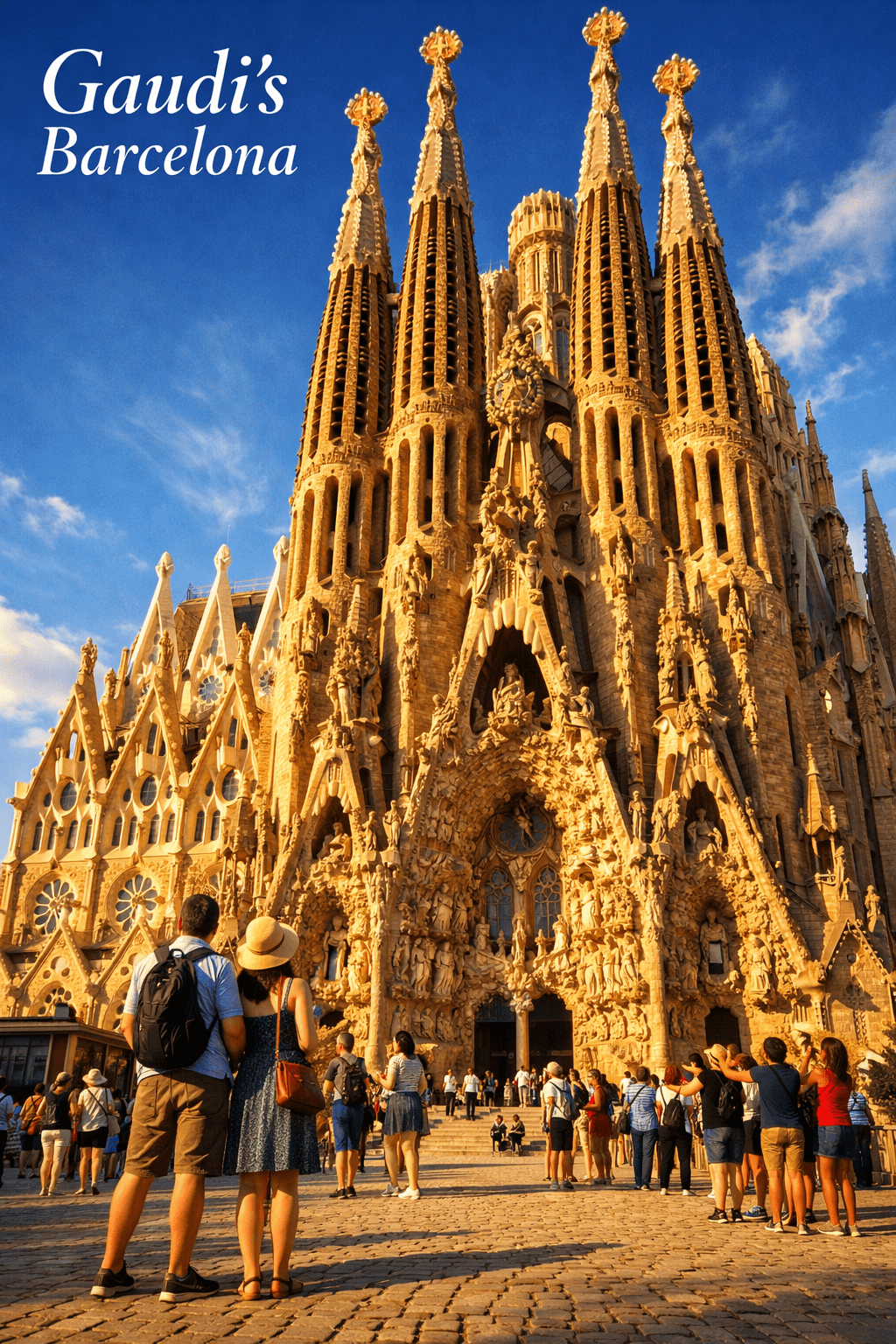
The undisputed crown jewel of Barcelona. Sagrada Família draws nearly 3 million visitors per year and is now approaching its long-awaited completion in 2026 — a milestone over 140 years in the making. [1][2] Gaudí began the project in 1883, and the final towers are being finished in his centenary year. Booking tickets online at least two weeks ahead is non-negotiable in high season. The interior, with its forest-like columns and stained glass flooding the nave in color, is as breathtaking as the facade.
- Tip: Pay for the tower elevator access — the views over the city are worth the extra cost
- Cost: From €26 for basic entry; tower access costs more
- Time needed: 1.5–2 hours minimum
2. Park Güell 🦎
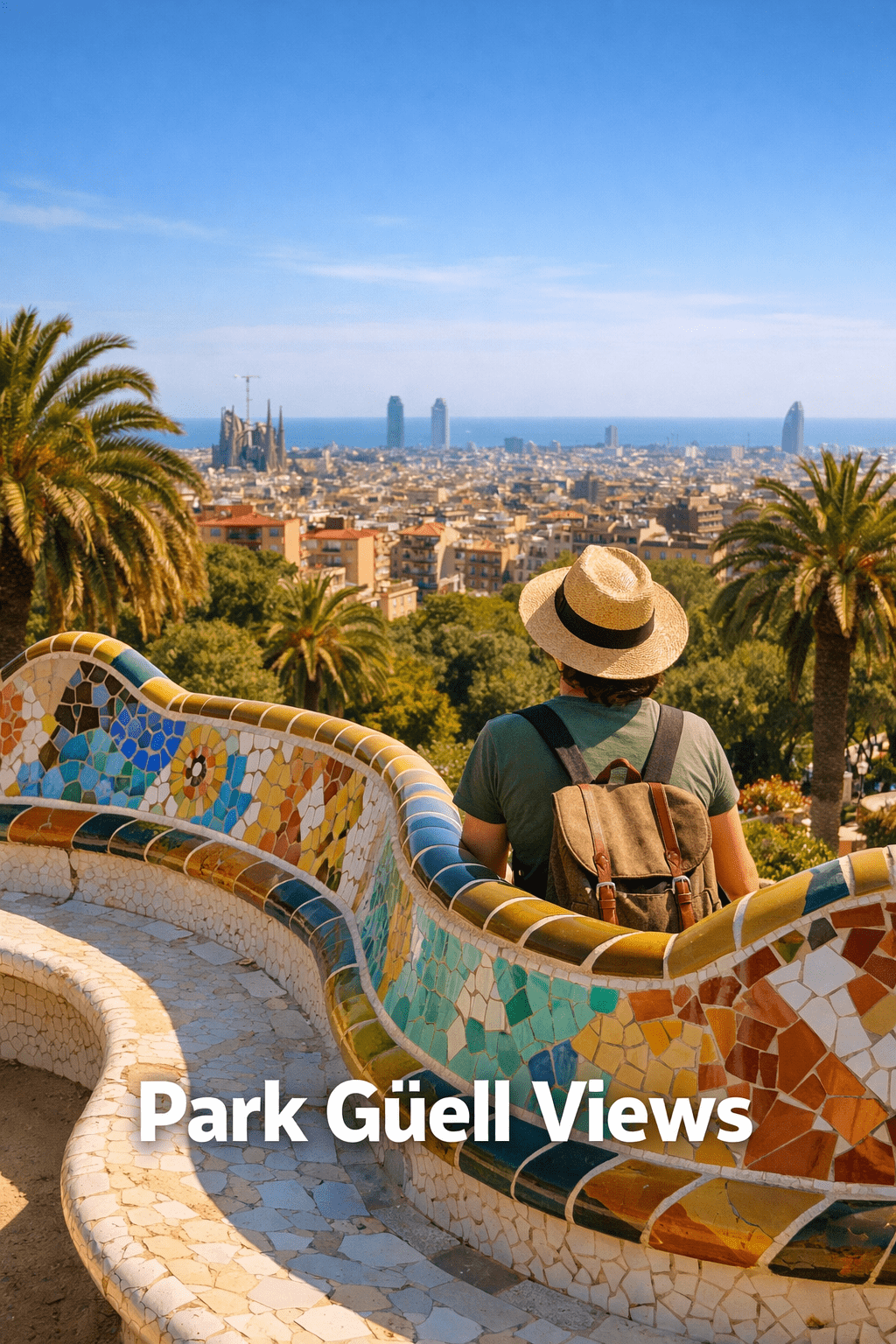
Park Güell consistently ranks among the top attractions in the city, and it earns that ranking. [1][4] The mosaic lizard at the entrance, the serpentine trencadís bench on the main terrace, and the gingerbread-style gatehouses are all iconic. The free zone of the park (outside the monumental core) is lovely for a stroll, but the paid Monumental Zone is where the real magic is. Go early morning or late afternoon for the best light and thinner crowds. [5]
- Cost: ~€10 for the Monumental Zone
- Best for: Architecture lovers, photographers, families
3. Casa Batlló & La Pedrera (Passeig de Gràcia) 🌊
Passeig de Gràcia is Barcelona’s grandest boulevard and home to two of Gaudí’s most famous residential buildings. [1] Casa Batlló’s dragon-scale roof and bone-like balconies are unforgettable, and La Pedrera (Casa Milà) has a rooftop terrace that feels like walking across a moonscape. Both offer evening experiences with light shows if you want something more theatrical.
Pro tip: Even if you don’t go inside, walking the length of Passeig de Gràcia is free and gives you facades of multiple UNESCO-listed buildings in one stroll.
4. Hospital de Sant Pau 🌸
Most visitors rush past this one on their way to Sagrada Família, which is a real shame. Hospital de Sant Pau is a UNESCO-listed Art Nouveau complex designed by Lluís Domènech i Montaner, and it looks more like a fairy-tale palace than a former hospital. [4] It’s quieter than Gaudí’s buildings and genuinely stunning. Budget about an hour here.
Historic Neighborhoods and Cultural Highlights
Barcelona’s neighborhoods are each distinct enough to feel like separate cities. The best places to visit in Barcelona aren’t just landmarks — they’re entire districts worth losing yourself in for an afternoon.
5. The Gothic Quarter (Barri Gòtic) 🏰
The Gothic Quarter is the oldest part of Barcelona and one of the best free experiences in the city. [1] Plaça del Rei is the best-preserved medieval square in Barcelona, dominated by the 14th-century Palau Reial Major. The narrow streets here date back to Roman times. Getting deliberately lost is the best strategy — every alley leads somewhere interesting.
- Best for: History buffs, solo travelers, anyone who loves wandering
- Cost: Free to explore; museum entries extra
6. El Born & Santa Maria del Mar ⛪
El Born is the trendiest neighborhood in the old city, packed with independent boutiques, wine bars, and the stunning Gothic church of Santa Maria del Mar. The church’s interior is unusually spare and elegant compared to Barcelona’s more ornate buildings — it’s a genuinely moving space. The Born Cultural Centre nearby has Roman ruins visible under a glass floor.
7. La Boqueria Market 🍓
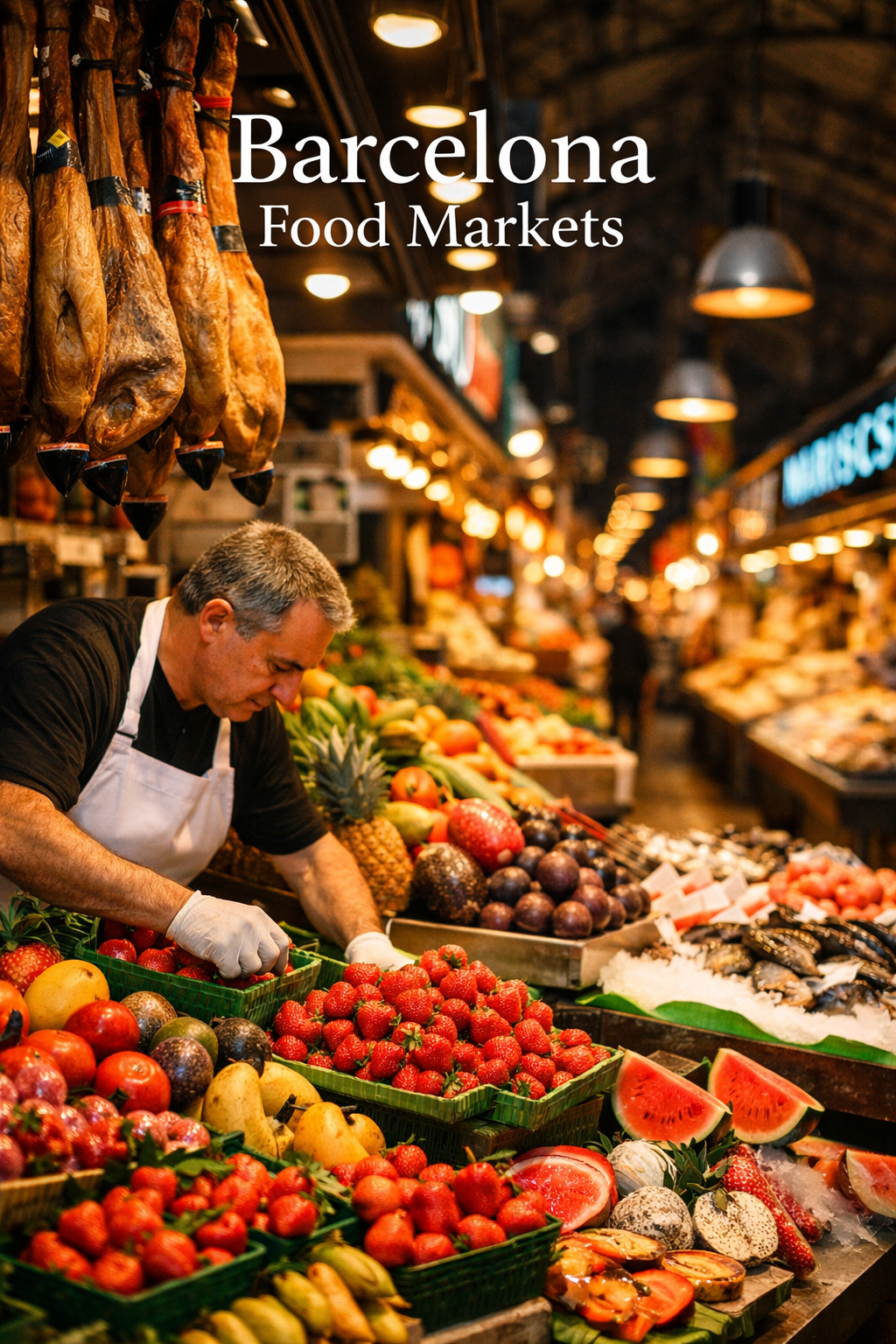
La Boqueria is Barcelona’s most famous food market, and it’s worth visiting despite its tourist reputation. [4] The key is timing: arrive around 8:30 AM to see the fishmongers at work and the stalls fully stocked before the crowds descend. Skip the prepared fruit cups near the entrance (overpriced) and head to the back where locals actually shop.
8. Picasso Museum 🎨
The Picasso Museum Barcelona is one of the most visited museums in Spain and benefits enormously from advance booking. [8] The collection focuses on Picasso’s early years and his connection to Barcelona, which gives it a personal quality that larger museums can’t match. The building itself — a series of medieval palaces in El Born — is worth seeing.
9. Palau de la Música Catalana 🎶
This UNESCO-listed concert hall designed by Domènech i Montaner is one of the most spectacular Art Nouveau buildings in the world. [6][8] The stained glass ceiling and sculpted stage are extraordinary. Self-guided tours are reasonably priced and the building’s balcony is one of the most photographed spots in the city. If you can catch a live concert here, do it.
For more European city inspiration, the hidden gems in Milan Italy guide covers a similarly architecture-rich destination worth adding to your trip.
Viewpoints, Hills, and Outdoor Spaces
10. Bunkers del Carmel 🌅
The best free viewpoint in Barcelona, full stop. The Bunkers del Carmel are the ruins of Civil War anti-aircraft batteries on a hilltop in the Carmel neighborhood, and the 360-degree views they offer are better than anything you’ll pay for. [4] Locals come here for sunset picnics. Bring snacks, a blanket, and arrive 45 minutes before sunset for the best experience.
11. Montjuïc Hill 🏔️
Montjuïc is an entire afternoon’s worth of activity on its own. [6] The hill holds:
| Attraction | Type | Cost |
|---|---|---|
| Montjuïc Castle | Historic fort + views | ~€5 |
| Joan Miró Foundation | Modern art museum | ~€14 |
| MNAC (National Art Museum) | Art + architecture | ~€12 |
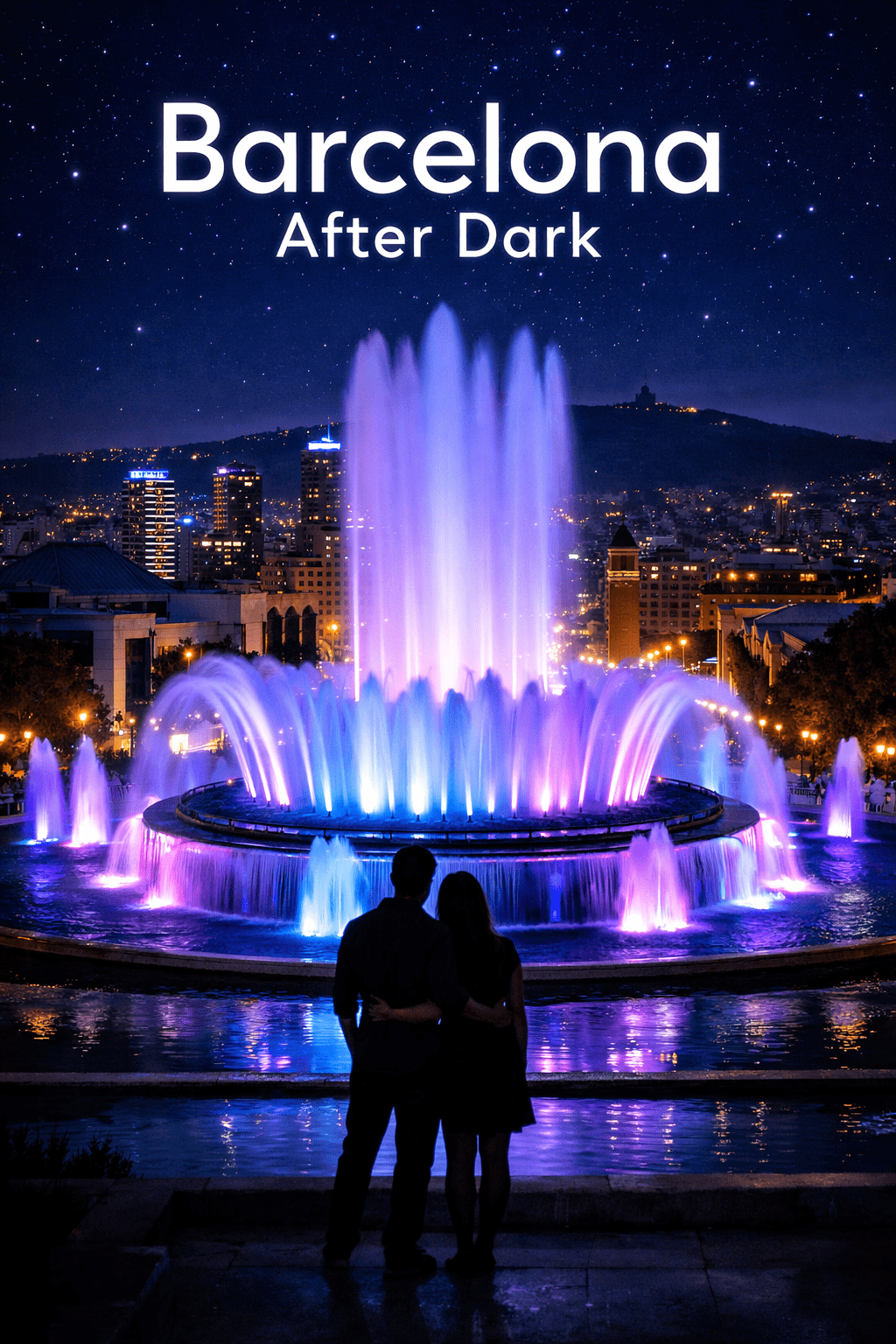
| Magic Fountain | Light show | Free |
| Poble Espanyol | Open-air village | ~€14 |
| Olympic Stadium | Sports history | Free to view |
Take the cable car up for dramatic views, then walk down through the gardens.
12. Barceloneta Beach & the Waterfront 🏖️
Barcelona’s beach is a 20-minute walk from the Gothic Quarter and completely free. Barceloneta is the main beach, though it gets crowded in summer. The waterfront promenade (Passeig Marítim) stretches for several kilometers and is perfect for an early morning run or evening stroll. Frank Gehry’s giant copper fish sculpture at the Port Olímpic end is a fun landmark.
13. Tibidabo Amusement Park & Church ⛪
Tibidabo sits on the highest hill overlooking Barcelona and offers the most dramatic city views of anywhere in the region. The hilltop church (Temple Expiatori del Sagrat Cor) is striking, and the vintage amusement park next to it is genuinely charming. The funicular ride up is part of the experience.
Day Trips and Hidden Finds Worth Your Time
14. Montserrat Abbey 🏔️
Montserrat is a mountain monastery about an hour from Barcelona by train and rack railway. [6] The jagged rock formations are unlike anything in the region, and the monastery itself has been a pilgrimage site for centuries. Go on a weekday to avoid weekend crowds from Barcelona. The hike to Sant Joan hermitage above the monastery takes about 45 minutes and rewards you with extraordinary views.
15. Gràcia Neighborhood 🌺
Gràcia is the village-within-a-city that many first-time visitors miss entirely. The neighborhood has its own distinct identity — independent cafes, colorful squares like Plaça del Sol and Plaça de la Vila de Gràcia, and a slower pace than the tourist-heavy old town. It’s also the neighborhood where Gaudí grew up, which gives it an interesting personal connection to his work.
16. El Raval & MACBA 🎭
El Raval is grittier and more multicultural than the Gothic Quarter next door, and that contrast is part of its appeal. The MACBA (Museum of Contemporary Art) is a striking Richard Meier building with a good permanent collection, and the square in front of it is a popular skateboarding spot. The neighborhood’s food scene — particularly along Carrer del Parlament — is excellent and less expensive than the tourist zones.
17. Camp Nou (FC Barcelona Stadium) ⚽
For football fans, Camp Nou is a pilgrimage site. The stadium tour covers the pitch, dressing rooms, and the club museum, which traces FC Barcelona’s history in impressive detail. Book ahead — tours sell out regularly. Even if you’re not a football fan, the scale of the stadium is genuinely impressive.
Where to Stay in Barcelona: Best Neighborhoods by Traveler Type
Choosing the right neighborhood makes a real difference to your Barcelona experience. Here’s a practical breakdown:
| Neighborhood | Best For | Price Range |
|---|---|---|
| Eixample | First-timers, Gaudí access, central location | €€–€€€ |
| Gothic Quarter | History lovers, walkability, atmosphere | €–€€€ |
| El Born | Boutique stays, nightlife, culture | €€–€€€ |
| Barceloneta | Beach access, seafood, summer vibe | €€–€€€ |
| Gràcia | Local feel, quieter, longer stays | €–€€ |
| Montjuïc area | Budget travelers, families | €–€€ |
Choose Eixample if you’re visiting for the first time and want easy walking access to Sagrada Família, Passeig de Gràcia, and the metro system.
Choose El Born if you want a neighborhood with great restaurants and bars that’s still close to the Gothic Quarter and Picasso Museum.
Choose Barceloneta if you’re visiting in summer and the beach is a priority.
For more hotel-finding strategies in European cities, the best hotels in Athens Greece guide covers a similar Mediterranean destination with useful booking tips.
Recommended Hotels by Budget
Budget (under €80/night):
- Alberg Hostel Itaca (Eixample) — clean, social, great location
- Hotel Lleó (Eixample) — reliable mid-budget option near Passeig de Gràcia
Mid-range (€80–€200/night):
- Hotel Arts Barcelona (Barceloneta) — stunning sea views, beachfront location
- Praktik Bakery Hotel (Eixample) — unique concept, excellent breakfast, central
Luxury (€200+/night):
- Hotel El Palace Barcelona (Eixample) — historic grandeur, rooftop pool
- W Barcelona (Barceloneta) — iconic sail-shaped tower, sea views
Practical Tips for Visiting Barcelona in 2026
Tickets and booking:
- Book Sagrada Família, Park Güell, and Casa Batlló at least 1–2 weeks ahead in spring and summer [2][8]
- The Barcelona Card covers unlimited metro travel and free or discounted entry to many museums
- Many museums offer free entry on the first Sunday of the month
Getting around:
- The metro is efficient and covers all major attractions
- Walking is genuinely viable between Gothic Quarter, El Born, Barceloneta, and Eixample
- Avoid taxis for short trips — they’re expensive compared to the metro
When to go:
- Best months: April–June and September–October (warm, manageable crowds)
- Avoid: August if possible (extreme heat, peak tourist density)
- Budget travelers: November–February offers the lowest prices, though some beach-related activities close
Safety note: Pickpocketing is common on Las Ramblas and in the Gothic Quarter. Keep bags in front of you and avoid obvious tourist behavior like holding maps in crowded areas.
If you’re considering solo travel, the solo travel in Spain guide covers everything from safety to logistics for independent travelers.
FAQ: Best Places to Visit in Barcelona
Q: How many days do I need in Barcelona?
A: Four to five days is the sweet spot for first-time visitors. Three days covers the major highlights if you’re efficient; a week lets you explore neighborhoods and take a day trip to Montserrat.
Q: Is Barcelona expensive?
A: Moderately. Major attractions cost €10–€30 each, but many of the best experiences (beaches, viewpoints, neighborhood wandering) are free. Meals at local restaurants away from tourist zones are very affordable.
Q: What’s the best free thing to do in Barcelona?
A: Bunkers del Carmel for views, walking the Gothic Quarter, and watching the Magic Fountain show at Montjuïc (free on weekends). [3][4]
Q: Is Sagrada Família worth visiting in 2026?
A: Absolutely — 2026 is the year the basilica is expected to reach completion, making it a uniquely historic time to visit. [1][2]
Q: Can I visit Barcelona on a budget?
A: Yes. Free beaches, free viewpoints, free neighborhood exploration, and first-Sunday museum access make it very manageable. Budget around €50–€70 per day for accommodation, food, and one paid attraction.
Q: Is Las Ramblas worth visiting?
A: Las Ramblas is worth a single walk-through for context, but it’s heavily touristed and overpriced. The parallel streets of El Raval and the Gothic Quarter are far more interesting.
Q: What’s the best neighborhood to stay in for first-timers?
A: Eixample. It’s central, well-connected by metro, close to Gaudí’s buildings, and has excellent dining options at every price point.
Q: Do I need to speak Spanish in Barcelona?
A: No. English is widely spoken in tourist areas. Catalan is the local language, and a simple “gràcies” (thank you in Catalan) goes a long way with locals.
Q: What’s the best day trip from Barcelona?
A: Montserrat is the most popular and genuinely worth it. [6] Sitges (a charming coastal town 40 minutes away) is a great alternative for beach lovers.
Q: Is Barcelona good for solo female travelers?
A: Generally yes — it’s a busy, well-lit city with good public transport. The usual urban precautions apply. For broader guidance, see this guide to the best places for solo female travel.
Conclusion: Plan Your Barcelona Trip With Confidence
Barcelona rewards every type of traveler — architecture obsessives, beach lovers, food enthusiasts, history nerds, and anyone who just wants to wander beautiful streets without a plan. The 17 spots in this guide range from world-famous landmarks to quiet neighborhood squares, and together they give you a genuinely complete picture of what makes this city special.
Your action plan:
- Book Sagrada Família tickets first — everything else can wait, but this one sells out weeks ahead
- Pick your neighborhood based on your travel style (Eixample for first-timers, El Born for atmosphere)
- Build in free time for wandering Gràcia, sitting in a square, and eating wherever looks good
- Add Montserrat as a day trip if you have 5+ days
- Go in spring or early fall if your dates are flexible
For more European inspiration, the what to see in Barcelona Spain fall in love guide digs deeper into the city’s neighborhoods and hidden corners. And if you’re building a broader Spain itinerary, the 15 must-see places in Spain guide is the logical next read.
Barcelona doesn’t just meet expectations — it tends to exceed them. Start planning, book those tickets, and go.
References
[1] D562 – https://www.viator.com/Barcelona/d562
[2] Top Things To Do In Barcelona This Year – https://thetourguy.com/travel-blog/spain/barcelona/top-things-to-do-in-barcelona-this-year/
[3] Watch – https://www.youtube.com/watch?v=j_oqCo1dQQY
[4] Best Things To Do In Barcelona Ultimate Guide 2026 – https://barcelonaactivityguide.com/blog/best-things-to-do-in-barcelona-ultimate-guide-2026
[5] Best Things To Do In Barcelona – https://barcelonahacks.com/best-things-to-do-in-barcelona/
[6] Things To Do – https://www.barcelona-life.com/barcelona/things-to-do
[8] Attractions G187497 Activities Barcelona Catalonia – https://www.tripadvisor.com/Attractions-g187497-Activities-Barcelona_Catalonia.html