


Quick Answer: Kona, on the leeward (western) side of Hawaii’s Big Island, is the best base for first-time visitors. It offers consistent sunshine, easy airport access, world-class snorkeling, coffee farm tours, and proximity to volcanic landscapes. Plan at least 5–7 days to see the highlights without rushing.
Key Takeaways
- Kona sits on the sunny, dry western coast — ideal for beach days and water activities year-round
- Fly into Ellison Onizuka Kona International Airport (KOA) for direct access to the Kona district [1]
- Rent a car — public transport is limited and the island’s best spots require driving [2]
- Top experiences include manta ray night snorkeling, Kealakekua Bay, Volcanoes National Park, and Puʻuhonua o Hōnaunau [1]
- The Kohala Gold Coast (north of Kona) has the Big Island’s finest resort beaches, including Hapuna Beach [1]
- Budget for rising costs in 2026 — new tourist fees and higher prices are affecting repeat visitors [3]
- New hotel openings, restaurants, and direct flights from California are expanding options in 2026 [5]
- A rental car lets you drive from Kona to Hilo in about 2 hours via the northern route [1]
When Is the Best Time to Visit Kona, Hawaii?
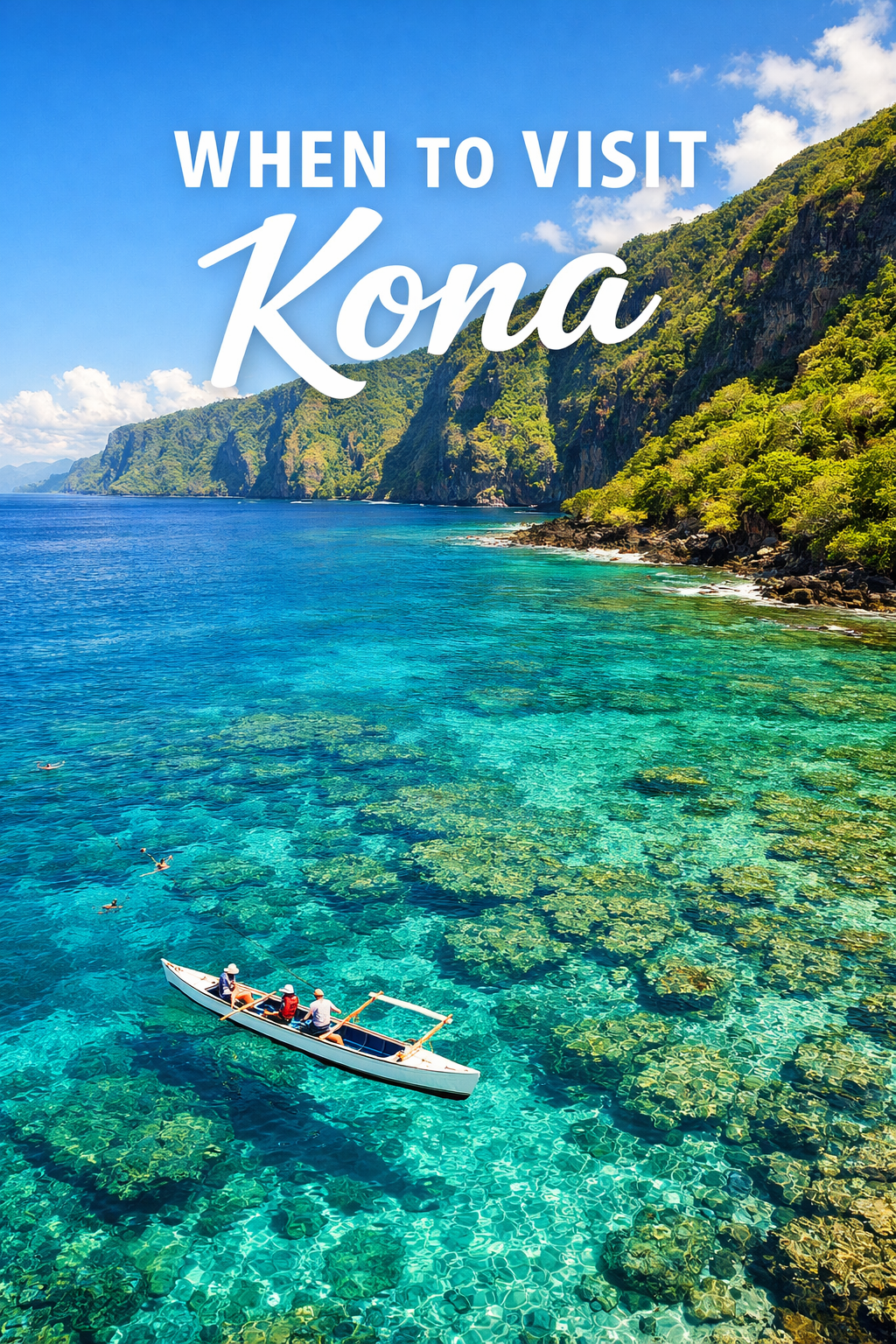
Kona is a year-round destination, but the sweet spot for most travelers is April through June or September through November. These shoulder seasons offer warm weather, smaller crowds, and slightly lower prices compared to peak summer and holiday periods.
Seasonal breakdown:
| Season | Months | What to Expect |
|---|---|---|
| Peak | Dec–Jan, Jun–Aug | Crowds, higher prices, holiday energy |
| Shoulder | Apr–Jun, Sep–Nov | Great weather, fewer tourists, better rates |
| Rainy season | Nov–Mar | More rain, but still mostly sunny on the Kona side |
The leeward Kona coast stays warm and mostly clear year-round because the mountains block trade wind rain. [1] Winter months (December–February) can bring larger surf and stronger currents, so check beach conditions before swimming, especially on the Kohala Coast. [1]
Common mistake: Assuming “rainy season” means constant rain in Kona. The windward (Hilo) side gets the heavy rainfall. Kona typically sees brief afternoon showers at most.
Where to Stay: Kona, Kohala, or Somewhere Else?
For most visitors, staying in or near Kailua-Kona town gives the best balance of convenience, dining, and beach access. The Kohala Gold Coast (about 30 minutes north) is the place to go if you want a luxury resort experience.
Choose your base by travel style:
- Kailua-Kona town: Best for budget to mid-range travelers, walkable restaurants and shops, easy access to snorkeling and coffee farms
- Kohala Gold Coast: Best for luxury seekers — home to world-class five-star resorts, Hapuna Beach, and Mauna Kea Beach [1]
- South Kona: Quieter, closer to Puʻuhonua o Hōnaunau and coffee country — good for travelers who want a slower pace
- Hilo (east side): Lush, rainy, and very different in character — better for waterfall and rainforest lovers, but a 2-hour drive from Kona’s beaches [1]
Pro tip: If this is your first Big Island trip, base yourself in Kailua-Kona. You can day-trip to Volcanoes National Park, Hilo, and the Kohala Coast from there without switching hotels.
For inspiration on planning a full Hawaii trip, check out The Only Hawaii Travel Guide You Need for broader island context.
What Are the Top Things to Do in Kona, Hawaii?

Kona packs an impressive range of activities into a relatively compact area. The best experiences mix ocean adventures, cultural history, and the island’s famous coffee scene.
Must-do activities in the Kona district:
- Snorkel at Kealakekua Bay — One of Hawaii’s top snorkeling spots, with calm water, abundant fish, and frequent spinner dolphin sightings [1]
- Manta ray night snorkel — Widely considered one of the most memorable Big Island experiences; manta rays gather near lights off the Kona coast after dark [1][2]
- Visit Puʻuhonua o Hōnaunau National Historical Park — An important Hawaiian cultural site (Place of Refuge) with carved ki’i (wooden statues) and ancient fishponds [1]
- Tour a Kona coffee farm — Kona coffee is among the world’s most prized; farms like Mountain Thunder and Greenwell offer free or low-cost tastings
- Drive to Volcanoes National Park — About 2 hours south of Kona, Kīlauea Volcano is an active, awe-inspiring site worth a full day [2]
- Spend a day at Hapuna Beach — Wide white sand, clear water, and stunning views on the Kohala Gold Coast [1]
- Explore Kailua-Kona town — Waterfront dining, local shops, and the historic Huliheʻe Palace and Mokuaikaua Church
Edge case: If you’re visiting in 2026, check the Hawaii Tourism Authority for any updated park access or beach advisories, as conditions can change. [4]
Manta Ray Night Snorkeling: Is It Worth It?
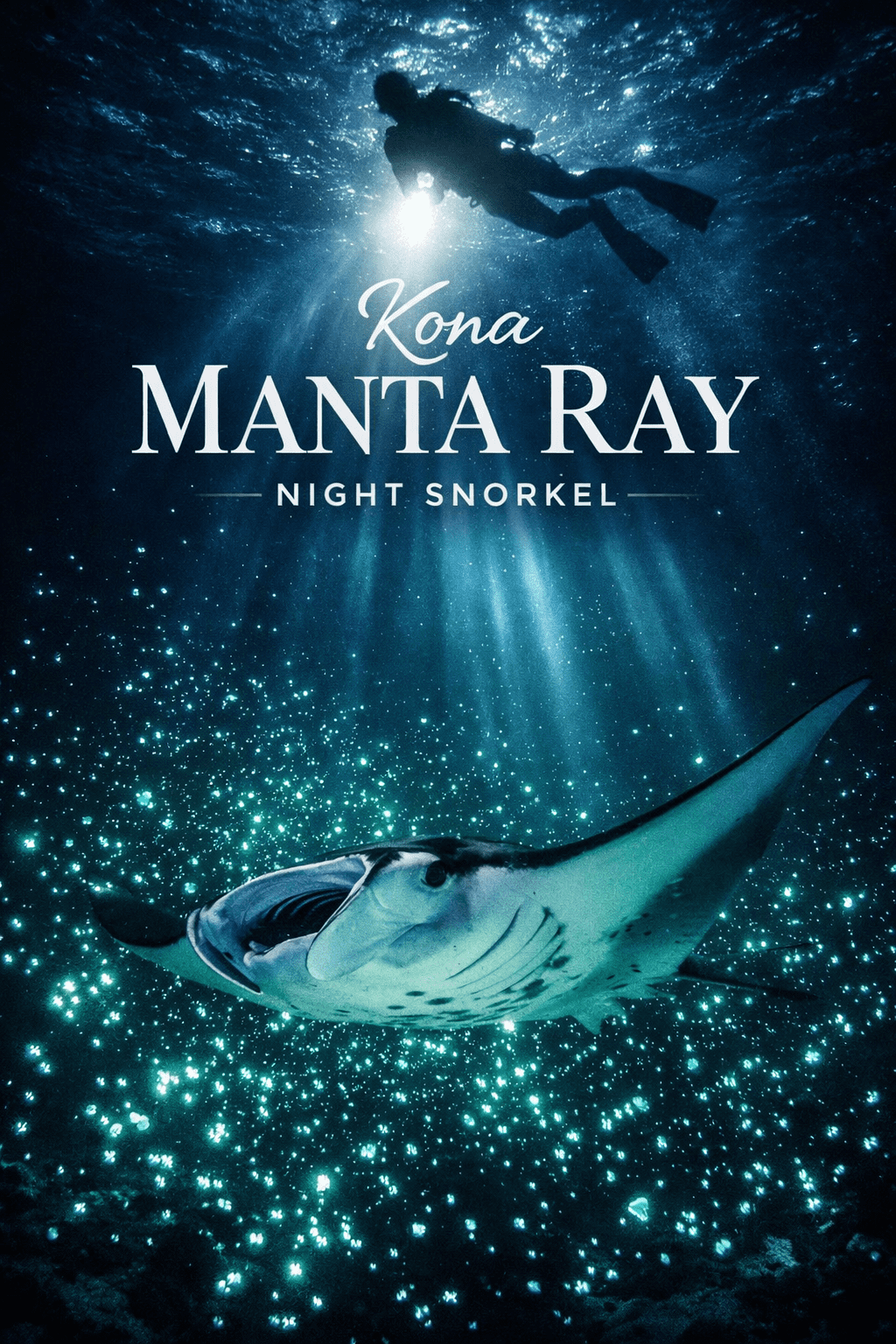
Yes — manta ray night snorkeling off the Kona coast is genuinely one of the most extraordinary wildlife experiences in the United States. Manta rays are attracted to lights that draw plankton, and operators position snorkelers on the surface while the rays glide just below. [1][2]
What to know before you book:
- Tours typically last 2–3 hours, including boat travel and water time
- No diving certification needed for snorkeling tours; scuba options are also available
- Sightings are common but not guaranteed — most operators have high success rates
- Book in advance, especially during peak season (December and summer months)
- Choose operators who follow responsible wildlife guidelines (no touching the rays)
Cost estimate: Snorkel tours generally run $80–$130 per person (estimate based on typical operator pricing as of 2026; confirm directly with operators).
This is a great activity for couples trips and family travel alike — kids who are comfortable in the water tend to love it.
How to Get Around Kona and the Big Island
Renting a car is the single most important logistical decision for a Big Island trip. There is no meaningful public transit system connecting Kona’s major attractions, and rideshare options are limited outside of town. [2]
Getting around, step by step:
- Book a rental car before you arrive — KOA airport has major rental agencies on-site; prices rise closer to your travel date
- Drive north for beaches and resorts — The Kohala Coast is 25–35 miles north of Kona town
- Drive south for culture and volcanoes — Puʻuhonua o Hōnaunau is about 20 miles south; Volcanoes National Park is roughly 95 miles south
- Cross to Hilo via the northern route — Approximately 2 hours and passes through the scenic Hamakua Heritage corridor [1]
- Or take Saddle Road (Highway 200) — About 1.5 hours to Hilo, but you’ll miss the coastal scenery [1]
Common mistake: Underestimating drive times. Roads are scenic but not always fast. Add buffer time for stops, especially on the southern route to Volcanoes National Park.
For packing the right gear for a driving-heavy trip, see this travel essential list and packing guide.
What Does a Kona Hawaii Travel Guide Budget Look Like in 2026?
Kona is not a budget destination, and 2026 has brought additional costs including new tourist fees and higher accommodation prices. [3][5] That said, you can manage expenses with some planning.
Estimated daily costs per person (2026):
| Category | Budget | Mid-Range | Luxury |
|---|---|---|---|
| Accommodation | $80–$130 | $200–$350 | $500+ |
| Food | $30–$50 | $60–$100 | $150+ |
| Activities | $20–$40 | $80–$150 | $200+ |
| Car rental | $50–$80/day (shared) | $80–$120/day | $120+/day |
Ways to save:
- Visit shoulder season (April–June or September–November)
- Book accommodation and car rental 3–6 months ahead
- Pack snacks and lunches for beach and park days
- Look for free or low-cost beaches (many of Kona’s best are free to access)
- Coffee farm tastings are often free or included with a tour
“Tourism is slowing with fewer visitors and higher costs, though people still want to visit Kona for Christmas and special occasions.” [3]
If you’re looking for ways to stretch your travel dollar further, cheap U.S. vacations under $500 has some creative ideas for comparison.
What’s New in Kona for 2026?
2026 is bringing genuine changes to the Big Island visitor experience. New hotel openings, additional restaurants, and new direct flights from California are expanding access and options for travelers. A new luau show is also among the upcoming visitor offerings. [5]
Key 2026 updates:
- New direct flight routes from California to KOA make getting there easier [5]
- New hotel properties are opening on the island, adding more accommodation choices [5]
- A new tourist tax is now in effect — factor this into your accommodation budget [3]
- Downtown Kona businesses are in flux, with some closures and new openings — check current reviews before planning specific restaurant visits [3]
For a broader look at what’s changing across the Hawaiian islands this year, Travel Weekly’s Hawaii New for Visitors 2026 has a solid overview. [5]
Practical Tips for Your Kona Hawaii Travel Guide Checklist

A few practical details make a big difference between a smooth trip and an avoidable headache.
Before you go:
- Book your rental car and accommodation early — inventory tightens fast for peak dates
- Pack reef-safe sunscreen (Hawaii law requires it, and it protects coral reefs)
- Download offline maps — cell service can be spotty in rural and park areas
- Check the Hawaii Tourism Authority for any current alerts or park closures [4]
While you’re there:
- Respect the ocean — check surf reports daily and heed posted warnings
- Don’t remove lava rocks or sand (it’s considered bad luck locally and is actually illegal in some areas)
- Tip generously — service industry workers in Hawaii face high living costs
- Try local plate lunch spots over tourist-facing restaurants for better value and flavor
For first-time flyers or travelers new to island logistics, this first time in airplane guide covers everything from check-in to landing.
If Kona has you dreaming about other island destinations, our Honolulu Hawaii things to do guide is a great companion for planning a multi-island trip.
FAQ: Kona Hawaii Travel Guide
How many days do I need in Kona?
Five to seven days is ideal for first-time visitors. This gives you time for beaches, a day at Volcanoes National Park, snorkeling, and a coffee farm tour without feeling rushed.
Is Kona safe for tourists?
Yes, Kona is generally very safe for tourists. Standard travel precautions apply — don’t leave valuables in your rental car and be cautious in the ocean.
Do I need a 4WD vehicle in Kona?
No, for most Kona-area activities a standard rental car works fine. A 4WD is only useful if you plan to drive on unpaved roads to remote beaches or summit areas.
What airport do I fly into for Kona?
Fly into Ellison Onizuka Kona International Airport (KOA), which sits directly on the Kona coast and is the most convenient entry point for the western side of the Big Island. [1]
Can I see active lava in Kona?
Not in Kona itself. Kīlauea Volcano is in Hawaii Volcanoes National Park, about 2 hours south of Kona. Lava viewing depends on current volcanic activity — check the USGS Hawaiian Volcano Observatory for real-time updates.
Is Kona good for families?
Yes. Calm snorkeling bays, cultural parks, coffee farm tours, and accessible beaches make Kona a solid family destination. The manta ray snorkel is a particular hit with older kids.
What’s the difference between Kona and the Kohala Coast?
Kona (centered on Kailua-Kona town) is more commercial and accessible. The Kohala Gold Coast, about 30 minutes north, is where the luxury resorts and some of the island’s best white-sand beaches are located. [1]
Is it worth visiting both Kona and Hilo on the same trip?
Yes, if you have 7+ days. They’re very different in character — Kona is sunny and resort-oriented; Hilo is lush, rainy, and more local in feel. The drive between them is scenic and manageable.
What should I eat in Kona?
Try poke bowls, plate lunches, shave ice, fresh fish tacos, and of course Kona coffee. Local farmers markets are a great way to sample fresh tropical fruit.
Are there budget accommodation options in Kona?
Yes — vacation rentals, smaller guesthouses, and a few budget hotels exist in Kailua-Kona town. Staying slightly outside the main tourist corridor can also reduce costs.
Conclusion
Kona is one of those places that earns its reputation. The combination of consistent sunshine, dramatic volcanic scenery, world-class snorkeling, and rich Hawaiian culture makes it genuinely hard to beat as a Pacific island destination. Whether you’re planning a couples trip, a family vacation, or a solo travel adventure, this Kona Hawaii travel guide gives you everything you need to plan smart.
Your actionable next steps:
- Lock in your flights to KOA and book your rental car as early as possible
- Choose your base (Kailua-Kona for flexibility, Kohala for luxury)
- Book the manta ray night snorkel and Kealakekua Bay tour in advance
- Set aside a full day for Volcanoes National Park
- Budget for 2026’s new fees and higher costs so there are no surprises
- Pack reef-safe sunscreen, download offline maps, and go enjoy one of the world’s great island destinations
References
[1] Hawaii Big Island Travel Guide – https://thehawaiivacationguide.com/hawaii-big-island-travel-guide/
[2] Big Island Guide – https://bigislandguide.com
[3] Living on the Big Island: Our 2026 Predictions – https://www.youtube.com/watch?v=w4CxIDKHrUc
[4] Kona Low Storm System Guide March 2026 Update 3 – https://www.hawaiitourismauthority.org/news/alerts/kona-low-storm-system-guide-march-2026-update-3/
[5] Hawaii New For Visitors 2026 – https://www.travelweekly.com/Hawaii-Travel/hawaii-new-for-visitors-2026