
Last updated: November 6, 2026
Quick Answer
Learning how to travel cheap comes down to three moves: book flights with flexible dates and fare alerts, choose budget-friendly lodging like hostels or longer-stay rentals, and eat where locals eat instead of tourist zones. Combine shoulder-season timing with public transit and you can cut a trip’s total cost by a third or more without sacrificing much comfort.
Key Takeaways
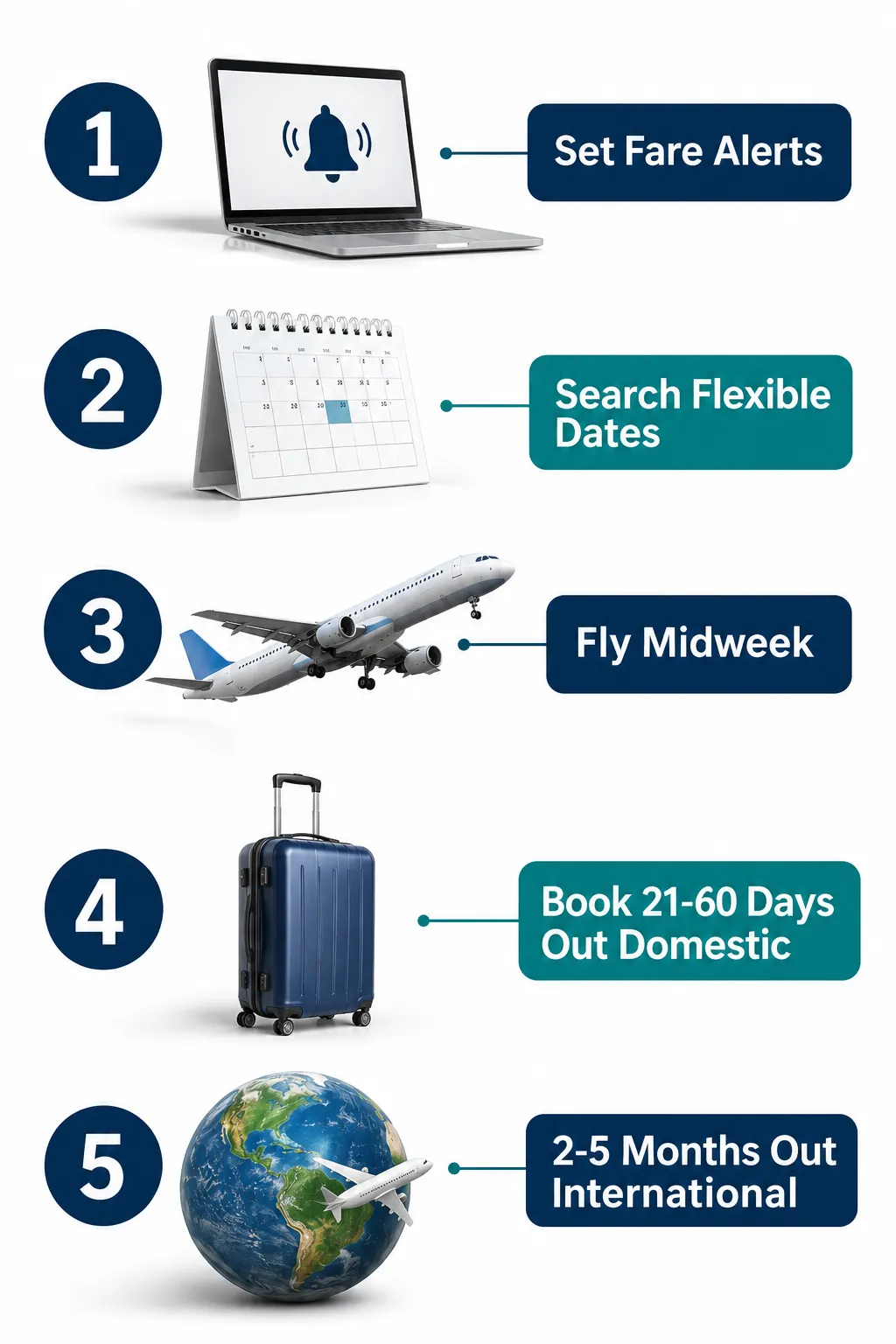
- Flying midweek instead of on weekends can save domestic travelers around $90 per ticket and international travelers around $140, according to WalletHub’s 2026 budget travel guide.
- Domestic flights usually hit their lowest prices 21 to 60 days before departure, while international fares often bottom out 2 to 5 months ahead, per PocketGuard’s 2026 guidance.
- Shoulder season travel can run roughly 20% cheaper on flights and hotels compared to peak periods.
- A cheaper hotel on the outskirts isn’t always a deal once you add transit or parking costs.
- Hostels, guesthouses, and longer-stay rentals remain the most reliable ways to cut lodging costs.
- Budget airlines save money upfront but add fees fast, so compare total cost, not just base fare.
- Public buses and trains can save at least $50 compared to taxis or private transfers on many trips.
I once spent more on taxis during a four-day trip than I did on my actual hotel room. That mistake taught me the real skill in budget travel isn’t finding one big discount. It’s stacking a dozen small smart choices until they add up to serious savings.
This guide breaks down exactly how to travel cheap on flights, stays, and food, with specific numbers and sources so you’re not guessing.
What’s the cheapest month to travel and why
The cheapest months to travel are usually during shoulder season, the weeks just before or after a destination’s peak tourist months. Airlines and hotels drop prices because demand dips, even though weather is often still decent.
Shoulder season travel can be roughly 20% cheaper on flights and lodging compared to peak weeks, according to Yahoo Travel’s 2026 reporting and PocketGuard’s cost breakdown.
- Choose late spring or early fall for most of Europe and the US.
- Avoid major holidays and school break windows, which spike demand everywhere.
- Edge case: tropical destinations sometimes have a “green season” that’s cheap but rainier, so check the trade-off before booking.
Mistake to avoid: assuming January is automatically cheap everywhere. Some destinations, like ski towns, actually peak in winter.
How do I find really cheap flights
You find cheap flights by searching flexible date ranges, setting fare alerts, and booking within the ideal pricing window for your route type. This beats scrambling for last-minute deals, which are rarely the bargain people think they are.
Recent guidance from The Points Guy and Going both recommend searching a few days before and after your target dates, then setting alerts so you can pounce when prices dip.
Here’s the booking window that tends to work best:
- Domestic flights: book 21 to 60 days before departure.
- International flights: book 2 to 5 months out.
- Some European routes: watch closely around the 90-day mark, per PocketGuard.
Choose flexible date search if your travel window spans more than a week. If your dates are locked, fare alerts become your best tool instead. For more specific flight-finding strategies, check out this guide on where to find cheap flights.
Budget airlines vs full service carriers, which is cheaper
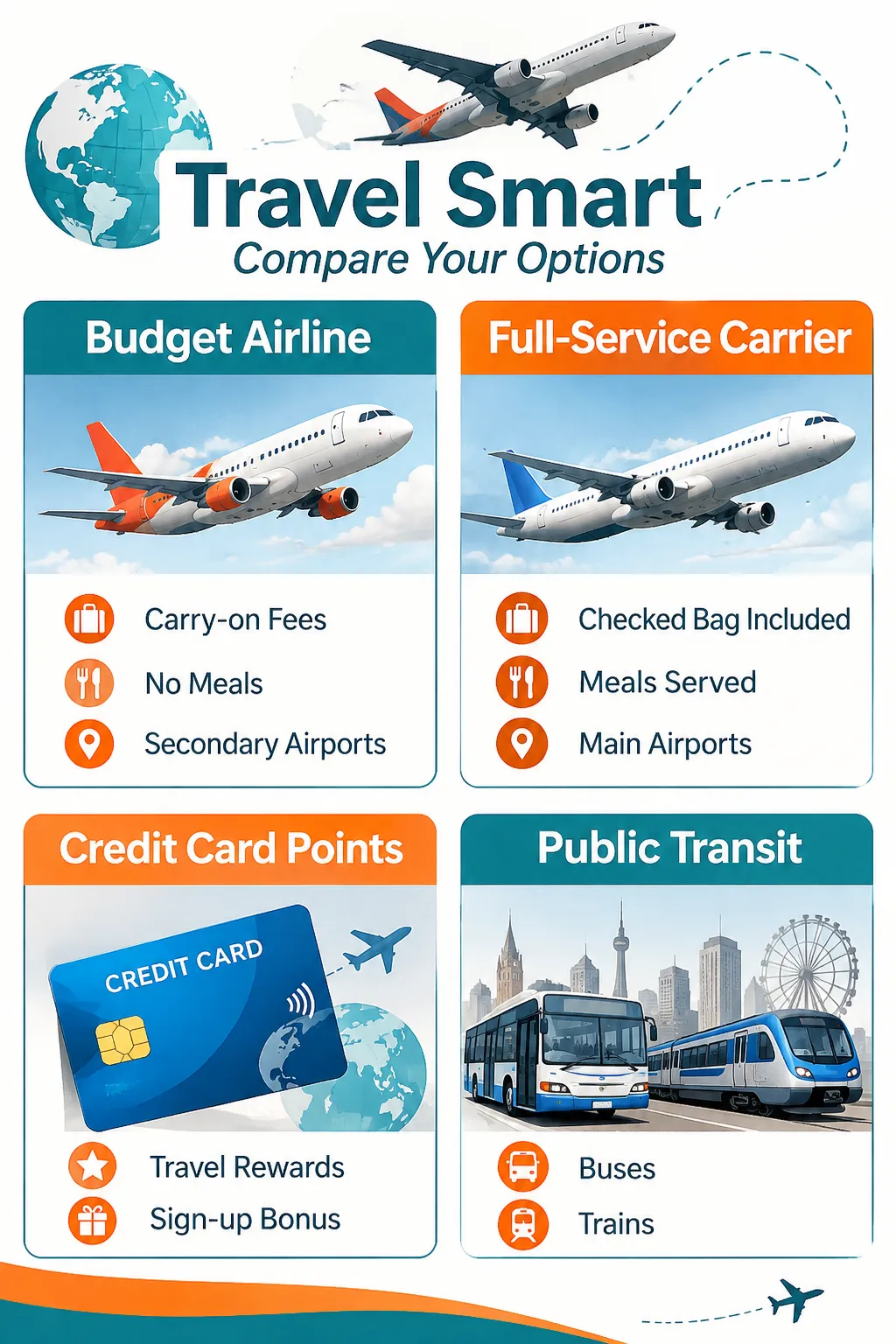
Budget airlines are usually cheaper on the base fare, but full-service carriers can end up similar in total cost once you add bags, seat selection, and meals. The right choice depends on how much luggage and flexibility you actually need.
Pick a budget airline if you’re traveling light with just a personal item or small carry-on. Pick a full-service carrier if you’re checking a bag, need a specific seat, or want built-in flexibility for changes.
Common mistake: booking the “cheap” budget fare, then paying $60 to $100 in add-on fees that erase the savings. Always add up the real total before comparing.
How do I avoid hidden fees and extra charges
You avoid hidden fees by reading the full fare breakdown before booking and packing light enough to skip baggage charges. Airlines and some hotels are notorious for advertising a low headline price that balloons at checkout.

- Check baggage, seat selection, and payment processing fees before confirming any flight.
- Ask hotels directly about resort fees or city taxes that don’t show up in the online price.
- Call hotels directly to ask about discounts for students, government employees, or AAA members, a tactic Fidelity’s 2026 guide still recommends.
- Watch for dynamic currency conversion at checkout abroad, which usually charges a worse exchange rate.
Edge case: some budget airlines charge more for carry-ons than checked bags. Always compare both before packing.
Hostels vs Airbnb for budget travelers
Hostels tend to be cheaper per night and better for solo travelers who want a social vibe, while Airbnb-style rentals make more sense for groups or longer stays where splitting a kitchen and living space adds up to savings.
Choose a hostel if you’re traveling solo, want to meet people, and don’t mind sharing a room. Choose a rental if you’re traveling with three or more people, staying a week or longer, or want to cook most meals yourself.
Lonely Planet’s budget travel advice notes that rental owners often discount longer bookings, so a week-long stay can be far more economical per night than booking just two or three nights. For solo travelers specifically, this solo travel budget guide has more targeted ideas.
Mistake to avoid: picking lodging purely on nightly rate without checking location. A hotel $25 cheaper per night can still cost more overall if transit or parking adds $35 a day, according to Yahoo Travel’s 2026 analysis.
Can families realistically travel cheap
Yes, families can travel cheap, but it takes more planning around lodging type, meal strategy, and off-peak timing than solo trips do. The biggest lever for families is usually accommodation with a kitchen, since eating out for four people adds up fast.
- Book rentals with kitchens instead of hotel rooms to cut food costs.
- Travel during school shoulder periods when possible, like right after the school year ends or right before it starts.
- Look at destinations with naturally lower costs, like the ones in this roundup of shockingly cheap US vacations.
- Check the family travel category for more destination-specific budget ideas.
Choose all-inclusive resorts if your family wants predictable costs with no surprises. Choose self-catered rentals if you want more control and typically lower total spend.
Cheapest places to eat when traveling
The cheapest places to eat when traveling are usually street food stalls, local markets, and grocery stores, not restaurants in tourist-heavy zones. Prices at a restaurant two blocks from a major landmark are almost always inflated compared to the same dish a short walk away.
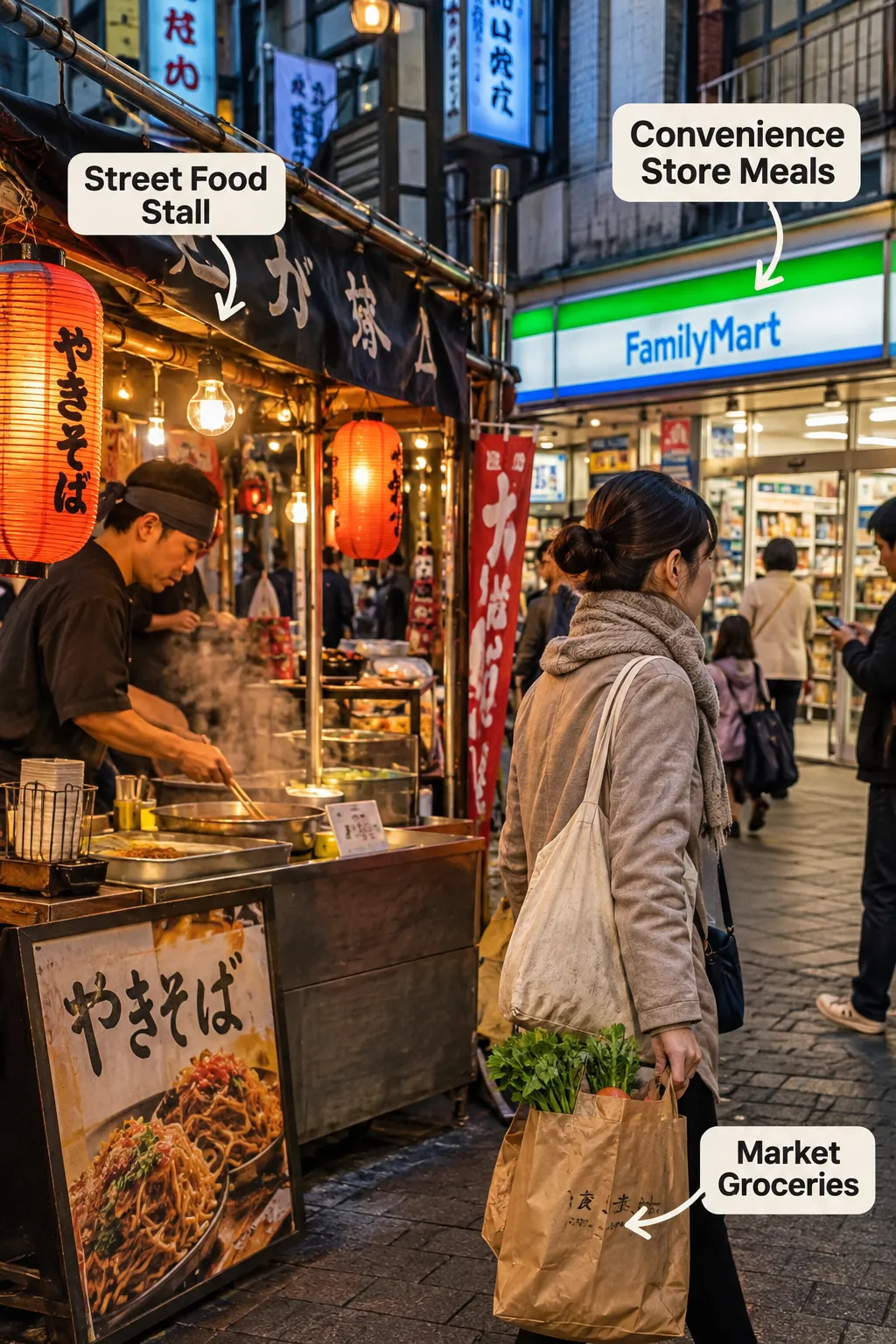
- Eat where locals eat, often identifiable by lines of residents rather than tourists.
- Buy breakfast items and snacks from grocery stores instead of cafes.
- Use convenience stores in countries like Japan, where quality is often surprisingly high for the price.
- Cook at least a few meals if your lodging has a kitchen.
Common mistake: eating every meal at sit-down restaurants near major attractions. That single habit can double a trip’s food budget.
Is it possible to travel cheap during peak season
It’s harder, but possible, to travel cheap during peak season if you’re flexible on destination and willing to adjust your trip structure. The strongest tactic is shortening the trip or picking a less popular destination within the same region.
Yahoo Travel’s late-2026 analysis found travelers cutting costs during busy periods by leaving a day earlier or later than the peak crowd, shortening trips overall, and staying in one base city instead of moving between several.
Choose a secondary city near your dream destination if the main hub is priced out of reach during peak weeks. For example, basing in a nearby town and day-tripping in is often dramatically cheaper than staying in the main tourist center.
Traveling cheap to expensive cities like London or Tokyo
You can travel cheap to expensive cities by staying slightly outside the core tourist district, using public transit passes, and eating at markets instead of restaurants near major sights. The trick isn’t avoiding expensive cities, it’s avoiding the expensive version of them.
- Base yourself in a well-connected neighborhood a few transit stops from the center, where rents and food prices drop noticeably.
- Use day transit passes instead of individual tickets or rideshares.
- Visit free museums and public parks, which both London and Tokyo have in abundance.
- Check destination-specific guides like this one on Paris on a budget or where to stay in Barcelona for neighborhood-level tips that transfer well to other expensive cities.
Edge case: in cities with excellent public transit like Tokyo, staying farther out barely costs you time, since trains are fast and frequent.
Common mistakes people make trying to travel cheap
The biggest mistake is chasing the lowest sticker price on one item, like a flight or hotel, without checking what it costs once fees and logistics are added. A “cheap” flight with a long layover and no included bag can end up costing more in total than a direct full-service ticket.
- Booking the absolute cheapest flight without checking baggage and seat fees.
- Choosing a hotel on price alone without factoring in transit costs to the center.
- Over-planning a packed, multi-city itinerary when staying in one base would cost less overall.
- Skipping travel insurance to save money, then paying far more if something goes wrong. Check our flight delay compensation guide for what you’re actually owed.
- Forgetting to check for student, government, or membership discounts that hotels don’t advertise online.
How much should you budget per day when traveling cheap
Daily budget travel costs vary enormously by destination, but a reasonable range for a frugal traveler is covering lodging, food, local transit, and one activity without blowing the whole trip on any single category. Southeast Asia and parts of Eastern Europe run cheaper than Western Europe, the US, or Japan.
- Choose hostel or shared lodging plus street food and public transit for the leanest daily spend.
- Add a buffer of 10 to 15% for unexpected costs like transit mishaps or weather-related changes.
- Track spending daily rather than waiting until the end of the trip to check totals.
Decision rule: if your destination’s hostel dorm price is under what a cheap restaurant meal costs at home, you’re likely in a genuinely low-cost region. If it’s close to home prices, expect your overall daily budget to run higher too.
Best credit cards for travel rewards and discounts
The best travel credit cards for budget travelers are ones with no foreign transaction fees and a sign-up bonus that covers a meaningful chunk of a flight or hotel stay. Beyond that, the “best” card depends heavily on your spending habits and home country, so it’s worth comparing a few before committing to one.
- Prioritize no foreign transaction fees if you travel internationally more than once a year.
- Look at sign-up bonus value relative to the card’s annual fee before applying.
- Consider a card that earns flexible points transferable to multiple airlines or hotel programs, rather than one locked to a single brand.
Edge case: if you only travel domestically once a year, a no-annual-fee cashback card may save you more than a premium travel card with a fee you won’t earn back.
Is travel hacking worth the time and effort
Travel hacking, meaning strategically using points, miles, and credit card bonuses, is worth it if you travel at least a couple of times a year and are organized enough to track expiration dates and bonus categories. It’s not worth it if you travel rarely or find tracking multiple accounts stressful.
Choose light travel hacking, like one solid rewards card and fare alerts, if you want savings without much effort. Choose deeper travel hacking, like multiple cards and mileage-run strategies, only if you’re genuinely motivated by the process itself.
Common mistake: opening several travel cards at once purely for bonuses without a plan to use the points, which can hurt your credit score and waste the sign-up effort. For broader planning help, see this guide on how to plan a cheap vacation.
20 Quick Ways to Travel Cheap, At a Glance
| Category | Tactic |
|---|---|
| Flights | Set fare alerts and search flexible dates |
| Flights | Fly midweek instead of weekends |
| Flights | Book domestic 21-60 days out, international 2-5 months out |
| Flights | Compare budget airline total cost including fees |
| Lodging | Choose hostels for solo trips |
| Lodging | Book weekly rentals for longer discounts |
| Lodging | Call hotels directly for membership discounts |
| Lodging | Stay near transit hubs, not just cheap suburbs |
| Food | Eat at markets and street stalls |
| Food | Cook when your lodging has a kitchen |
| Food | Shop groceries for breakfast and snacks |
| Transit | Use buses and trains over taxis |
| Transit | Buy day passes instead of single tickets |
| Timing | Travel in shoulder season |
| Timing | Shorten multi-city itineraries |
| Fees | Read full fare breakdowns before booking |
| Fees | Pack light to skip baggage charges |
| Rewards | Use a no-foreign-fee travel card |
| Rewards | Track sign-up bonus value vs annual fee |
| Planning | Bundle flight and hotel when the price is actually lower |
Frequently Asked Questions
What’s the single best way to travel cheap on a tight budget?
Combine shoulder-season timing with midweek flights and hostel or rental lodging. These three alone typically cut the biggest cost categories of any trip.
Are budget airlines actually cheaper after fees?
Sometimes, but not always. Add up baggage, seat, and payment fees before comparing to a full-service carrier’s all-in price.
Is it cheaper to book flights months in advance?
For international flights, yes, 2 to 5 months ahead tends to be cheapest. Domestic flights usually bottom out closer to 21 to 60 days before departure.
Do hostels save more money than Airbnb?
For solo travelers, usually yes. For groups of three or more staying a week or longer, a rental often works out cheaper per person.
Can I travel cheap to expensive cities like Tokyo or London?
Yes, by staying slightly outside the core center, using transit passes, and eating at markets instead of restaurant zones near tourist sites.
Is travel hacking worth it for occasional travelers?
Not usually. It pays off most for people traveling several times a year who can track points and bonus categories without hassle.
How much should I budget per day for a cheap trip?
It depends heavily on destination, but prioritizing hostel-level lodging, street food, and public transit keeps daily costs at the lower end for any region.
Conclusion
Learning how to travel cheap isn’t about one clever hack. It’s about stacking smart choices across flights, lodging, food, and transit until the savings add up to something real.
Start with your next trip’s booking window: set a fare alert today, pick shoulder season if your dates are flexible, and choose lodging based on total cost, not just the nightly rate. For more destination-specific budget breakdowns, browse the budget travel category for guides tailored to specific places.
Small decisions compound fast when you’re booking a trip. Make a few of the right ones, and you’ll notice the difference the moment you check your final spending.