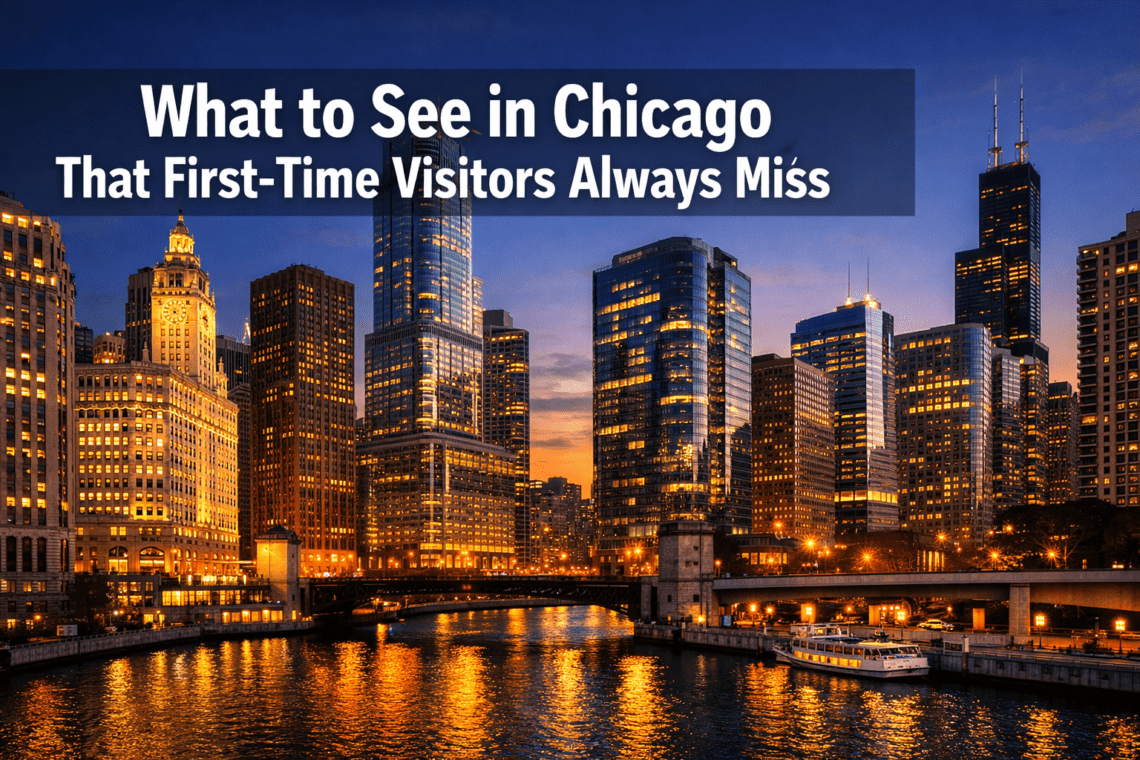
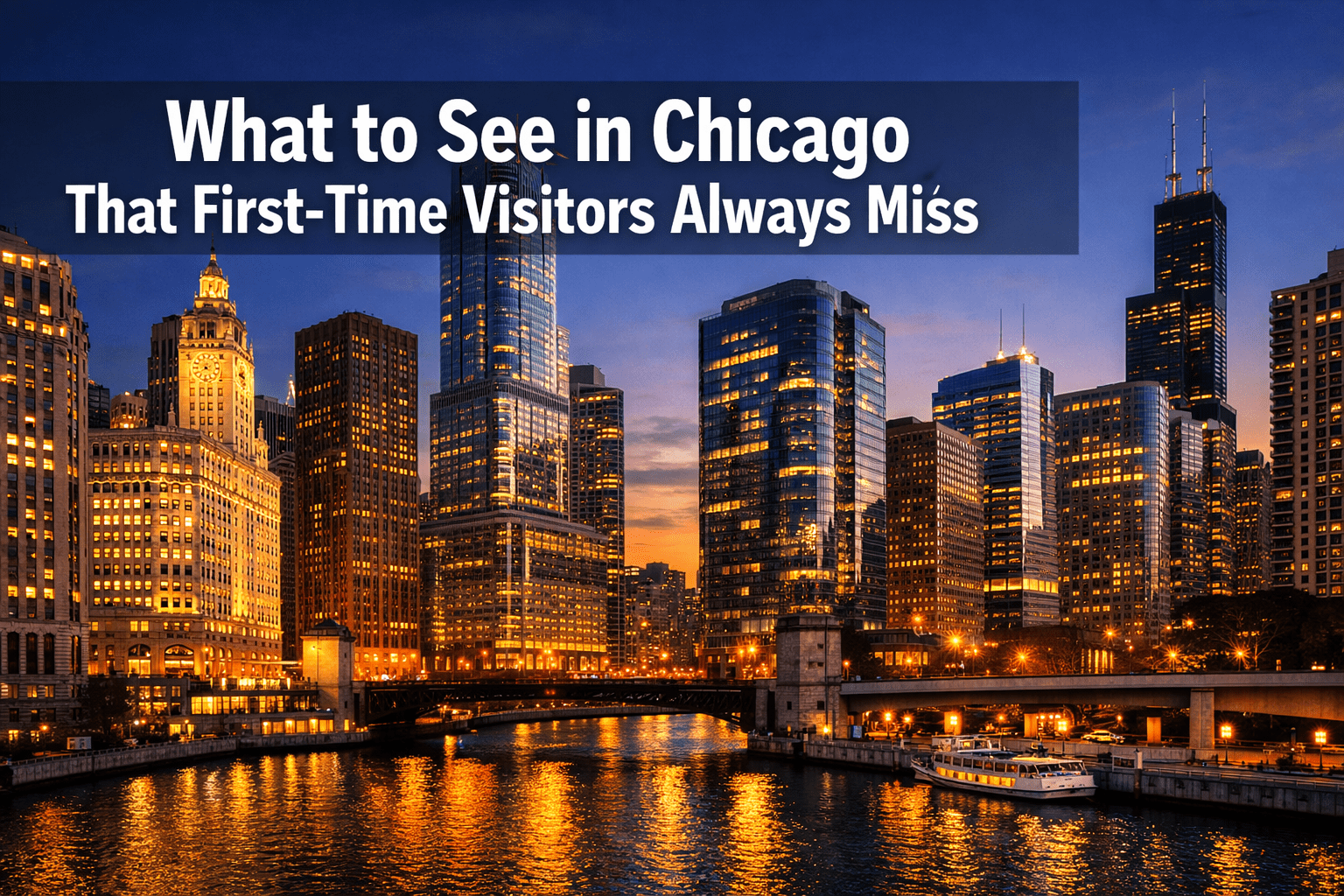
Quick Answer: Most first-time visitors to Chicago spend all their time at Millennium Park, Navy Pier, and the Magnificent Mile — and miss the city’s real character entirely. The best things to see in Chicago that locals actually love include free conservatories, hidden Gilded Age mansions, jazz clubs that predate Prohibition, and neighborhood murals that rival any gallery. You don’t need a packed itinerary. You just need to know where to look.
Key Takeaways
- Garfield Park Conservatory offers free admission and is one of the largest conservatories in the world — most tourists never go.
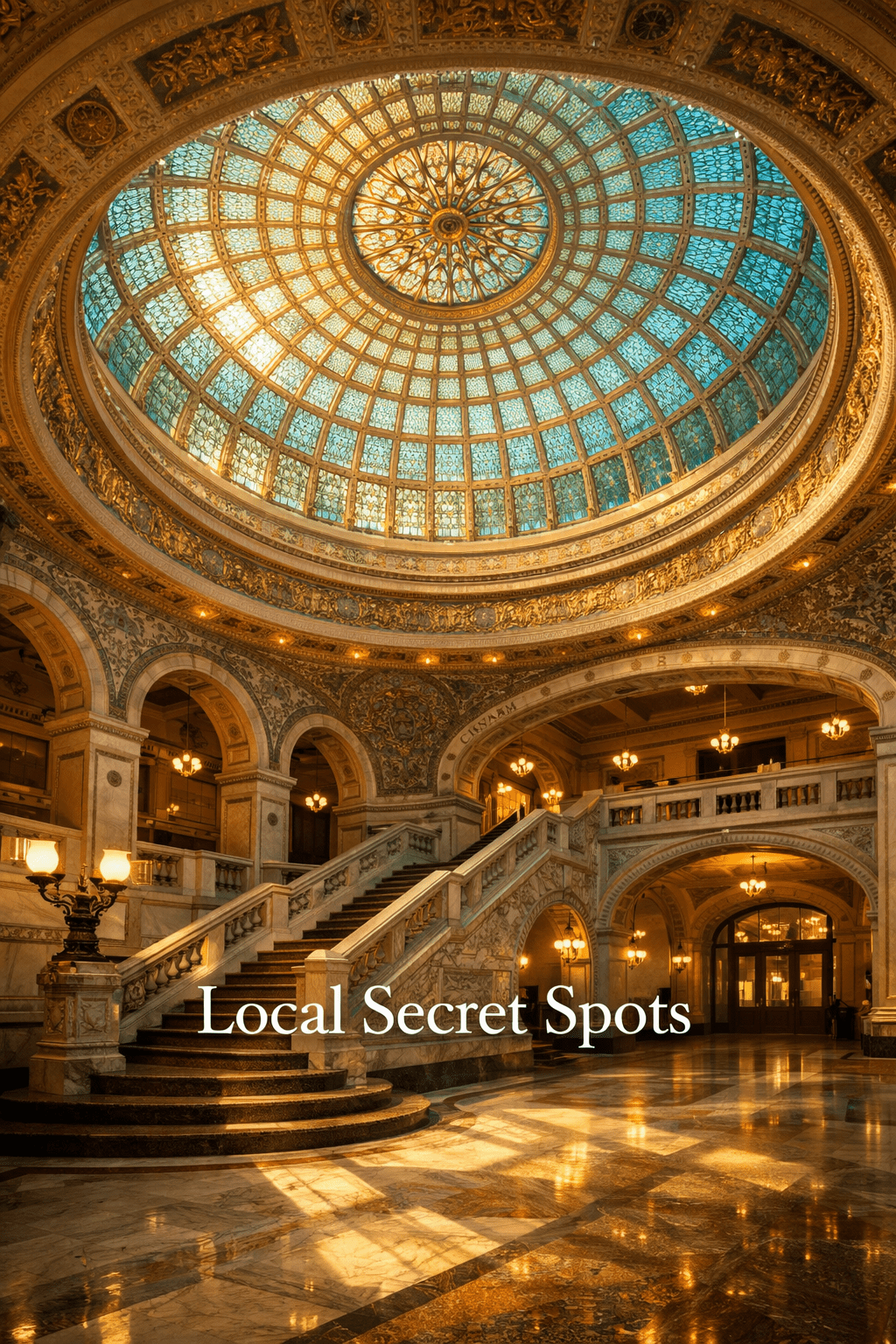
- The Chicago Cultural Center (opened 1897) is the nation’s first free municipal cultural center and has Tiffany glass domes that rival any cathedral. [1]
- Pilsen and Bridgeport are the neighborhoods locals actually hang out in — not River North.
- Graceland Cemetery, established in 1860, doubles as an outdoor architecture museum with monuments by famous designers. [1]
- The American Writers Museum is the first of its kind in the U.S. and covers 400+ years of American writing. [1]
- Green Mill Jazz Club in Uptown has been running since 1907 — Al Capone had a regular booth.
- Atlas Obscura lists 166 cool and unusual things to do in Chicago, so there’s genuinely no excuse for a boring trip. [2]
- Free attractions in Chicago are surprisingly good — budget travelers can fill multiple days without spending a dollar on admission.
What to See in Chicago Before You Even Look at the Tourist Map
Chicago rewards travelers who resist the obvious. The city has world-class free attractions, architecturally stunning spaces that most visitors walk right past, and neighborhoods with more personality than anything on a standard highlights reel.
The tourist circuit — the Bean, Navy Pier, the Riverwalk — is fine. But if that’s all you do, you’ve essentially seen Chicago’s lobby and skipped the whole house.
Start here instead:
- Chicago Cultural Center (78 E. Washington St.) — Free entry, Tiffany glass domes, rotating art exhibitions, and zero crowds compared to the Art Institute. Opened in 1897 as the nation’s first free municipal cultural center. [1]
- The 606 Trail — An elevated rail-to-trail conversion through Wicker Park, Bucktown, and Logan Square. Think NYC’s High Line, but less crowded and more neighborhood-flavored.
- Riverview Bridge in Roscoe Village — A quiet pedestrian bridge with river views that locals use for evening walks. You’ll have it almost to yourself.
“The Chicago Cultural Center is arguably the most beautiful building most tourists never enter — and it’s completely free.” — Time Out Chicago [3]
Choose this if: You want to see genuine Chicago architecture and culture without paying admission or fighting crowds.
The Free Hidden Gems That Locals Actually Visit
Free doesn’t mean second-rate in Chicago. Some of the city’s best attractions cost nothing, and they’re genuinely world-class.
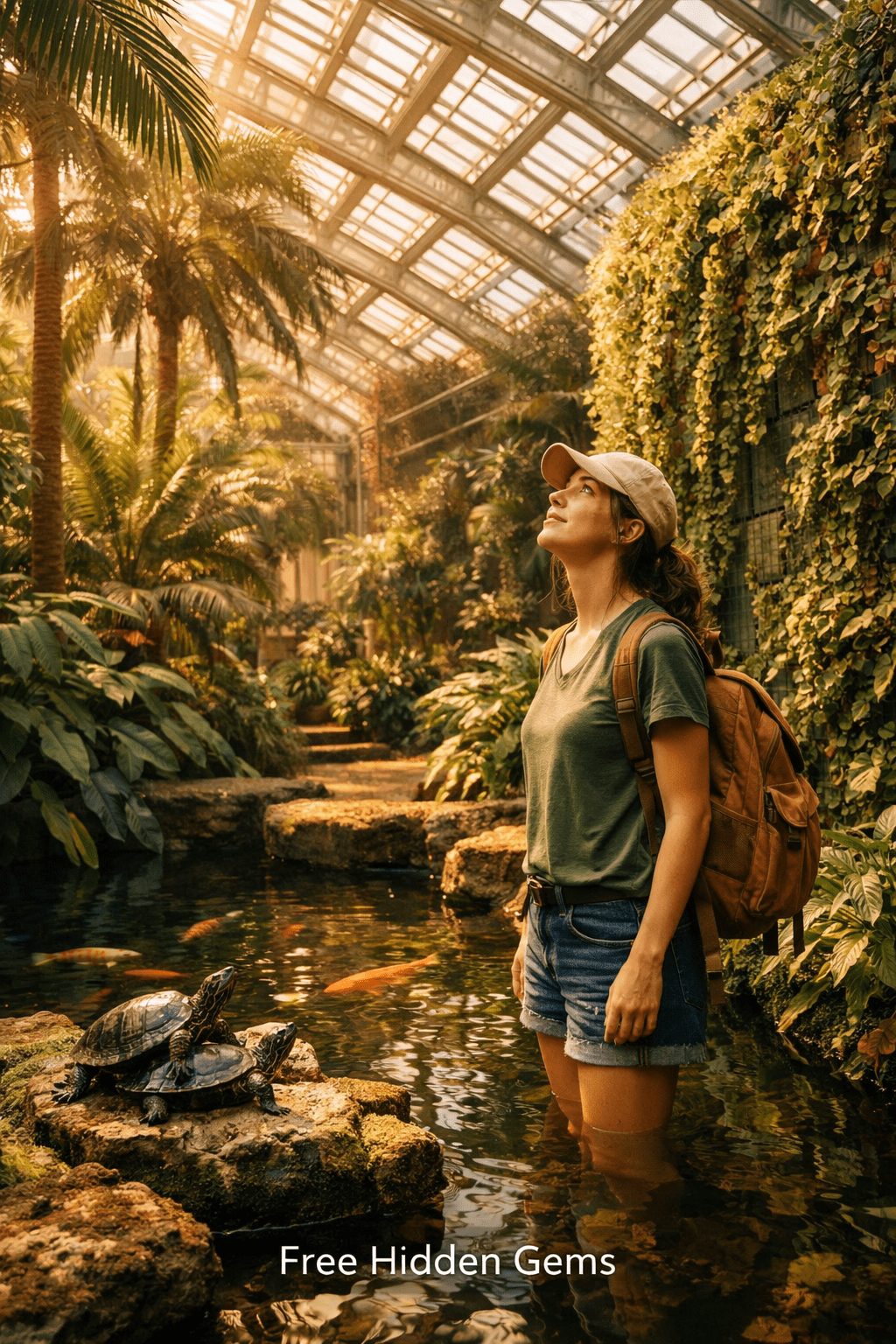
Garfield Park Conservatory is the standout. It’s one of the largest conservatories anywhere in the world, with koi ponds, turtles, succulents, cacti, and living green walls — all under dramatic glass vaulted ceilings. Admission is free. [1] It’s on the West Side, which means most tourists never make it out there. That’s your advantage.
Lincoln Park Conservatory is easier to reach and equally beautiful. Its Main Garden blooms with over 40,000 annuals, and it’s been a Chicago institution for more than a century. [1] Pair it with a walk through Lincoln Park Zoo (also free) and you have a full half-day without spending anything.
Money Museum at the Federal Reserve Bank sounds dry but is genuinely interactive — visitors can run inflation simulations and handle real currency artifacts. Free admission, and surprisingly popular with kids and adults alike. [1]
| Attraction | Neighborhood | Admission | Best For |
|---|---|---|---|
| Garfield Park Conservatory | East Garfield Park | Free | Nature lovers, photographers |
| Chicago Cultural Center | The Loop | Free | Architecture, art fans |
| Lincoln Park Conservatory | Lincoln Park | Free | Families, garden lovers |
| Money Museum | The Loop | Free | Curious travelers, kids |
| American Writers Museum | The Loop | Paid | Book lovers, culture seekers |
What to See in Chicago’s Hidden Architectural Treasures
Chicago invented the skyscraper, so it makes sense that the city’s real architectural gems go deeper than just the tall buildings downtown.
Richard H. Driehaus Museum in the Gold Coast neighborhood is a Gilded Age mansion with a fully decorated first floor, Tiffany lighting, and rotating exhibits featuring rare artifacts. It has earned over 1,500 traveler reviews on Tripadvisor — mostly from people who stumbled upon it and couldn’t believe they’d never heard of it. [1]
Graceland Cemetery (established 1860) is not a morbid suggestion — it’s a legitimate architectural tour. Monuments and mausoleums were designed by some of the most famous architects in American history. Atlas Obscura specifically calls it out as one of Chicago’s most unusual and worthwhile destinations. [2] It’s free to walk through, and the grounds are beautiful.
The Rookery Building (209 S. LaSalle St.) has a lobby redesigned by Frank Lloyd Wright in 1905. Most people walk past it every day without going inside. You can enter the lobby during business hours for free.
Common mistake: Tourists focus entirely on the lakefront and the Loop. Chicago’s architectural history extends into neighborhoods like Hyde Park (home of the University of Chicago and several Prairie Style homes), Beverly, and the Near West Side.
The Neighborhoods That Show You the Real Chicago
If you want to understand what Chicago actually feels like to live in, skip River North and spend time in these areas instead.
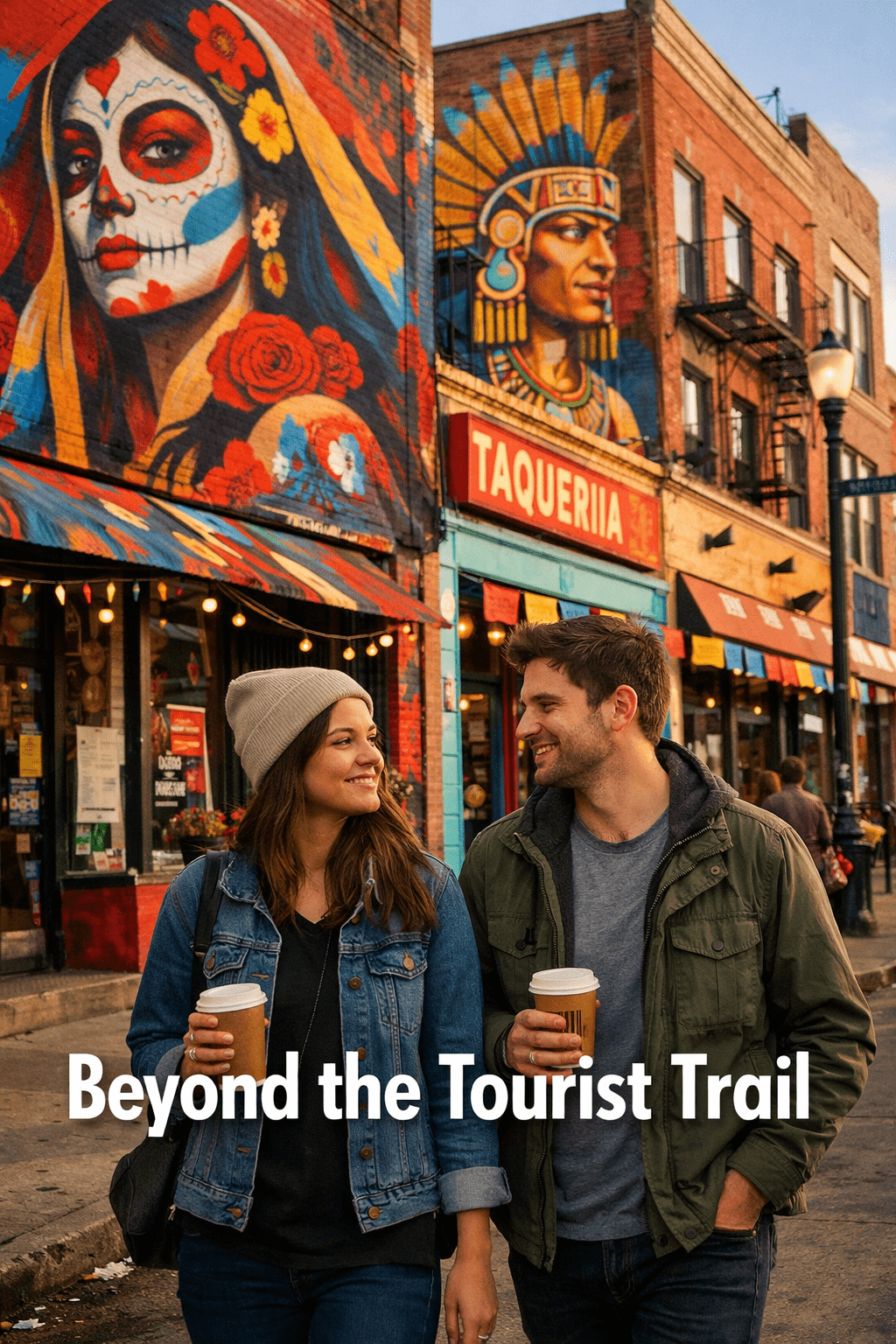
Pilsen is a Mexican-American neighborhood on the Lower West Side with some of the best street murals in the country. The National Museum of Mexican Art is here — free admission, genuinely excellent collection. The restaurant scene is outstanding and affordable.
Bridgeport is home to the Chicago Maritime Museum, which sits on the shores of Bubbly Creek and documents how Chicago’s waterways shaped the entire city’s development. [1] It’s a small museum, but the context it provides makes the rest of the city make more sense.
Logan Square is where young Chicagoans actually eat and drink. The boulevard system here (designed by the same landscape architect behind Central Park) is walkable and beautiful. The farmers market on Sundays is a local institution.
Uptown is where you’ll find the Green Mill Jazz Club — open since 1907, with original Art Deco interiors intact and live jazz seven nights a week. Al Capone reportedly had a regular booth here. It’s one of the few places in Chicago where you feel the actual weight of the city’s history. [2]
If you enjoy discovering neighborhoods that tourists overlook, the same approach works brilliantly in cities like New Orleans and Prague.
What to See in Chicago for Culture and History Beyond the Big Museums
The Art Institute and the Field Museum are worth your time — but Chicago’s smaller cultural institutions are where the real discoveries happen.
American Writers Museum (180 N. Michigan Ave.) is the first museum of its kind in the United States. It covers more than 400 years of American writing through interactive exhibits designed for readers and writers of all ages. [1] It’s in the Loop, easy to reach, and usually quiet compared to the blockbuster museums nearby.
Oz Park in Lincoln Park is a free public park dedicated to L. Frank Baum, who lived in Chicago when he wrote The Wizard of Oz. Bronze statues of Dorothy, the Tin Man, the Scarecrow, and the Cowardly Lion are scattered through the park. It’s charming, free, and completely off most tourist itineraries. [2]
Chicago Architecture Center (111 E. Wacker Dr.) offers boat tours along the Chicago River that give you the best possible view of the skyline and a genuinely educational narration. This one is paid, but locals consider it the single best way to understand the city’s built environment. Time Out Chicago consistently ranks it among the top 45 attractions in the city. [3]
For book lovers and history fans: The Newberry Library (60 W. Walton St.) is a free independent research library with rotating public exhibitions. The building itself is worth seeing, and the exhibitions are often genuinely fascinating.
Practical Tips for Getting the Most Out of Chicago
A few logistics that make a real difference:
- Use the L train. Chicago’s elevated rail system covers most of the city and costs a flat fare. The Red Line runs 24 hours. Tourists who rely on rideshares miss a lot of the city’s texture.
- Go west. Most tourist infrastructure is concentrated between the lakefront and the Loop. The best free attractions (Garfield Park Conservatory, Pilsen murals, Green Mill) require going further west or north. It’s worth it.
- Visit conservatories in winter. Garfield Park and Lincoln Park Conservatories are especially magical from November through March, when the warmth and greenery feel like a genuine escape.
- Book Green Mill early. It fills up on weekends. Arrive before 9 p.m. if you want a seat.
- Check the Chicago Cultural Center’s events calendar. Free concerts, film screenings, and exhibitions rotate constantly. [1]
If you’re flying into Chicago for the first time, our first-time airplane guide covers everything from check-in to landing. And if you’re planning other U.S. city trips, the USA trips section has destination guides worth bookmarking.
For budget-conscious travelers, Chicago compares well to other major U.S. cities — the free attraction density is genuinely high. If you’re weighing Chicago against other domestic options, cheap U.S. vacations under $500 offers useful comparisons.
FAQ: What to See in Chicago
What is the most underrated thing to see in Chicago?
Garfield Park Conservatory. It’s one of the largest conservatories in the world, admission is free, and most tourists never visit because it’s on the West Side. [1]
Is the Chicago Cultural Center worth visiting?
Yes — it’s free, architecturally stunning, and has Tiffany glass domes that most visitors don’t know exist. It opened in 1897 as the nation’s first free municipal cultural center. [1]
What neighborhood should first-time visitors explore beyond downtown?
Pilsen for murals and Mexican-American culture, Logan Square for local food and architecture, and Uptown for jazz history at the Green Mill.
How many unusual things are there to do in Chicago?
Atlas Obscura lists 166 cool and unusual attractions in Chicago, ranging from Oz Park to Graceland Cemetery to lesser-known jazz venues. [2]
Is Graceland Cemetery actually worth visiting?
Yes. Established in 1860, it functions as an outdoor architecture museum with monuments designed by historically significant architects. It’s free to walk through. [1]
What’s the best free museum in Chicago that tourists miss?
The American Writers Museum is the first of its kind in the U.S. and covers 400+ years of American writing. The National Museum of Mexican Art in Pilsen is also free and excellent. [1]
What’s the best way to see Chicago’s architecture?
The Chicago Architecture Center’s river boat tour is consistently rated one of the top Chicago experiences. [3] For free architecture, walk through the Loop and visit the Rookery Building lobby.
When is the best time to visit Chicago’s conservatories?
Winter (November through March) is ideal — the warmth and greenery inside Garfield Park and Lincoln Park Conservatories feel especially rewarding when it’s cold outside.
Is Chicago good for budget travelers?
Yes. The density of free world-class attractions — conservatories, the Cultural Center, Lincoln Park Zoo, the Riverwalk — makes Chicago one of the better U.S. cities for budget travel.
What’s one thing locals do that tourists never do?
Ride the L train’s Brown Line loop around the Loop for a cheap elevated city tour. It costs a standard fare and gives you a completely different perspective on the skyline.
Conclusion
Chicago is one of those cities that rewards curiosity. The tourist circuit is fine, but the real Chicago — the one locals are proud of — lives in its free conservatories, its Gilded Age mansions, its jazz clubs, and its neighborhood murals.
Your actionable next steps:
- Add Garfield Park Conservatory to your itinerary — it’s free and genuinely world-class.
- Walk into the Chicago Cultural Center the moment you’re near the Loop. No ticket needed.
- Spend at least one evening in Uptown or Pilsen instead of River North.
- Book a Chicago Architecture Center river tour if you have room in your budget.
- Download the Atlas Obscura app before you go — it has 166 Chicago entries to browse. [2]
The best things to see in Chicago are often the ones that don’t make the top-ten lists. Now you know where they are.
Planning more city trips? Check out our guides on New York City for first-timers, what to see in London in 3 days, and 15 best things to do in Paris for similar deep-dive local guides.
References
[1] Attractions G35805 Activities Zft12156 Chicago Illinois – https://www.tripadvisor.com/Attractions-g35805-Activities-zft12156-Chicago_Illinois.html
[2] Chicago Illinois – https://www.atlasobscura.com/things-to-do/chicago-illinois
[3] Chicago Attractions The 25 Best Sights And Attractions In Chicago – https://www.timeout.com/chicago/things-to-do/chicago-attractions-the-25-best-sights-and-attractions-in-chicago