

Last updated: June 26, 2026
Quick Answer: Porto is one of Europe’s most rewarding cities for travelers who go beyond the obvious stops. While the Livraria Lello bookshop and Dom Luís I Bridge are worth seeing, the best Porto city attractions are the ones most visitors skip – the WOW cultural district in Gaia, the Foz do Douro lighthouse walk, the Tram Museum, and the quiet streets of Miragaia. Three to four days gives you enough time to cover both the classics and the hidden gems.
Key Takeaways
- Porto rewards slow travelers – the best experiences are often free or under €15
- The WOW district in Vila Nova de Gaia is a full day’s worth of museums, restaurants, and views that most tourists miss
- Ribeira is lively and photogenic; Miragaia, just west, is quieter and more authentic
- The best time to visit is May-June or September-October for mild weather and smaller crowds
- You can do Porto as a day trip from Lisbon, but two to three nights is far better
- Free things to do include the Foz do Douro coastal walk, Jardim do Palácio de Cristal, and most viewpoints (miradouros)
- Getting around without a car is easy using the Metro, trams, and walking
- Beaches like Praia de Matosinhos are less than 20 minutes from the city center by Metro
What Are the Must-See Porto City Attractions in 2026
Porto’s must-see attractions include the Ribeira waterfront, the São Bento train station azulejo panels, Livraria Lello bookshop, and the Port wine cellars in Vila Nova de Gaia. But the city’s real character lives in its neighborhoods, its tram lines, and its Atlantic-facing coastline. [2]
Most first-timers spend their whole trip in a two-block radius of the Ribeira waterfront. That’s fine for a half-day, but Porto has a lot more to offer. Here’s a quick breakdown of the non-negotiables vs. the underrated:
| Category | Classic Pick | Better Alternative |
|---|---|---|
| Culture | Livraria Lello | WOW Cultural District |
| Waterfront | Ribeira strip | Foz do Douro coastal walk |
| Transport | Hop-on bus | Vintage Tram 1 to Passeio Alegre |
| Wine | Big cellar tours | Small-batch tasting at a local adega |
| Views | Dom Luís I Bridge | Miradouro da Serra do Pilar at sunset |
Best Hidden Gems in Porto Beyond the Typical Tourist Spots
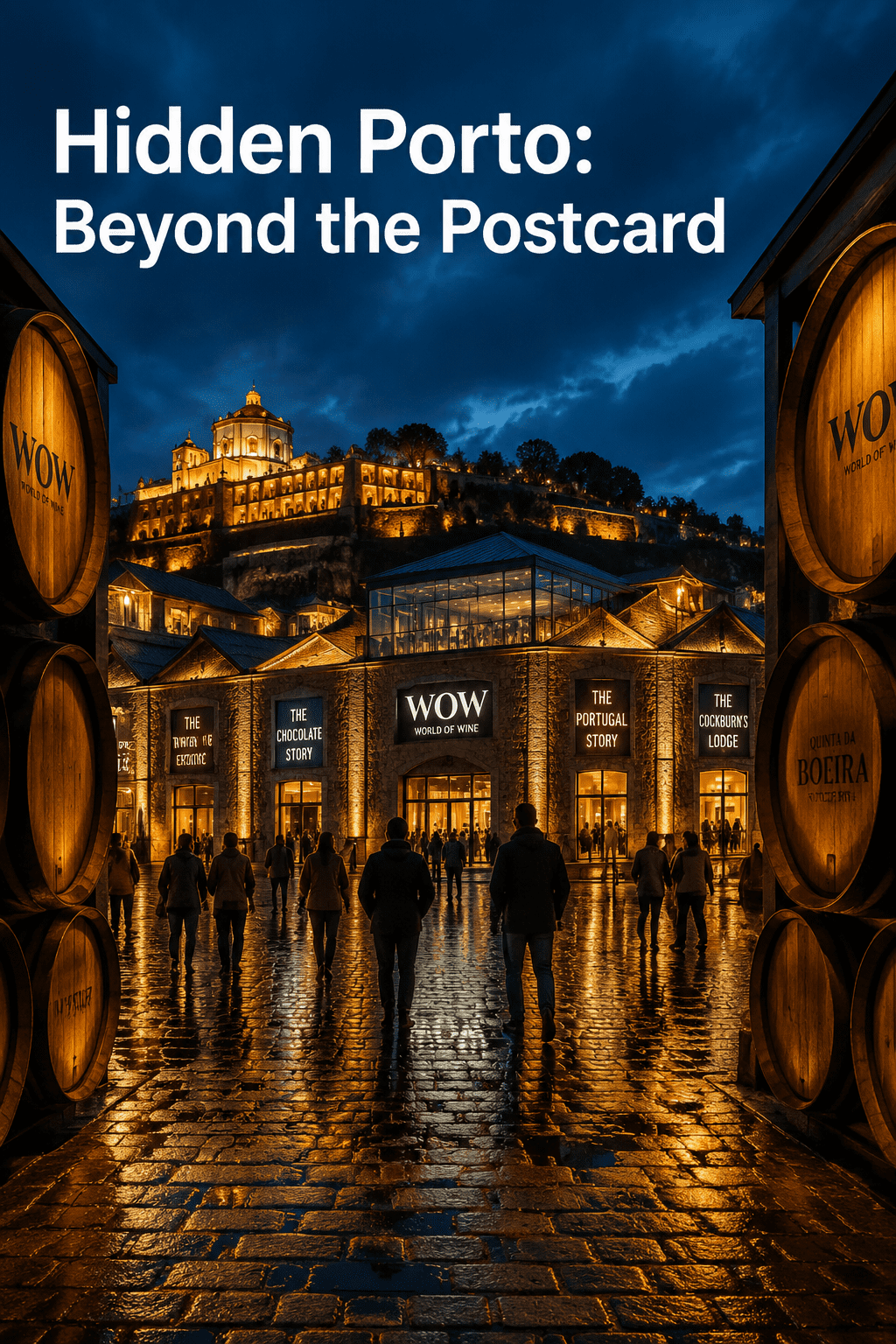
Porto’s hidden gems are hiding in plain sight. The WOW (World of Wine) district in Vila Nova de Gaia is a full cultural campus with seven museums, restaurants, and wine bars built into a restored 19th-century wine lodge complex. Most visitors walk right past it on their way to the big Port wine cellars. [3]
A few more spots worth seeking out:
- Jardim das Virtudes – a terraced garden above the Douro with locals picnicking on weekends, almost no tour groups
- Rua das Flores – Porto’s most charming pedestrian street, lined with goldsmiths and pastry shops
- Mercado do Bolhão – the recently restored iron-and-glass market where locals actually shop for fish, cheese, and flowers [5]
- Neonia and immersive art spaces – Porto has seen a wave of “anti-museum” experiences where digital art and interactive installations replace static displays; worth checking what’s running during your visit [10]
- Miragaia neighborhood – a quiet stretch just west of Ribeira with almost no tourist infrastructure and genuinely beautiful tiled facades
If you enjoy discovering lesser-known corners of European cities, the approach works just as well in places like Athens beyond the Acropolis or Prague beyond Charles Bridge.
What’s the Difference Between Ribeira and Miragaia Neighborhoods
Ribeira is Porto’s famous riverside strip – busy, colorful, full of restaurants and souvenir shops. Miragaia is the quieter neighborhood immediately to the west, where the tourist infrastructure drops off sharply and the real residential city begins.
Ribeira is the right choice if you want:
- Lively atmosphere and easy restaurant access
- The classic Porto postcard view from across the Douro
- Proximity to the Dom Luís I Bridge and cable car
Miragaia is better if you want:
- Peaceful streets and authentic azulejo facades
- Local cafes with no English menus (bring a translation app)
- A sense of how Porto actually feels day-to-day
My honest take: spend an evening in Ribeira for the atmosphere, then walk 10 minutes west to Miragaia the next morning when the light is good and the streets are empty. The contrast is striking.
How Many Days Do You Need to Explore Porto
Three to four days is the sweet spot for Porto. Two days covers the main Porto city attractions but leaves no room for the coast, Gaia, or day trips. Five or more days is ideal if you want to add Braga, Guimarães, or the Douro Valley wine region.
Day-by-day rough guide:
- Day 1 – Ribeira, São Bento, Livraria Lello, Clérigos Tower
- Day 2 – Vila Nova de Gaia (WOW district + Port wine cellars), Miradouro da Serra do Pilar sunset
- Day 3 – Foz do Douro coastal walk, Matosinhos beach, Tram Museum
- Day 4 – Miragaia, Mercado do Bolhão, day trip to Braga or the Douro Valley
Can You Do Porto as a Day Trip From Lisbon
Yes, Porto is doable as a day trip from Lisbon, but it’s not the best way to experience the city. The Alfa Pendular train takes about three hours each way, which leaves you roughly five to six hours on the ground. That’s enough for Ribeira, São Bento station, and a Port wine tasting, but not much else.
Choose a day trip if: you’re short on time and just want a taste of the city.
Stay overnight if: you want to explore Gaia, the coast, or the neighborhoods properly.
If you’re planning a broader Portugal trip, our complete Lisbon travel guide covers how to structure your time between the two cities.

Best Time of Year to Visit Porto and Why
May, June, September, and October are the best months to visit Porto. The weather is warm but not scorching (typically 20-25°C), crowds are smaller than in July-August, and hotel prices are more reasonable. [4]
- July-August – peak crowds and higher prices; the city is busy but the beaches are excellent
- November-February – quieter and cheaper, but expect rain; Porto gets significant Atlantic rainfall in winter
- March-April – unpredictable weather but beautiful light; good for photography
Porto’s festival calendar is worth checking too. Festa de São João (June 23-24) is the city’s biggest street party – locals hit each other with plastic hammers and launch paper lanterns over the Douro. It’s chaotic, joyful, and completely unlike anything else in Europe.
How Much Does It Cost to Visit Porto Attractions
Porto is one of Western Europe’s most affordable city destinations. Many of its best attractions are free, and even paid experiences are reasonably priced compared to Lisbon, Barcelona, or Paris.
Cost breakdown (approximate, 2026):
| Experience | Cost |
|---|---|
| São Bento station (exterior + interior) | Free |
| Jardim do Palácio de Cristal | Free |
| Foz do Douro coastal walk | Free |
| Clérigos Tower | ~€5 |
| Livraria Lello entry | ~€8 (redeemable against book purchase) |
| Port wine cellar tour + tasting | €15-25 |
| WOW museum (single entry) | €10-13 |
| Vintage Tram 1 ride | ~€4 |
A comfortable mid-range day in Porto (including meals, a museum, and a wine tasting) runs around €60-80 per person. Budget travelers can get by on €35-45 by sticking to free attractions and eating at tascas (local taverns) rather than tourist restaurants.
Are There Free Things to Do in Porto
Yes – Porto has a genuinely strong lineup of free experiences. This isn’t just “walk around and look at buildings” territory; some of the city’s best moments cost nothing at all. [5]
Best free Porto city attractions:
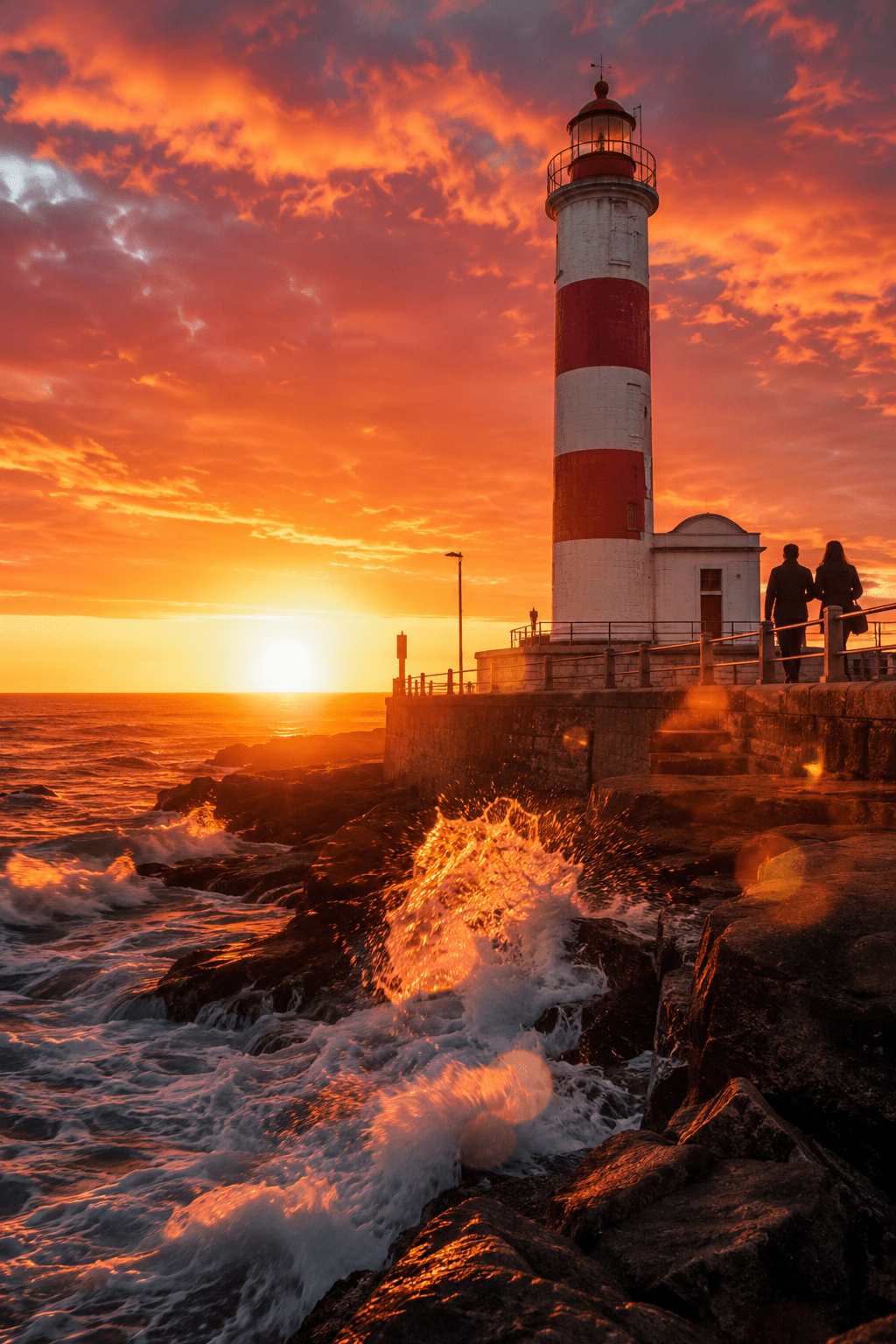
- Foz do Douro lighthouse walk – follow the Douro to where it meets the Atlantic; the oceanfront promenade is a local ritual, especially at sunset
- Jardim do Palácio de Cristal – hilltop gardens with peacocks and panoramic river views
- São Bento train station – 20,000 azulejo tiles depicting Portuguese history; free to enter and genuinely stunning
- Miradouros (viewpoints) – Miradouro da Vitória and Miradouro da Serra do Pilar are both free
- Rua de Santa Catarina – Porto’s main shopping street, worth a wander for the architecture alone
- Mercado do Bolhão – free to browse; just buy something from a vendor
“Porto is the kind of city where the best things happen when you put the guidebook down and just walk.” – a sentiment shared by almost every traveler who’s spent real time here.
What Are the Lesser Known Beaches Near Porto
Matosinhos Beach is Porto’s closest and most popular beach, about 15 minutes by Metro from the city center. But several quieter options are within easy reach. [7]
- Praia de Lavadores (Vila Nova de Gaia) – rockier and less crowded than Matosinhos, with good seafood restaurants nearby
- Praia de Miramar – about 20 minutes south by train; famous for a small chapel built on a rock in the sea (Capela do Senhor da Pedra)
- Praia de Aguda – further south, very local, almost no English spoken
Matosinhos is the practical choice for a quick beach afternoon. If you want something more scenic and less busy, head to Miramar or Aguda.
Best Local Experiences and Authentic Things to Do in Porto
The most authentic Porto experiences involve food, wine, and neighborhoods – not museums. Locals recommend eating a francesinha (Porto’s signature sandwich, a meat-filled toasted bread brick smothered in beer-and-tomato sauce) at a neighborhood tasca rather than a tourist restaurant. [2]
What locals actually do:
- Sunday morning at Mercado do Bolhão followed by a coffee at a nearby café
- Evening walk from Ribeira to Foz along the riverside
- Watching FC Porto at Estádio do Dragão (check the fixture schedule)
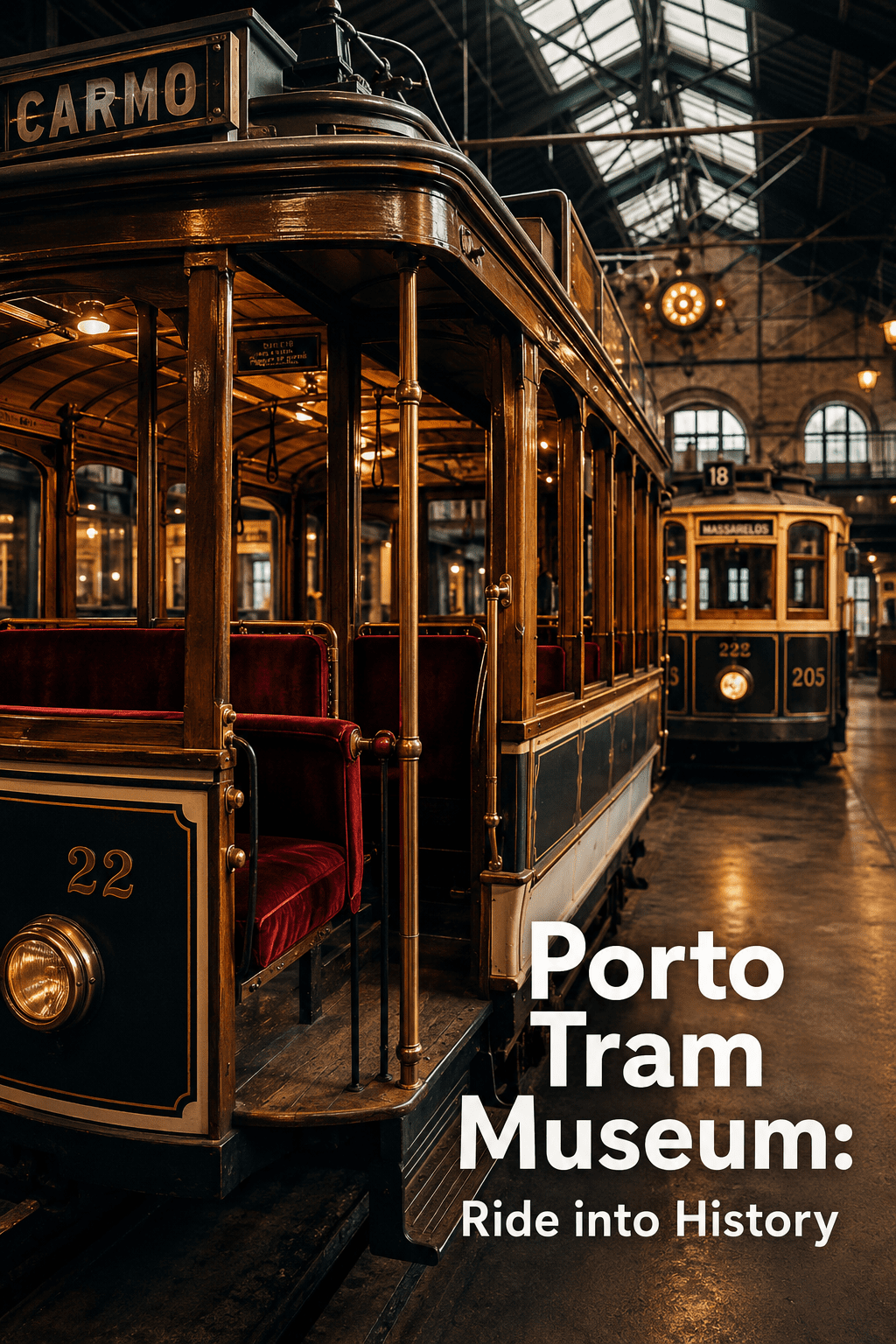
- Visiting the Porto Tram Museum and riding vintage Tram 1 to Passeio Alegre – a genuine piece of industrial heritage that most visitors skip entirely [10]
- Tasting ginjinha (cherry liqueur) at a stand-up bar in the Baixa neighborhood
The Tram Museum deserves a special mention. It houses a collection of restored historic trams in a working depot, and the ride on Tram 1 along the Douro to the coast is one of the most atmospheric ways to see the city. It’s not a tourist gimmick – it’s a real working tram that locals use.
If you enjoy this kind of authentic city experience, the same approach works well in Seville and Barcelona.
Is Porto Worth Visiting or Should You Skip It
Porto is absolutely worth visiting – it consistently ranks among Europe’s most satisfying city breaks for a reason. The combination of dramatic topography, world-class wine, affordable food, and genuine neighborhood character is hard to find elsewhere. [3]
That said, Porto isn’t for everyone:
- Skip it if you need beach-only relaxation (Algarve is better for that)
- Skip it if you dislike hills (Porto is very hilly; comfortable shoes are non-negotiable)
- Visit if you enjoy walking cities, wine, food culture, and architectural beauty
Porto is often compared to Lisbon, but the two cities feel very different. Porto is grittier, smaller, and in many ways more charming. Most travelers who visit both prefer Porto.
How Do You Get Around Porto Without a Car
Porto is very manageable without a car. The Metro covers most major areas including the airport, Matosinhos beach, and the main city center stops. Walking connects most of the historic center. [4]
Transport options:
- Metro – clean, reliable, covers airport to beach; day passes available
- Trams – Lines 1, 18, and 22 cover scenic routes; Tram 1 to Foz is a highlight
- Andante card – a rechargeable card that works across Metro, bus, and tram; buy it at any Metro station
- Walking – the historic center is compact; most sights are within 30 minutes on foot
- Uber/Bolt – widely available and cheap by Western European standards
Avoid renting a car for the city itself. Parking is difficult, the streets are narrow, and you won’t need it. A car is only useful if you’re doing day trips to the Douro Valley.
What’s the Cheapest Way to See Multiple Porto Attractions
The cheapest strategy is to combine free attractions with one or two paid highlights rather than buying bundled passes. Most Porto city attractions are either free or individually cheap enough that a city pass rarely saves money unless you’re doing four or more paid museums in a day. [9]
Budget strategy:
- Start with free attractions (São Bento, Palácio de Cristal, Foz walk)
- Pick one or two paid experiences that genuinely interest you (WOW district, Clérigos Tower, or a Port wine tasting)
- Use the Andante card for transport rather than tourist hop-on buses
- Eat at tascas and mercados rather than waterfront restaurants (same food, half the price)
- Book accommodation in Bonfim or Cedofeita neighborhoods – cheaper than Ribeira and still walkable
For more budget travel inspiration across Europe, check out our guide to things to do in Dublin on a budget and Palma de Mallorca’s best experiences.
FAQ: Porto City Attractions
Q: What is Porto most famous for?
Porto is most famous for Port wine, its azulejo-tiled buildings, the Ribeira waterfront, and the Dom Luís I Bridge. The Livraria Lello bookshop is also widely recognized as one of the world’s most beautiful bookstores.
Q: Is Porto better than Lisbon for tourists?
Both cities are excellent, but Porto is generally considered more authentic and less crowded. Lisbon is larger with more nightlife; Porto feels more intimate and walkable. Most travelers who visit both tend to prefer Porto.
Q: How much does it cost per day in Porto?
Budget travelers can manage on €35-45 per day. A comfortable mid-range day costs €60-80. This includes accommodation, food, transport, and one or two paid attractions.
Q: Is Porto safe for tourists?
Porto is considered very safe by European standards. Normal precautions apply in busy tourist areas (watch for pickpockets in Ribeira and on crowded trams), but violent crime is rare.
Q: What language do people speak in Porto?
Portuguese is the official language. English is widely spoken in hotels, restaurants, and tourist areas. Outside the center, some Portuguese is helpful.
Q: What is the WOW district in Porto?
WOW (World of Wine) is a large cultural campus in Vila Nova de Gaia, across the Douro from Porto’s historic center. It includes seven museums covering wine, chocolate, cork, and Portuguese culture, plus restaurants and wine bars. It opened in 2020 and is still undervisited relative to its quality.
Q: Can you visit Porto on a budget?
Yes. Many of Porto’s best experiences are free, including the São Bento station azulejos, the Foz do Douro coastal walk, and most viewpoints. A full day of sightseeing can cost under €20 if you’re strategic.
Q: What’s the best neighborhood to stay in Porto?
Ribeira is the most central but also the most expensive and touristy. Bonfim and Cedofeita offer a better balance of price, authenticity, and walkability. Foz do Douro is quieter and close to the beach but further from the historic center.
Q: Do I need to book Porto attractions in advance?
Livraria Lello requires advance booking (timed entry slots sell out). WOW district museums and most Port wine cellar tours benefit from advance booking in summer. Most other attractions are walk-in.
Q: What’s the best viewpoint in Porto?
Miradouro da Serra do Pilar in Gaia gives the most iconic view of Porto’s skyline and the Dom Luís I Bridge. Miradouro da Vitória is better for a quick city view without crossing the river.
Q: Is Porto good for a solo traveler?
Porto is excellent for solo travel. The city is walkable, safe, and has a strong café culture that makes it easy to spend time alone without feeling isolated. The hostel scene is also well-developed.
Q: What food should I try in Porto?
The francesinha is non-negotiable – it’s Porto’s signature dish and nothing like it exists elsewhere. Also try bacalhau (salt cod), tripas à moda do Porto (tripe stew), and a pastel de nata with a coffee.
Conclusion
Porto is the kind of city that rewards curiosity. The famous landmarks are worth seeing, but the real Porto city attractions are the ones that don’t make the front page of every travel blog – the WOW cultural district, the Tram Museum, the Foz do Douro walk at golden hour, the quiet streets of Miragaia on a Tuesday morning.
Actionable next steps for your Porto trip:
- Book Livraria Lello in advance – timed entry slots sell out weeks ahead in peak season
- Allocate at least half a day to the WOW district – it’s far more than a wine museum
- Ride Tram 1 to Foz do Douro – do it in the late afternoon so you arrive at the lighthouse for sunset
- Eat at least one francesinha at a local tasca – ask your accommodation for their recommendation, not TripAdvisor’s
- Buy an Andante card on arrival at the airport Metro station; it saves time and money
- Stay at least three nights – two days is enough to see the highlights but not enough to feel the city
If you’re building a broader European itinerary, Porto pairs naturally with Lisbon to the south or with a side trip to the Douro Valley wine region. For more European city inspiration, our guides to Vienna and Copenhagen follow the same approach of going beyond the obvious.
Porto doesn’t ask much of you. Just show up with comfortable shoes and a willingness to get a little lost.
References
[1] Watch – https://www.youtube.com/watch?v=0zU7FiRuVjc
[2] Things Do Porto – https://ryo.co/en/articles/portugal/porto/things-do-porto
[3] Top Things To Do In Porto – https://www.lonelyplanet.com/articles/top-things-to-do-in-porto
[4] Best Things To Do In Porto – https://www.theemptynestexplorers.com/blog/best-things-to-do-in-porto
[5] Unique Things To Do In Porto – https://yondli.com/portugal/porto/unique-things-to-do-in-porto
[7] Porto Portugal – https://www.atlasobscura.com/things-to-do/porto-portugal
[9] getyourguide – https://www.getyourguide.com/porto-l151/ttd/
[10] Unusual Things To Do Porto – https://portoalities.com/en/unusual-things-to-do-porto/